
Are Steering Wheel Covers Safe for New Cars? (Full Guide)
Quick Answer
Yes, steering wheel covers are generally safe for new cars as long as they fit correctly, maintain a secure grip, and do not interfere with steering controls or built-in vehicle technology. However, poorly fitted, overly thick, or low-quality covers can introduce safety hazards like slippage, reduced tactile feedback, or interference with capacitive touch sensors and heated steering elements.
Buying a brand-new car brings an undeniable sense of satisfaction. Every surface is pristine, untouched, and carefully engineered by the manufacturer to look and feel premium. Naturally, many vehicle owners want to keep that interior looking showroom-fresh for as long as possible. One of the most common accessories car owners consider is a steering wheel cover to protect factory leather or prevent everyday wear and tear.
At the same time, modern vehicles are vastly different from older models. Today’s steering wheels are packed with advanced electronics, safety sensors, and specialized ergonomic contours. This raises a crucial question for vehicle owners: Do aftermarket steering wheel covers compromise safety, comfort, or vehicle functionality in a modern car?
Understanding Modern Steering Wheels in New Cars
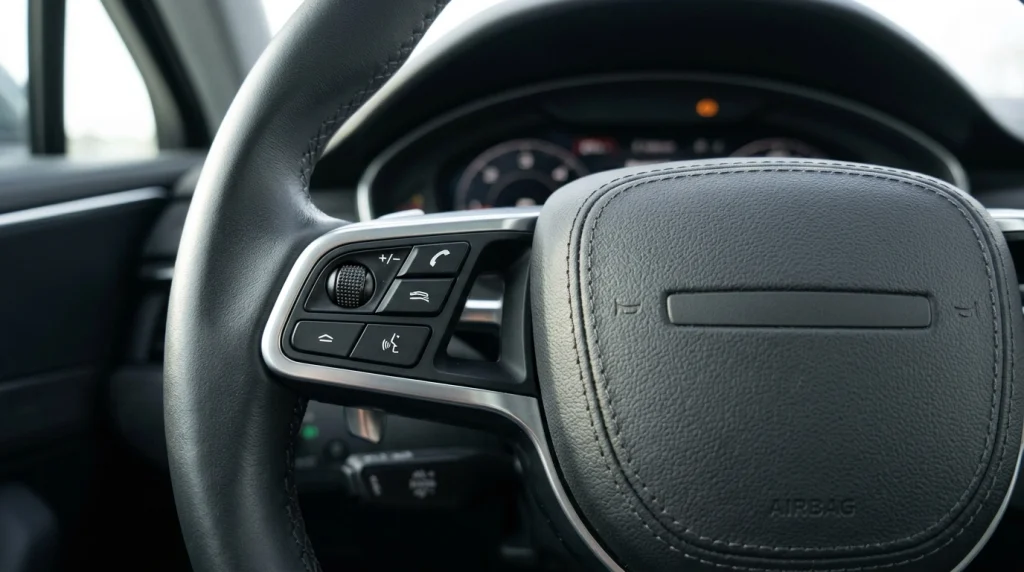
To evaluate whether a steering wheel cover is safe, it helps to understand what a modern steering wheel actually entails. Gone are the days when a steering wheel was simply a rigid steel ring wrapped in basic plastic or standard leather. Today’s steering wheels are complex automotive components.
In many new vehicles, steering wheels feature integrated multi-function button pods, paddle shifters, heating elements, and sophisticated driver-assistance sensors. For instance, many contemporary cars utilize Capacitive Hands-On Detection (HOD) sensors embedded beneath the leather or polyurethane rim. These sensors detect the subtle electrical capacitance of the driver’s hands to ensure they are actively steering when semi-autonomous driving features like lane centering or adaptive cruise control are engaged.
Adding an aftermarket wrap changes the thickness, texture, and insulating properties of the wheel. Understanding these changes is the first step in determining whether a cover is appropriate for your specific vehicle.
Potential Safety Risks of Steering Wheel Covers
While millions of drivers use steering wheel covers without incident, poorly selected or incorrectly installed covers can introduce several genuine safety risks. Being aware of these potential hazards helps you separate safe accessories from dangerous ones.
1. Steering Wheel Slippage
The single most dangerous issue with a low-quality or ill-fitting steering wheel cover is rotational slippage. If the inner lining of the cover fails to grip the factory steering wheel rim tightly, the outer cover can rotate independently during a sharp turn or emergency maneuver. This leaves the driver holding the cover while the underlying wheel slips, drastically reducing steering control and increasing accident risk.
2. Excessive Bulk and Reduced Ergonomics
Manufacturers spend countless hours engineering steering wheel diameters and grip circumferences to fit average human hands comfortably. A thick, bulky, or padded steering wheel cover can make the grip unnaturally wide. For drivers with smaller hands, this extra thickness reduces hand leverage, makes reaching control stalks more difficult, and can cause hand fatigue during long drives.
3. Interference with Controls and Paddles
Some poorly designed covers feature thick side seams or extended edges that encroach upon steering-mounted audio controls, cruise control buttons, or paddle shifters. If a cover blocks or restricts the full movement of a paddle shifter or rubs against button housings, it can create frustrating operational delays while driving.
Impact on Advanced Driver Assistance Systems (ADAS)
If your new car is equipped with advanced driver-assistance systems, you must consider how an aftermarket cover interacts with vehicle technology. This is an area where modern cars differ significantly from older models.
Many modern vehicles rely on Capacitive Touch Detection rather than mere physical steering torque to verify that the driver is paying attention. If you install a thick, highly insulated, or non-conductive synthetic cover, the capacitive sensors beneath the factory rim may fail to register your hands. As a result, the car may repeatedly flash warning alerts or disengage advanced driving aids, incorrectly assuming you have taken your hands off the wheel.
Warning
If your vehicle features semi-autonomous driving features that require continuous capacitive touch contact, verify that your chosen steering wheel cover is explicitly thin enough or compatible with capacitive sensor technology to prevent constant false warnings.
Will a Steering Wheel Cover Damage a New Car’s Interior?
Beyond driving safety, car owners worry about preserving the factory materials underneath the cover. Paradoxically, installing a steering wheel cover to protect a new wheel can sometimes cause unintended cosmetic damage if chosen incorrectly.
Cheap rubber or synthetic inner linings can degrade over time when exposed to sunlight, cabin heat, and natural hand oils. When these inferior linings break down, they can leave behind sticky residue, discoloration, or permanent indentations on factory leather steering wheels. Furthermore, trapping moisture and sweat beneath a tight, non-breathable cover can accelerate wear on genuine leather rims.
How to Choose a Safe Steering Wheel Cover for a New Car
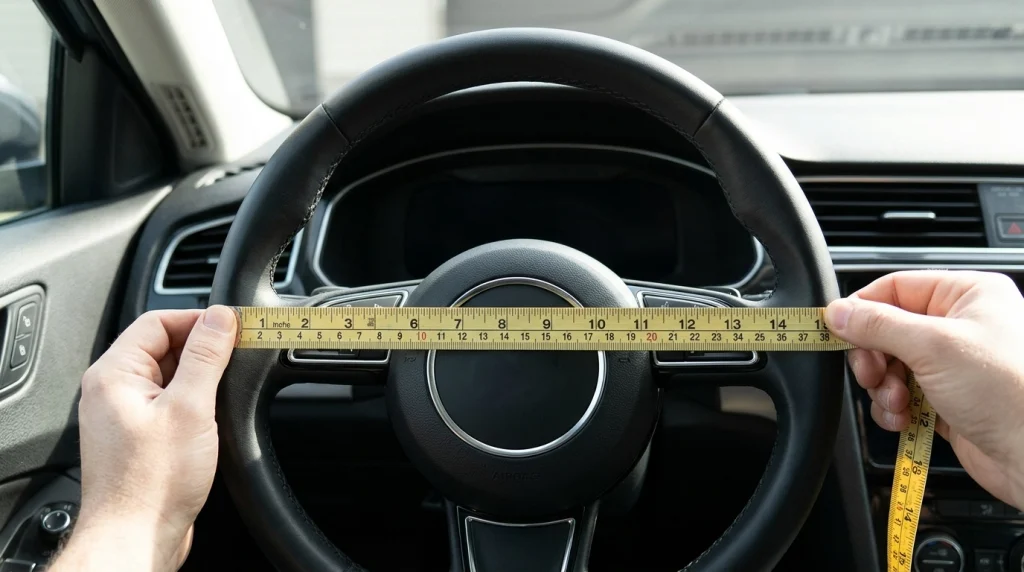
If you have weighed the pros and cons and decided that you still want a steering wheel cover, selecting the right product is essential for maintaining safety and protecting your investment. Follow these key criteria when shopping:
- Precise Sizing: Measure your steering wheel diameter accurately. Avoid universal “one-size-fits-all” covers if they feel loose or require excessive force that stretches the material beyond its structural limits.
- Anti-Slip Interior Lining: Look for covers featuring a rubberized, textured, or silicone inner grip layer that locks firmly onto the factory steering wheel surface and prevents twisting.
- Breathable Materials: Choose genuine leather, microfiber, or high-grade breathable fabrics that prevent sweat buildup and maintain a secure grip during warm weather.
- Low-Profile Design: Opt for slim-profile or lace-up steering wheel covers that hug the rim tightly without adding excessive bulk or altering the natural feel of the steering wheel.
- Compatibility with Heated Wheels: If your car has a heated steering wheel, ensure the cover material allows heat to transfer effectively rather than insulating and trapping excessive heat that could potentially stress internal heating elements.
Tip
If you want permanent protection without the risks of slip-on covers, consider a professional-grade lace-up steering wheel wrap. Though installation takes more patience, lace-up wraps offer a tight, OEM-like fit that eliminates movement and preserves a slim profile.
Alternative Solutions for Protecting Your New Steering Wheel
If you are hesitant to install an aftermarket cover due to safety or aesthetic concerns, several alternative maintenance practices can keep your new car’s steering wheel in pristine condition without altering its core ergonomics:
Regular cleaning is the most effective approach. Skin oils, lotions, dirt, and hand sanitizers gradually break down automotive leather and plastics. Wiping the steering wheel down monthly with a dedicated automotive interior cleaner and a soft microfiber cloth removes accumulated residue before it causes permanent wear.
Additionally, utilizing a windshield sunshade when parking outdoors protects the cabin and steering wheel from harsh ultraviolet rays and extreme dashboard heat, preventing premature cracking, fading, and material degradation.
Related Product
Automotive Interior Cleaning & Leather Care Kits
Keep your new car’s steering wheel clean and protected from natural oils and wear without adding bulky covers.
As an Amazon Associate, we earn from qualifying purchases.
Frequently Asked Questions
Do steering wheel covers interfere with airbag deployment?
No, standard steering wheel covers do not interfere with the driver’s front airbag. The airbag module is housed inside the central steering wheel hub and horn pad, whereas steering wheel covers only wrap around the outer rim where you place your hands. However, always ensure that your cover does not obstruct the horn button or any auxiliary control housings on the steering wheel center assembly.
Can I use a steering wheel cover on a heated steering wheel?
Yes, but you should check manufacturer recommendations and material thickness. Thick, heavily insulated synthetic covers can act as a thermal barrier, significantly reducing the warmth you feel from the heated wheel. Furthermore, extreme heat combined with low-quality rubber linings can cause degradation or unpleasant chemical odors over time.
Why does my steering wheel cover slide around?
Slippage usually happens because the cover is slightly too large for your specific steering wheel diameter, or the interior grip material has worn down. A loose cover is a major safety hazard. If your cover rotates independently of the wheel even slightly, remove and replace it immediately with a snugger, high-friction model.
Will a steering wheel cover ruin factory leather?
Low-quality covers with cheap rubber or plastic interior backings can sometimes leave scuffs, adhesive residue, or discoloration on factory leather, especially when exposed to high interior cabin temperatures. Choosing a quality cover with a soft, non-staining microfiber or felt inner lining minimizes this risk.
How do I know what size steering wheel cover to buy?
Most standard passenger cars, sedans, and compact SUVs utilize a steering wheel with an outer diameter of 14.5 to 15 inches. Larger trucks and full-size SUVs often require a 15.5 to 16-inch cover. Always measure the outermost diameter of your steering wheel from edge to edge with a tape measure before purchasing.
Are leather steering wheel covers better than synthetic ones?
Genuine leather covers generally offer superior durability, breathability, and a more natural tactile grip compared to cheap synthetic vinyl options. However, high-grade microfiber leather and silicone-backed blends also provide excellent grip, weather resistance, and easier cleaning properties.
Conclusion
Steering wheel covers can be a practical addition to a new car for protection and personalized comfort, provided you choose the right product. Safety depends entirely on securing a precise fit that prevents any rotational slippage and ensuring compatibility with modern features like heated elements and driver-assistance sensors. By prioritizing high-friction linings, breathable materials, and correct sizing, you can protect your vehicle’s interior while maintaining full, safe control behind the wheel.

Daniel Brooks is an automotive writer and product researcher focused on car accessories, car tech, maintenance, and practical driving guides. At Plug-in Car World, he helps drivers make smarter automotive decisions through honest reviews and research-driven content.
