
Can a Steering Wheel Cover Affect Steering Control? Safety Facts
Quick Answer
Yes, a steering wheel cover can affect steering control, primarily if it is loose, poorly fitted, or excessively thick. A poorly secured cover can slip independently of the steering wheel itself, creating a dangerous lag or total loss of grip during quick steering maneuvers. However, a properly fitted, high-quality cover that maintains a firm, non-slip grip generally does not impair normal steering control.
How Steering Wheel Covers Interact With Vehicle Control
When you turn a vehicle’s steering wheel, you rely on a direct, unyielding mechanical connection between your hands, the wheel rim, and the steering column. Adding an aftermarket accessory like a steering wheel cover alters that interface.
Under normal driving conditions, drivers rarely notice a subtle change in thickness or texture. However, unexpected road hazards, sudden evasive maneuvers, or wet hands put the stability of that grip to the test.
A poorly chosen or incorrectly installed cover introduces mechanical play. If the inner lining of the cover fails to grip the factory steering wheel rim, the outer material can rotate slightly around the wheel before engaging the steering mechanism. This split-second delay compromises precision and driver confidence.
The Major Risks of Improper Steering Wheel Covers

Choosing the wrong style or size of steering wheel cover introduces several distinct hazards that directly impact safety and handling.
Slippage During Rapid Maneuvers
The most dangerous mechanical failure associated with steering wheel covers is rotational slippage. Universal or stretch-fit covers that stretch out over time often lose their friction grip against the factory leather or polyurethane wheel rim.
During an emergency swerve, high steering torque can cause your hands and the cover to rotate while the underlying steering wheel remains stationary for a crucial fraction of a second. This delay can lead to over-correction or failure to avoid an obstacle.
Reduced Grip and Tactile Feedback
Oversized, plush, or overly padded steering wheel covers dampen essential tactile feedback from the road surface. Drivers rely on subtle vibrations and resistance through the wheel to gauge tire traction, particularly in rain, snow, or ice.
Thick, cushioned covers also increase the effective diameter of the steering wheel. For drivers with smaller hands, this added bulk makes maintaining a secure, ergonomic grip much harder during long drives or sudden turns.
Interference With Steering Column Controls and Airbags
While steering wheel covers rarely block the central airbag module directly unless improperly installed over the horn pad, bulky or ill-fitting designs can obstruct nearby multi-function stalks, paddle shifters, or dash visibility.
Warning
Never use a steering wheel cover that shows any tendency to rotate independently of the steering wheel rim. If the cover shifts even slightly under normal hand pressure, remove it immediately to prevent a complete loss of steering control.
Conditions Where Steering Wheel Covers Pose Higher Risks
The degree to which a steering wheel cover affects vehicle control depends heavily on environmental and driving conditions.
- Wet or Humid Weather: Smooth synthetic leather or cheap plastic covers can become slick when touched with damp hands, increasing the risk of slipping off the wheel.
- High-Performance Driving: Dynamic driving maneuvers, tight cornering, and track use require instant, zero-play feedback that loose accessories disrupt.
- Extreme Temperatures: Extreme heat can cause some rubber or vinyl interior linings to degrade, expand, and lose their grip friction against the steering wheel.
How to Choose and Install a Safe Steering Wheel Cover
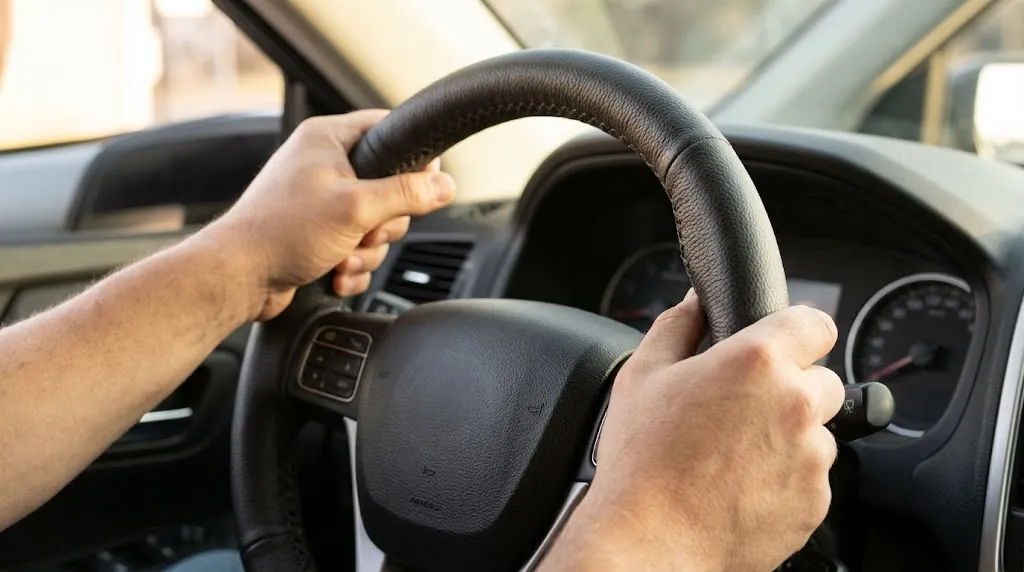
Drivers who prefer using a steering wheel cover for comfort, temperature protection, or to conceal a worn steering wheel rim can minimize safety risks by following strict selection and installation guidelines.
- Match the Exact Diameter: Measure your steering wheel diameter accurately and purchase a cover sized specifically for your vehicle rather than a generic “one-size-fits-all” model.
- Prioritize High-Friction Inner Linings: Look for covers featuring a natural rubber or textured silicone interior lining that locks firmly against factory steering wheels.
- Opt for Laced-On Designs: Hand-stitched or laced-on leather covers offer a permanent, tight fit that eliminates the shifting common with slip-on alternatives.
- Test for Stability Before Driving: After installation, attempt to twist the cover manually with significant force. If it rotates or moves on the rim, it is unsafe for road use.
- Inspect Regularly: Check the cover periodically for signs of material degradation, stretching, or loosening over time.
Related Product
Steering Wheel Cover Installation Tools and Laced Covers
Secure, tight-fitting steering wheel covers with non-slip interior linings provide reliable grip without dangerous rotational lag.
As an Amazon Associate, we earn from qualifying purchases.
Frequently Asked Questions
Do steering wheel covers cause steering lag?
A tight, properly installed steering wheel cover does not cause noticeable lag. However, loose slip-on covers can rotate independently by a fraction of an inch before engaging the steering mechanism, creating a dangerous delay during sudden driving maneuvers.
Can a thick steering wheel cover damage power steering components?
No. Steering wheel covers add minor surface thickness and weight that have no mechanical impact on the vehicle’s electronic power steering (EPS) sensors, hydraulic pumps, or steering racks.
Are leather steering wheel covers safer than rubber or fabric ones?
Genuine leather or microfiber covers generally offer superior grip and tactile feedback compared to cheap smooth plastics or overly plush fabric covers, provided they feature a high-friction backing to prevent slippage.
How can I tell if my steering wheel cover is too loose?
If you can rotate, slide, or twist the cover relative to the steering wheel rim using normal hand pressure while the car is parked, the cover is dangerously loose and must be replaced or tightened.
Do steering wheel covers interfere with vehicle airbags?
Standard steering wheel covers mount exclusively around the outer rim and do not cover the central horn pad or driver airbag module, meaning they do not block airbag deployment in a collision.
Is it better to use a laced-on steering wheel cover?
Yes. Laced-on covers offer superior safety because they are stitched tightly around the entire rim, completely eliminating the risk of sudden slippage or rotation that can happen with stretch-fit accessories.
Conclusion
While steering wheel covers provide useful comfort, temperature insulation, and aesthetic improvements, improper selection can introduce serious safety risks. A loose or poorly fitting cover can slip during emergency maneuvers and disrupt precise steering control. By choosing a tightly fitted, high-friction model designed specifically for your steering wheel dimensions, you can enjoy enhanced comfort without sacrificing safety and control on the road.

Daniel Brooks is an automotive writer and product researcher focused on car accessories, car tech, maintenance, and practical driving guides. At Plug-in Car World, he helps drivers make smarter automotive decisions through honest reviews and research-driven content.
