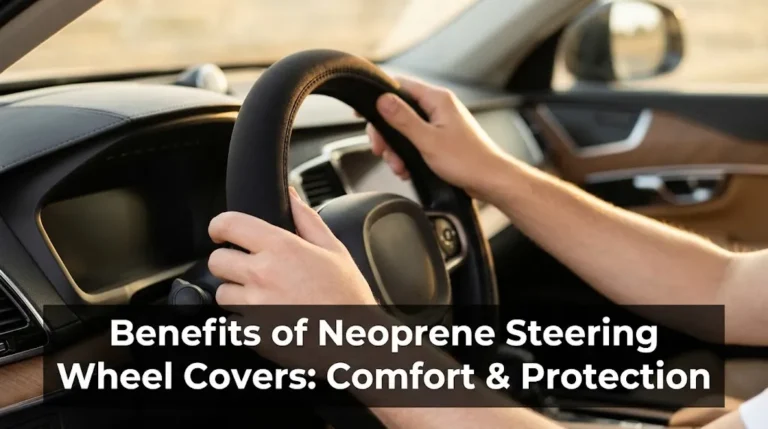
Benefits of Neoprene Steering Wheel Covers: Comfort & Protection
Quick Answer Neoprene steering wheel covers offer exceptional temperature insulation, preventing wheels from becoming scorching hot in summer or freezing…

Quick Answer Neoprene steering wheel covers offer exceptional temperature insulation, preventing wheels from becoming scorching hot in summer or freezing…
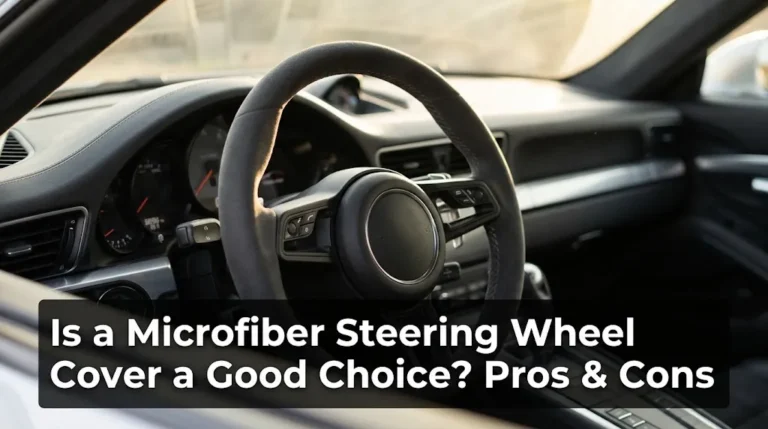
Quick Answer Yes, a microfiber steering wheel cover is generally a good choice for most drivers, offering an effective balance…
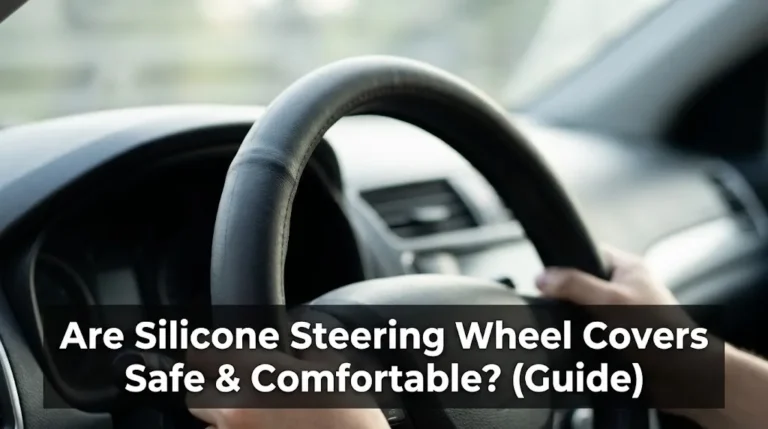
Quick Answer Yes, silicone steering wheel covers are generally safe and comfortable when properly sized and installed. They offer a…

Quick Answer Yes, suede steering wheel covers are good for everyday driving if you prioritize an enhanced grip, a luxurious…
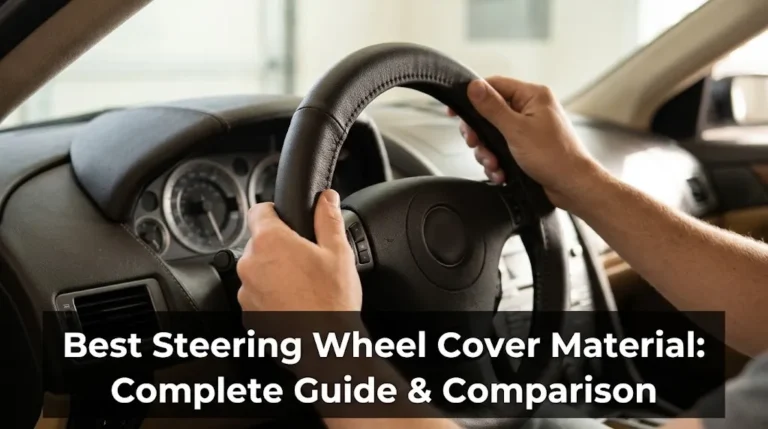
Quick Answer The best material for a steering wheel cover depends on your climate, driving habits, and personal preference, but…
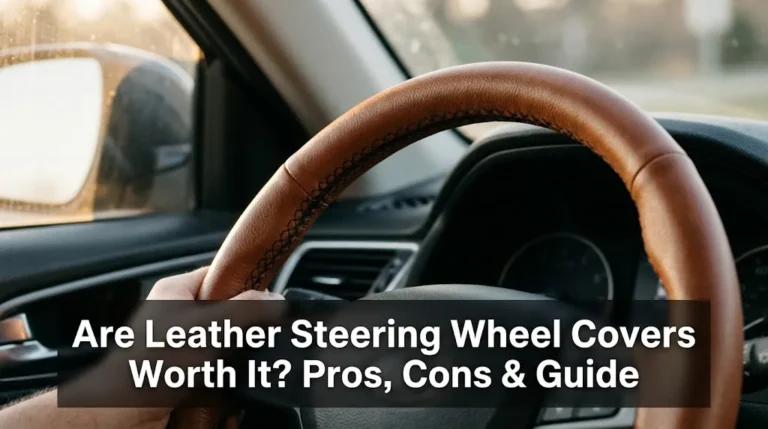
Quick Answer Yes, leather steering wheel covers are generally worth it if you want to improve grip comfort, protect your…

Quick Answer Yes, steering wheel covers are generally safe for new cars as long as they fit correctly, maintain a…
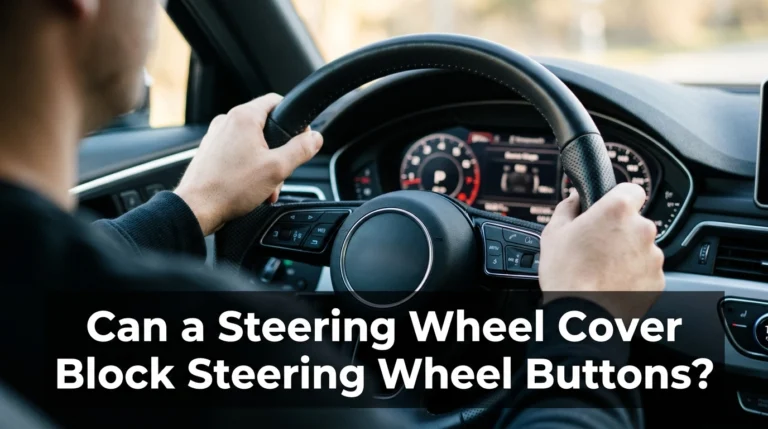
Quick Answer Yes, a steering wheel cover can partially block or interfere with steering wheel buttons if the cover’s inner…
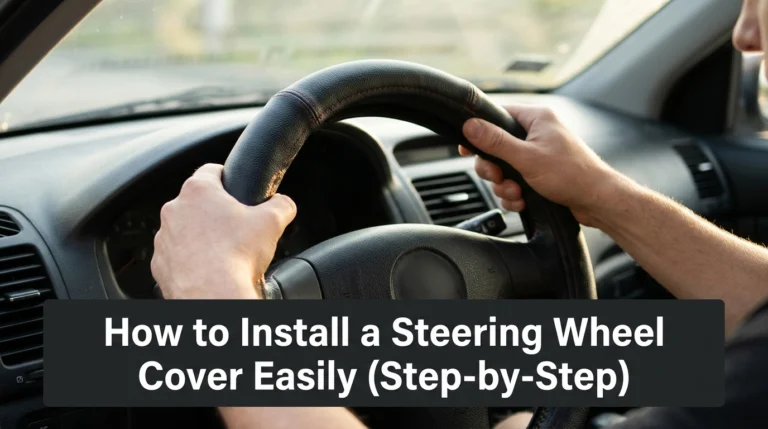
Quick Answer To install a steering wheel cover easily, warm the cover up in the sun or with a hairdryer…
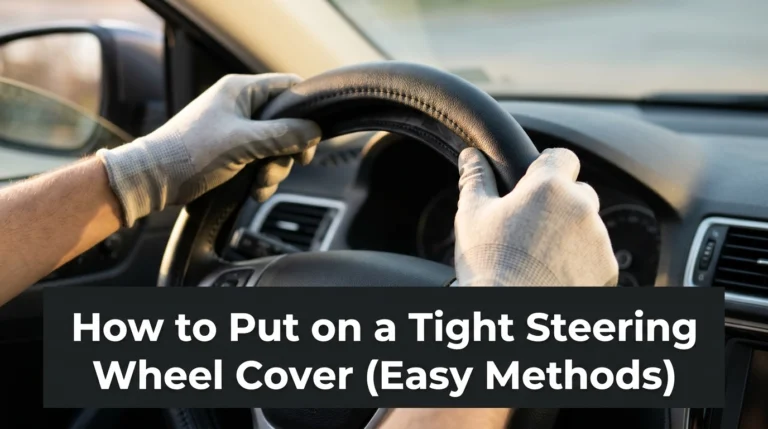
Quick Answer To put on a tight steering wheel cover, you need to soften the inner rubber or vinyl core…
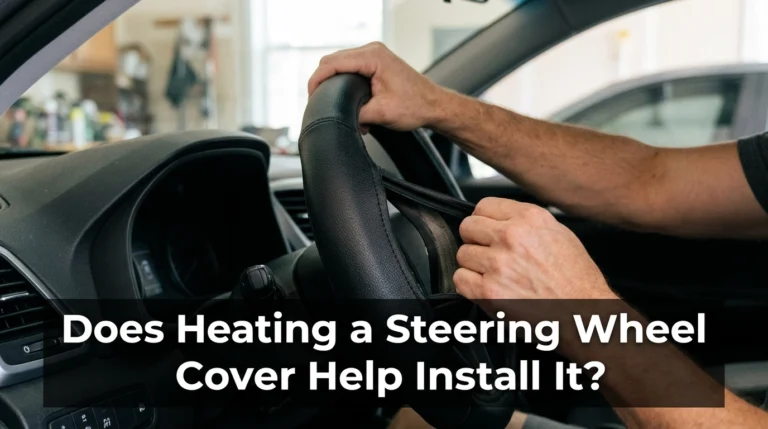
Quick Answer Yes. Gently warming a steering wheel cover can make installation easier by making the material more flexible and…
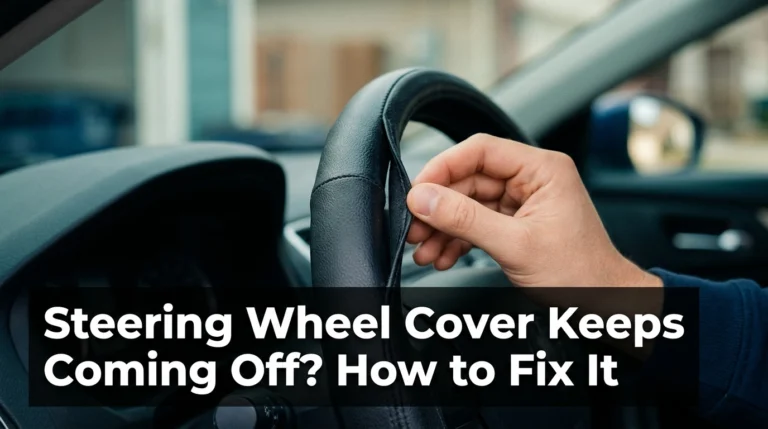
Quick Answer Your steering wheel cover keeps coming off most often because it is too large, does not match your…
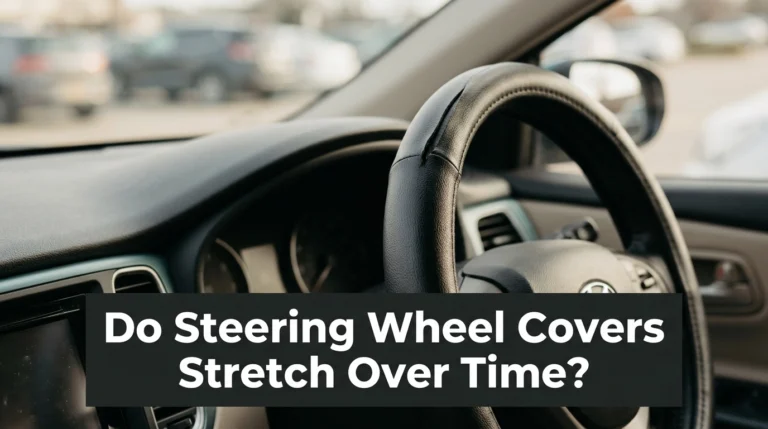
Quick Answer Yes, some steering wheel covers stretch or loosen over time, particularly flexible rubber, silicone, or elastic-lined designs. Heat,…
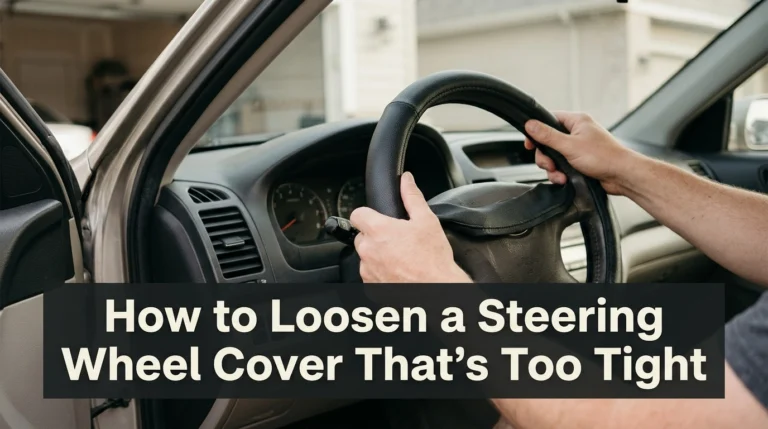
Quick Answer To loosen a steering wheel cover that is too tight, let it reach room temperature, gently warm it…
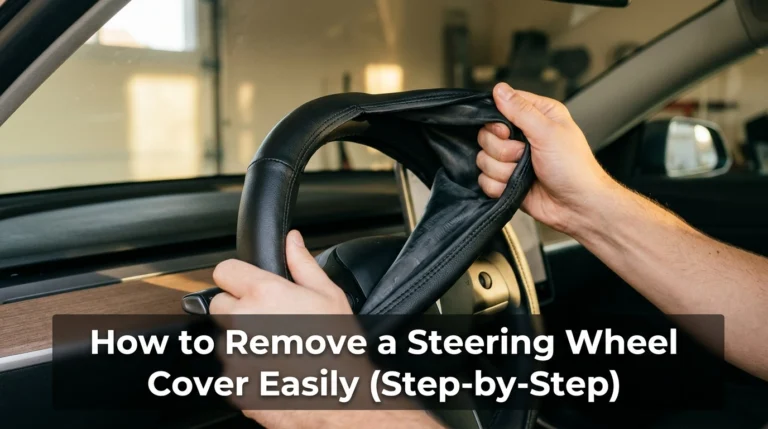
Quick Answer To remove a tight steering wheel cover easily, warm it up using a hair dryer or direct sunlight…