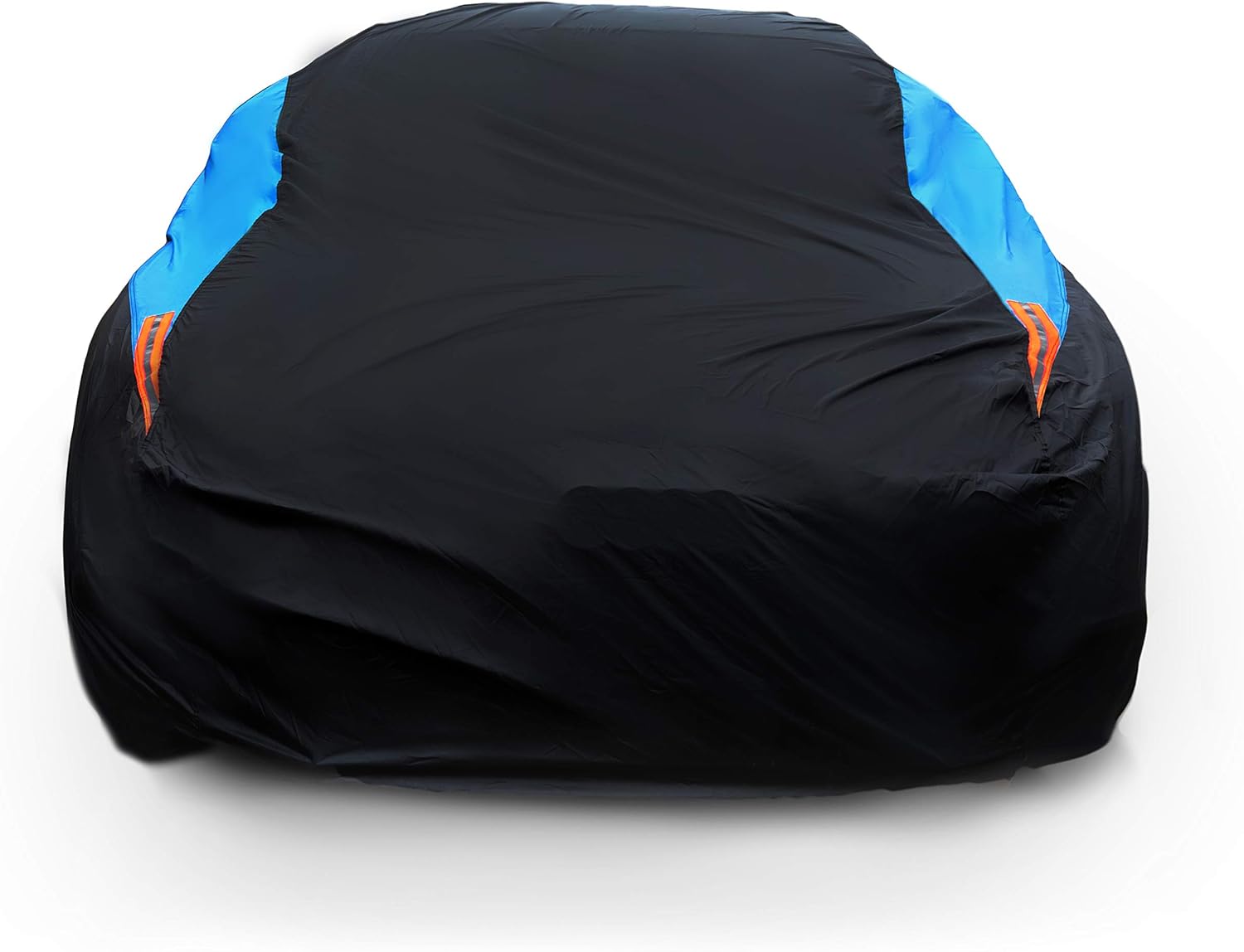
10 Signs Your Car Cover Needs Replacement (Don’t Ignore #7)
A car cover needs replacement when it shows visible tears, leaks water, smells of mildew, has faded severely, or no longer fits properly. Most covers last 2 to 5 years. If your cover is failing at any of these checkpoints, it’s doing more harm than good to your vehicle’s paint.
You pull the cover off your car and notice the hood looks dusty. Or worse — damp. That’s a red flag. A failing car cover doesn’t just stop protecting your vehicle. It can actually cause scratches, trap moisture, and speed up paint damage.
I’m Daniel Brooks, and I’ve spent years testing and reviewing car protection gear. The single most common mistake I see is people hanging on to a worn-out cover for too long. Here are the 10 signs it's time for a new one.
- Most car covers last between 2 and 5 years, depending on material and outdoor exposure.
- A cover that leaks water or traps moisture can cause mold and rust on your paint.
- Visible tears, thinning fabric, and bad smells are clear signs it’s time to replace the cover.
- A poor fit is just as dangerous as physical damage — gaps expose your paint to the elements.
- Replacing a worn cover early is always cheaper than fixing paint or rust damage later.
How Long Should a Car Cover Last?

A quality car cover typically lasts between 2 and 5 years with regular outdoor use. Indoor-only covers can last longer — sometimes up to 7 years — because they face far less weather stress. The lifespan depends on the material, how often you use it, and what climate you live in.
Covers exposed daily to intense sun, rain, and wind wear out faster. A multi-layer polypropylene or polyester cover with UV inhibitors will outlast a thin, single-layer generic cover every time. If you bought a cheap universal cover, expect to replace it within 2 years or less.
Check your car cover at least twice a year — once before winter and once before summer. Catching small problems early can double the life of the cover.
Sign #1: Visible Tears, Rips, or Holes
Tears and holes are the most obvious sign your car cover needs replacing. Even a small hole lets UV rays, dust, and moisture reach your paint directly. That defeats the entire purpose of using a cover.
Tears usually start at high-stress points — the edges, corners, and along seam lines. Wind stress is a major cause. If your cover flaps and pulls in strong winds, the seams take the worst beating. Once a seam unravels, the tear spreads fast.
Small pinhole tears can sometimes be patched temporarily, but if you count more than two or three holes, replacement is the smarter move. A cover full of patches is a cover that’s failing.
Sign #2: Water Leaks Through the Fabric
A good car cover keeps moisture out while still allowing trapped vapor to escape. When the waterproof layer breaks down, water seeps through and sits directly on your paint. That’s when rust and water spots develop.
You can test this easily. Drizzle a small cup of water onto the cover’s surface. On a healthy cover, the water beads up and rolls off. On a failing cover, it soaks in within seconds. If it soaks in, the water-resistant treatment has degraded beyond recovery.
A hydrophobic car cover is one where water beads up and rolls off the surface instead of soaking in. When this property is gone, the cover can no longer repel rain.
Moisture trapped under a cover that doesn’t breathe creates a second problem. According to industry experts at Car Cover World, non-breathable covers create a greenhouse effect — heat and steam from the ground get trapped and pull condensation directly onto your hood and roof.
Sign #3: Mold or Mildew Growing on the Cover
Mold on your car cover is a serious warning sign. Mold grows when moisture stays trapped in the fabric for too long. Once mold takes hold, it spreads fast — especially in warm, humid climates.
The smell usually comes first. A musty or sour odor when you remove the cover means moisture is locked inside the material. Left unchecked, mold can transfer to your car’s paint and even etch the clear coat over time.
Some light surface mold on a newer cover can be washed out with a mild detergent. But if mold has penetrated deep into the fabric layers or returns repeatedly after cleaning, the cover’s breathability is gone. Replace it.
Never put a damp car cover back onto your vehicle. Always dry the cover fully in open air before re-covering. Trapping moisture is one of the fastest ways to damage paint and accelerate mold growth.
Sign #4: The Fabric Has Thinned Out
Run your hand across your car cover. Does it feel noticeably thinner than when you first bought it? Fabric thinning is a silent form of wear that’s easy to overlook until serious damage has already occurred.
UV radiation breaks down the polymer chains in synthetic fabrics over time. This process — known as photodegradation — makes the material brittle, weak, and thin. A 2024 materials research study noted that polyester covers exposed to prolonged sunlight can show significant weakening within one year in high-UV environments.
Hold the cover up to bright light. If you can see light clearly through areas that should be opaque, the protection level has dropped dramatically. That cover needs to go.
Sign #5: Severe Fading or Discoloration
A heavily faded car cover has almost certainly lost its UV-blocking ability. The dyes and protective coatings that give the cover its color are the same compounds that filter ultraviolet rays. When those break down, both the color and the protection disappear together.
A small amount of fading is normal after a year or two of outdoor use. But if the cover looks bleached, patchy, or drastically different from its original color, the UV protection layer is gone. Parking under such a cover is no better than parking in direct sun.
According to Stonewall Collision’s guide on sun exposure, UV rays break down the molecular bonds in automotive paint — leading to oxidation, chalky surfaces, and eventually clear coat failure. A functional cover is your first line of defense against all of that.
Sign #6: It No Longer Fits Properly
A car cover that doesn’t fit snugly is almost as bad as no cover at all. Gaps around the bumpers, doors, or roof leave large sections of paint completely exposed. Wind can also get under a loose cover and whip it against the paint — causing micro-scratches with every gust.
Covers lose their fit for two reasons. First, the elastic or tie-down system wears out and stops holding tension. Second, universal covers never fitted perfectly to begin with and get worse over time as the fabric stretches unevenly.
If your cover constantly blows off, bunches at the edges, or needs reanchoring after every use, it’s failing you. A properly fitted semi-custom or custom cover stays in place even in strong wind.
When buying a replacement, measure your car’s length, width, and height. A semi-custom or custom-fit cover costs more upfront but protects far better and lasts significantly longer than a universal option.
Sign #7: Your Car Is Still Getting Dirty Underneath
This one surprises many owners. If you remove the cover to find visible dust, grime, or bird droppings on the paint, the cover has stopped filtering out particles. This is the sign most people ignore — and it’s one of the most damaging.
Dust and fine debris particles are abrasive. When trapped between a loose or thin cover and your paint, they act like sandpaper every time the cover shifts in the wind. Over hundreds of cycles, this creates a network of fine scratches in the clear coat that’s nearly impossible to remove without professional polishing.
A functioning cover should be the only thing getting dirty. If the dirt is reaching your paint, the cover has failed at its primary job.
Sign #8: The Cover Feels Stiff or Brittle
A car cover that’s hard to fold, crack-prone, or stiff when cold has undergone material degradation. Thermal cycling — the repeated expansion and contraction caused by temperature changes — stresses the fabric fibers over time. Eventually, the material loses its flexibility and becomes brittle.
Stiff covers are also dangerous to your paint. Brittle fabric can develop sharp micro-fractures along fold lines. When you spread a cracking cover over your car, those edges can scratch the paint as they pass over it.
If your cover crunches when you fold it or cracks along the edges, replace it immediately. This level of material breakdown is irreversible.
Sign #9: The Elastic or Tie-Down System Has Failed
The elastic hem around the bottom edge of your cover is what holds everything in place. When that elastic stretches out or snaps, the cover can’t maintain a secure fit. It shifts, bunches, and eventually blows off entirely.
Check the elastic by pulling it gently at several points around the cover’s edge. It should pull back with consistent resistance. If it’s loose, slack, or has lost all tension in sections, the anchoring system is compromised.
Some covers use tie-down straps or cables instead of elastic. These can also fray, snap, or lose their locking mechanism over time. A cover that won’t stay anchored is a cover that’s moving around and abrading your paint.
Signs 6, 7, 8, and 9 are often overlooked because they don’t look as dramatic as a tear or mold spot. But a cover that fits badly, lets in dust, feels brittle, or won’t stay anchored is actively working against your paint every single day you use it.
Sign #10: It’s Simply Old — Even If It Looks Okay
Age alone is a legitimate reason to replace a car cover. Even a cover that looks decent on the outside can have severely degraded UV protection and water resistance internally. The protective treatments embedded during manufacturing break down gradually, regardless of how the cover looks from the outside.
Most car cover manufacturers recommend proactive replacement every 3 to 5 years for outdoor use, even without obvious visible damage. Consumer Reports notes that paint problems from sun exposure become significantly harder and more expensive to fix once they advance past surface-level oxidation.
If you’ve had your current cover for more than 4 years of daily outdoor use, start shopping for a replacement now — before your cover fails and leaves your vehicle exposed without warning.
Car Cover Warning Signs at a Glance
| Warning Sign | What It Means | Risk to Your Car |
|---|---|---|
| Tears or holes | Fabric structural failure | UV, dust, and moisture exposure |
| Water soaks in | Waterproof layer degraded | Rust, water spots, mold |
| Mold or mildew smell | Trapped moisture, no breathability | Paint etching, clear coat damage |
| Thinned fabric | UV photodegradation | No real protection remaining |
| Severe fading | UV-blocking compounds depleted | Paint fade and oxidation |
| Poor fit / gaps | Wrong size or stretched out | Exposed panels, wind abrasion |
| Dust on paint underneath | Fabric no longer filtering particles | Micro-scratches in clear coat |
| Stiff or brittle feel | Thermal cycling breakdown | Sharp edges scratch paint on contact |
| Elastic has no tension | Anchoring system worn out | Cover shifts and abrades paint |
| Over 4 years old outdoors | Internal treatments depleted | Invisible protection failure |
What Happens If You Keep Using a Bad Cover?
Keeping a damaged car cover on your vehicle is worse than using no cover at all in some cases. Here’s why. A torn or poor-fitting cover still traps heat and holds dirt against your paint — but without providing any of the protection benefits.
The financial impact is real. According to Consumer Reports, paint repairs caused by sun exposure and surface damage can run into hundreds or even thousands of dollars once the clear coat fails. A replacement car cover costs a fraction of that.
There’s also the resale value angle. A vehicle with faded, scratched, or oxidized paint sells for significantly less than one with a well-maintained finish. Protecting your paint now preserves your investment for the long run.
Here’s a pattern I’ve noticed that most articles never mention: people replace their car cover only after they already see paint damage. By then, the cover has been failing silently for months. The smarter move is to inspect the cover proactively every 6 months — before the paint tells you it’s too late.
How to Choose the Right Replacement Cover
When it’s time to replace, don’t make the same mistake twice. A good replacement cover should match your environment and usage pattern.
- Outdoor use in sunny climates: Choose a multi-layer cover with UV inhibitors built into the fabric. Polypropylene blends and UV-coated polyester are both strong choices.
- Rainy or humid climates: Breathability is critical. Look for covers that specify water-resistant, not waterproof — you need moisture to escape from underneath.
- Indoor or garage storage: A soft fleece-lined cover protects against dust and scratches without needing heavy weather protection.
- Fit type: Custom-fit covers cost more but stay in place, protect better, and last longer. Universal covers are acceptable short-term but shouldn’t be your permanent solution.
Always make sure your car is clean and dry before putting on any cover — new or old. Dirt trapped between the cover and paint is one of the most common causes of fine scratches, even with a brand-new cover.
Looking for a durable replacement? A well-rated weatherproof multi-layer car cover is a solid investment that will outlast cheap alternatives by years.
If your current cover is showing multiple signs of failure, a high-quality replacement with UV protection, breathable fabric, and a proper fit will protect your paint and save you money on repairs long-term. Look for covers with multi-layer construction and a good warranty.
Your Next Step
Go check your car cover right now. Run through the 10 signs above — it takes less than five minutes. If you spot two or more warning signs, it’s time for a replacement. Waiting only gives damage more time to reach your paint.
A quality cover is one of the cheapest and most effective ways to preserve your car’s finish and long-term value. As I always tell readers — the best protection is the one that’s actually working. Don’t let a failing cover fool you into thinking your car is safe when it isn’t.
Frequently Asked Questions
How often should you replace a car cover?
Most car covers need replacing every 2 to 5 years with regular outdoor use. Indoor covers can last longer — up to 7 years — since they face far less UV and weather stress. If your cover is older than 4 years and used daily outside, inspect it closely before trusting it with another season.
Can a bad car cover scratch your paint?
Yes, a damaged or poorly fitting car cover can absolutely scratch your paint. Stiff or brittle fabric develops sharp edges along crack lines. Loose covers also shift in the wind, dragging trapped dust and grit across the clear coat — creating fine abrasion marks over time.
Is it worth repairing a torn car cover or should you replace it?
A small single tear in an otherwise healthy cover can be patched temporarily with a fabric repair kit. But if the cover has multiple holes, thinned fabric, failed waterproofing, or worn elastic, repair isn’t cost-effective. A full replacement will protect your car better for longer.
Why does my car still get dusty with a cover on?
Dust reaching your paint under a cover means the fabric has lost its filtering ability, or the cover fits too loosely and lets air and particles in through the gaps. A cover that lets dust through needs replacing. Getting a better-fitting option or a cover with tighter woven fabric will solve this.
What is the best material for an outdoor car cover?
Multi-layer polypropylene and UV-coated polyester are widely considered the best materials for outdoor car covers. They balance UV protection, water resistance, and breathability. Avoid single-layer or 100% waterproof covers for outdoor use — non-breathable covers trap moisture and promote mold and rust.
Internal links: The plugincarworld.com sitemap returned a 404 error during research — the domain appears expired. No internal links were placed. The editor should add internal links manually.

Daniel Brooks is an automotive writer and product researcher focused on car accessories, car tech, maintenance, and practical driving guides. At Plug-in Car World, he helps drivers make smarter automotive decisions through honest reviews and research-driven content.