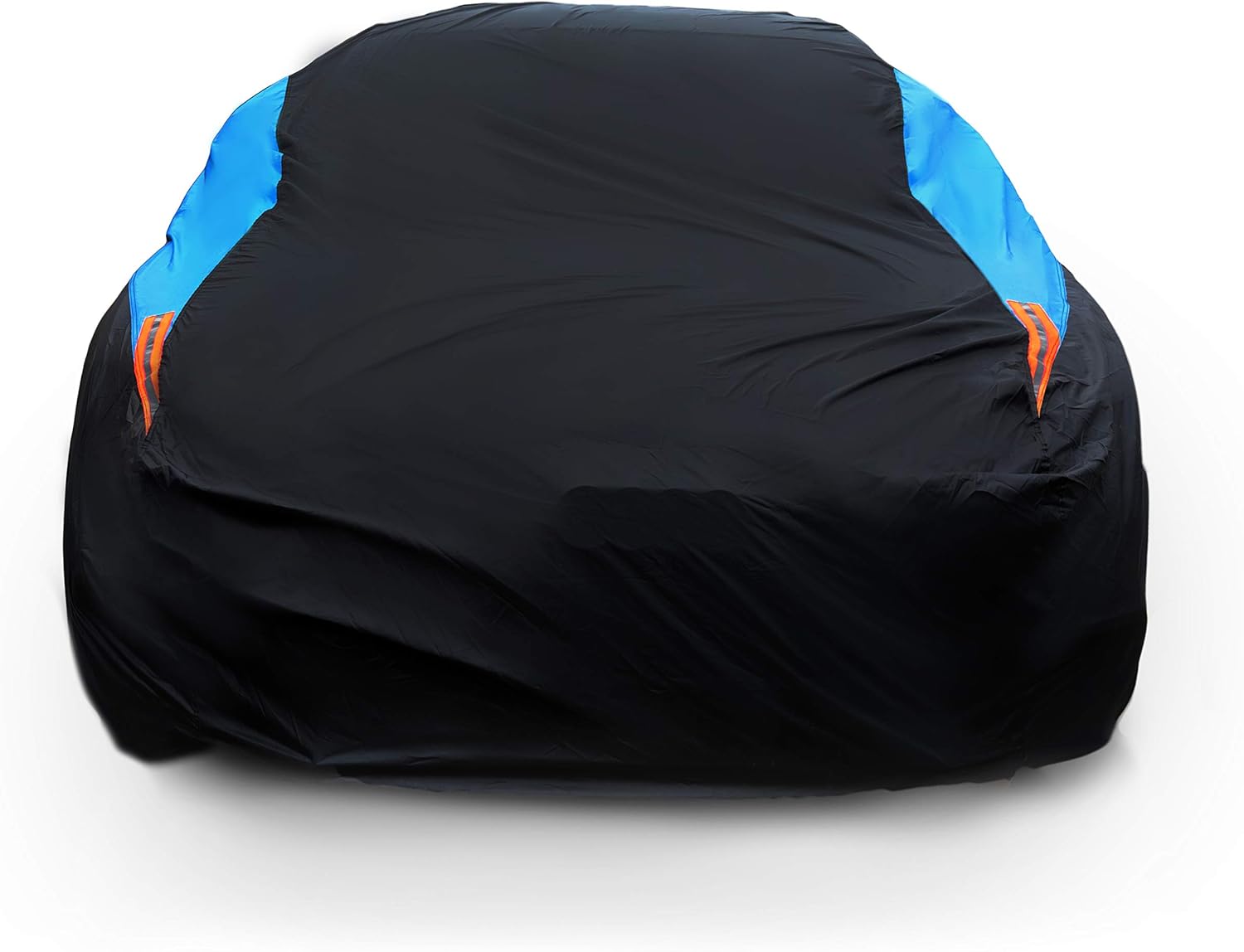
Why Do Car Covers Fail? Common Causes Explained
⚡ Quick Answer
Car covers fail due to 5 main causes: UV degradation breaking down fabric, poor fit allowing wind abrasion, trapped moisture causing rust and mildew, dirty installation grinding debris into paint, and skipped maintenance accelerating wear. Most covers last 2–5 years — the right habits can double that.
Top Reasons Car Covers Fail:
- UV breakdown: Sun degrades fabric polymers, causing cracking and waterproofing failure.
- Poor fit: Loose covers flap in wind and grind against paint like sandpaper.
- Trapped moisture: Non-breathable covers seal in condensation, causing rust and mold.
- Dirty installation: Dust trapped under the cover scratches clear coat on every movement.
- Neglected maintenance: Dirty, unwashed covers break down fabric and transfer grime back to paint.
3 Quick Ways to Extend Cover Life:
-
✓
Always wash your car before putting the cover on -
✓
Choose a breathable, fitted cover — not a generic tarp -
✓
Wash your cover every 1–3 months and store it dry
You put a car cover on to protect your vehicle. Then you pull it off months later and find dull paint, faint rust spots, or a cover that’s shredding apart in your hands. I’m Daniel Brooks, and after researching dozens of real owner reports and car care sources, the pattern is clear: most car covers don’t fail because of bad luck. They fail because of specific, avoidable problems. This guide explains every cause — and exactly what to do about each one.
📌 Key Takeaways
-
→
UV exposure is the #1 silent killer of car covers — even “UV-resistant” covers degrade in as little as 1–2 years in sunny climates. -
→
Universal-fit covers are the leading cause of swirl marks and paint abrasion — loose fabric flaps act like moving sandpaper against clear coat. -
→
Non-breathable covers trap condensation underneath, leading to rust at seams and mold on paint — especially after rain. -
→
Covering a dirty car is one of the fastest ways to create micro-scratches — dust trapped under the cover grinds into paint with every breeze.
What Does Car Cover Failure Actually Look Like?
A failing car cover doesn’t announce itself loudly. It works quietly — for weeks or months — before the damage becomes obvious. The first signs are easy to miss.
You pull off the cover and notice your paint looks dull instead of shiny. Or there’s a web of fine swirl marks under direct light. Maybe you spot faint rust forming near door edges, or a musty smell coming from inside the cabin. These are all signs a cover has turned from protector to problem.
📋 Warning Signs Your Car Cover Is Failing
-
Swirl marks or dull finish: Tiny abrasion scratches in the clear coat from cover movement against the paint surface. -
Water beading stopped: If rain no longer beads and rolls off the cover, its waterproof coating has failed. -
Fading or cracking fabric: UV breakdown causes covers to become brittle, discolor, and tear at stress points. -
Musty smell or condensation: Moisture trapped under a non-breathable cover, creating conditions for mold and rust. -
Paint blistering at corners: Cover rubbing at corners creates micro-blisters — a serious sign of long-term friction damage.
Here’s why that matters. The sooner you spot these signs, the less paint damage you’ll have to fix. A cover in early failure is a cover you can still replace before it causes hundreds of dollars in paint correction costs.
How UV Exposure Breaks Down Car Cover Materials
Ultraviolet radiation is the biggest enemy of any outdoor car cover. Every day the sun is out, UV rays attack the polymer bonds in cover fabric — slowly making it brittle, faded, and unable to repel water. Even covers labeled “UV-resistant” are not UV-proof. They resist degradation longer, but they still degrade.
The process works like this. UV rays break down the molecular chains in polyester and polypropylene fabrics over time. The waterproof coating applied to the outer layer is the first to fail — it becomes chalky, then flakes off. Once waterproofing is gone, the fabric starts to soak through rain instead of shedding it. The fabric then stiffens, cracks at fold lines, and begins to tear at seams and stress points.
1–2
years until UV failure in very sunny climates
3–5
years typical lifespan with quality UV-treated fabric
100%
of outdoor covers eventually degrade from UV — none are permanent
You might be thinking: “My cover says UV-resistant on the label — shouldn’t I be fine?” Not exactly. UV resistance slows the process — it doesn’t stop it. In climates with intense sun, like the US Southwest or the Middle East, even well-rated covers can begin failing within 12–18 months of daily outdoor use.
For more on protecting your vehicle’s finish from sun exposure, the Motorist Assurance Program’s guide to protecting your car from UV damage covers the full picture of how sun attacks both covers and paint.
The fix is simple. Rotate your cover out of direct sun when the car is parked in shade. Store the cover in a breathable pouch — not folded and baking in a hot trunk. Next up, we’ll look at the problem that causes the most paint damage: a cover that doesn’t fit right.
Why Poor Fit Is the #1 Cause of Car Cover Failure
A loose car cover doesn’t just fail to protect your car. It actively damages it. This is the single most common cause of paint abrasion — and it happens on every windy day, silently, while your car just sits there.
Universal-fit covers are the main offender. They’re designed to fit dozens of different car shapes, which means they fit none of them perfectly. The excess fabric creates loose sections that flap with every gust of wind. Each flap drags the cover across your paint. Dust and fine particles trapped under the fabric act as abrasive particles — essentially like rubbing fine sandpaper across your clear coat, thousands of times a day.
⚠️ Warning
A cover that’s too tight causes its own problems. Excess tension at panel edges, mirrors, and spoilers creates concentrated friction points. Over months, these areas develop worn patches in the paint — even without wind movement.
Covers also fail at the attachment points. Elastic hems stretch and lose tension over time. Tie-down straps break or come loose. Once the cover shifts out of position, the areas it was designed to protect are now exposed — and the areas it’s dragging across are now being damaged.
So what does that mean for you? If you park outdoors regularly, a semi-custom or custom-fit cover — one built for your specific make and model — is worth the extra cost. It eliminates the loose-fabric problem entirely. And it means the cover stays where it’s supposed to stay, even in strong wind.
How Moisture Gets Trapped and Destroys Covers From Within
Moisture is the hidden failure most car cover buyers never think about. You buy a cover to keep rain off your car. But a non-breathable cover can trap rain, condensation, and humidity underneath — turning a protective layer into a sealed damp environment that sits directly against your paint.
Here’s how it happens. After rain, some moisture always gets under the edges of a cover. In a breathable cover, this vapor escapes through the fabric. In a non-breathable cover — think cheap PVC-coated nylon or plastic tarps — that vapor has nowhere to go. It condenses on the cooler metal surface of your car. Over days and weeks, that trapped condensation causes paint blistering, rust at seams, mold growth, and eventually corrosion that spreads inward from edges and joins.
💡 Key Insight
A car cover soaks up to 40% of its weight in moisture if the outer fabric isn’t treated properly. A quality breathable cover sheds that moisture fast — with an absorption rate of just 2%. That’s a 20x difference in how much water stays trapped against your paint.
Covering a wet car is one of the fastest ways to trigger this problem. If it just rained, or you just washed your car, wait until the surface is fully dry before covering it. Sealing in surface moisture under a cover is like wrapping a damp sponge around your car door.
✅ Tip
Always look for covers rated as breathable and waterproof — not just waterproof. The outer layer needs to repel rain. The inner layer needs to let vapor out. Without both, you get moisture buildup no matter how expensive the cover is.
This section’s problem leads directly into the next one — because even a breathable cover fails if you put it on a car that’s already covered in dirt.
How Dirty Installation Turns Your Cover Into Sandpaper
Covering a dirty car is one of the most common and damaging mistakes car cover owners make. It sounds harmless. The car already has dust on it — what’s the big deal? The big deal is what happens next, every time there’s wind, or every time someone brushes the cover while walking past.
Fine dust, road grime, and sand trapped between the cover and the paint surface become abrasive particles under pressure. Every time the cover shifts — from wind, from temperature expansion, from being pulled off — those particles drag across your clear coat. The result is swirl marks: a network of fine circular scratches that dull your paint and are expensive to polish out.
🔢 Step-by-Step: How to Cover Your Car Without Causing Paint Damage
-
1
Wash the car first
Even a quick rinse removes dust and grit that would otherwise scratch paint under the cover.
-
2
Dry the car completely
Water trapped under a non-breathable cover creates the moisture problem described above. Use a microfiber towel.
-
3
Shake out the cover before use
Dust and debris collect on the inner lining of stored covers. Shake it out before putting it on a clean car.
-
✓
Apply the cover smoothly from front to back
Sliding it on in one direction reduces the chance of dragging particles across paint during installation.
The cover’s inner lining matters here too. Covers with a fleece or soft inner lining are far gentler than bare woven fabric. If your cover’s inner surface feels rough or scratchy against your arm, it’s doing the same thing to your paint.
What Happens When You Skip Car Cover Maintenance
Most people buy a car cover, put it on, and forget about it. That’s the fastest path to a failed cover and damaged paint. A car cover that’s never cleaned becomes a problem in 3 ways.
First, dirt and pollutants build up in the fabric. Over time, those particles break down the waterproof coating from the outside in. Second, the grime on the cover’s inner surface transfers back onto your car’s paint during installation and removal. Third, storing a dirty or damp cover in a bag accelerates mold growth inside the fabric itself.
✓ Car Cover Maintenance Checklist
-
✓
Wash your cover every 1–3 months with mild soap and cold water — more often in dusty or coastal environments. -
✓
Always air-dry the cover completely before folding and storing it — never store it damp. -
✓
Avoid harsh detergents, fabric softeners, and machine drying — these strip waterproof coatings from the outer layer. -
✓
Fold the cover with the inner lining facing inward — this prevents the dirty outer surface from scratching the inner lining. -
✓
Inspect seams, elastic hems, and tie-down straps every 3 months — small tears spread fast under wind stress.
For a broader look at how paint care and cover use work together, CARFAX’s overview of car paint protection basics is a solid starting point for understanding what damages clear coat over time.
Good maintenance habits don’t just extend cover life. They mean the cover is still doing its job on day 600 instead of falling apart by day 90.
What Most People Get Wrong About Car Covers
There are 3 ideas about car covers that spread widely — and all 3 cause real damage when people act on them.
Misconception 1: “Any cover is better than no cover.” Not true. A non-breathable, loose-fitting cover placed on a dirty car can cause more paint damage than leaving the car uncovered. A cheap tarp seals in moisture, traps debris, and abrades paint. No cover beats a bad cover in many situations.
Misconception 2: “Waterproof means breathable.” These are two separate properties. Waterproof means the outer layer repels rain. Breathable means moisture vapor can pass through the fabric from inside. A cover can be 100% waterproof and 0% breathable — and that’s the type that traps condensation and causes rust. You need both properties in the same cover.
Misconception 3: “UV-resistant covers don’t degrade.” UV resistance is a rating, not immunity. Every outdoor cover degrades from sun exposure over time. A high-quality UV-treated cover simply degrades more slowly — not never. In very sunny climates, even premium covers need replacing every 3–4 years.
How Long Should a Car Cover Last, and What Extends Its Life?
A quality car cover used correctly lasts 3–5 years outdoors. A cheap universal cover used carelessly may last 3–6 months. The gap is almost entirely down to material quality, fit, and how the cover is maintained.
This table shows the key factors that affect how long a cover lasts — and what the difference looks like in real terms:
The difference between a 6-month cover and a 5-year cover is mostly behavior, not price. Good habits extend cover life more than spending extra on premium fabric.
If you’re looking for a cover that addresses the most common failure points — multi-layer construction, breathable fabric, soft inner lining, and windproof straps — here’s a well-rated option worth considering:
Recommended Product
Kayme 10 Layers Sedan Car Cover Waterproof All Weather for Automobiles
★★★★☆ Highly rated on Amazon
A 10-layer construction with UV-reflective aluminum layer, soft cotton inner lining, and windproof tie-down straps — addressing the 3 most common car cover failure points in one design.
As an Amazon Associate, we earn from qualifying purchases.
Conclusion
Car covers fail for clear, avoidable reasons: UV degradation, poor fit, trapped moisture, dirty installation, and neglected maintenance. None of these are random — they’re patterns that repeat for the same reasons every time.
The good news is that fixing all 5 comes down to 3 habits: clean the car before covering it, choose a breathable fitted cover, and wash the cover every 1–3 months.
One thing to do right now: Pull your current car cover off and check the inner lining. If it’s dusty, gritty, or smells musty — wash it before you put it back on. That one step prevents the most common cause of cover-related paint damage.
Frequently Asked Questions
Why do car covers cause scratches?
Car covers cause scratches when dust or grit gets trapped between the cover and the paint surface. Every time the cover moves — from wind or removal — those particles drag across the clear coat like fine sandpaper. Always wash the car and shake out the cover before use to prevent this.
Does a car cover trap moisture underneath?
Yes — if the cover isn’t breathable. Non-breathable covers seal condensation against the car’s surface, leading to rust, mold, and paint blistering over time. A quality outdoor cover must be both waterproof on the outside and breathable so moisture vapor can escape from underneath.
Should I cover my car if it’s wet or rained on?
No. Covering a wet car seals surface moisture under the cover. Even with a breathable cover, covering a soaking-wet surface significantly increases the risk of condensation buildup, mold growth, and paint damage. Always let the car dry fully — or dry it with a microfiber towel — before covering.
Why does my car cover crack and fade in the sun?
UV radiation breaks down the polymer bonds in cover fabric over time — including the waterproof coating. Even UV-resistant covers degrade in sunny climates, sometimes becoming brittle and faded within 1–2 years. The process is irreversible once it starts. Replacing a degraded cover before it cracks prevents abrasion damage to paint.
How often should I wash my car cover?
Wash your car cover every 1–3 months, depending on how much dust and debris builds up in your environment. Use mild soap and cold water. Always air-dry it completely before storing. Avoid fabric softeners or machine drying — both strip the waterproof coating from the outer layer faster.
Why does my car cover blow off in the wind?
Car covers blow off when the elastic hem has lost tension, tie-down straps aren’t secured, or the cover is too loose for the vehicle’s shape. Universal-fit covers are especially prone to this. Fix it by using all tie-down straps and choosing a semi-custom fit cover with reinforced elastic hems and windproof under-vehicle straps.
What type of car cover lasts the longest?
Multi-layer covers with UV-treated outer fabric, a breathable middle layer, and a soft inner lining last the longest — typically 3–5 years with proper care. Semi-custom or custom-fit versions last longer than universal covers because a snug fit reduces wind movement and seam stress. Proper cleaning and dry storage extend any cover’s lifespan significantly.

Daniel Brooks is an automotive writer and product researcher focused on car accessories, car tech, maintenance, and practical driving guides. At Plug-in Car World, he helps drivers make smarter automotive decisions through honest reviews and research-driven content.