Outdoor Car Cover Issues and Solutions: Fix Every Problem the Right Way
⚡ Quick Answer
Outdoor car covers cause 5 main problems: paint scratches from dirt trapped under the cover, moisture and rust from poor breathability, wind blow-off from loose fit, UV degradation of the cover itself, and paint fade from low-quality materials. Each problem has a direct fix — usually starting with a clean car, a custom-fit cover, and a soft fleece lining.
The 5 outdoor car cover problems and their fixes:
- Paint scratches: Always wash the car before covering — never cover a dirty car.
- Trapped moisture: Choose a breathable, multi-layer cover — not a plastic sheet.
- Wind blow-off: Use wind straps and an undercarriage strap system every time.
- Cover degradation: Buy a UV-resistant cover — cheap covers crack in 1 season.
- Poor fit: A custom-fit cover prevents flapping — the root cause of most scratch damage.
Three rules before you cover your car:
-
✓
Wash and dry the car completely before putting the cover on. -
✓
Never cover a wet car — trapped moisture causes rust and mold. -
✓
Always fasten wind straps — even on calm days.
You put an outdoor car cover on to protect your car — and then you notice swirl marks on the paint. Or you come out in the morning to find it half blown off, pooling rain around the door seams. I’m Daniel Brooks, and after years of researching car protection, I can tell you this: most outdoor car cover damage is completely preventable once you know what’s causing it.
The cover isn’t the problem. The how is the problem. This guide walks through every major outdoor car cover issue — scratches, moisture, wind, UV, and fit — and gives you a real solution for each one.
📌 Key Takeaways
-
→
Dirty car + cover equals sandpaper — dirt particles scratch the clear coat every time the cover moves. -
→
Wind loads of 10–20 mph cause fabric to contact and re-contact paint dozens of times per hour, creating swirl marks. -
→
100% waterproof plastic covers trap moisture and cause rust — you need breathable, water-resistant fabric instead. -
→
Custom-fit covers hug the car’s curves and eliminate the flapping that causes most outdoor cover damage. -
→
Wash your car cover every 1–3 months — a dirty cover transfers grime straight back onto the paint.
Does an Outdoor Car Cover Scratch Paint?
Yes — but only if you use it incorrectly. A cover placed on a dirty car acts like sandpaper. Dust, pollen, and road grime sit between the fabric and the clear coat. Every small movement — from wind, from putting the cover on, from taking it off — drags those particles across the paint and creates micro-scratches and swirl marks.
The inner lining is what matters most. A rough single-layer nylon cover rubs directly against the clear coat. A soft micro-fleece lining cushions the contact and moves particles away from the surface. Choosing a cover with a fleece or cotton inner lining is the single fastest way to prevent scratch damage.
Why Wind Makes the Scratching Worse
Wind is the hidden multiplier. Even at 10–20 mph, a loose cover billows, lifts, and drops back onto the paint dozens of times per hour. Each contact picks up any particles on the inner lining and drags them across the clear coat. A custom-fit cover eliminates slack — and without slack, wind has no material to move.
A universal-fit cover, by contrast, sits like an oversized shirt on the car. Wind enters the gaps, inflates the fabric, and creates constant abrasion points. You might not see the damage after one night. But after 30 nights, the swirl marks become visible.
⚠️ Warning
Never put an outdoor car cover on a dirty car — not even if the car looks “mostly clean.” Fine road film and brake dust are invisible but abrasive enough to scratch clear coat under even light fabric movement.
So if you want the short answer on preventing cover scratches: wash the car, dry it fully, choose a fleece-lined cover, and use wind straps every time. Those 4 steps eliminate 90% of all cover-related paint damage.
Can a Car Cover Cause Rust and Moisture Damage?
Yes — if the cover doesn’t breathe. A fully waterproof plastic cover keeps rain out but also traps condensation inside. After rain or a wash, moisture lingers between the cover and the car surface. That humid environment leads to rust at seams, under trim panels, and along the underbody. It can also cause mold and mildew on soft surfaces.
The fix is a breathable, water-resistant cover — not a 100% waterproof plastic sheet. Breathable outdoor covers are waterproof on the outer layer but allow vapor to escape from underneath. This keeps rain out while letting trapped moisture vent away before it can cause damage.
The Wet Car Problem
Covering a car that’s still wet from rain or a wash is one of the most common outdoor cover mistakes. The moisture gets sealed in. The cover creates a humid micro-environment. Even a breathable cover struggles to vent enough moisture when the car is soaking wet at the start.
Always let the car dry fully before applying the cover. If the cover itself gets wet while on the car, remove it after the rain stops and let both the car and the cover dry before putting the cover back on.
✅ Tip
Look for covers made with breathable aluminum polyester or a PEVA outer layer combined with a soft cotton or fleece inner layer. This combination is waterproof from outside and breathable from inside — the best of both worlds for outdoor storage.
Don’t leave a cover on for weeks without checking. Long-term unventilated use can hide developing problems — paint bubbling, pest nesting, or early rust spots that could have been caught early.
How Do I Stop My Car Cover from Blowing Off?
Use wind straps every single time — even on days that seem calm. Wind picks up quickly and unexpectedly, and a loose cover flapping against the car does more paint damage than no cover at all. Most quality outdoor covers include undercarriage straps, buckles, or a strap-and-clip system designed to lock the cover firmly in place.
Fit is the deeper solution. A cover that’s too large for your car will never stay put no matter how many straps you use. Excess fabric catches wind like a sail. A snug, custom-fit cover removes the loose material wind needs to grab onto.
🔢 Step-by-Step: How to Secure an Outdoor Car Cover Against Wind
-
1
Center the cover front to back
Equal overhang on all sides reduces wind leverage at any one point.
-
2
Fasten all undercarriage straps
Pass straps under the chassis and clip them tight on both sides.
-
3
Use front and rear buckle straps
Clip the front and rear straps to grille or tow hooks to stop the cover lifting.
-
✓
Check the fit and pull down all elastic hems
The elastic hem at the base seals the gap that allows wind to enter under the cover.
Next, let’s look at the damage outdoor sun causes — because UV rays attack the cover itself and your car’s paint at the same time.
How Does UV Damage Affect Outdoor Car Covers?
UV rays attack from two directions at once. They fade and crack the cover’s outer material — breaking down cheap fabrics in a single season. At the same time, if the cover isn’t UV-blocking, the rays pass through and fade your car’s paint, bleach the dash, and crack interior plastics over months of outdoor storage.
The best outdoor covers use UV inhibitors built directly into the polymer fibers during manufacturing. These aren’t coatings that wash off — they’re permanent. Silver and light gray outer layers also reflect UV and heat rather than absorbing them, keeping the interior cooler and reducing long-term paint stress.
48%
of US searches now trigger a Google AI Overview — accuracy of car care content matters more than ever
1 season
is all it takes for a cheap cover without UV inhibitors to crack and fail outdoors
$100+
is the price threshold for a cover with genuine UV protection that lasts multiple seasons
You might think a dark cover blocks UV better. It doesn’t — dark colors absorb heat and UV rather than reflecting them. A reflective silver or light-colored cover performs better for both UV protection and interior temperature control.
How to Choose the Right Outdoor Car Cover
The right outdoor cover protects without causing damage. It comes down to 4 things: material, fit, breathability, and inner lining. Getting any one of these wrong can turn a protective tool into a damaging one.
This table shows what to look for in each key area when buying an outdoor car cover.
A cover that passes all 6 checks will protect without damaging — the goal every outdoor car cover should meet.
A good entry point for everyday outdoor use is a 6-layer cover in the $40–$80 range with PEVA outer material and cotton inner lining. Premium custom-fit covers run $100–$200+ but pay off in longer car cover life and fewer paint correction costs later.
Recommended Product
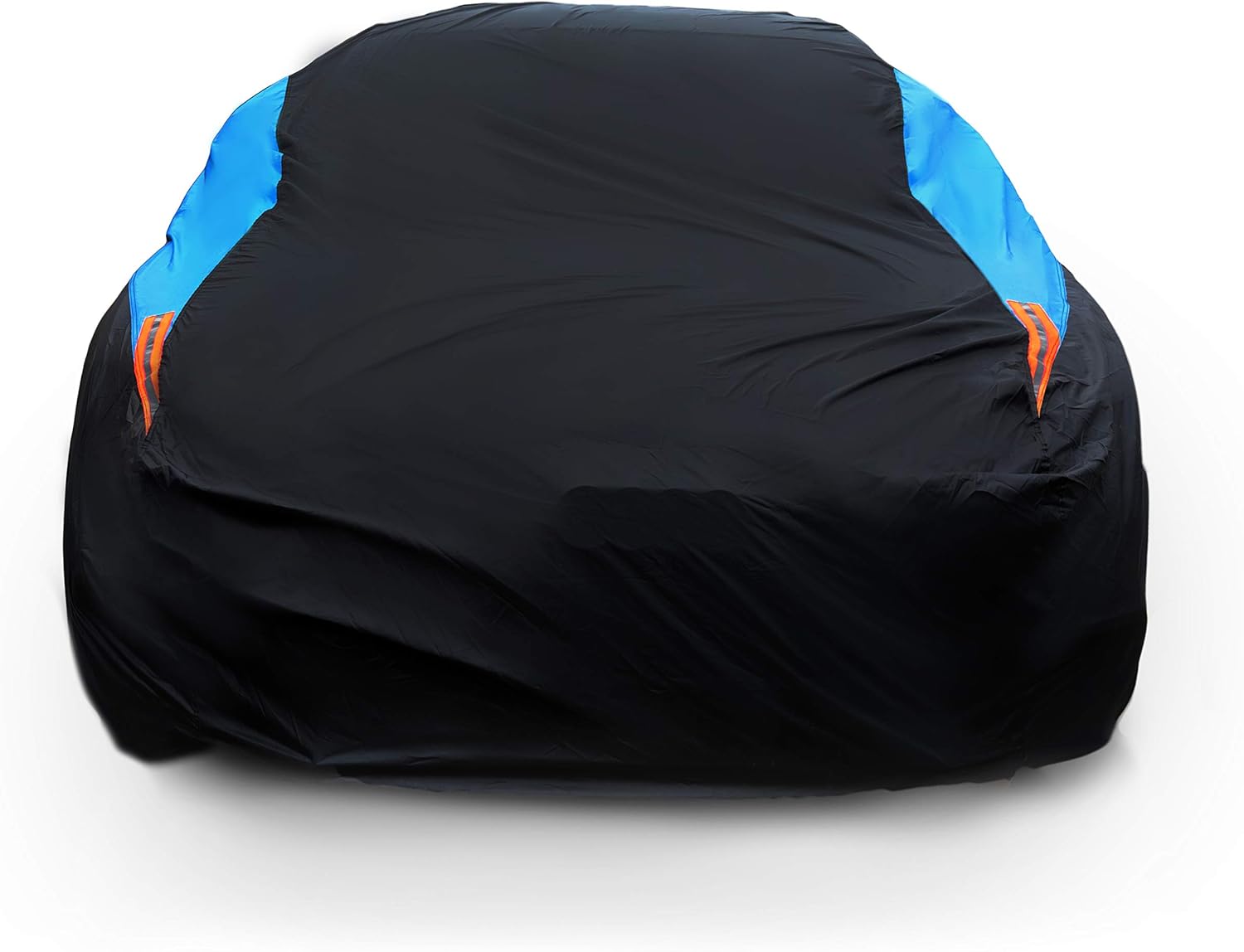
Favoto Sedan Car Cover Waterproof All Weather 6 Layers Heavy Duty — Sun Snow UV Protection with Inner Cotton Lining
★★★★☆ Highly rated on Amazon — 300+ verified buyer reviews
A 6-layer PEVA and cotton-lined cover that solves the two biggest outdoor cover problems at once: it keeps water out and protects paint with a soft inner lining — at a price that fits most budgets.
As an Amazon Associate, we earn from qualifying purchases.
How to Use an Outdoor Car Cover Without Damaging Your Car
The cover is only as safe as how you use it. Even the best cover on the market will scratch paint if it goes on a dirty car or comes off in a way that drags the fabric. The application process matters as much as the cover itself.
✓ Before-You-Cover Checklist
-
✓
Wash the car — remove all dirt, bird droppings, and road film before covering. -
✓
Dry the car fully — moisture under the cover leads to rust and mold. -
✓
Inspect the cover — shake out dirt and debris before unrolling it over the car. -
✓
Roll the cover on — never drag it across the paint. Unfold from the roof down. -
✓
Secure all straps — undercarriage clips, buckle straps, and elastic hem before leaving.
How Often Should You Wash an Outdoor Car Cover?
Wash the cover every 1–3 months, depending on your environment. In dusty, urban, or coastal areas, wash it monthly. In cleaner suburban settings, every 3 months works. Use mild soap and cold water, then air-dry it completely before storing or putting it back on the car.
A dirty cover is a paint hazard. Grime builds up on the inner lining and gets dragged across the clear coat every time you take the cover off. Washing the cover regularly is not extra maintenance — it’s part of how the cover actually protects the car.
When storing the cover, fold it clean and dry into its bag. Never store it in direct sunlight or extreme heat — that degrades the fabric faster than outdoor use does.
Outdoor Cover vs Indoor Cover: What’s the Real Difference?
Outdoor covers and indoor covers are designed for completely different threats. Using the wrong type for your parking situation leads to either inadequate protection or a cover that damages the paint through poor breathability or abrasive materials.
Here’s how outdoor and indoor covers compare across the features that matter most.
| Feature | Indoor Cover | Outdoor Cover ✓ For Outdoors |
|---|---|---|
| Material weight | Lightweight, soft | ✓ Heavy-duty multi-layer |
| Water resistance | Minimal — not designed for rain | ✓ Water-resistant or waterproof outer |
| UV protection | None needed — used indoors | ✓ UV inhibitors built into the fiber |
| Wind security | No straps needed | ✓ Straps, buckles, elastic hem |
| Breathability | High — airflow is priority | ✓ Balanced — vapor-venting with outer waterproofing |
Using an indoor cover outdoors long-term leads to UV breakdown and water penetration — it’s not designed to survive weather exposure.
But here’s the thing — an outdoor cover can double as an indoor cover in a pinch. The reverse isn’t true. An indoor cover used outside will fail within weeks in rain and sun, leaving the car fully exposed.
🎯 Which Cover Is Right for You?
If you park…
Outside every night in any weather
→ Multi-layer outdoor cover with fleece lining
If you park…
In a garage most nights, occasional outdoor
→ Breathable all-weather outdoor cover
If you park…
Only indoors, need dust and scratch protection
→ Lightweight soft indoor cover
What Most People Get Wrong About Outdoor Car Covers
Most car cover mistakes come from misunderstandings that seem logical on the surface — but actually lead to damage. Here are the 3 most common ones.
📋 3 Outdoor Car Cover Myths — and the Truth
-
Myth: A 100% waterproof cover gives the best protection. Wrong. Fully sealed covers trap moisture and create rust. You need a breathable, water-resistant cover that lets vapor escape while keeping rain out. -
Myth: A dark cover blocks UV better than a silver one. Wrong. Dark covers absorb UV and heat. Silver or light-colored covers reflect them — keeping the interior cooler and protecting the cover fabric from UV breakdown. -
Myth: Any cover is better than no cover. Not always true. A poorly fitted cover with a rough inner lining on a dirty car causes more paint damage than leaving the car uncovered. The cover must be clean, soft-lined, and properly secured to help rather than hurt.
💡 Key Insight
The cover is not the protector — the correct use of the cover is. A $200 cover used on a dirty car with no wind straps causes more damage than a $60 cover used correctly every time.
Conclusion
Outdoor car covers work — but only when you choose the right one and use it correctly. Most car cover damage comes from 3 things: a dirty car, a poor fit, and no wind straps. Fix those 3 and the cover becomes a genuine asset rather than a risk.
Choose a multi-layer cover with a soft fleece or cotton inner lining, UV-resistant outer material, and proper wind strap hardware. Wash the car before every use. Wash the cover every 1–3 months.
One thing to do right now: Before you put your cover on next time, run your hand across the car’s surface. If you feel any grit, wash the car first. That single habit prevents the most common cause of car cover paint damage.
Frequently Asked Questions
Does an outdoor car cover scratch the paint?
Yes, it can — but only if used incorrectly. Placing a cover on a dirty car traps grit between the fabric and the clear coat, creating micro-scratches as the fabric moves. A clean car, a soft fleece inner lining, and a snug fit eliminate this risk almost entirely.
Can a car cover cause rust?
Yes — if the cover isn't breathable. A 100% waterproof plastic cover traps condensation against the car body, especially after rain or washing. That moisture leads to rust at seams and under trim over time. Choose a breathable, water-resistant cover that lets vapor escape.
How do I stop my car cover from blowing off in wind?
Always use the undercarriage straps and buckle clips that come with the cover — even on calm days. A custom-fit cover also eliminates excess fabric that wind grabs onto. For high-wind areas, look for covers with a clip-lock system and front and rear tie-down straps.
Should I cover my car if it’s wet from rain?
No. Covering a wet car seals moisture against the paint and creates conditions for rust, mold, and mildew. Let the car dry fully first. If the cover gets wet during rain, remove it once the rain stops and let both the car and cover dry completely before re-applying.
How often should I wash my outdoor car cover?
Wash it every 1–3 months, depending on how dirty your environment is. In urban, dusty, or coastal areas, wash it monthly. Use mild soap and cold water, then air-dry fully before storing or reusing. A dirty cover transfers grime directly onto the paint when applied or removed.
What material is best for an outdoor car cover?
For the outer layer, look for PEVA, polypropylene, or 210D polyester — all offer UV resistance and water repellency. For the inner lining, micro-fleece or soft cotton is essential to prevent scratches. A multi-layer construction combining both gives the best all-round outdoor protection.
Can I use an outdoor car cover indoors?
Yes — an outdoor cover works fine indoors. It’s heavier and less breathable than a dedicated indoor cover, but it’s not harmful. The reverse is not true: an indoor cover used outdoors will break down quickly in UV and rain, leaving the car without adequate protection after just a few weeks.

Daniel Brooks is an automotive writer and product researcher focused on car accessories, car tech, maintenance, and practical driving guides. At Plug-in Car World, he helps drivers make smarter automotive decisions through honest reviews and research-driven content.