Can a Car Cover Cause Paint Fading? The Truth Every Car Owner Needs to Know
⚡ Quick Answer
A car cover does not cause paint fading on its own. In fact, a quality UV-resistant cover actively prevents fading by blocking the sun’s harmful rays. Fading risks only appear when a cheap, non-breathable, or dirty cover traps heat and moisture against the paint — the cover itself is rarely the problem.
What you need to know about car covers and paint fading:
- UV protection: A good cover blocks sun rays that cause paint oxidation and color loss.
- Real risk factor: Trapped dirt under a loose cover creates micro-scratches, not fading.
- Cover quality matters: Cheap, non-breathable covers can trap heat and speed up damage.
How to use a car cover safely:
-
✓
Always wash the car before putting the cover on -
✓
Choose a breathable, UV-resistant cover with a soft lining -
✓
Use a custom-fit or snug cover — never a loose universal one
You pull back your car cover after a week in the driveway and notice something unsettling — the paint looks duller. Was the cover to blame? I’m Michael, and after researching car covers extensively, I can tell you the answer is more nuanced than most people think.
The car cover itself is rarely the villain. But the wrong cover, used the wrong way, can absolutely create conditions that hurt your paint. Here’s everything you need to know — including the one mistake most car owners make.
📌 Key Takeaways
-
→
Car covers prevent fading when they are UV-resistant, breathable, and used on a clean vehicle. -
→
UV rays are the #1 cause of car paint fading — they break down the clear coat and trigger oxidation. -
→
Dirt trapped under a cover causes micro-scratches and swirl marks — not fading directly. -
→
Non-breathable covers trap moisture, which weakens the clear coat and can cause rust over time.
Does a Car Cover Cause Paint Fading?
No — a quality car cover does not cause paint fading. It does the opposite. A UV-resistant cover acts as a physical shield between your paint and the sun’s ultraviolet rays, which are the primary cause of fading and clear coat oxidation.
The confusion comes from how some covers are used. A cover placed on a dirty car, or a loose cheap cover that flaps in the wind, creates friction and heat buildup. Those conditions cause a different kind of damage — scratches and surface wear — but not the classic fading that comes from UV exposure.
Here’s the thing: the sun does far more damage to exposed paint than any well-fitted cover ever could. Automotive experts consistently confirm that a breathable, properly fitted UV-resistant cover is one of the best tools you have against long-term paint degradation.
✅ Tip
If your paint looks dull after using a cover, check for dirt first. A dusty car covered with a loose cover will develop micro-scratches that mimic the look of fading. The fix is simpler than you think — always start with a clean car.
So why do so many car owners believe covers cause fading? Mostly because scratches and dullness look similar from a distance. Up close, they are very different problems with very different solutions.
What Actually Causes Car Paint to Fade?
Paint fading is caused by UV radiation from the sun breaking down the chemical bonds in your car’s clear coat. Once the clear coat weakens, oxygen gets in and starts oxidation — a chemical process that strips color from paint pigments and leaves surfaces looking chalky and dull.
This process is slow and invisible until it isn’t. Reds fade to pink. Deep blacks go gray. Blues turn into a washed-out pastel. By the time most drivers notice, the damage has been building for months or years.
The table below shows the main causes of paint fading and how serious each one is:
UV radiation and heat account for the vast majority of long-term paint fading — both of which a good car cover directly reduces.
So if you’re using a car cover and your paint is fading, the cover is not to blame. The sun was already winning before the cover went on.
Can a Car Cover Damage Paint in Other Ways?
Yes — but it’s not fading. The real risk with car covers is scratching, and it happens in 3 specific situations that are all easy to avoid.
The most common cause is dirt trapped between the cover and the paint. When you put a cover on a dusty car, those sand and dust particles sit against the clear coat. Every time the cover moves in the wind, those particles grind into the surface, creating micro-scratches and swirl marks that dull the finish.
The second cause is a poor-fitting cover. A loose universal cover that flaps and slides in the wind causes constant friction against the paint. Custom-fit covers hug the body without movement — that’s the key difference.
The third cause is moisture. Non-breathable covers trap condensation underneath. Over time, that trapped moisture weakens the clear coat, creates rust on metal surfaces, and can even cause mold growth.
⚠️ Warning
Never put a car cover on a wet car. Trapped moisture under a sealed or non-breathable cover is one of the fastest ways to accelerate rust and clear coat breakdown — especially in humid climates. Always let the car dry fully before covering it.
The good news? Every single one of these risks is preventable. None of them require you to stop using a cover — they just require you to use the right one correctly.
How to Choose a Car Cover That Protects Paint (Not Damages It)
The cover you pick determines whether you’re protecting your paint or slowly harming it. There are 4 features that separate a good car cover from a damaging one — and most buyers miss at least 2 of them.
📋 What to look for in a paint-safe car cover
-
UV-resistant fabric: Blocks UVA and UVB rays that break down the clear coat and cause color loss. -
Breathable material: Allows moisture and condensation to escape instead of building up against the paint. -
Soft inner lining: Microfiber or fleece inner layer prevents the cover from scratching the paint surface directly. -
Snug fit with straps: A well-fitted cover with tie-down straps doesn’t flap or move in wind — eliminating friction damage.
Indoor vs. Outdoor Car Covers — Which One Do You Need?
This is a mistake that trips up a lot of buyers. Indoor covers are lighter, made from softer materials like satin or polypropylene. They protect against dust and minor bumps inside a garage — but they offer almost no UV protection outdoors.
Outdoor covers are multi-layer, heavier, waterproof, and built with UV-blocking fabric. They’re the only type that prevents sun-caused fading when your car sits outside.
Using an indoor cover outdoors is one of the quickest ways to create the exact problem you’re trying to avoid. The cover degrades in the sun, loses its shape, and stops protecting — sometimes within a single season.
How to Use a Car Cover Without Damaging Your Paint
Having the right cover is only half the equation. How you use it matters just as much. Follow these steps every time and you’ll never have a cover-caused paint problem.
🔢 Step-by-Step: How to Cover a Car Safely
-
1
Wash the car thoroughly
Remove all dust, dirt, and debris before covering. Any particle left on the paint becomes an abrasive under the cover.
-
2
Let the car dry completely
Never cover a wet car. Even with a breathable cover, trapped moisture underneath accelerates rust and clear coat damage.
-
3
Let the engine cool down first
Covering a hot car traps heat under the cover, which can cause the paint to expand rapidly and stress the clear coat.
-
4
Secure the cover with straps
Fasten all tie-down straps firmly so the cover can’t move in wind. Movement equals friction equals scratches.
-
✓
Remove carefully — never drag
Lift the cover off gently rather than pulling it across the surface. Dragging a cover over paint — even a clean one — creates friction and scratching.
Wash the cover itself every few weeks. A dirty cover carries the same abrasive risk as a dirty car. Most covers can be hand-washed or put on a gentle machine cycle with a mild detergent.
What Most People Get Wrong About Car Covers and Paint
There are 3 beliefs that lead most car owners to make the wrong decisions about car covers. Correcting these will save you money and protect your paint far better.
Misconception 1: “Any cover is better than no cover.”
This is only true if the cover is the right type. A cheap, non-breathable indoor cover used outdoors can trap heat and moisture against your paint all day. That’s actively more harmful than leaving the car uncovered in a shaded spot. A cover must be the right type for the right environment.
Misconception 2: “The cover scratched my paint.”
The cover didn’t scratch anything — the dirt under the cover did. The cover is just the delivery mechanism. This distinction matters because the fix is different: always start with a clean car, and always use a cover with a soft inner lining. The cover alone, on a clean surface, won’t cause scratches.
Misconception 3: “My car has a modern clear coat — it doesn’t fade.”
Modern clear coats absolutely do fade. UV radiation breaks down the polymer structure of acrylic-urethane clear coats over time — the process just happens more slowly than with older single-stage paints. Hoods, rooftops, and trunks (the surfaces that face the sun most directly) are the first to show clear coat breakdown, even on cars just 3-5 years old.
💡 Key Insight
Polishing away scratches caused by a bad cover also removes UV-protective clear coat. You end up making the paint more vulnerable to the fading you were trying to prevent — a lose-lose cycle that starts with choosing the wrong cover.
Does a Car Cover Help Prevent Paint Fading Long-Term?
Yes — consistently and significantly. A UV-resistant car cover is one of the most cost-effective tools for long-term paint preservation, especially for cars parked outside daily. The sun’s UV rays are the single biggest driver of paint fading, and blocking them every day adds up to a dramatic difference over months and years.
According to paint experts at Maaco, UV radiation degrades molecular bonds in automotive paint pigments, leading to oxidation that makes the surface look chalky and dull. A proper cover prevents that process from starting by removing the sun from the equation entirely.
For context: a car parked in the sun all day in a hot climate can accumulate more UV damage in 1 summer than a garaged car experiences in 5 years. A cover bridges that gap for drivers who don’t have garage access.
5x
More UV damage on cars parked outside vs. garaged, per season
2–3
Years a good cover can add to a paint job’s visible life
$0
Cost of paint damage from a quality cover used correctly
The paint care experts at Stoner Car Care specifically recommend a breathable car cover as a primary protection method when garage parking isn’t available — rating it above wax alone for outdoor vehicles.
When Should You NOT Use a Car Cover?
Car covers are excellent tools — but they’re not right for every situation. There are 3 scenarios where a cover can do more harm than good, and knowing them helps you make the right call.
1. If your car is dirty and you can’t wash it first. Covering a dusty or grimy car traps abrasive particles against the paint for hours. In this case, skipping the cover for one day is better than covering a dirty car.
2. If the cover is wet or damaged. A cover with holes, worn-through spots, or degraded UV coating is no longer protective. A fading cover that’s cracking in the sun is past its useful life — it may actually concentrate UV damage through compromised spots in the fabric.
3. If you’re in an area with no wind and full shade. A shaded, calm parking spot with overhead cover (like a carport) already limits UV and debris exposure. In that case, a cover adds little benefit and still carries a small scratching risk when placed and removed.
But here’s why that matters: most car owners live in situations where none of these 3 exemptions apply. For the average driveway-parked car in a sunny climate, a good cover is almost always the right move.
Recommended Car Cover for Paint Protection
Recommended Product
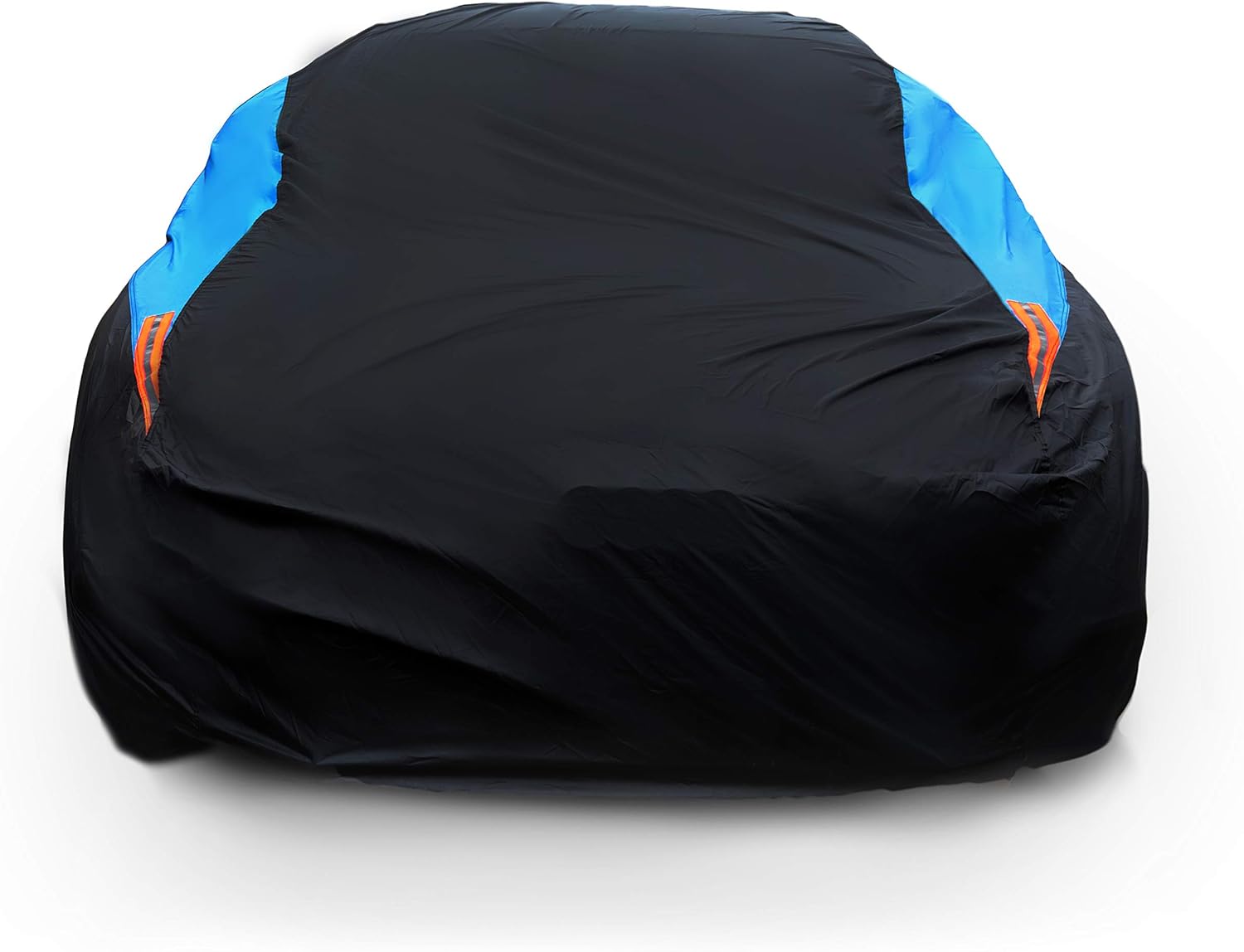
Kayme 6 Layers Car Cover Waterproof All Weather for Automobiles
★★★★☆ Highly rated on Amazon — 4.2 stars average
A multi-layer, UV-resistant cover with a soft cotton inner lining and breathable material — exactly what’s needed to protect paint without trapping moisture or causing scratches.
As an Amazon Associate, we earn from qualifying purchases.
Conclusion
A car cover does not cause paint fading — the sun does. A quality UV-resistant, breathable cover is one of the best investments you can make in your car’s long-term appearance.
The risks — scratching, moisture damage — are real but entirely avoidable by always covering a clean, dry car with a properly fitted cover and securing it so it can’t move.
Right now, do this one thing: check whether your current cover (or the one you’re considering) has a soft inner lining and is rated as breathable. Those 2 features alone eliminate the most common cover-related paint problems.
Frequently Asked Questions
Can a car cover cause paint fading?
No — a car cover does not cause paint fading. A quality UV-resistant cover actively prevents fading by blocking the sun’s ultraviolet rays. Fading is caused by UV radiation, not by the cover itself. Problems only arise with cheap, non-breathable covers used incorrectly.
Do car covers scratch paint?
The cover material itself doesn’t scratch paint — trapped dirt and debris do. When dust or sand sits on the car and the cover moves in the wind, those particles grind into the clear coat. Always wash the car before covering it and use a cover with a soft inner lining to prevent this.
Is it bad to leave a car cover on all the time?
Leaving a cover on continuously for weeks without removal can trap moisture and prevent you from noticing dirt buildup underneath. Remove the cover every few days to let the paint breathe, check for debris, and inspect the cover itself for wear or damage.
What type of car cover is best for preventing paint damage?
The best car cover for paint protection is multi-layer, UV-resistant, breathable, and has a soft inner lining (microfiber or cotton). For outdoor use, it must also be water-resistant. Custom-fit covers are far safer than loose universal covers because they don’t move in wind.
Can a car cover cause rust?
Yes, if the cover is non-breathable. A non-breathable cover traps condensation and moisture against metal panels, which leads to rust over time. A breathable cover allows moisture to escape naturally. This is why breathability is one of the most important features to look for when buying a cover.
Should I cover my car if it’s parked outside every day?
Yes — daily outdoor parking exposes your paint to UV rays, acid rain, bird droppings, and airborne debris every single day. A quality outdoor cover eliminates most of those risks at once. For cars without garage access, a cover is one of the most effective and affordable ways to preserve paint long-term.
What’s the difference between indoor and outdoor car covers?
Indoor covers are lightweight and made from softer materials like satin or polypropylene — designed to protect against dust inside a garage. Outdoor covers are multi-layer, waterproof, and UV-resistant — built to handle sun, rain, wind, and debris. Using an indoor cover outdoors provides almost no UV protection and degrades quickly in sunlight.

Daniel Brooks is an automotive writer and product researcher focused on car accessories, car tech, maintenance, and practical driving guides. At Plug-in Car World, he helps drivers make smarter automotive decisions through honest reviews and research-driven content.