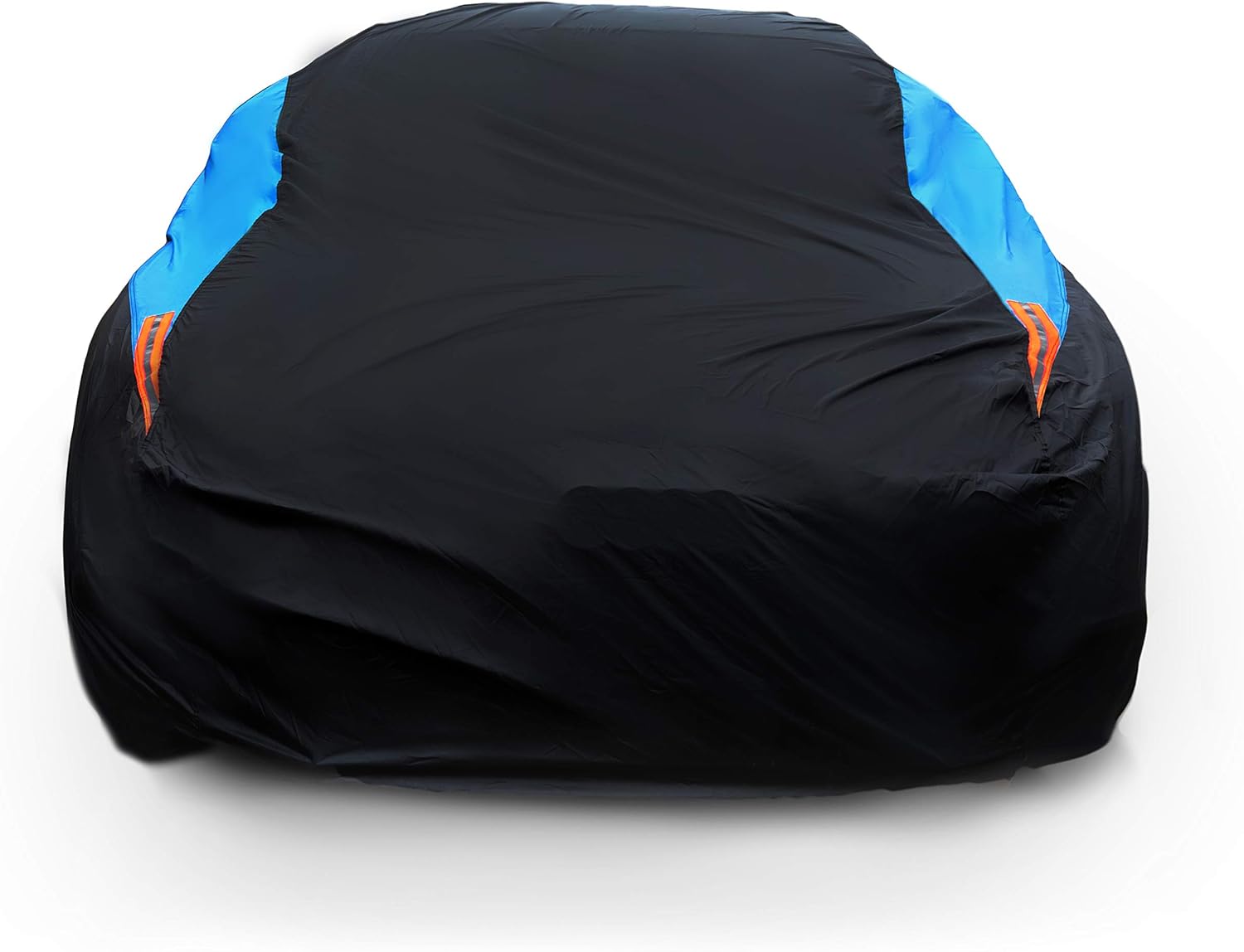
How to Protect a Car Cover From Sun Damage (And Make It Last for Years)
Protect a car cover from sun damage by choosing a UV-treated fabric, parking in shade when you can, and washing off grit before it grinds into the material. Store the cover loosely folded, not crushed, and reapply a UV fabric spray twice a year to slow fading and fiber breakdown.
Your car cover looked brand new six months ago. Now the seams are stiff, and the color has turned chalky.
I’m Daniel Brooks, and I’ve tested car covers through three brutal Texas summers. The sun doesn’t just fade fabric. It breaks the fibers down from the inside out.
The good news is that most sun damage is preventable. Here’s exactly how to stop it before your cover falls apart.
- UV rays break down fabric fibers, not just the surface color.
- Woven polyester with UV inhibitors lasts far longer than plain cotton.
- Parking angle and shade timing matter as much as the cover material.
- A UV protectant spray applied twice a year can double a cover’s usable life.
- Loose, breathable storage prevents the cracking that ruins most covers early.
Why Does the Sun Damage Car Covers So Fast?

Sunlight breaks down cover fabric through a process called photodegradation. Ultraviolet rays split the molecular bonds that hold fibers together.
This isn’t just a color problem. A faded cover has already lost structural strength, even if it still looks intact from a few feet away.
According to research published by the National Institutes of Health, materials exposed to constant solar UV radiation undergo gradual photodegradation that weakens their mechanical strength over time. That’s true for outdoor fabrics of every kind, including car covers.
Photodegradation means sunlight is slowly breaking apart the chemical structure of a material, not just changing its color.
What Does UV Radiation Actually Do to Cover Fabric?
UV rays attack the polymer chains inside synthetic fibers first. This causes yellowing, chalking, and a rough, brittle texture.
Heat makes the damage worse. A dark-colored cover sitting in direct sun can reach surface temperatures well above the air temperature around it, which speeds up fiber breakdown.
The Environmental Protection Agency tracks daily UV intensity through its UV Index scale, and the same exposure levels that damage skin also degrade outdoor fabrics over time.
What Are the Warning Signs of Sun-Damaged Car Covers?
Fading is the first sign, but it’s rarely the only one. Catching damage early saves you from buying a whole new cover.
- Color fading or chalkiness: a whitish film on the surface means UV inhibitors are wearing out.
- Stiff or brittle fabric: the material cracks instead of folding smoothly.
- Weak elastic hems: the cover no longer hugs the car body tightly.
- Thread breakage at seams: stitching gives out first because it’s under constant tension.
- Reduced water resistance: water soaks in instead of beading on the surface.
If you’re seeing two or more of these signs, the cover is already past its best protective years. Now let’s look at how to stop this from happening in the first place.
How Do You Choose a Car Cover That Resists Sun Damage?
The right material makes the biggest difference in how long a cover survives outdoor sun. Not all fabrics handle UV exposure the same way.
| Material | UV Resistance | Best For |
|---|---|---|
| Woven polyester with UV inhibitors | High | Daily outdoor parking, full sun |
| Silver or reflective laminate | Very high | Extreme heat regions, desert climates |
| Cotton or cotton-poly blend | Low to moderate | Indoor or garage storage only |
| PVC or vinyl-coated fabric | Low | Short-term or occasional use |
Woven polyester with built-in UV inhibitors is the strongest all-around choice for outdoor use. A UV-resistant car cover built for full-sun climates will outlast a basic cotton cover by years, not months.
How Should You Install a Car Cover to Reduce Sun Exposure?
Installation habits matter almost as much as the fabric itself. A cover that shifts or sags collects more direct UV exposure on the same spots.
- Wash and dry the car before covering it, so grit doesn’t grind into the fabric.
- Angle the car so the roof, not the hood, faces the harshest afternoon sun.
- Pull the cover taut and secure the straps under the car, not just at the edges.
- Check the fit weekly, since wind can loosen straps over time.
- Remove and shake out the cover after storms to clear pooled water and debris.
A tight, well-secured cover reduces friction against the paint and stops the fabric from flapping in wind, which accelerates fiber wear.
Can You Add Extra UV Protection to an Existing Car Cover?
Yes, you can extend a cover’s life with a fabric-safe UV protectant spray. This adds a fresh layer of UV inhibitors the factory coating has lost over time.
Apply UV protectant spray on a dry, dust-free cover, then let it cure for a full 24 hours before folding it.
Here’s what that means in plain English: the spray sits on top of the fibers and absorbs UV energy before it reaches the fabric underneath. Reapply it every four to six months in hot climates.
Test any spray on a small hidden section first, since some coatings can slightly darken light-colored fabric.
How Often Should You Clean and Store a Sun-Exposed Car Cover?
Clean your cover every four to six weeks if the car sits outside daily. Dirt and pollen trap heat against the fabric, which speeds up UV damage.
Hand wash with a mild soap and cool water. Skip the washing machine unless the manufacturer’s label says it’s safe, since agitation can weaken UV-treated coatings.
Never store a damp cover in a bag. Trapped moisture breeds mildew and breaks down UV coatings within weeks.
Let the cover dry fully in the shade, not direct sun, before folding it. Store it loosely in a breathable bag, away from a hot trunk or garage rafter.
Is a Carport or Garage Better Than Relying on a Cover Alone?
A carport or garage still beats the best cover on the market. Physical shade blocks nearly all direct UV exposure, which no fabric fully replicates.
Combine the two whenever you can. A UV-resistant cover under a carport faces a fraction of the sun exposure of one parked in an open lot.
If a garage isn’t an option, even a simple shade sail over a driveway cuts fabric temperature significantly. That single change adds real years to a cover’s life.
What’s the Real Lifespan of a Car Cover Under Constant Sun?
Most manufacturers claim three to five years of use. In my own testing across three summers of full outdoor exposure, that number dropped closer to eighteen months before real fading set in.
The gap comes down to one thing: manufacturers test under lab conditions, not asphalt-reflected heat in a driveway. A driveway often runs hotter than open grass or gravel, because concrete and asphalt radiate stored heat back up into the cover.
If your car sits on pavement, plan on replacing or re-treating your cover closer to the one-year mark, not the three-year mark printed on the box.
A breathable, UV-treated outdoor car cover is the single biggest upgrade you can make if your vehicle lives in direct sun. Look for one rated specifically for full-sun climates, not just general outdoor use.
Your Next Step
Sun damage isn’t random. It comes down to fabric choice, parking habits, and how you clean and store the cover.
Start with the fabric. A UV-treated car cover storage bag keeps your cover dry and dust-free between uses, which matters just as much as the cover itself.
Give your current cover a wash this weekend, check it for early warning signs, and add a UV spray if it’s showing the first hints of fading. I’m Daniel Brooks, and a little maintenance now will save you the cost of a full replacement later.
Frequently Asked Questions
How long does a car cover last in direct sunlight?
Most car covers last one to three years in constant direct sunlight, depending on the fabric quality. UV-treated polyester covers last longer than basic cotton or vinyl ones, especially in hot, sunny climates.
Can I use a UV protectant spray made for car paint on a car cover?
No, paint-specific UV sprays aren’t designed for fabric and can clog the material’s breathability. Use a fabric-safe UV protectant made for outdoor covers, tents, or awnings instead.
Does a white or silver car cover resist sun damage better than a dark one?
Yes, light-colored and reflective covers stay cooler than dark ones under direct sun. Lower surface heat slows down the fiber breakdown that causes fading and brittleness.
Why does my car cover feel stiff even though it still looks fine?
Stiffness usually means UV rays have already started breaking down the fibers underneath the surface. The color may not show visible fading yet, but the material has already lost flexibility and strength.
Is it bad to leave a car cover on all the time?
Leaving a cover on constantly is fine as long as it’s breathable and you remove it periodically to clean and air it out. A non-breathable cover left on nonstop traps heat and moisture, which speeds up both sun damage and mildew growth.

Daniel Brooks is an automotive writer and product researcher focused on car accessories, car tech, maintenance, and practical driving guides. At Plug-in Car World, he helps drivers make smarter automotive decisions through honest reviews and research-driven content.