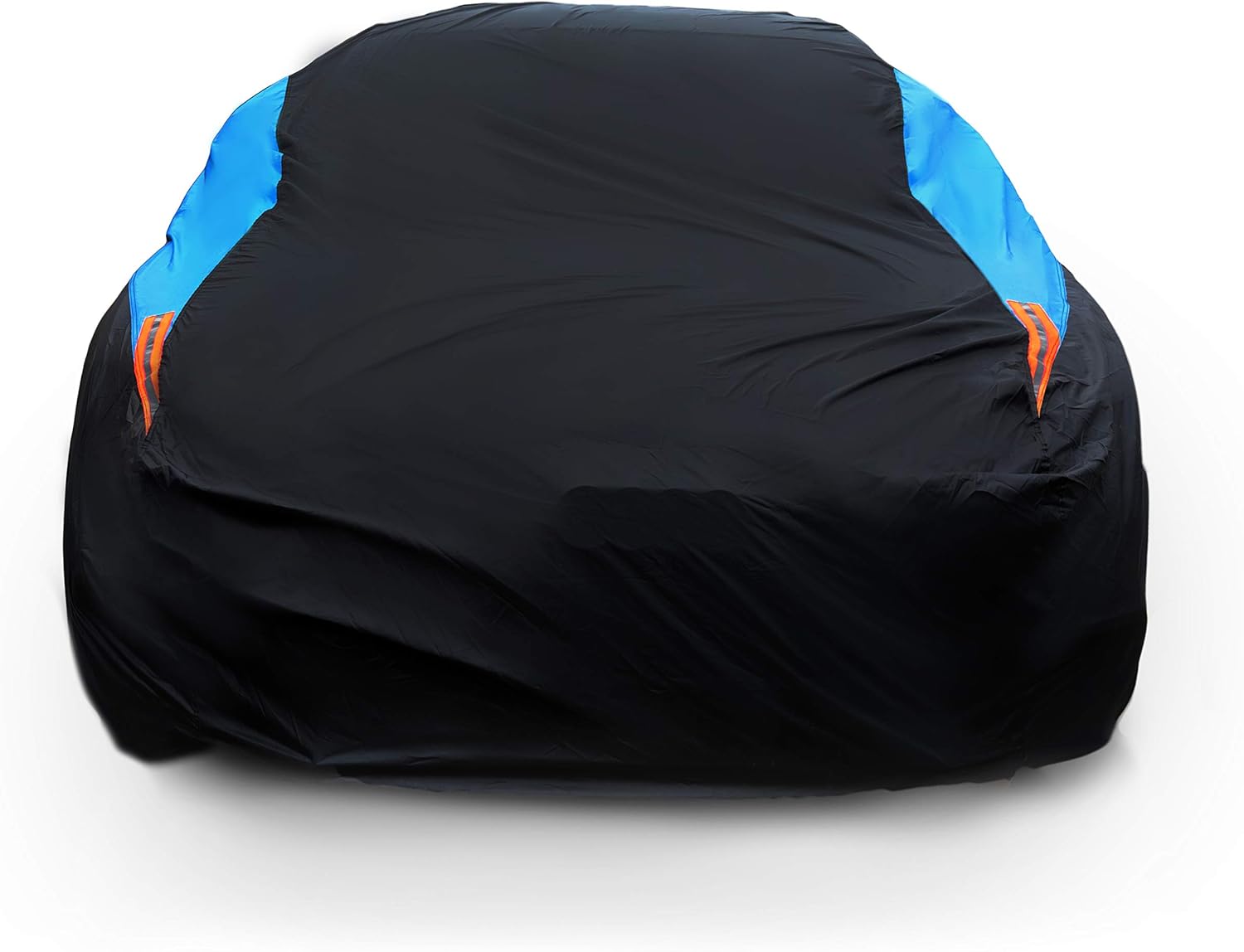
How to Protect Your Car Cover From UV Damage
⚡ Quick Answer
Yes, you can stop a car cover from breaking down in the sun. Wash it often, store it dry, and pick a cover with a reflective or UV-stabilized outer layer. These three habits slow the fading, stiffening, and cracking that direct sunlight causes over time.
3 Steps to Protect Your Cover Today
-
1
Rinse off grit before you put the cover on -
2
Choose a cover with a reflective top layer -
3
Store it dry and out of direct heat when not in use
Mistakes That Speed Up UV Damage
-
✓
Leaving sand or dirt trapped against the fabric -
✓
Folding the cover while it’s still hot or damp -
✓
Buying a cover with no UV-stabilized layer at all
The fabric feels stiff under your fingers, almost crunchy near the seams. That’s the first sign your car cover is losing its fight with the sun. Daniel Brooks has seen this happen to good covers that never got a fair chance, worn out months before their time simply because nobody rinsed them off or stored them right.
A car cover is supposed to be a shield. But that shield takes the full force of UV rays meant for your paint job. Left unchecked, the fabric itself fades, weakens, and tears.
Here’s how to keep that shield strong for years instead of months.
📌 Key Takeaways
-
→
UV rays break down the polymer chains in cover fabric, not just the dye. -
→
Reflective aluminum layers block more heat and light than plain cotton or vinyl. -
→
Trapped grit grinds into UV-weakened fibers every time the cover shifts in the wind. -
→
Routine washing every 2 to 4 weeks roughly doubles a cover’s useful life.
Why UV Rays Wear Down a Car Cover
UV radiation breaks the chemical bonds inside the fibers of your cover. This happens whether the fabric is cotton, polyester, or vinyl. So if your cover sits outside all summer, those bonds keep snapping every sunny hour, not just on the hottest days.
You already know sunlight fades fabric. What you might not know is that this damage is cumulative and largely permanent. Research on UV exposure shows it causes measurable surface cracking and a loss of mechanical strength in common polymers, with the damage growing worse the longer and stronger the exposure runs. Material degradation research backs this up: even short daily doses add up over a season.
The sun’s strength also swings by time of day and season, which the EPA’s UV Index tracks for skin safety. The same peak hours, late morning through mid-afternoon, are the hardest on your cover’s fabric too.
⚠️ Warning
Once a fabric’s UV coating breaks down, it can’t be restored. At that point, the only fix is a new cover or a fresh waterproofing spray.
Which Car Cover Material Resists UV Rays Best?
Not all car cover fabrics handle sun the same way. A reflective outer layer beats plain dyed fabric because it bounces light away instead of absorbing it. So if you’re shopping for a new cover, the material matters as much as the fit.
This table compares how common car cover materials hold up against UV exposure.
If your car sits outside daily, a reflective multi-layer cover earns back its cost fast in avoided paint and fabric damage.
5 Steps to Protect Your Car Cover From Sun Damage
Protecting a cover doesn’t take special tools. It takes a habit. Follow these five steps every time you park outdoors and the fabric will last years longer.
🔢 Step-by-Step: Daily Cover Care Routine
-
1
Wash the car first
Dust and grit under the cover act like sandpaper once UV light weakens the fibers.
-
2
Check the seams before covering
A frayed seam lets sun reach layers that aren’t built to handle direct exposure.
-
3
Wash the cover every 2 to 4 weeks
Mild soap and a soft brush remove the grime that traps heat against the fabric.
-
4
Reapply a UV-protectant spray twice a year
Look for a spray made for outdoor fabric, not general fabric protector.
-
✓
Store it dry and loose
Your cover is now ready to protect your car for many more sunny seasons.
You might be thinking a cheap cover with no reflective layer will save money up front. Here’s why that backfires: untreated fabric typically needs replacing within a single hot season, while a reflective multi-layer cover often lasts several years under the same conditions.
Recommended Product
Kayme Sedan Car Cover Waterproof All Weather, Multi-Layer with Reflective Aluminum and UV Protection
★★★★☆ Highly rated on Amazon
Its reflective aluminum layer is exactly the kind of UV-resistant material this guide recommends, and the added cotton inner lining protects your paint while the outer layer takes the sun damage instead.
As an Amazon Associate, we earn from qualifying purchases.
What Most People Get Wrong About Car Cover UV Protection
📋 Common Misconceptions
-
“Any waterproof cover blocks UV too”: Waterproofing and UV resistance are separate features. A cover can repel rain and still fade fast in the sun. -
“A dark cover is fine since the car’s already dark”: Dark fabric absorbs more heat and degrades faster than lighter, reflective fabric, regardless of your car’s color. -
“Fading is just cosmetic”: Fading signals fiber breakdown. Once it shows, the cover’s water resistance and tear strength are already weaker too.
Your cover’s job is to take the sun’s punishment so your paint doesn’t have to. Treat it well, wash it often, and pick a fabric built for the fight, and it will keep doing that job for years. One thing to do right now: check your current cover for stiff or faded patches today, since that’s the earliest sign UV damage has already started.
Frequently Asked Questions
How long does a car cover last in direct sun?
A budget cover without UV treatment often breaks down within one hot season. A reflective, UV-stabilized cover can last 3 to 5 years with regular cleaning and proper storage.
Can you waterproof a car cover yourself?
Yes. Outdoor fabric sealant sprays restore water repellency, but they don’t reverse UV damage already done to the fibers. Reapply every 6 months for best results.
Does a light-colored car cover resist sun damage better?
Yes. Lighter and reflective fabrics absorb less heat than dark fabrics, which slows the rate of UV breakdown and keeps the cover cooler to the touch.
How often should I wash my car cover?
Wash it every 2 to 4 weeks if your car sits outside daily. This removes the dust and grit that grind into UV-weakened fibers and speed up tearing.
What’s the sign a car cover has UV damage?
Stiffness, fading, and small cracks near the seams are the earliest signs. Left alone, these spots tear easily and let sun reach the paint underneath.
Is a reflective car cover worth the extra cost?
Usually yes, if your car parks outside often. The reflective layer blocks more heat and UV than standard fabric, which extends the life of both the cover and your paint.
Can I store a car cover while it’s still damp?
No. Storing it damp traps moisture against UV-weakened fibers and encourages mildew. Let it air-dry fully before folding and storing it in its bag.

Daniel Brooks is an automotive writer and product researcher focused on car accessories, car tech, maintenance, and practical driving guides. At Plug-in Car World, he helps drivers make smarter automotive decisions through honest reviews and research-driven content.