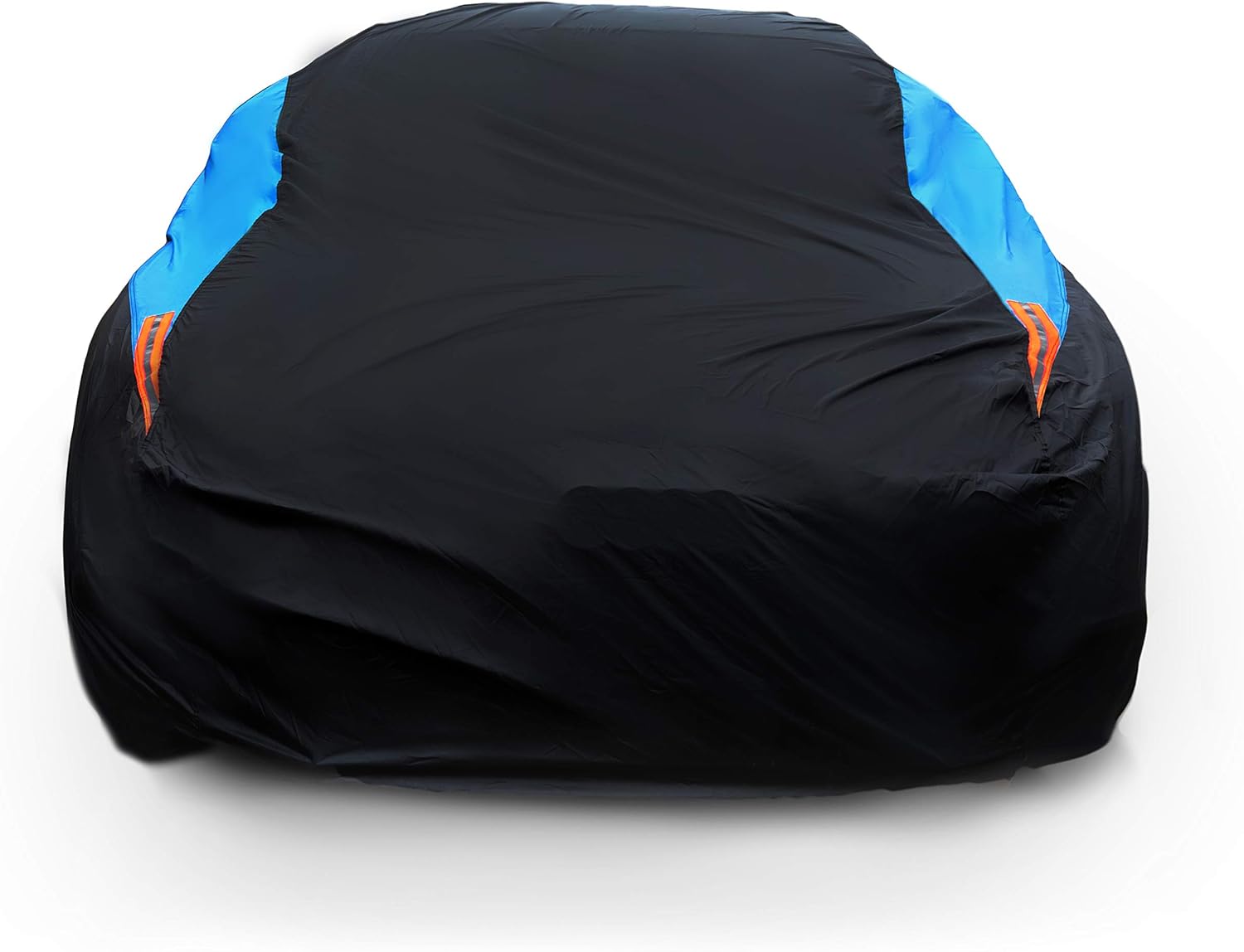
Can Sun Damage Occur Under a Car Cover? Real Answer
⚡ Quick Answer
Yes, but a lot less than an uncovered car. A car cover blocks most direct UV rays, but trapped heat, a poor fit, or a dirty cover can still let some sun damage happen. The right cover, fitted and cleaned well, cuts that risk to almost nothing.
What It Depends On
- Cover material: UV-blocking, breathable fabric stops far more sun than thin tarp covers.
- Fit: A loose cover lets light sneak in and rubs the paint when it moves.
- Cleanliness: Dirt trapped under the cover scratches paint as the sun heats it.
Bottom Line
-
✓
A clean, well-fitted UV cover beats no cover every time.
The sun beats down on your driveway, and your car sits there, cover stretched tight over the hood. You feel good about it. But a small worry creeps in: is the sun still cooking your paint under there?
My name is Daniel Brooks, and I’ve fielded this question more times than I can count from drivers trying to protect a car they care about. The short version: a car cover helps a lot. But it’s not a force field.
Heat, trapped moisture, and a few other sneaky factors can still cause damage even with a cover on. Let’s look at why, and how to stop it.
📌 Key Takeaways
-
→
UV-blocking covers stop the vast majority of the radiation that fades paint. -
→
Trapped heat under a non-breathable cover can still stress paint and rubber. -
→
Dirt under a cover causes more swirl marks than sun ever would on its own. -
→
A snug, breathable fit removes nearly all of these risks.
Can Sun Damage Really Happen Under a Car Cover?
A little bit, yes. A quality car cover blocks most direct UV rays before they hit your paint. But heat doesn’t need direct sun to build up.
On hot days, air trapped between the cover and the car can still climb to high temperatures. That heat can soften clear coat and speed up fading, even without direct light.
UV radiation breaks down the chemical bonds in paint, rubber, and plastic trim. This is the main driver of fading, cracking, and dull “chalky” paint over time, according to research from MGA Research Corporation, an automotive testing lab.
So if you drive your car often and keep your cover clean, the risk drops close to zero. If you leave a dirty or loose cover on for weeks, some damage can still creep in.
⚠️ Warning
Never put a clean cover on a dirty car. Trapped grit acts like sandpaper once the cover shifts in the wind.
Why Does Heat Still Build Up Under a Cover?
Sunlight carries three kinds of energy: visible light, infrared heat, and UV radiation. A cover blocks most of the light and UV. But infrared heat can still warm the trapped air underneath.
That’s why non-breathable covers, like cheap plastic tarps, are actually worse than no cover in some climates. They trap heat and moisture against the paint with no airflow.
Breathable, woven fabric covers let warm air escape. This keeps the surface temperature lower and stops condensation from forming underneath overnight.
📋 What Causes Damage Even With a Cover On
-
Trapped heat: Builds up under non-breathable material on hot, still days. -
Loose fit: Lets in light at the edges and flaps in wind, scuffing the paint. -
Dirt and grit: Acts like sandpaper between the cover and the finish. -
Trapped moisture: Leads to mold, mildew, and water spots over time.
You might be thinking a cover should block 100% of sun damage. Here’s why it doesn’t: it’s a physical barrier, not a perfect seal, and heat finds its way through.
What Car Cover Features Actually Stop Sun Damage?
Not every cover protects equally. The right material and fit make the real difference between a cover that helps and one that just sits there.
Here’s how the main cover types compare on sun protection.
A breathable, multi-layer cover gives you the strongest sun protection with the least trapped heat.
Recommended Product
iCarCover 18-Layer Car Cover, Waterproof All Weather with UV Protection
★★★★☆ Rated 4 stars and up on Amazon
This cover layers full UV defense with a soft cotton lining and waterproof seams, which addresses both the sun and the heat-trapping issue at once.
As an Amazon Associate, we earn from qualifying purchases.
What Most People Get Wrong About Car Covers and Sun Damage
Most drivers assume a cover gives total protection. It doesn’t. Trapped heat and a poor fit still chip away at your paint over time.
Another myth: any cover is better than none. A dirty, non-breathable cover left on for weeks can scratch paint worse than open sun ever would.
Last one: people think covers only matter outdoors. Even indoor storage benefits from a cover, since dust and stray light through windows still fade interiors slowly.
How Do I Use a Car Cover the Right Way?
🔢 Step-by-Step: Covering Your Car the Right Way
-
1
Wash the car first
Dry dirt under a cover scratches paint as it shifts in wind.
-
2
Dry it completely
Moisture trapped under a cover invites mold and water spots fast.
-
3
Fit the cover snugly
Use straps or elastic hems so wind can’t lift and flap it.
-
✓
Clean the cover often
A clean cover protects. A dirty one rubs damage straight into your paint.
A car cover won’t stop every speck of sun damage, but it stops most of it. The real risk comes from heat, dirt, and a loose fit, not the sun alone.
Pick a breathable, UV-rated cover and keep both the car and cover clean. That single habit prevents almost every problem covered here.
One thing to do right now: check that your current cover fits snugly with no loose flapping spots, and wash it if it’s been more than a month.
Frequently Asked Questions
Does a car cover really stop sun damage?
Yes, a quality UV-rated cover blocks most direct sunlight from reaching your paint. It cuts fading and oxidation by a wide margin compared to leaving the car uncovered.
Can a car cover make heat damage worse?
A non-breathable cover can trap heat and moisture against the paint. This raises the risk of damage compared to a breathable fabric that lets warm air escape.
How often should I wash my car cover?
Wash it about once a month, or sooner if you notice dirt buildup. A clean cover keeps grit from scratching the paint underneath it.
Is it bad to leave a car cover on all the time?
It’s fine if the cover and car stay clean and dry. Leaving a dirty or wet cover on for weeks raises the risk of scratches and mold.
What’s the best material for sun protection on a car cover?
Multi-layer, breathable woven fabric works best. It blocks UV rays while letting trapped heat and moisture escape, unlike plastic tarp covers.
Do dark-colored cars need extra sun protection?
Yes. Dark paint absorbs more UV and heat than light colors, so it fades faster. A breathable cover helps dark cars more noticeably.
Can sunlight damage a car’s interior even with a cover on?
A full exterior cover blocks light from reaching the interior almost entirely. Pairing it with a windshield shade adds extra protection for the dashboard.

Daniel Brooks is an automotive writer and product researcher focused on car accessories, car tech, maintenance, and practical driving guides. At Plug-in Car World, he helps drivers make smarter automotive decisions through honest reviews and research-driven content.