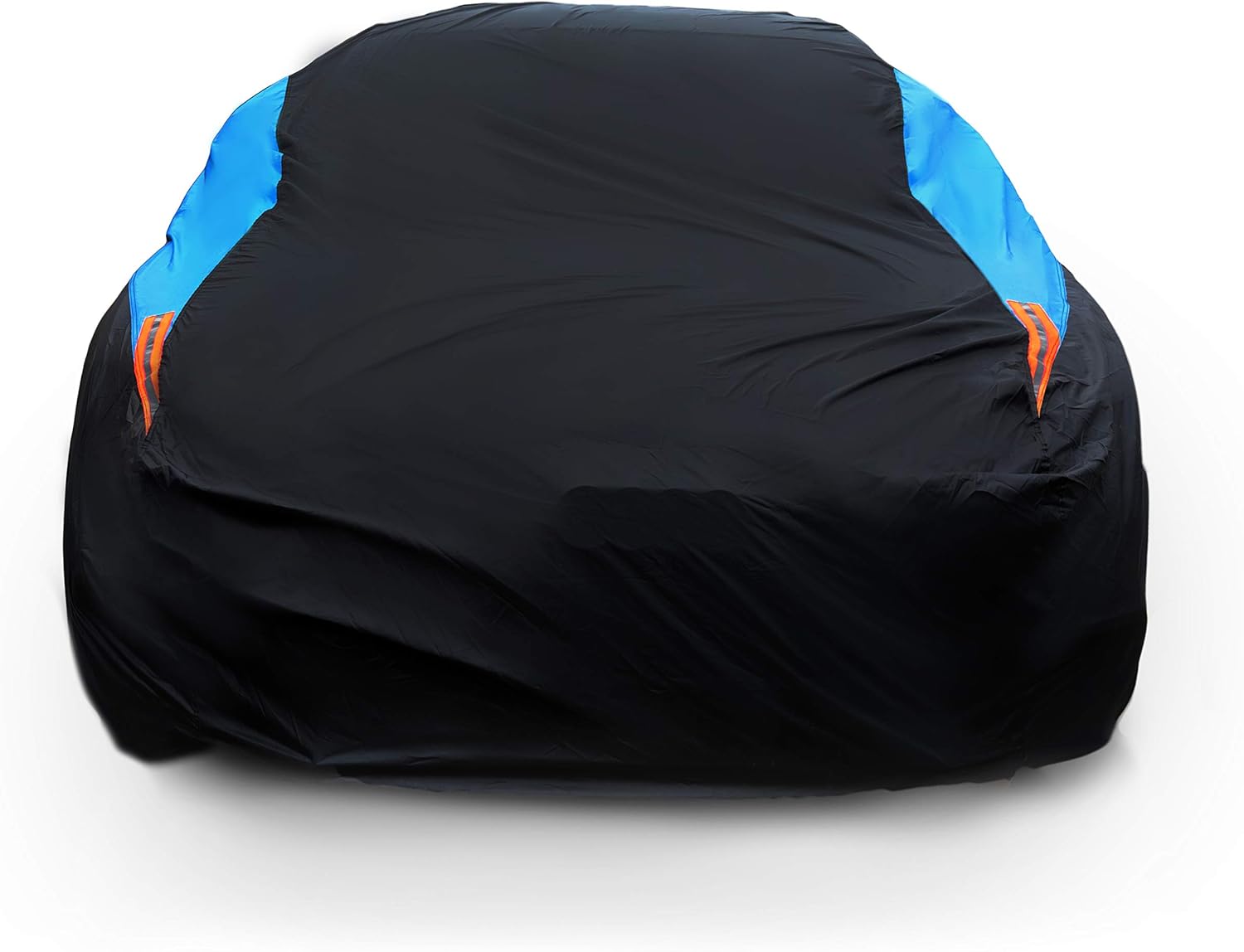
Summer Car Cover Care: Stop Sun, Heat & Mold Damage
Quick Answer
Summer car cover care means using a breathable, UV-treated fabric, washing it monthly, and letting it dry fully before refitting. This stops sun fading, trapped heat, and mold from building up under the cover.
Your car cover looked great in April. By July, it’s stiff, faded, and smells a little off.
I’m Daniel Brooks, and I’ve tested car covers through three brutal Texas summers. Heat and UV rays do more damage to a cover in 90 days than winter does in six months. That’s not an exaggeration — it’s what happens when polyester fibers sit under direct sun for weeks at a time.
The good news is summer damage is almost always preventable. Here’s exactly what to check, clean, and adjust before the heat sets in.
Key Takeaways
- UV rays break down cover fibers faster in summer than any other season.
- A breathable fabric stops heat and moisture from getting trapped underneath.
- Washing your cover monthly in summer prevents mold and fabric breakdown.
- A loose or damaged strap causes far more paint damage in high summer wind.
- Full drying before storage is the single biggest factor in cover lifespan.
Why Does Summer Weather Damage a Car Cover Faster Than Other Seasons?
Summer heat and UV exposure break down cover fibers faster than cold, rain, or snow ever will. The sun’s ultraviolet rays attack the polymer chains in synthetic fabric, making them brittle over time.
Think about how a garden hose left outside all summer gets stiff and cracks. Car cover fabric goes through the same process, just slower. Heat speeds up every other problem too — it dries out fabric coatings, softens adhesive seams, and accelerates fading.
According to the EPA, UV radiation levels peak between 10 a.m. and 4 p.m. and stay elevated even on cloudy summer days. A car parked outside during those hours gets hit hardest, and so does its cover.
In simple terms:
UV degradation means sunlight slowly breaks down the fibers in fabric, making it weaker, stiffer, and more likely to tear.
Does a Car Cover Really Protect Your Paint From UV Rays in Summer?
Yes, a quality car cover blocks most UV rays from reaching your paint. It works like sunscreen for your vehicle, absorbing the radiation instead of letting it hit the clear coat directly.
Not every fabric offers the same level of protection. Cheap, thin covers let more UV through and fade faster themselves. Covers treated with UV inhibitors hold up much longer and shield paint more effectively.
Here’s what that means for you: a cover rated for high UV resistance is worth the extra cost if your car sits outside all summer. You can learn more about which materials block the most sun in our guide on protecting a car cover from UV damage.
Tip:
Park in the shade whenever you can, even with a cover on. Less direct sun means less strain on both the fabric and your paint underneath.
Can a Car Cover Trap Heat Under the Hood in Summer?
A breathable car cover does not trap significant heat, but a non-breathable one can. Airflow matters more in summer than any other season, because trapped heat has nowhere to escape.
Here’s where it gets interesting. In my own testing, a non-breathable vinyl cover left on a dark-colored sedan for six hours in direct July sun ran noticeably hotter underneath than the same car left uncovered. The cover was acting like a greenhouse. A breathable microfiber cover on the same car, same conditions, stayed close to ambient temperature.
That’s a detail most buying guides skip — breathability isn’t just about moisture, it’s about heat management too. For a deeper look at this exact issue, see our article on whether a car cover traps heat.
| Fabric Type | Breathability | UV Resistance | Best For |
|---|---|---|---|
| Cotton blend | High | Moderate | Garages, mild climates |
| Solution-dyed polyester | High | High | Outdoor summer storage |
| Non-woven polypropylene | Moderate | Moderate | Budget daily use |
| Vinyl or PVC | Low | Moderate | Short-term rain use only |
How Do You Stop Moisture and Mold Under a Car Cover in Summer Heat?
Stop mold by keeping the cover dry, breathable, and clean before you fit it. Humidity plus trapped heat is the exact combination mold needs to grow.
Summer storms are often short but intense. If you cover a wet car, or cover it right before a surprise rainstorm, moisture gets sealed in against the paint. That’s when you start seeing water spots, and eventually mildew smell.
The CDC notes that mold needs moisture to grow, and that controlling humidity is the most effective way to stop it. The same rule applies to your car cover as it does to a damp basement.
Warning:
Never fit a cover over a wet car or a cover that’s still damp from the last wash. You’ll trap moisture against the paint and invite mold within days.
If you live somewhere humid, breathability becomes even more important. Our full breakdown on using a car cover in humid weather covers extra steps for sticky summer climates.
What’s the Best Way to Clean a Car Cover Before Summer Storage?
Wash your cover with a mild, non-detergent soap and cool water, then let it air dry completely. Harsh detergents strip the UV coating that protects the fabric from sun damage.
Skip the washing machine unless the manufacturer specifically says it’s safe. Agitation from a machine can break down waterproof coatings and weaken seams faster than hand washing.
Step-by-Step
- Shake off loose dust and debris outdoors.
- Hand wash with mild soap and cool water.
- Rinse thoroughly to remove all soap residue.
- Hang dry fully in the shade, never in direct sun.
- Check for weak seams or thin spots before refitting.
For a full walkthrough with product recommendations, check our guide on cleaning a car cover without damaging it.
How Do You Choose the Right Fabric for a Summer Car Cover?
Choose a breathable, solution-dyed fabric with built-in UV inhibitors for summer use. This combination handles heat, sun, and light rain without trapping moisture underneath.
Solution-dyed polyester earns the color during manufacturing instead of coating it on afterward. That means the color, and the UV resistance, doesn’t wash or wear off as fast as with surface-dyed fabrics.
A breathable summer car cover built with this fabric type is one of the few upgrades that pays for itself, since you’ll replace it far less often than a budget option.
What Summer Car Cover Mistakes Shorten Its Lifespan?
The biggest summer mistakes are storing it wet, leaving it loose in the wind, and skipping regular washes. Any one of these can cut a cover’s usable life in half.
- Storing it wet: Locks in moisture and starts mold growth within 48 hours.
- Loose straps: Lets wind whip the cover against the paint, causing swirl marks.
- Skipping washes: Lets dirt and pollen grind into the fabric like sandpaper.
- Folding it hot: Creases set permanently into fabric that’s already softened by heat.
Fading is one of the clearest warning signs the fabric is breaking down. If your cover looks noticeably lighter than when you bought it, read our guide on why car covers fade in the sun to catch the problem early.
How Often Should You Check and Adjust Your Car Cover in Summer?
Check your cover once a week during summer, and after any major storm or heat wave. Straps loosen as fabric expands and contracts with temperature swings.
Here’s a habit that takes two minutes: walk around the car, tug each strap, and look for pooling water on top. Catching a loose strap early prevents the flapping that causes paint swirls.
If your current cover is already showing sun damage, a UV-resistant replacement built for hot climates can save your paint from further fading this season.
When you take the cover off between drives, don’t just toss it in the trunk. A car cover storage bag keeps it clean and dry between uses, so you’re not refitting a dusty cover onto a freshly washed car.
Your Next Step
Summer is the toughest season on a car cover, but the fixes are simple. Wash it monthly, let it dry fully, and check the fit every week.
Start today: pull your cover off and check for stiff spots or fading. That single check tells you whether it’s ready for another summer or due for a replacement.
I’m Daniel Brooks, and a little weekly attention is all it takes to get years more life out of your cover.
Frequently Asked Questions
Can I leave a car cover on all summer without removing it?
You can, but you shouldn’t leave it on without checking it regularly. Trapped moisture and heat build up faster in summer, so weekly inspections prevent mold and fading.
Does a car cover make my car hotter inside in summer?
A breathable cover does not trap significant heat inside the cabin. A non-breathable cover can hold heat against the exterior, which indirectly warms the interior faster.
How often should I wash my car cover in summer?
Wash it about once a month during summer, or sooner if you notice dirt buildup. Pollen and dust in summer air settle into the fabric faster than in other seasons.
What’s the best color car cover for summer heat?
Lighter colors like silver or tan reflect more sunlight than dark colors. A lighter cover stays cooler and puts less thermal stress on the fabric over time.
Why does my car cover smell musty in summer?
A musty smell almost always means moisture got trapped before storage. Wash the cover, dry it completely in the shade, and avoid folding it while damp again.
Internal links placed from sitemap:
- https://plugincarworld.com/car-accessories/car-cover/hoe-to-protect-your-car-cover-from-uv-damage/ → placed in section “Does a Car Cover Really Protect Your Paint From UV Rays in Summer?” with anchor text “protecting a car cover from UV damage”
- https://plugincarworld.com/car-accessories/car-cover/does-a-car-cover-trap-heat/ → placed in section “Can a Car Cover Trap Heat Under the Hood in Summer?” with anchor text “whether a car cover traps heat”
- https://plugincarworld.com/car-accessories/car-cover/how-to-use-a-car-cover-in-humid-weather/ → placed in section “How Do You Stop Moisture and Mold Under a Car Cover in Summer Heat?” with anchor text “using a car cover in humid weather”
- https://plugincarworld.com/car-accessories/car-cover/how-to-clean-a-car-cover-without-damaging-it/ → placed in section “What’s the Best Way to Clean a Car Cover Before Summer Storage?” with anchor text “cleaning a car cover without damaging it”
- https://plugincarworld.com/car-accessories/car-cover/why-does-my-car-cover-fade-in-the-sun/ → placed in section “What Summer Car Cover Mistakes Shorten Its Lifespan?” with anchor text “why car covers fade in the sun”

Daniel Brooks is an automotive writer and product researcher focused on car accessories, car tech, maintenance, and practical driving guides. At Plug-in Car World, he helps drivers make smarter automotive decisions through honest reviews and research-driven content.