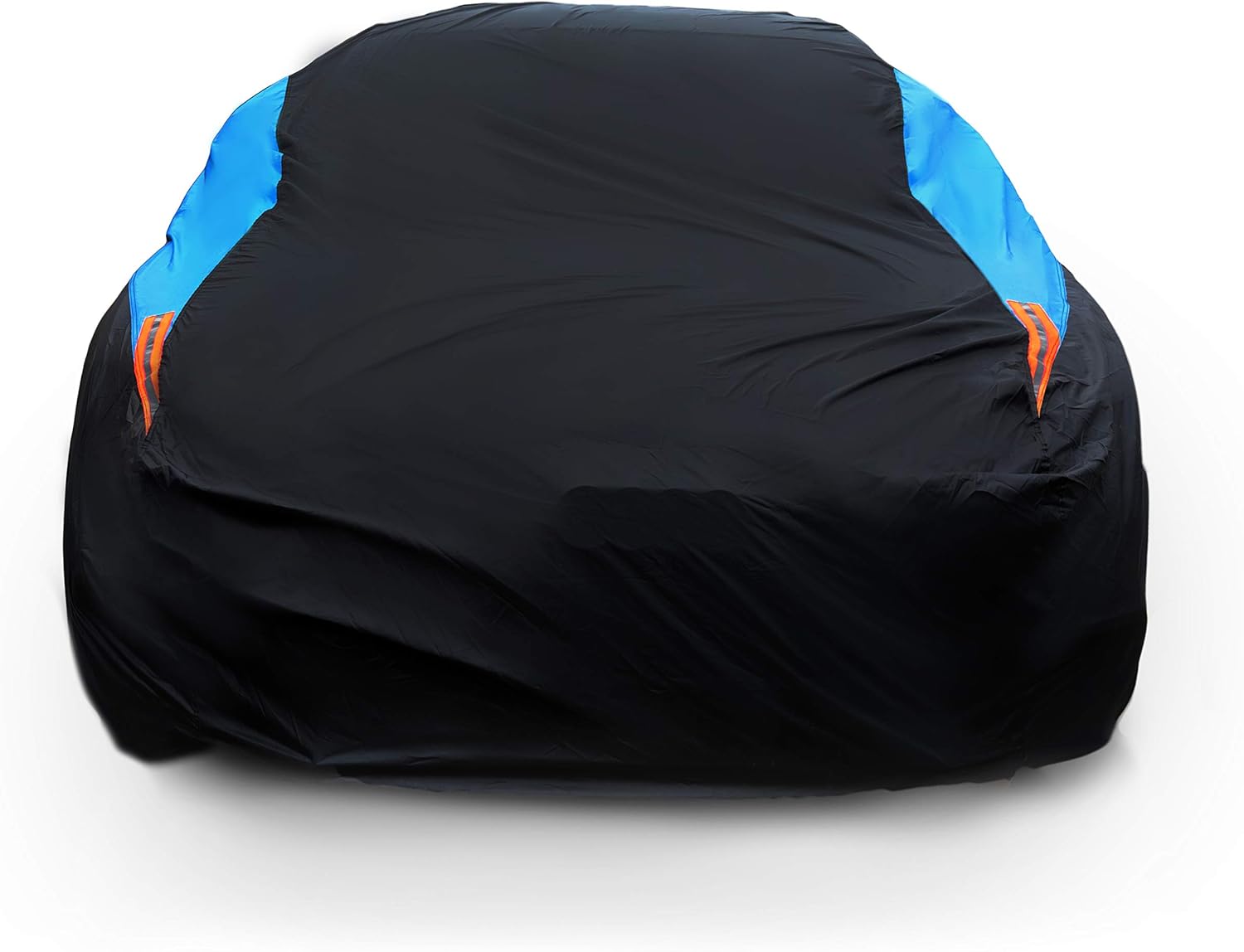
Can You Restore a Faded Car Cover? Yes — Here’s How
⚡ Quick Answer
Yes, you can restore a faded car cover in most cases. A deep wash, a UV fabric protectant, and the right storage habits bring back most of the color and flexibility, as long as the fabric isn’t cracked, torn, or brittle all the way through.
How to restore it, step by step
-
1
Wash the cover with mild soap and a soft brush -
2
Let it air dry fully out of direct sun -
3
Apply a UV fabric protectant in light, even coats
Mistakes that stop a faded cover from coming back
-
✓
Don’t use bleach or harsh detergent on the fabric -
✓
Don’t skip drying before you store the cover -
✓
Don’t keep using a cover with cracked seams
You pull the cover off your car and the deep gray you remember has turned a chalky, washed-out white. Daniel Brooks has seen this exact moment play out in driveways for years, and the good news rarely changes: a faded car cover is almost always fixable. The sun’s UV rays bleach the fabric’s dye and dry out its fibers, but that damage sits mostly on the surface.
Most covers can look noticeably better after one proper cleaning and a UV protectant treatment. The trick is knowing which fading is cosmetic and which means the cover’s protection is actually failing. Here’s exactly how to tell the difference, and how to bring the color back.
📌 Key Takeaways
-
→
UV rays cause most car cover fading by breaking down dye and fabric fibers. -
→
A deep clean removes the surface grime that makes fading look worse than it is. -
→
UV protectant sprays restore some color and slow down future fading. -
→
Cracked or torn fabric means it’s time to replace, not restore.
Why Does a Car Cover Fade in the First Place?
A car cover fades because UV light slowly breaks the chemical bonds in its dye and fabric fibers. The sun’s energy attacks the surface first, which is why fading often looks worse than the fabric’s actual condition underneath.
Most car covers are made from woven polyester, polypropylene, or a treated blend. Wash and rain do some of the work too, but UV exposure is the main driver. Research on polymer aging under UV radiation shows that constant sun exposure breaks down a material’s molecular structure, which strips color and weakens fiber strength over time.
So if you park outside daily, fading isn’t a defect. It’s just chemistry at work. That’s also why the fix has two parts: clean off what’s sitting on the surface, then treat what the sun has already changed underneath.
How Do You Restore a Faded Car Cover?
You restore a faded car cover by washing it thoroughly, letting it dry completely, then applying a UV fabric protectant or fade restorer made for outdoor fabric. This three-part process brings back lost color and adds a fresh barrier against future sun damage.
🔢 Step-by-Step: Reviving Your Car Cover’s Color
-
1
Shake off loose dirt and debris
Remove the cover and shake it out before washing to avoid grinding grit into the fibers.
-
2
Wash with mild soap and a soft brush
Use a pH-neutral soap and lukewarm water. Scrub gently, then rinse until the water runs clear.
-
3
Dry it fully, away from direct sun
Lay it flat or hang it in shade. Trapped moisture under a treatment can cause mildew.
-
✓
Apply a UV fabric protectant
Spray in light, even coats and let it cure as directed. The color and texture will visibly improve.
Most owners notice a real difference after this process. But here’s the thing: a protectant restores and shields, it doesn’t dye. If a cover has gone almost white, expect improvement, not a factory-new finish.
Recommended Product
ForceField UV Sunblock Fabric Fade Protector, 22oz
★★★★☆ Customer-rated on Amazon
A water-based spray made for outdoor fabric, which makes it a solid match for a faded car cover’s woven material.
As an Amazon Associate, we earn from qualifying purchases.
When Is Fading Too Severe to Fix?
Fading is too severe to fix when the fabric is cracked, torn, or stiff and crumbly to the touch. At that point, the fibers themselves have broken down, and no spray or wash brings back lost material strength.
| Restorable | Time to Replace |
| Even, surface-level color loss | Cracked or split seams |
| Fabric still feels flexible | Stiff, brittle, or crumbly fabric |
| No holes or thin patches | Holes that let water through |
If your cover falls in the right column, restoring it just delays a problem. Replacing it protects your car’s paint instead.
How Do You Keep a Restored Cover From Fading Again?
You keep a restored cover from fading again by reapplying UV protectant every few months, washing it regularly, and storing it in shade or indoors when it’s not on your car. Prevention is far less work than restoration.
📋 Habits That Protect Color Long-Term
-
Reapply protectant seasonally: Every 2 to 3 months keeps the UV barrier active. -
Wash monthly: Dirt and pollen trap heat and accelerate fading. -
Store it out of sun: Fold and store the cover in a bag when you’re not using it. -
Choose a lighter color next time: Light fabric reflects more UV and shows fading less.
What Most People Get Wrong About Restoring a Faded Car Cover
⚠️ Warning
Bleach and strong detergents strip the fabric’s existing finish. They often make fading look worse, not better.
Many people assume a faded cover is ruined and toss it. In reality, most fading is cosmetic, not structural, so a wash and protectant routine usually brings real improvement.
Others assume any cleaning product will work. Harsh detergents and bleach strip the fabric’s protective finish, which speeds up fading instead of fixing it. Stick to mild, pH-neutral soap made for outdoor fabric.
A third mistake is skipping the protectant step entirely. Washing alone removes dirt but does nothing to rebuild the UV barrier, so the color fades right back within weeks of being back in the sun.
Frequently Asked Questions
Can a faded car cover be dyed back to its original color?
Most outdoor fabric dyes don’t bond well to treated, weatherproof material. Spot dyeing often leaves uneven patches, so a UV protectant spray is the more reliable fix for color.
How often should I wash my car cover?
Wash it about once a month if it’s used daily, or every 2 to 3 months for occasional use. Regular washing removes the dirt and pollen that trap heat and worsen UV damage.
Does fading mean my car cover no longer protects my paint?
Not always. Light, even fading is mostly cosmetic. The cover still blocks UV rays and debris as long as the fabric stays flexible and intact, without cracks or thin spots.
Can I machine wash a car cover?
Most car cover manufacturers advise against machine washing, since agitators can stretch seams and damage coatings. Hand washing with a soft brush is the safer choice.
What causes a car cover to fade faster than expected?
Daily sun exposure, dirty fabric left unwashed, and skipping UV protectant all speed up fading. Darker colored covers also tend to fade faster than lighter ones.
Is a faded cover still waterproof?
Fading itself doesn’t remove water resistance, but the same UV exposure that fades color can also break down a cover’s water-repellent coating over time.
How long does a UV protectant treatment last?
Most UV fabric protectants last 2 to 3 months under daily sun exposure. Covers stored indoors between uses can go longer before needing another coat.
The Bottom Line
A faded car cover is almost always worth saving. A proper wash and a UV protectant treatment bring back most of the lost color and rebuild the fabric’s sun barrier.
Save replacement for covers with real structural damage, like cracks or holes. Everything else responds well to cleaning and care.
One thing to do right now: check your cover for cracked seams or stiff patches before you wash it, so you know in two minutes whether you’re restoring it or replacing it.

Daniel Brooks is an automotive writer and product researcher focused on car accessories, car tech, maintenance, and practical driving guides. At Plug-in Car World, he helps drivers make smarter automotive decisions through honest reviews and research-driven content.