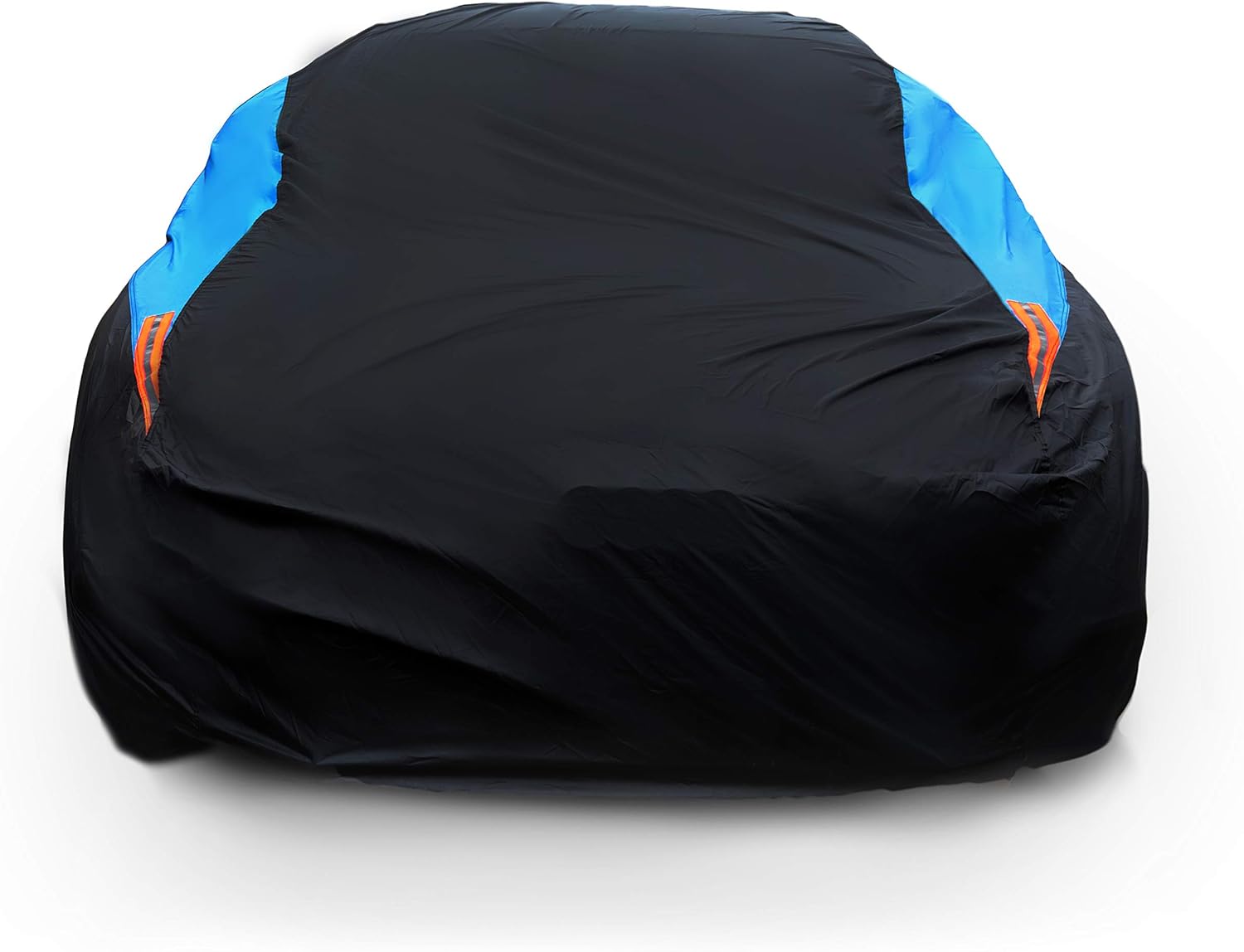
Can a Car Cover Cause Rust? Here’s the Truth
⚡ Quick Answer
A car cover can cause rust — but only when used the wrong way. Covering a wet car traps moisture against the paint and metal, speeding up oxidation. A cheap, non-breathable cover makes this worse. Use a breathable cover on a dry car, and it will protect against rust instead of causing it.
The 3 factors that decide whether your cover causes rust:
- Cover Material: Non-breathable covers trap moisture; breathable covers let it evaporate.
- Car Condition: Covering a wet or dirty car starts the rust process fast.
- Cover Fit: Loose covers flap and scratch paint, exposing bare metal to rust.
How to use a cover safely:
-
✓
Always wash and dry your car before covering it -
✓
Choose a breathable, water-resistant cover — not a plastic one -
✓
Make sure the cover fits snugly so it doesn’t scratch the paint
You pull the cover off your car one morning and notice something alarming — small rust spots where none existed before. I’m Michael, and after years of researching car protection, I’ve seen this exact scenario play out dozens of times. The culprit isn’t always the weather. Sometimes it’s the cover itself.
A car cover is supposed to protect your vehicle. But the wrong type — or even the right type used incorrectly — can actually speed up rust formation instead of stopping it. Here’s everything you need to know.
📌 Key Takeaways
-
→
Car covers don’t cause rust on their own — improper use and wrong materials do. -
→
Covering a wet car is the single most common cause of cover-related rust. -
→
Breathable covers allow moisture to evaporate instead of sitting against the paint. -
→
Waterproof plastic covers are the highest-risk type — they seal in moisture with no escape.
Can a Car Cover Actually Cause Rust?
Yes — a car cover can cause rust, but only under specific conditions. The cover itself isn’t the problem. The problem is what happens when moisture gets trapped between the cover and your car’s surface with nowhere to go.
Rust forms when metal contacts oxygen and water at the same time. This chemical reaction — called oxidation — creates iron oxide on the surface of the metal. A cover that locks moisture in creates the perfect environment for this to happen 24 hours a day.
Here’s the important distinction. A quality breathable cover actively reduces rust risk. A cheap waterproof cover dramatically increases it. The difference comes down to one thing: whether trapped moisture can escape.
⚠️ Warning
Never cover a wet car. Water sealed under a cover can’t evaporate, leaving your paint sitting in moisture for hours or days. This is the fastest way a car cover leads to rust.
So what’s the bottom line? A car cover won’t cause rust if you choose the right material and always cover a clean, dry car. Violate either rule and you’re actively creating rust conditions rather than preventing them.
How Does Moisture Get Trapped Under a Car Cover?
Moisture reaches the space between a cover and your car in 3 ways: rain seeps through low-quality material, condensation forms overnight when temperatures drop, or you cover the car while it’s already wet. Each path leads to the same problem — standing water against your paint with no way out.
You might think a fully waterproof cover solves this. It doesn’t. It makes it worse. A waterproof cover blocks water from getting in from outside, but it also blocks moisture from escaping from inside. So if any moisture is already present — from condensation, a light rain that got through, or a car you covered while damp — that moisture stays locked against the paint indefinitely.
Breathable covers work differently. The tightly woven fabric repels most water from the outside while still allowing water vapor to escape from underneath. Condensation that forms overnight can evaporate through the fabric rather than pool against the paint.
📋 How moisture enters under a car cover
-
Covering a wet car: The most direct route — water is already there and sealed in immediately. -
Overnight condensation: Temperature drops cause moisture in the air to condense on cold metal surfaces under the cover. -
Rain seeping through: Cheap covers with loose weaves allow rain to pass through, where it then becomes trapped. -
Extended rain exposure: Leaving a cover on during days of continuous rain overwhelms even good covers with trapped moisture.
The surprising truth? Road salt makes this 10 times worse. Salt lowers the electrical resistance of water, dramatically speeding up the oxidation process. If you live in a coastal area or a state that uses road de-icers in winter, trapped moisture under a cover becomes especially dangerous. Road de-icers cost American drivers an estimated $3 billion annually in vehicle rust damage.
Waterproof vs. Breathable Car Covers: Which Is Safer for Rust?
Breathable covers are consistently safer for rust prevention. This surprises most car owners who assume “waterproof” means “more protective.” In reality, fully waterproof covers — especially those made from heavy plastic or non-porous vinyl — create a sealed environment that traps any moisture present, accelerating corrosion.
A breathable cover is made from tightly woven fabric that lets water vapor pass through while blocking liquid water and dust. The fibers don’t absorb moisture into the fabric itself. This means condensation and light moisture evaporate quickly rather than sitting against the paint.
Here’s how the two cover types compare on rust risk and overall protection:
For most car owners parking outdoors regularly, a breathable cover is the correct choice — and the safer one for long-term rust prevention.
You might wonder: what about VCI (Vapor Corrosion Inhibitor) covers? These are a step above standard breathable covers. VCI technology releases a corrosion-inhibiting vapor that actively prevents oxidation on metal surfaces. They’re especially popular for classic cars and long-term storage.
Does a Car Cover Prevent Rust?
Yes — a high-quality, breathable car cover actively prevents rust when used correctly. It blocks the elements that cause oxidation: UV rays that degrade paint, rain that pools on bare metal, road salt residue, and airborne contaminants. With paint intact, the metal underneath stays protected.
Here’s why paint protection matters so much for rust. Rust can’t form on metal that’s covered in intact paint. When paint chips or scratches down to bare metal, oxygen and moisture hit the exposed surface directly. Rust begins within hours in wet conditions. A good cover with a soft inner lining reduces the chance of those scratches forming in the first place.
💡 Key Insight
The right car cover doesn’t just block rain — it protects your paint, which protects your metal. Intact paint is your car’s first line of defense against rust. A cover that protects the paint is indirectly preventing rust at the source.
One more thing most people don’t know: rust often starts in places you can’t see. The undercarriage, inner wheel wells, and door seams are the most vulnerable spots. A full-coverage car cover won’t reach these areas — so if you live in a high-rust environment, pairing a cover with an undercoating treatment gives you complete protection.
What Type of Car Cover Is Best for Preventing Rust?
The best car cover for rust prevention is a multi-layer, breathable fabric cover with a soft inner lining. Look for materials like spunbond polypropylene, non-woven polyester, or specialty fabrics like Polypropylene Triple-Woven. These allow air circulation while blocking liquid water, UV rays, and debris.
Avoid covers made entirely from plastic, vinyl, or PVC — especially for outdoor daily use. These materials create a moisture-sealed environment that is actively harmful. Even if they block rain perfectly from the outside, any condensation or wetness already inside the cover has nowhere to go.
What to look for in a rust-resistant car cover
📋 Features that protect against rust
-
Breathable fabric: Allows water vapor to escape while blocking liquid water from outside. -
Soft inner lining: Cotton or fleece lining prevents scratches to paint that expose bare metal. -
Proper fit: A snug cover doesn’t flap in wind, which reduces abrasion and scratching. -
Multiple layers: 5–7 layer covers balance waterproofing, breathability, and durability far better than single-layer covers. -
VCI technology: Vapor Corrosion Inhibitor covers actively release anti-corrosion vapor — ideal for long-term storage.
For outdoor daily drivers, a well-reviewed breathable multi-layer cover is the right choice. For classic cars or long-term garage storage, a VCI cover is worth the extra investment. For short outdoor trips under a carport or in mild weather, even a simple indoor-grade cover is fine — as long as it has a soft lining.
How to Use a Car Cover Without Causing Rust
The cover type matters — but so does how you use it. Many rust problems traced back to car covers aren’t caused by the cover itself. They’re caused by skipping the steps that make a cover safe to use.
🔢 Step-by-Step: How to Use a Car Cover Without Causing Rust
-
1
Wash and fully dry your car first
Any dirt or moisture sealed under a cover accelerates both rust and paint damage. Use a microfiber towel — air drying isn’t enough in humid conditions.
-
2
Check that the cover is clean and dry too
A damp cover placed on a dry car creates the same moisture problem. Store your cover in its bag when not in use.
-
3
Fit the cover snugly and secure it
Use the windproof straps or tie-down grommets. A loose cover flaps in wind and abrades the paint, creating scratches that expose bare metal.
-
4
Remove the cover after extended rain
Even breathable covers can become saturated during multi-day rainstorms. Remove and air-dry both car and cover before reapplying.
-
✓
Clean and inspect the cover monthly
Dirt and debris on the inner surface scratch paint over time. A clean cover is a safe cover.
If it rains while your car is covered and you’re not around to remove it, don’t panic. A good breathable cover will manage light rain well. Just remove and dry everything as soon as you’re able.
Can a Car Kept in a Garage Under a Cover Still Rust?
Yes. Garages reduce exposure to rain, road salt, and UV rays — but they don’t eliminate rust risk entirely, especially when a cover is involved. Garages still have humidity. Metal in a humid enclosed space still oxidizes.
The most common garage rust scenario goes like this. You park a slightly damp car in the garage, throw the cover on, and leave it for a week or two. The humidity inside the garage can’t circulate under the cover. Moisture condenses against the paint every night when temperatures drop. Within weeks, rust spots begin forming — especially at paint chips or scratches.
So the same rules apply indoors. Always cover a clean, dry car. For long-term garage storage specifically, a VCI cover is the smartest investment because it actively neutralizes corrosive vapors rather than just managing moisture.
✅ Tip
If you’re storing a car for 30 days or more, check under the cover every 2 weeks. Look for moisture on the paint or early rust spots at seams and drain holes. Catching rust early saves significant repair costs.
What Most People Get Wrong About Car Covers and Rust
Most car owners have at least one of these beliefs wrong. Getting them right is the difference between a cover that protects your car and one that damages it.
Myth 1: “Waterproof = better protection.” This is the most common mistake. Fully waterproof covers are the highest-risk type for rust. They seal moisture in with no escape. A water-resistant, breathable cover outperforms a waterproof one for everyday use because it handles condensation — which waterproof covers cannot.
Myth 2: “A garage makes my car immune to rust.” Garages help — but they don’t guarantee rust-free storage. Indoor humidity, temperature changes, and covering a damp car still create oxidation conditions. Cars have rusted extensively in garages under covers when stored incorrectly. Rust prevention specialists confirm that proper dry storage matters more than the location itself.
Myth 3: “The cover protects the whole car from rust.” A cover protects the painted exterior panels. It doesn’t reach the undercarriage, wheel wells, or internal cavities — where rust most often begins. These areas need separate rust-proofing treatments, especially if you drive in salted roads in winter.
Recommended Product
Recommended Product
Kayme 6 Layers Car Cover Waterproof All Weather for Automobiles, Outdoor Full Cover Rain Sun UV Protection with Zipper Cotton, Universal Fit for Sedan (Up to 177″)
★★★★☆ Highly rated on Amazon
A 6-layer breathable cover with soft cotton inner lining and a driver-side zipper — it blocks rain and UV while still letting moisture evaporate, making it a safe everyday choice for outdoor rust prevention.
As an Amazon Associate, we earn from qualifying purchases.
Conclusion
A car cover won’t cause rust on its own — but the wrong cover, or the right cover used incorrectly, absolutely will. The two rules that prevent cover-related rust are simple: always cover a clean, dry car, and always use a breathable cover instead of a fully waterproof plastic one.
Done right, a car cover is one of the best rust-prevention tools you own. It protects paint, blocks UV damage, and shields your car from the elements that start the oxidation process. Done wrong, it seals in the exact conditions rust needs to thrive.
One thing to do right now: Go check your current car cover‘s material label. If it says “100% waterproof” with no mention of breathability — and you’re using it outdoors daily — it’s time to replace it with a breathable multi-layer option.
Frequently Asked Questions
Can a car cover cause rust?
Yes, but only when used incorrectly. Covering a wet car or using a fully waterproof non-breathable cover traps moisture against the paint, speeding up oxidation. A breathable cover on a dry car prevents rust rather than causing it.
Is it OK to put a car cover on a wet car?
No. Covering a wet car is the fastest way to create rust conditions. The moisture gets sealed in and can’t evaporate. Always wash and fully dry your car with a microfiber towel before putting on any cover.
What type of car cover prevents rust best?
A breathable, multi-layer fabric cover with a soft cotton or fleece inner lining is best for rust prevention. For long-term storage, a VCI (Vapor Corrosion Inhibitor) cover goes further by actively neutralizing corrosive vapors rather than just managing moisture.
Do waterproof car covers cause rust?
They can. Fully waterproof, non-breathable covers trap any moisture already present under the cover, creating a sealed humid environment. This accelerates oxidation, especially if condensation forms overnight or if the car wasn’t completely dry when covered.
Can a car cover scratch the paint and lead to rust?
Yes. A loose-fitting or dirty cover that flaps in wind rubs against the paint surface, causing scratches. Scratches that reach bare metal expose it directly to moisture and oxygen. Always choose a properly fitted cover with a soft inner lining to prevent this.
Does a car cover protect a car from rust in winter?
It protects the painted exterior — but not the undercarriage, where winter road salt does the most damage. Pair a breathable car cover with an undercoating treatment for full winter rust protection. Always remove any salt residue before covering.
How often should I clean my car cover to prevent rust?
Clean your car cover every 4 to 6 weeks, or immediately after heavy use in dirty conditions. Dirt and grit on the inner lining act like sandpaper against your paint, creating micro-scratches that expose bare metal. Follow the manufacturer’s care instructions to preserve the cover’s breathability.

Daniel Brooks is an automotive writer and product researcher focused on car accessories, car tech, maintenance, and practical driving guides. At Plug-in Car World, he helps drivers make smarter automotive decisions through honest reviews and research-driven content.