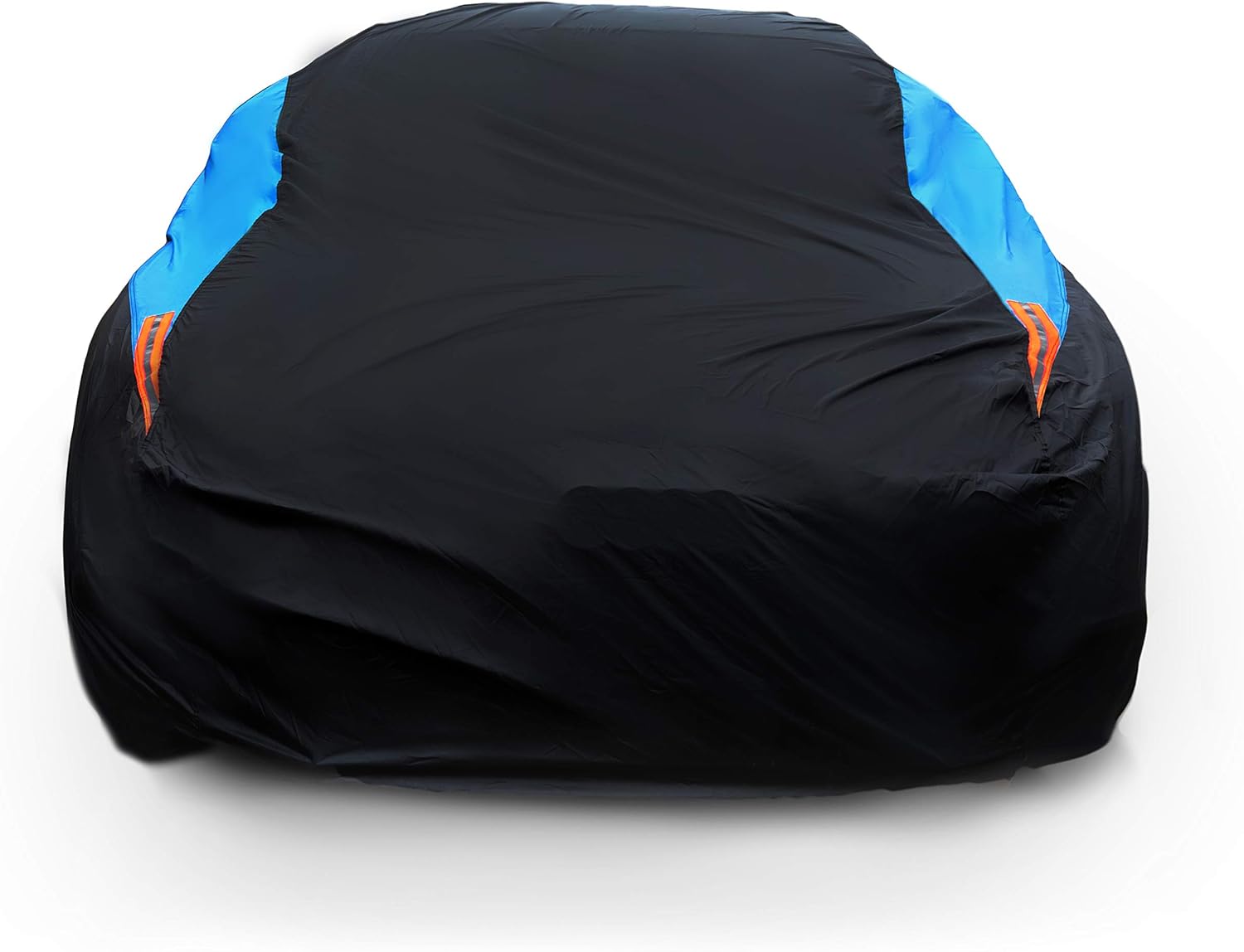
Complete Car Cover Troubleshooting Guide: Fix Every Common Problem
⚡ Quick Answer
Most car cover problems trace back to one of three things: trapped moisture, a poor fit, or the wrong material for your climate. Fix the fit first, dry the car before covering it, and match the fabric to your weather. Most issues clear up within one wash-and-refit cycle.
Fastest Fixes By Symptom
- Scratches or swirl marks: Wash the car and the cover, then check the fit.
- Water spots or mold smell: Dry everything fully before recovering the car.
- Cover flapping or flying off: Add straps or grommets and size down.
Before You Do Anything Else
-
✓
Never cover a wet or dirty car -
✓
Match indoor covers to indoor use only -
✓
Re-check fit after the first wash
You pull the cover off and your stomach drops. There are swirl marks across the hood that weren’t there last week. Or worse, a musty smell greets you before you even see the yellow blotch spreading across the paint.
I’m Daniel Brooks, and I’ve fielded these complaints for years from car owners who did everything “right” and still ended up with a damaged finish. A car cover is supposed to protect your paint, not wreck it. When it goes wrong, there’s almost always a specific, fixable cause.
This guide walks through the real problems car cover owners run into: moisture damage, scratches, poor fit, wind damage, and material breakdown. By the end, you’ll know exactly which fix applies to your situation.
📌 Key Takeaways
-
→
Trapped moisture causes most reported paint damage from car covers, not the cover fabric itself. -
→
A loose or oversized cover is the top cause of wind-driven scratches and swirl marks. -
→
Indoor and outdoor covers use different fabrics, and swapping them causes most breathability complaints. -
→
Small tears can be patched at home and don’t require a full cover replacement.
Why Does My Car Cover Leave Scratches and Swirl Marks?
Scratches almost always come from friction, not from the cover fabric itself. Wind moves a loose cover against the paint thousands of times a night, and any dirt caught underneath acts like sandpaper. A cover that’s too loose can flap in the wind and scratch the paint, while one that’s too tight may rip or stretch around mirrors and bumpers.
Here’s the thing: the fix is rarely a better cover. It’s a better fit and a clean surface underneath.
📋 What’s Really Causing the Scratches
-
Dirty paint underneath: Grit trapped between the cover and the car grinds against the clear coat every time the fabric shifts. -
Loose fit: Universal covers leave slack that flaps in wind and rubs the finish. -
Rough removal: Yanking the cover off drags any remaining grit across the paint on the way.
So what does that mean for you? Wash your car before every cover-on, and take the cover off gently, lifting it away from the paint instead of sliding it. If it’s already been flapping around, you don’t need a new cover. You need a custom or semi-custom fit and a set of anchor straps.
Why Is My Car Cover Trapping Moisture and Causing Mold?
A wet cover on a dry car, or a dry cover on a wet car, creates a sealed, humid pocket right against your paint. That’s the exact environment mold and mildew need to grow. Mold grows wherever surfaces stay wet, and none of the many types of mold can grow without water or moisture present. The same principle applies under a car cover as it does in a damp basement.
One detailer described watching pooled water on top of a cover act like a magnifying glass in full sun, discoloring the paint underneath in yellow blotches.
⚠️ Warning
Never cover a car that’s still wet from rain or washing. Trapped moisture under a cover is the single biggest cause of paint staining and rust.
You might be thinking a fully waterproof cover solves this. It doesn’t. A 100% waterproof cover with no breathability traps whatever moisture is already there, which can make condensation worse, not better.
🔢 Fix a Moisture Problem in 4 Steps
-
1
Pull the cover and let both dry
Air-dry the car and the cover separately for at least a few hours.
-
2
Check for mildew spots on the cover
Wipe any spotting with mild soap and water before it spreads.
-
3
Switch to a breathable outdoor fabric
Look for a cover rated water-resistant and breathable, not 100% sealed plastic.
-
✓
Build a dry-before-cover habit
You’ve now removed the root cause, not just the symptom.
If you already see white powdery oxidation on nearby metal trim or engine parts, that’s a sign moisture levels are too high for the spot where the car is parked. Moving to a sunnier or better-drained spot solves it faster than any cover swap.
How Do I Know If My Car Cover Fits Correctly?
A correct fit sits snug against the body with no billowing fabric and no exposed gaps at the mirrors or bumpers. If you can grab a handful of loose material anywhere on the roof or hood, it’s too big.
The table below shows how fit problems connect to the damage they cause, so you can match your symptom to the cause fast.
Custom and semi-custom covers solve nearly all of these because they’re cut to your exact vehicle’s dimensions.
Here’s why that matters: even the best fabric can’t protect your paint if the cover itself is the thing moving around and causing friction.
How Do I Stop My Car Cover From Blowing Off in Wind?
Wind lift happens when air gets underneath the cover and has nowhere to escape. The fix is mechanical, not a different fabric: anchor points, straps, and a snug fit stop the problem at the source.
-
✓
Cover has grommets or a cable-and-lock system at the bottom edge -
✓
Gust straps are installed under the body, not just draped over -
✓
Elastic hem is still tight, not stretched out from age
If your cover came without straps, aftermarket gust straps are cheap and take five minutes to add. In consistently high-wind areas, that small upgrade prevents most of the tear and scratch complaints tied to wind.
Can I Repair a Torn or Damaged Car Cover?
Small tears are repairable at home in under 30 minutes. A patch kit with self-adhesive polyester patches cut slightly larger than the tear can restore a torn car cover so it keeps protecting your vehicle. Larger rips, brittle fabric, or a coating that’s flaking off are signs it’s time to replace the cover instead.
✅ Repairable
-
+
Small tears or holes under a few inches -
+
Loose seams that haven’t fully separated -
+
Snagged grommets or straps
⚠️ Time to Replace
-
−
Fabric is cracking, flaking, or brittle -
−
Waterproof coating no longer beads water -
−
Multiple large tears across the surface
What Most People Get Wrong About Car Covers
“A thicker cover is always better.” Thickness helps with impact protection, like hail, but it does nothing for breathability. A thick, non-breathable cover can trap more moisture than a thin, well-ventilated one.
“Any cover works both indoors and outdoors.” Indoor covers are lightweight and breathable for dust, not weatherproof. Using one outside invites water penetration and faster wear.
“Car covers cause scratches, so they’re not worth using.” Properly fitted, clean, and dried before use, a cover protects far more than it risks. The scratches people blame on covers almost always trace back to fit or cleanliness, not the concept of covering the car.
Frequently Asked Questions
Do car covers scratch paint?
A cover itself rarely scratches paint. Scratches happen when dirt gets trapped underneath or when a loose cover flaps in the wind, grinding grit against the finish. A clean car and a snug fit prevent nearly all of it.
Can I put a car cover on a wet car?
No. Covering a wet car traps moisture against the paint, creating conditions for mold, mildew, and water stains. Dry the car fully first, and let a wet cover dry before reusing it.
Do car covers cause rust?
Covers don’t cause rust on their own. Rust forms when a cover traps moisture against a wet or damp vehicle for extended periods. Washing and drying your car before covering it removes this risk almost entirely.
How do I know if my car cover fits right?
A well-fitted cover has no loose, billowing fabric and stays snug around the mirrors and bumpers. If you can lift large handfuls of slack anywhere on the body, the cover is too big for your vehicle.
How often should I wash my car cover?
Wash it every few weeks, or sooner if you see visible dirt, sap, or bird droppings. Hand wash or use a gentle machine cycle, then air dry fully. Skip the dryer, since heat can shrink and weaken the fabric.
Can a torn car cover be repaired?
Yes, small tears can be patched with a self-adhesive polyester patch kit, cut slightly larger than the tear itself. Larger rips or cracking fabric usually mean it’s time to replace the cover instead.
What’s the difference between indoor and outdoor car covers?
Indoor covers are lightweight and breathable, built for dust protection only. Outdoor covers are heavier, UV-resistant, and water-resistant or waterproof, built to handle rain, sun, and temperature swings.
Most car cover problems come down to moisture, fit, or the wrong fabric for the job, and every one of those is fixable without buying a new cover. Get the fit snug, keep both the car and cover dry before you cover up, and match the fabric to where you park.
One thing to do right now: Go check your current cover for slack. If you can grab a loose handful anywhere on the body, that’s your first fix.
Further reading: EPA’s guide to mold and moisture control.

Daniel Brooks is an automotive writer and product researcher focused on car accessories, car tech, maintenance, and practical driving guides. At Plug-in Car World, he helps drivers make smarter automotive decisions through honest reviews and research-driven content.