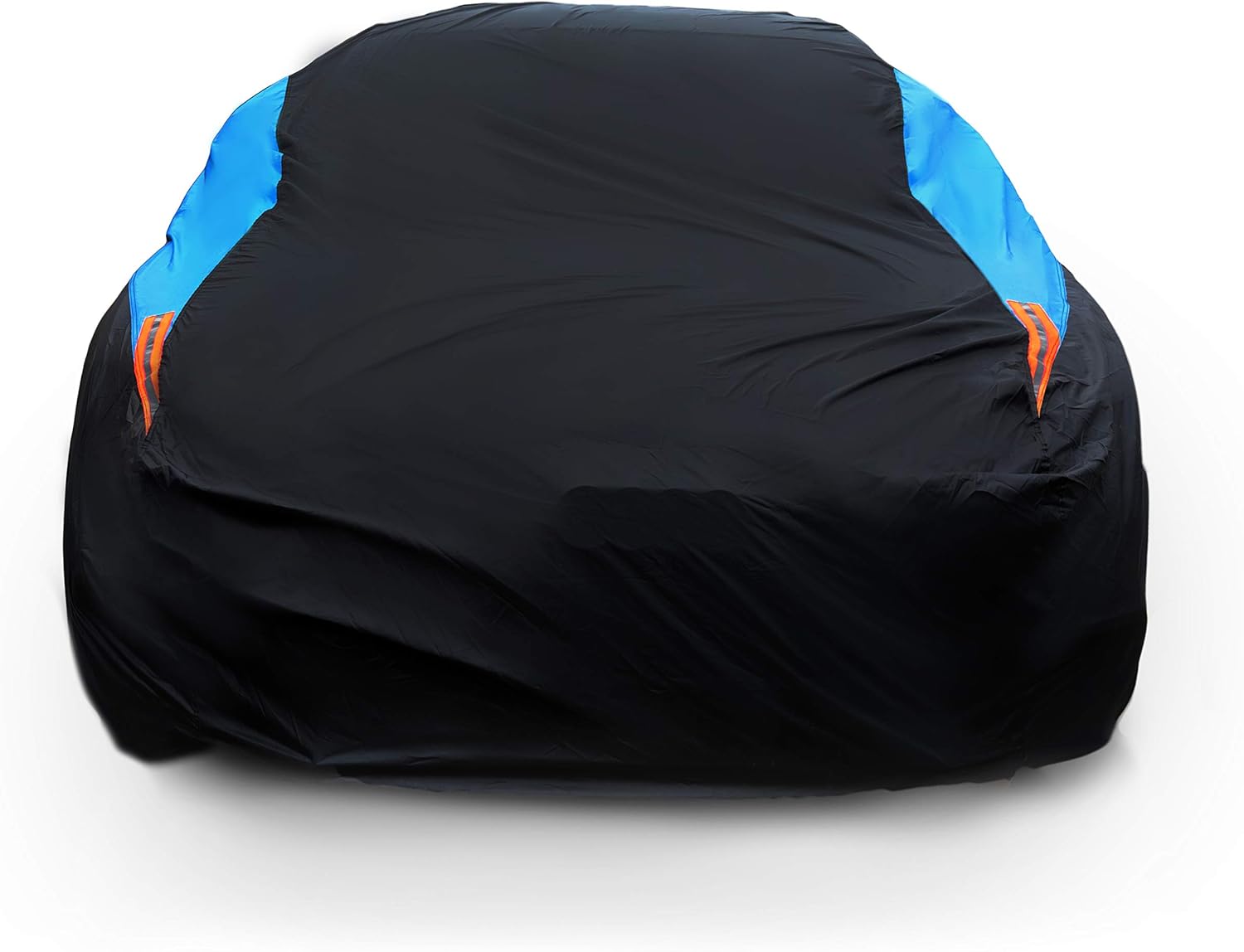
Does a Car Cover Trap Heat? What You Need to Know
⚡ Quick Answer
A car cover can trap heat — but only if it’s made from the wrong material. Non-breathable, dark-colored covers act like a greenhouse and push interior temperatures even higher. Breathable, reflective covers do the opposite: they block UV rays and let trapped heat escape, keeping your car up to 40°F cooler than an uncovered vehicle.
What determines whether your car cover traps heat:
- Material: Non-breathable covers seal heat in; breathable microporous fabrics let it escape.
- Color: Dark covers absorb solar radiation; silver or light-colored covers reflect it away.
- Fit: Loose covers create heat pockets; snug custom-fit covers minimize trapped air.
3 rules for a heat-blocking cover:
-
✓
Choose silver or metallic reflective fabric -
✓
Look for multi-layer breathable construction -
✓
Get a custom or semi-custom fit — not a loose universal cover
You pull off your car cover on a blazing afternoon and the door handle burns your hand. Did the cover make things worse? I’m Daniel Brooks, and after testing multiple cover types in summer conditions, I can tell you this question has a real, specific answer — and it depends entirely on what your cover is made of.
A car cover is not simply “good” or “bad” for heat. The wrong one creates a sealed oven. The right one acts like a parasol. Here’s how to tell the difference.
📌 Key Takeaways
-
→
Non-breathable covers trap heat and can make your interior hotter than an uncovered car. -
→
Reflective breathable covers reduce interior temperature by up to 40°F compared to uncovered cars. -
→
Silver and light-colored covers reflect UV rays; dark covers absorb and amplify heat. -
→
A parked car on a 90°F day reaches 138°F inside after 90 minutes with no cover at all.
Does a Car Cover Actually Trap Heat?
Yes — a bad cover traps heat. A good cover blocks it. The difference comes down to one thing: whether the cover’s material can breathe and reflect, or whether it seals and absorbs.
Your car absorbs heat through 3 physical processes at once. Radiation brings heat in through UV rays. Conduction transfers heat from the hot roof and glass to the air inside. Convection circulates that hot air through the cabin. A non-breathable cover stops hot air from escaping, amplifying all 3 processes inside a sealed space.
Think of it like a greenhouse. Glass lets sunlight in but traps the warm air inside. A non-breathable car cover does the same thing over your entire vehicle. The result is an interior that can hit dangerous temperatures fast.
💡 Key Insight
On a 90°F day, a car interior reaches about 109°F in just 10 minutes and 138°F after 90 minutes. The right cover stops this from happening. The wrong cover makes it worse.
So the real question isn’t whether covers trap heat. It’s whether your specific cover is designed to block heat or seal it in.
What Makes a Car Cover Trap Heat vs. Block It?
The cover’s material is the single biggest factor. Breathable covers let trapped heat escape through microscopic pores in the fabric. Non-breathable covers seal everything in — heat, moisture, and condensation.
Here’s a clear look at how different cover types perform in summer heat:
This table shows how three types of car covers compare when it comes to summer heat performance.
If you use a dark or non-breathable cover outdoors in summer, your car can end up hotter than if it had no cover at all.
How Color Changes Everything
Cover color directly affects how much solar energy hits your car. Silver and metallic covers reflect the sun’s rays away from the surface. Dark covers — black, navy, dark grey — absorb that radiation instead.
Here’s why that matters practically: a silver reflective cover can keep your interior up to 25°F cooler than a comparable dark cover parked in the same conditions. That’s the difference between a hot car and a dangerously overheated one.
How Breathability Changes Everything
Breathability means the fabric has microporous construction — tiny channels that allow hot air and moisture to pass through. You can’t see them with the naked eye, but they’re critical.
Hold a quality breathable cover up to a light. You’ll see small open areas between the yarns. Those gaps let heat escape. A fully sealed cover has no such channels. Heat builds up between the cover and the car with nowhere to go.
⚠️ Warning
Never put a fully waterproof, non-breathable cover on your car in hot summer sun for extended periods. The sealed space becomes an oven, and the trapped moisture promotes mold growth on your car’s surface.
Next, let’s look at how cover fit plays into this problem — because even a breathable cover can trap heat if it doesn’t fit properly.
Does Car Cover Fit Affect How Much Heat Gets Trapped?
Yes — fit matters almost as much as material. A loose, universal-fit cover creates air pockets between the fabric and your car’s panels. Those pockets trap heated air and hold it against the metal and glass.
A snug custom or semi-custom fit minimizes those air gaps. The cover hugs the car’s curves, which means less trapped air volume and better heat circulation through the breathable fabric.
There’s another problem with loose covers: wind. On a breezy day, a loose cover whips against your paint repeatedly. That friction creates micro-scratches on your clear coat over time. Tight fit solves two problems at once — less heat trapping and less paint damage.
✅ Tip
Crack your car windows about 2 inches before putting on a cover in summer. This creates airflow inside the cabin, the same way breathable fabric vents heat through the cover. The cover hides the open windows from view, keeping your car secure.
So the question isn’t just “breathable or not” — it’s also “fitted or loose.” Both shape how much heat builds up underneath.
How Much Can a Good Car Cover Actually Lower Interior Temperature?
The numbers are striking. Testing by EmpireCovers found that even their most basic covers lowered interior temperature considerably versus no cover at all. Their top-performing multi-layer covers with lighter, thicker materials showed the strongest results — and thicker, lighter covers consistently outperformed thin or dark alternatives.
Quality reflective covers with breathable multi-layer construction reduce interior temperature by up to 40°F. Covers with reflective silver material can lower interior temps by 25°F on their own. Even a modest budget cover drops interior temperature meaningfully versus no protection at all.
138°F
Interior temp after 90 min uncovered on a 90°F day
40°F
Max cooling effect from quality reflective breathable cover
25°F
Cooling from silver reflective material alone
So if you’re in Arizona in July and your uncovered car reaches 135°F inside, a quality breathable reflective cover brings that down to around 95°F. That’s still warm, but it’s the difference between a usable car and one that can crack your dashboard.
Those numbers also explain why the cover material matters far more than parking in shade. Research by Arizona State University found that even shaded cars reach dangerous interior temperatures within 2 hours. A quality cover in the shade outperforms no cover in the shade every time.
Can a Car Cover Trap Moisture and Cause Damage?
Yes — and this is where many car owners go wrong. Non-breathable waterproof covers keep rain out. But they also seal in ground moisture, condensation, and humidity underneath.
That trapped moisture has nowhere to go. Over days and weeks, it promotes mold and mildew growth on your paint, glass seals, and trim. In humid climates like Florida or the Gulf Coast, this happens fast.
Breathable covers solve this. Their microporous construction allows ground moisture to evaporate upward through the fabric. The same channels that let heat escape also let moisture escape. It’s the same design solving two problems at once.
📋 Moisture damage signs to watch for under a car cover
-
White powder residue: Cheap covers shed material onto paint as they degrade in heat. -
Mildew smell: Trapped moisture under a sealed cover creates mold within days in humid air. -
Paint watermarks: Condensation trapped under a non-breathable cover can leave etching marks on clear coat. -
Dirt embedded in paint: Never cover a dirty car — grit trapped under the cover gets pressed into the paint.
Always wash your car before covering it. Any dirt or grit between the cover and your paint gets pressed in every time the wind moves the cover. This is one of the most common and avoidable causes of paint damage from car covers.
How to Choose a Car Cover That Blocks Heat Instead of Trapping It
The right summer car cover has 4 non-negotiable qualities. Get all 4 right and your car stays protected. Miss even one and you risk the problems above.
🔢 Step-by-Step: How to Pick a Heat-Blocking Car Cover
-
1
Choose silver or metallic color
Silver reflects UV rays away from the car instead of absorbing them. Avoid dark colors for outdoor summer use.
-
2
Verify breathable multi-layer construction
Look for microporous or breathable fabric. Multi-layer covers (3+ layers) with an inner soft lining and outer UV-resistant shell perform best.
-
3
Get a custom or semi-custom fit
Universal covers create heat-trapping air pockets and flap against your paint in wind. Custom fit eliminates both problems.
-
✓
Confirm UV inhibitor treatment
UV inhibitor chemical treatment blocks solar radiation at the fabric level. This is separate from — and additional to — the reflective color.
Testing by industry researchers confirmed the pattern clearly: the thicker and lighter the cover, the better it performs at keeping interior temperatures low. The worst performers were thin windshield-only reflectors, which only lowered temperature by about 6°F. Full multi-layer breathable covers dramatically outperformed them in every test.
That data should shift how you shop. A cheap single-layer cover isn’t a compromise — it can actively make your situation worse in summer heat.
What Most People Get Wrong About Car Covers and Heat
Myth 1: Any Car Cover Will Keep Your Car Cooler
This is the most common mistake. A dark, non-breathable cover doesn’t protect from summer heat — it amplifies it. The cover creates a sealed air chamber that superheats from direct sun exposure.
The fix is simple: material type matters more than whether you use a cover at all. A breathable reflective cover protects. A dark sealed cover damages.
Myth 2: A Windshield Sunshade Is Just as Good as a Car Cover
Windshield sunshades only lower interior temperature by about 6°F. They’re placed inside the car, which means the sun still penetrates through the glass and heats the cabin. A full exterior cover blocks UV rays before they reach the glass at all.
Testing confirms sunshades are “useless when compared to even the most basic car covers available.” A full cover wins every time for heat protection — even budget ones outperform sunshades significantly.
Myth 3: Parking in Shade Makes a Cover Unnecessary
Shade helps but it’s not enough. Research from Arizona State University found that cars parked in shade still reach dangerous interior temperatures within 2 hours. The greenhouse effect works even without direct sunlight. A breathable reflective cover adds a critical extra layer of protection even in shaded parking.
What Happens to Your Car If Heat Builds Up Repeatedly?
Heat damage accumulates over months, not overnight. But the effects are permanent and expensive. Here’s what consistent heat exposure does to a car’s interior and exterior:
The clear coat on your paint begins to oxidize and fade under repeated UV exposure. Once the clear coat breaks down, the base color fades fast and paint jobs cost $1,500 to $5,000 to fix. Dashboard plastic and vinyl crack and warp as the polymers dry out from heat cycling. Leather seats lose oils and begin to stiffen and crack at the seams.
But here’s what surprises most people: heat affects safety systems too. Extreme heat degrades airbag materials and can weaken seat belt webbing over time. It also stresses the battery — accelerating off-gassing and shortening battery life in hot states like Texas and Arizona.
So “protecting my car’s look” is actually the least of the concerns. Heat protection is about keeping your car mechanically sound and safe. You can learn more about how heat stress affects vehicle systems in general from the Consumer Reports auto safety research team, which has conducted extensive testing on vehicle interior heat behavior across seasons.
Recommended Car Cover for Heat Protection
Recommended Product
EzyShade 10-Layer Car Cover Waterproof All Weather — Full Exterior Covers — Winter Rain Sun SUV Sedan
★★★★★ Highly rated on Amazon — Amazon Bestseller in Full Exterior Covers
This 10-layer reflective cover uses a UV-reflective aluminum layer and breathable construction to block heat before it reaches your car — ideal for anyone parking outdoors in summer climates.
As an Amazon Associate, we earn from qualifying purchases.
Conclusion
A car cover traps heat when it’s the wrong type — dark, non-breathable, and poorly fitted. The right cover does the opposite: a silver reflective, breathable multi-layer cover blocks UV radiation and allows trapped heat to escape, keeping your interior up to 40°F cooler than an uncovered car.
The single most important thing to check is breathability. If the cover can’t vent, it seals heat in — and your car’s paint, dashboard, and battery all suffer for it. Material and color come right after that.
Do this right now: check your current cover. Hold it up to a light. If you can’t see any light passing through the fabric, replace it before summer gets into full swing. Your car’s interior will thank you for it.
Frequently Asked Questions
Does a car cover make your car hotter?
A non-breathable or dark-colored car cover can make your car hotter by sealing heat inside instead of letting it escape. A silver reflective breathable cover does the opposite — it blocks UV rays and vents trapped heat, reducing interior temperature by up to 40°F compared to an uncovered car.
What color car cover is best for summer heat?
Silver or light-colored covers are best for summer. They reflect the sun’s rays away from the car’s surface instead of absorbing them. Dark covers — black, navy, or dark grey — absorb solar radiation and can raise interior temperatures significantly in direct sunlight.
Can a car cover trap moisture and cause mold?
Yes — non-breathable waterproof covers seal moisture underneath, which leads to mold, mildew, and paint damage over time. Breathable covers allow ground moisture to evaporate through the fabric, preventing buildup. Always choose breathable construction for long-term outdoor use.
Is a breathable car cover better than a waterproof one for summer?
For summer, breathable is better than fully waterproof when those two properties conflict. The best covers combine both — a breathable outer layer that still repels rain and reflects UV rays. Fully sealed waterproof covers are designed for winter storage, not hot-weather daily use.
How much can a car cover reduce interior temperature?
A quality reflective breathable cover can reduce interior temperature by up to 40°F compared to an uncovered car. Silver reflective material alone lowers temperature by about 25°F. Thicker, lighter-colored multi-layer covers consistently outperform thin or dark covers in independent testing.
Does a car cover protect from UV rays and sun damage?
Yes — a quality car cover with UV inhibitor treatment blocks the ultraviolet rays that fade paint, crack dashboards, and dry out leather seats. UV rays are the biggest driver of interior and exterior heat damage. Covers with UV-reflective coatings block radiation before it reaches the car’s surface.
Should I put a car cover on if I don’t have a garage?
Yes — a breathable reflective cover is one of the best alternatives to a garage for outdoor parking. It protects against UV damage, bird droppings, tree sap, and heat. AutoZone and Consumer Reports both confirm that a quality full cover outperforms windshield sunshades and parking in shade alone.

Daniel Brooks is an automotive writer and product researcher focused on car accessories, car tech, maintenance, and practical driving guides. At Plug-in Car World, he helps drivers make smarter automotive decisions through honest reviews and research-driven content.