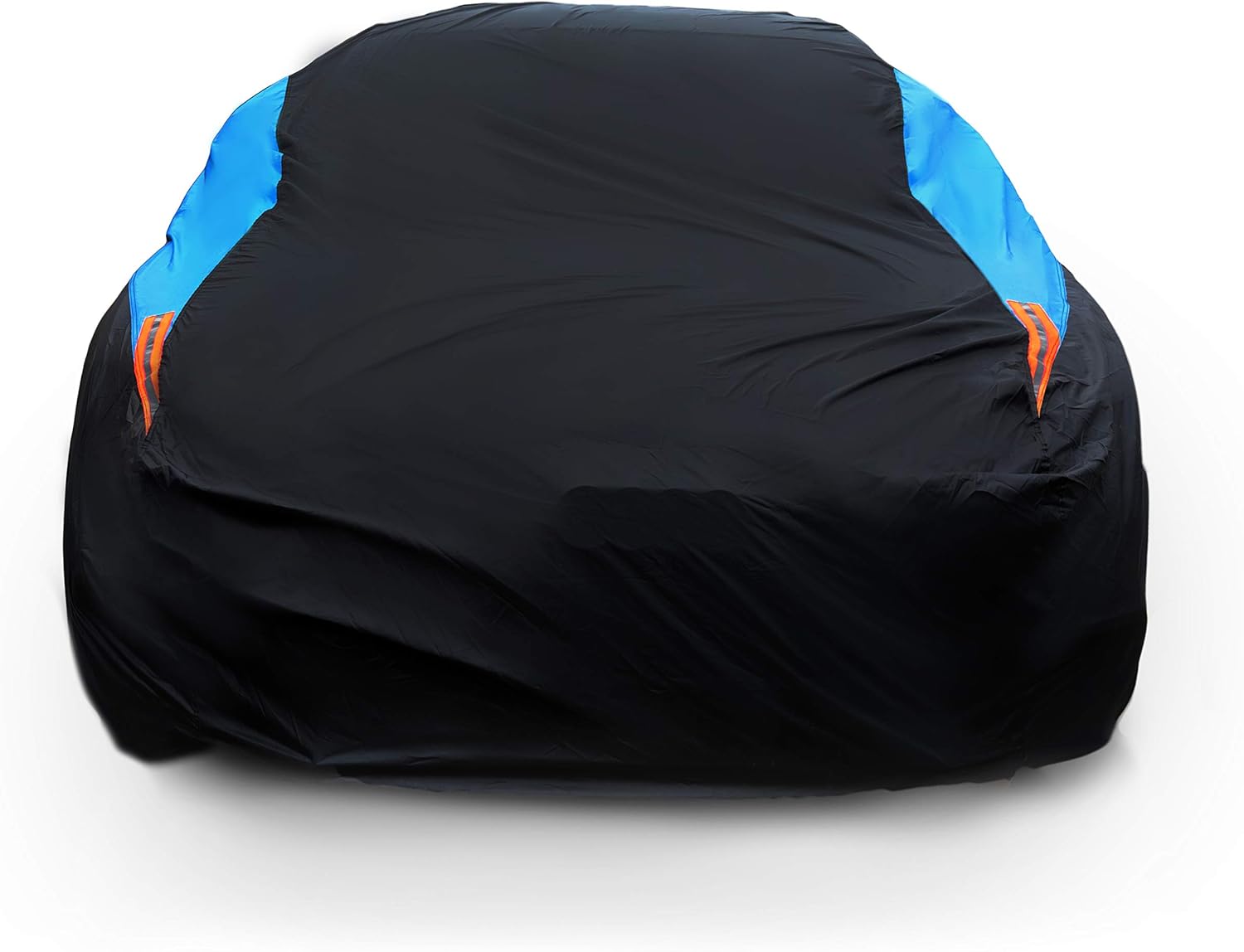
Desert Climate Car Cover Problems Explained
⚡ Quick Answer
Desert climates attack car covers from three directions at once: intense UV radiation breaks down fabric and thread, heat buildup underneath can warp panels and trap moisture, and dust and sand grind against the surface like sandpaper. A breathable, UV-treated, multi-layer cover with reinforced seams solves most of these problems if you fit and secure it correctly.
Why Desert Conditions Wear Out Covers Fast
- UV exposure: Desert states often hit “very high” or “extreme” on the UV Index for months.
- Heat buildup: A parked, covered car can still trap enough heat to soften plastic trim.
- Abrasive dust: Fine sand works into fabric fibers and scratches paint with every gust.
Fast Fixes Worth Doing This Week
-
✓
Check your cover’s UV rating before next summer hits. -
✓
Shake out dust before every cover removal, not after. -
✓
Swap a non-breathable cover for one with a vapor layer.
Daniel Brooks has watched a lot of car covers fail in the desert, and they almost never fail the way owners expect. The paint looks fine. The cover doesn’t. After one Phoenix summer, a cheap cover can turn brittle, fade to a chalky gray, and tear along the seams the first time the wind picks up.
If you park outside in a desert climate, your cover isn’t just fighting rain like it would in Seattle. It’s fighting sun radiation strong enough to degrade plastic, heat that can exceed 150°F under the hood line, and sand fine enough to work its way into woven fabric. Most of the “my cover only lasted one season” complaints trace back to one of these three forces.
Here’s what’s actually happening to your cover out there, and which fixes make a real difference.
📌 Key Takeaways
-
→
UV breakdown is the top reason desert car covers fail, not rain or cold. -
→
Non-breathable covers trap condensation underneath, which can damage paint faster than no cover at all. -
→
Sand and dust act as an abrasive, so shaking out a cover before each use matters more than the fabric grade. -
→
Loose straps in desert wind cause more visible wear than sun damage in the first year.
Why Does UV Exposure Wreck Car Covers So Fast?
UV radiation breaks down the polymer chains that hold cover fabric together. Once those chains snap, the material turns brittle, chalky, and weak. That’s why an old cover often tears the moment you fold it, even without a visible rip beforehand.
Desert states combine three things that push UV exposure higher than almost anywhere else in the country: low latitude, high elevation, and mostly clear skies. The EPA and National Weather Service rate most of the continental US between 6 and 10 on the UV Index in summer, with high-altitude desert cities routinely exceeding 10. That’s the same “extreme” category dermatologists warn about for skin.
So what does that mean for your cover? A fabric rated for “all weather” in a mild climate may only last one desert summer instead of three to five years. The fix isn’t more layers for the sake of it — it’s a cover with a treated, UV-stabilized outer shell.
✅ Tip
Look for “UV-stabilized” or “UV-treated” in the product description, not just “UV-resistant.” Stabilized means chemical additives slow the breakdown; resistant alone can just mean a darker color.
Does a Car Cover Actually Trap Heat Underneath?
Yes, and this surprises a lot of owners. A dark, non-breathable cover can act like a greenhouse. Heat radiates off the metal body, gets trapped between the cover and the paint, and has nowhere to escape. Federal lab testing on parked-vehicle heat soak found that surface temperatures under direct desert sun can climb past 150°F before any cover is even added, and a sealed cover can hold that heat against the paint instead of letting it dissipate.
This is why “100% waterproof” isn’t automatically the best feature for a desert climate. A cover needs a breathable layer or microporous membrane that lets hot air and moisture vapor escape while still blocking dust.
You might be thinking a thicker cover should block more heat. Here’s why that’s not quite right: thickness blocks UV penetration, but only a breathable design actually releases the heat that builds up underneath.
Here’s how the two common cover types compare for desert use.
If your current cover doesn’t mention breathability at all, assume it’s sealed and plan to replace it before next summer.
Why Does Desert Dust and Sand Damage the Cover and Paint?
Dust isn’t just dirt sitting on the surface. Fine desert sand is hard, angular, and constantly moving in the wind. Every time the cover shifts against the body — even slightly — trapped grit grinds tiny scratches into both the fabric and the clear coat underneath.
This is the part most owners get backwards. They wait until the cover looks dirty to clean it. By then, the grit has already been grinding against the paint for days or weeks.
⚠️ Warning
Never pull a dusty cover on or off in a hurry. Shake it out away from the car first, or you’re rubbing sandpaper across your paint with every motion.
So what should you actually do? Shake out the cover before you put it on, not just when you take it off. A quick rinse of the cover itself every few weeks during dust storm season also helps it last longer.
How Do Desert Winds Cause Cover Failure?
Desert afternoons often bring sudden gusts, especially during monsoon season. A cover that isn’t strapped down tightly will flap against the body for hours, and that constant friction wears through fabric at the high points first — the hood, roof edges, and mirrors.
Loose covers also fail at the grommets and elastic hem before the main fabric gives out. Once a strap snaps or an elastic edge stretches out, wind gets underneath and the whole cover can tear loose.
📋 What to Check Before Storm Season
-
Front and rear straps: tighten until the cover can’t lift at the bumper line. -
Elastic hem: replace the cover if the hem no longer snaps back tight. -
Grommets: add a cable lock through them for added wind security overnight.
What Most People Get Wrong About Desert Car Covers
Most car cover problems in the desert aren’t manufacturing defects. They’re three avoidable habits.
Myth: A waterproof cover is automatically the best choice. In a desert climate, breathability matters more than waterproofing. A fully sealed cover traps the little moisture that does exist — morning dew, wash water, humidity swings — against the paint.
Myth: Dark colors don’t matter for a cover. Dark fabric absorbs more heat and can run hotter underneath than a lighter, reflective cover, even with the same material.
Myth: One cover style works in any climate. A cover built for snow and ice resistance is optimized for completely different stresses than one built for UV and heat. Buying based on price alone usually means buying the wrong category for your climate.
Conclusion
Desert climates don’t just shorten a car cover’s life — they target it from three directions: UV breakdown, trapped heat, and abrasive dust. A breathable, UV-stabilized cover with secure straps solves most of these problems before they start.
The single biggest win is also the cheapest fix: shake the cover out fully before every use. It takes 30 seconds and removes the grit that causes most of the visible scratching desert owners blame on “bad luck” instead of sand.
Frequently Asked Questions
How long does a car cover last in the desert?
A budget cover often lasts one summer in desert sun. A UV-stabilized, breathable multi-layer cover, properly secured and cleaned, can last 3 to 5 years in the same conditions.
Can a car cover make my car hotter inside?
A sealed, non-breathable cover can trap radiant heat against the body, sometimes making surface temperatures higher than an uncovered car in shade. A breathable, reflective cover avoids this by venting trapped heat.
What color car cover is best for desert heat?
Lighter, reflective colors like silver or tan reflect more solar radiation than dark colors. A reflective outer layer keeps the space under the cover noticeably cooler in direct desert sun.
Should I wash my car cover regularly in dusty conditions?
Yes. During dust storm season, rinse the cover every few weeks and always shake it out before putting it back on. Trapped grit grinds against both the fabric and your paint.
Will a cheap car cover work fine in the desert?
Usually not for long. Budget covers often lack UV-stabilizing treatment, so they turn brittle and tear within a single desert summer, costing more in replacements than one quality cover.
Do I need a cover if I park in a carport?
A carport blocks direct sun but not blowing dust, reflected heat, or side-angle UV at sunrise and sunset. A lighter cover still helps even under partial shade structures.
How tight should the straps be in windy desert conditions?
Tight enough that the cover can’t lift or flap at the bumper line in a strong gust. Loose straps let wind get underneath, which causes friction tears faster than UV exposure does.
Sources: EPA UV Index, National Renewable Energy Laboratory vehicle thermal soak testing.

Daniel Brooks is an automotive writer and product researcher focused on car accessories, car tech, maintenance, and practical driving guides. At Plug-in Car World, he helps drivers make smarter automotive decisions through honest reviews and research-driven content.