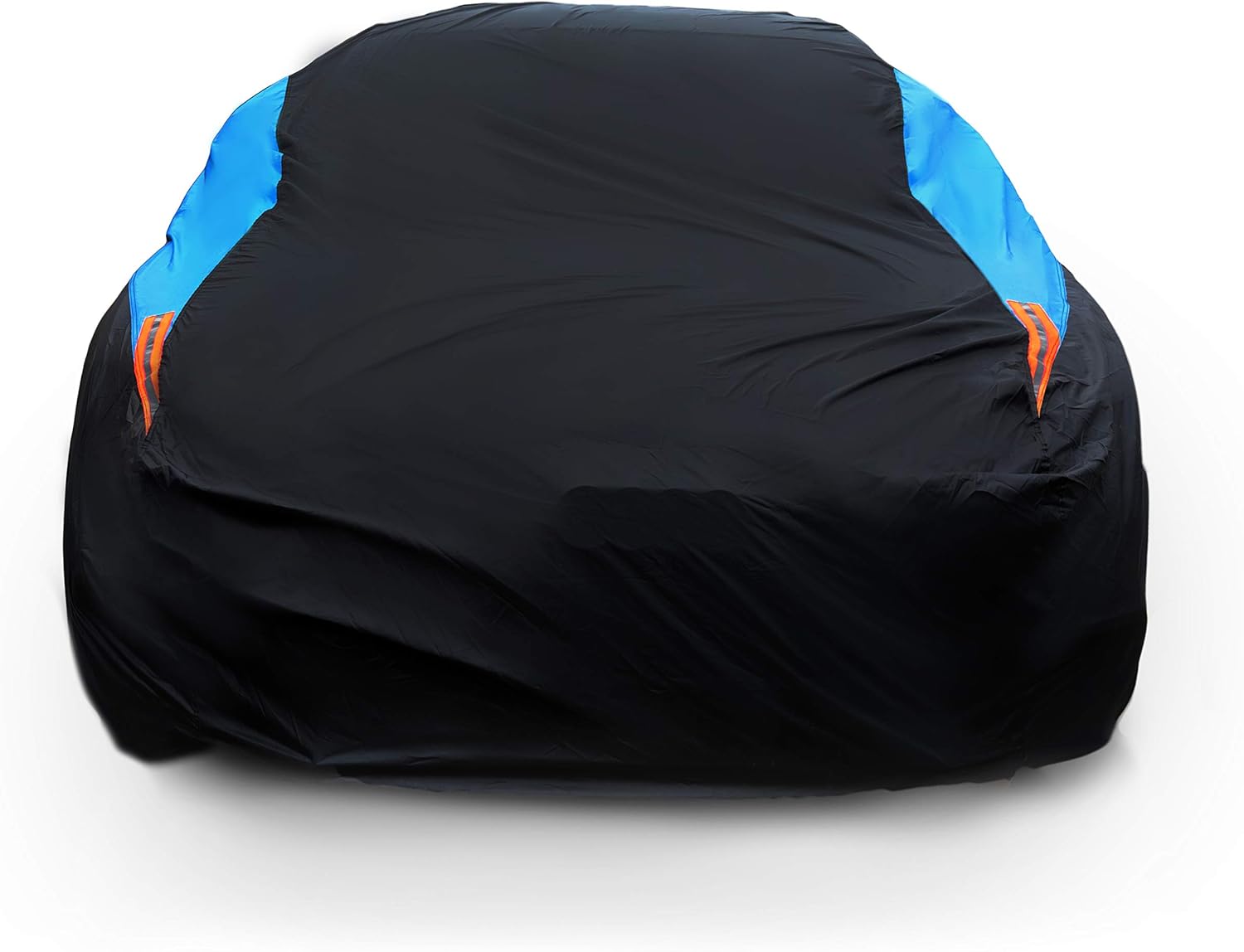
How to Stop Condensation Under a Car Cover (6 Proven Fixes)
⚡ Quick Answer
To stop condensation under a car cover, switch to a breathable cover, dry your car before covering it, and place silica gel packs underneath. Condensation forms when warm humid air meets the cool metal surface of your car — trapping it with a non-breathable cover makes it far worse and risks paint damage.
Top fixes for condensation under a car cover:
-
1
Switch to a breathable, multi-layer car cover immediately -
2
Always cover a dry car — never cover a wet or damp one -
3
Place silica gel packs inside and lift the cover monthly -
4
Park on concrete, not grass or gravel, to reduce ground moisture
Signs your cover is making condensation worse:
-
✓
Water pools around the cover’s edge after warm days -
✓
Paint feels damp every time you remove the cover -
✓
Musty smell or water spots appear on paint or glass
You pull off your car cover expecting a clean, dry finish — and instead find the paint dripping wet. That sinking feeling is familiar to thousands of car owners, and I’m Michael, here to walk you through exactly why it happens and how to fix it for good. Condensation under a car cover is one of the most overlooked causes of rust, paint fade, and mold damage. The good news? It’s completely preventable once you understand what’s driving it.
📌 Key Takeaways
-
→
Non-breathable covers trap moisture against your paint every single night, cycling damage with every temperature drop. -
→
Breathable multi-layer covers block liquid rain from outside while letting water vapor escape outward through the fabric. -
→
Parking on grass or gravel increases under-cover condensation — ground moisture rises and collects beneath the cover. -
→
Lifting the cover once a month releases trapped moisture and prevents long-term rust and mold from forming underneath.
Why Does Condensation Form Under a Car Cover?
Condensation forms when warm, humid air meets a surface that’s cooler than the dew point. At night, your car’s metal body cools down fast. If the air under the cover holds moisture, that moisture turns to liquid droplets directly on your paint.
The problem gets much worse with a non-breathable cover. A fully sealed waterproof cover traps the air under it. Every night, the temperature drops, the metal cools, and moisture condenses against your clear coat — again and again, with every temperature swing.
But here’s the thing. The cover itself doesn’t create moisture. It either allows it to escape or forces it to stay. That one difference determines whether your cover protects your car or slowly ruins it.
📋 Main sources of moisture under a car cover
-
Ambient humidity: Warm outdoor air holds water vapor that condenses on your car’s cool metal at night. -
Ground moisture: Vehicles parked on grass or gravel sit above damp ground — water vapor rises and collects under the cover. -
Covering a damp car: Putting the cover on a wet or recently washed car traps surface water underneath immediately. -
Rain leaking through: Low-quality waterproof covers can allow rain in while still trapping the moisture that’s already inside.
So if you’re seeing water under your cover every morning, you’re almost certainly dealing with one or more of these 4 sources — and the next section tells you exactly how to shut each one down.
Is Condensation Under a Car Cover Bad for Your Paint?
Yes — and it’s worse than most people realize. A single morning of condensation won’t destroy your paint. But night after night of trapped moisture against your clear coat will. The damage builds up in stages, and by the time you see it, it’s expensive to fix.
Rust is the biggest risk. Metal surfaces that stay wet for extended periods begin to corrode — especially at seams, door edges, and areas where the clear coat has any tiny crack. According to car detailing experts, paint bubbling from trapped moisture is one of the most common long-term storage mistakes.
3
Damage types: rust, mold, paint fade
1×
Per night with a sealed cover
100%
Preventable with the right cover
Mold and mildew are the second threat. They grow in damp, dark, poorly ventilated spaces — which is exactly what a sealed cover creates. Mold doesn’t just smell bad. It eats into soft trim, seals, and fabric over time. The EPA’s guidance on mold and moisture control confirms that eliminating moisture is the only reliable way to prevent mold growth.
Water spots are the third issue. Repeated cycles of condensation drying on paint leave mineral deposits that etch into the clear coat. They start as cosmetic marks but become permanent damage if left untreated.
⚠️ Warning
Never put a non-breathable waterproof cover on a car for long-term storage. The trapped moisture cycles daily with temperature swings and causes rust and paint damage that looks unrelated to weather — until you find it months later.
The damage from trapped moisture doesn’t look dramatic at first. That’s what makes it so dangerous. By the time rust or paint bubbling appears, the underlying damage has been building for weeks.
How to Stop Condensation Under a Car Cover: 6 Proven Fixes
The fastest way to stop condensation under a car cover is to switch to a breathable cover and always cover a dry car. Those two steps alone solve most of the problem. But if you want complete protection, here are all 6 fixes working together.
🔢 Step-by-Step: Stop Condensation Under Your Car Cover
-
1
Switch to a breathable multi-layer cover
A breathable cover lets water vapor pass outward through the fabric while blocking liquid rain from coming in. This is the single biggest fix.
-
2
Always cover a completely dry car
Let the car air-dry fully after washing or rain before putting the cover on. Covering a wet car seals surface water directly against the paint.
-
3
Place silica gel packs inside the car
Silica gel absorbs moisture from the air trapped inside. Place 2–3 packs on the dashboard and rear shelf. Recharge them monthly in the microwave for 3 minutes.
-
4
Park on concrete, not grass or gravel
Ground moisture from grass and gravel rises up and collects under the cover. Concrete is dry and solid — it blocks ground-sourced vapor from reaching the car.
-
5
Lift the cover once a month
Even a breathable cover needs a monthly “airing out.” Lift it for 30 minutes on a dry day to let any trapped moisture escape before it causes problems.
-
✓
Crack a car window slightly for long-term storage
A slightly open window prevents a humid microclimate from building inside the cabin during weeks-long storage. Only do this in a secure parking spot.
You don’t need to do all 6 at once to see results. Steps 1 and 2 alone will cut condensation dramatically. The remaining steps give you full protection during high-humidity seasons or long storage periods.
What Type of Car Cover Prevents Condensation?
A breathable, multi-layer car cover is the only type that genuinely prevents condensation from building up under the cover. Fully waterproof non-breathable covers — including cheap plastic tarps and single-layer coated nylon — do the opposite. They seal moisture in.
The science is simple. Water in liquid form can’t pass through a tightly woven breathable fabric from the outside in — so rain is blocked. But water as vapor can diffuse outward through the same fabric without pressure. That means condensation evaporates away instead of pooling against your paint.
Here’s how the main cover types compare when it comes to condensation control and paint protection:
The breathable multi-layer cover is the only outdoor option that protects from both rain and condensation at the same time — the other types solve one problem while worsening the other.
Look for covers made from multi-layer polypropylene or polyester with a breathable vapor membrane in the middle. Brands like Budge, Covercraft, and Coverking all make covers that balance water resistance with real airflow.
Recommended Product
Budge Rain Barrier Car Cover — Outdoor, Water-Resistant, Breathable (3-Layer)
★★★★☆ Highly rated on Amazon
Built with 3 layers of spun-bond polypropylene and a breathable center film, this cover lets condensation escape while keeping rain out — ideal for outdoor parking where moisture buildup is the core problem.
As an Amazon Associate, we earn from qualifying purchases.
Does Silica Gel Actually Work Under a Car Cover?
Yes — silica gel packs genuinely reduce the moisture level in the air trapped under and inside your car cover. They work by absorbing water vapor before it has a chance to condense on your car’s cool metal surfaces. Think of them as a small dehumidifier that costs almost nothing.
The key is placement. Put 2–3 silica gel packs on the dashboard and rear shelf inside the car. Some people also place a small container of silica gel pellets on the ground directly under the car in a sealed-floor garage. Both help reduce ambient humidity in the covered zone.
✅ Tip
Recharge silica gel packs every 4 weeks. Place them in the microwave for 3 minutes or in an oven at 250°F for 30 minutes. They turn from white or orange back to blue or clear when dry and ready to use again.
You might be thinking silica gel is a complete solution. It isn’t. It’s an effective tool alongside a breathable cover — not a replacement for one. A breathable cover removes moisture continuously. Silica gel is a secondary backup that handles what the cover misses on very humid nights.
Cat litter works as a cheap silica gel alternative. Pour it into a tied stocking and place it inside the car. It absorbs odors and some moisture. It’s not as effective as proper silica gel, but it costs almost nothing and is worth using if you have it on hand already.
How Does Parking Surface Affect Condensation Under a Car Cover?
The ground your car sits on is a major but often ignored source of under-cover condensation. Grass and gravel hold moisture — and that moisture evaporates upward, rising under the cover where it condenses on your car’s cooler body panels.
Concrete is the best surface. It’s relatively dry and doesn’t release vapor the way organic surfaces do. If you must park on gravel or grass, placing a large tarp or plastic vapor barrier flat on the ground under the car creates a physical block between the damp earth and the air under your cover.
According to Classic Additions, a respected UK car cover manufacturer, vehicles not parked on concrete hardstanding are noticeably more prone to condensation forming under covers. This matches what car owners report in forums — simply moving from a gravel driveway to a concrete pad cuts condensation significantly, even before changing the cover.
💡 Key Insight
Your cover and your parking surface work together. A perfect breathable cover over a car on damp grass will still produce more condensation than an average cover over a car on dry concrete. Fix both for the best results.
Seasonal Tips: Managing Condensation Year-Round
Condensation isn’t a year-round problem at the same intensity. It peaks in spring and autumn, when temperatures swing wildly between day and night. These swings create the perfect cycle: warm humid daytime air gets trapped, then night temperatures drop, and all that vapor condenses at once.
Winter Storage
In winter, consistent cold actually reduces condensation because there’s less moisture in frozen air. But when mild days interrupt cold spells, moisture forms and can’t evaporate if temperatures don’t rise high enough. Lift the cover for 30 minutes on any dry mild winter day to release any trapped moisture before it freezes and causes paint damage.
Spring and Autumn
These are the worst seasons for under-cover condensation. Temperature swings of 15–20°F between day and night are common. Your car cools down fast at night — and if the air under the cover is still warm and humid from the day, you’ll get heavy condensation by morning.
The fix is simple: lift the cover monthly during autumn and spring. On dry warm days, let the car breathe for 30–60 minutes before re-covering it. This breaks the cycle before moisture can build up to damaging levels. As Classic Additions recommends, even the best covers need this monthly lift to perform at their best during erratic seasonal weather.
Summer
Summer is the lowest-risk season. High daytime temperatures mean moisture evaporates quickly through breathable cover fabric. Still, in humid coastal climates, a dehumidifier in a covered garage can help during extended storage. A garage dehumidifier set to 50% humidity creates a dry environment where condensation rarely forms at all.
What Most People Get Wrong About Car Cover Condensation
Most car owners make the same 3 mistakes with cover condensation — and they all come from misunderstanding what actually causes the problem. Let’s fix that now.
📋 Common misconceptions about car cover condensation
-
“Waterproof means better protection”: A 100% waterproof sealed cover blocks rain but traps every drop of condensation against your paint overnight. Water-resistant AND breathable is what you actually need outdoors. -
“The cover creates the moisture”: The cover doesn’t make moisture — it either lets existing moisture escape or traps it. The source is always the air, the ground, or the car surface itself. -
“One morning of condensation won’t cause damage”: A single night is fine. But with a non-breathable cover, the cycle repeats every night — and it’s the cumulative daily moisture that causes rust, mold, and paint bubble damage over weeks.
The bottom line: don’t judge a car cover by its waterproof rating alone. Judge it by whether it lets moisture vapor escape. That single property separates covers that protect your car from covers that damage it slowly over time.
Conclusion
Condensation under a car cover is a real threat to paint, metal, and interior surfaces — but it’s 100% preventable. Switch to a breathable multi-layer cover, always cover a dry car, use silica gel packs, and lift the cover monthly. Those 4 steps eliminate most condensation risk in almost any climate.
The right cover does the heavy lifting. Everything else is a backup. One quick action you can take right now: check your current cover’s label for the word “breathable.” If it only says “waterproof,” it’s trapping moisture against your paint tonight.
Frequently Asked Questions
Why is there condensation under my car cover?
Condensation forms when warm humid air meets the cooler metal surface of your car. At night, temperatures drop, the car body cools below the dew point, and water vapor in the trapped air turns to liquid on your paint. A non-breathable cover makes it far worse by preventing that moisture from escaping.
Does a car cover cause condensation?
The cover itself doesn’t create moisture — but a non-breathable cover traps existing moisture against your paint. A breathable cover allows vapor to evaporate outward and actually reduces how long your car stays wet after condensation forms.
Should I use a breathable or waterproof car cover?
For outdoor use, choose a breathable water-resistant cover — not a fully sealed waterproof one. The best outdoor covers block liquid rain from the outside while letting water vapor escape from the inside. Both functions happen through the same woven fabric at the same time.
Can I put silica gel under a car cover?
Yes. Place 2–3 silica gel packs inside the car on the dashboard and rear shelf to absorb airborne moisture. You can also place silica gel containers on the garage floor under the car. Recharge packs in the microwave every 4 weeks to keep them effective.
How often should I lift my car cover to prevent condensation?
Lift the cover at least once a month, ideally on a dry, mild day. Leave the car uncovered for 30–60 minutes to let trapped moisture evaporate. During spring and autumn when temperatures swing wildly, lift it every 2 weeks for best results.
Does covering a wet car cause damage?
Yes. Covering a wet car seals surface water directly against the paint. Even a breathable cover can’t evacuate standing water quickly enough to prevent water spot formation on the clear coat. Always let the car dry completely before covering it.
Is condensation under a car cover bad for paint long-term?
Yes, when moisture is trapped repeatedly over weeks or months. Chronic condensation against paint causes water spot etching in the clear coat, rust on metal panels, mold on seals and trim, and paint bubbling from underneath. A single night of condensation is harmless; nightly cycles over months are not.

Daniel Brooks is an automotive writer and product researcher focused on car accessories, car tech, maintenance, and practical driving guides. At Plug-in Car World, he helps drivers make smarter automotive decisions through honest reviews and research-driven content.