
How to Install a Steering Wheel Cover Easily (Step-by-Step)
Quick Answer
To install a steering wheel cover easily, warm the cover up in the sun or with a hairdryer to make it pliable, center the top of the cover over the top of the steering wheel, and stretch the remaining material downward evenly over both sides until the entire cover snaps securely into place.
Preparing the Steering Wheel and Cover for Installation
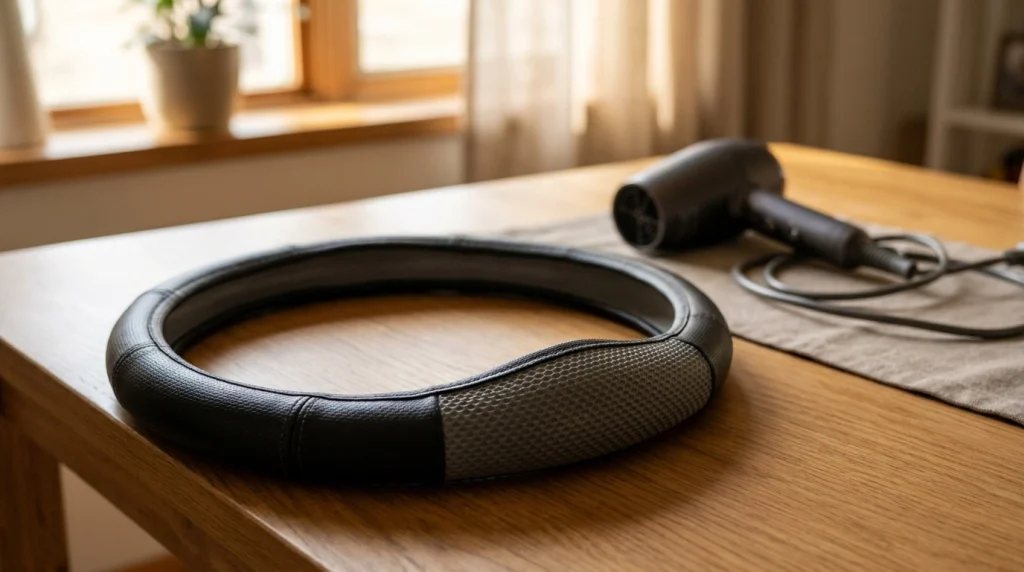
Installing a steering wheel cover can sometimes feel frustrating if the material is rigid or cold. Most steering wheel covers are designed with a tight inner rubber core to prevent slipping during driving, which means they require some tension and stretch to fit snugly over the steering rim.
Before attempting installation, temperature management is the single most effective way to make the process easier. Cold rubber or synthetic leather stiffens significantly, making it much harder to stretch over the wheel diameter. Warming the material beforehand relaxes the inner core and increases elasticity.
If the weather is cool, place the steering wheel cover out in direct sunlight for 15 to 20 minutes before you begin. Alternatively, you can use a hairdryer on a medium heat setting to warm the inner lining evenly, taking care not to overheat or melt any synthetic components. Once the cover is warm and flexible, park your car in a shaded area or roll down the windows if working in direct summer heat so the interior remains comfortable.
Step-by-Step Installation Process
Working methodically prevents uneven stretching or pinching of the steering wheel material. Follow these sequential steps to mount the cover cleanly and securely without damaging your steering wheel or the accessory.
- Center the top section: Align the center-top interior of the cover with the top-center point of your steering wheel. If your cover has a specific top design, logo, or seam pattern, ensure it faces outward and lines up correctly.
- Slip the top over the wheel rim: Hook the upper edge of the cover over the top of the steering wheel, pulling it downward slightly so it anchors firmly across the upper quadrant.
- Work downward along both sides: Using both hands, stretch the cover outward and downward simultaneously along the left and right sides of the steering wheel. Maintain equal tension on both sides so the cover seats evenly rather than pulling crookedly.
- Progress toward the bottom: Gradually feed the material down the lower half of the wheel rim. As you reach the final quarter, the opening will naturally become tighter due to the remaining tension in the rubber core.
- Secure the final bottom section: Place your hands near the bottom opening, pull firmly downward and outward, and roll the last remaining section of the cover over the bottom edge of the steering wheel until it snaps completely into place.
Common Installation Challenges and Solutions
Even with proper preparation, certain vehicle sizes and cover materials present unique hurdles. Understanding common pitfalls helps prevent frustration and ensures a secure, professional-looking result.
If the cover feels like it is an inch or two too small, do not force it aggressively or use sharp metal tools like screwdrivers to pry it on. Prying tools can puncture the material, scratch your steering wheel leather, or damage integrated steering wheel controls and airbag housings. Instead, reheat the cover using the sun or a hairdryer to restore its flexibility.
Another common issue is off-center alignment once the cover is partially installed. If you notice the pattern or seams are crooked halfway through, it is much easier to peel the bottom sections off and restart from the top center than it is to twist a fully seated tight cover around the steering rim.
Checking Fitment, Safety, and Alignment
Once the cover is fully seated, take a moment to perform a quick safety and alignment check before driving your vehicle. A properly installed steering wheel cover should feel completely uniform around the entire circumference of the wheel without bulging, twisting, or loose pockets of fabric.
Grip the steering wheel and attempt to rotate the cover independently of the wheel itself. The inner anti-slip rubber lining should grip the steering rim firmly enough that the cover does not rotate or shift when you apply turning pressure. If the cover slips or rotates freely during stationary testing, remove it and consider whether the size matches your steering wheel diameter, as an oversized cover poses a serious safety hazard while driving.
Additionally, ensure that the cover does not obstruct your view of the instrument cluster gauges, interfere with the operation of steering wheel mounted control buttons, or impede the horn pad in any way.
Maintaining Your Steering Wheel Cover

Long-term durability depends on basic material care depending on what your cover is constructed from. Synthetic leather, genuine leather, microfiber, and silicone each require slightly different cleaning approaches to maintain grip and appearance.
- Synthetic leather and microfiber: Wipe down periodically with a damp microfiber cloth and mild automotive interior cleaner to remove hand oils and dust accumulation.
- Genuine leather: Apply a mild leather conditioner every few months to prevent drying, cracking, or fading caused by direct sunlight exposure through the windshield.
- Silicone or rubber covers: Wash with warm water and mild dish soap, rinse thoroughly, and let air dry completely before reinstalling.
Related Product
Steering Wheel Covers & Protection Accessories
Browse durable, comfortable steering wheel covers designed for all-season grip and vehicle interior protection.
As an Amazon Associate, we earn from qualifying purchases.
Frequently Asked Questions
What should I do if the steering wheel cover is too small to fit?
If the cover feels too tight, it is almost certainly due to cold temperatures making the inner rubber core rigid. Warm the cover thoroughly in direct sunlight or with a hairdryer for several minutes to increase its elasticity before trying again.
Should I use tools to stretch a tight steering wheel cover?
No, avoid using screwdrivers, pry bars, or sharp tools during installation. Tools can easily puncture the cover material, tear the inner lining, scratch your steering wheel leather, or damage the steering wheel structure and airbag module.
How do I know if my steering wheel cover is the correct size?
Most standard steering wheel covers are designed to fit steering wheels measuring between 14.5 and 15.5 inches in outer diameter, which covers the vast majority of passenger cars, trucks, and SUVs. Measure your steering wheel diameter across the center before purchasing to ensure proper fitment.
Can a steering wheel cover slip while driving?
A properly sized and installed cover featuring a textured rubber inner lining will not slip during normal driving conditions. If a cover rotates independently of the wheel during steering maneuvers, it is either loose, worn out, or the incorrect size for your steering wheel.
How can I center a steering wheel cover perfectly during installation?
Align the top center seam or decorative center marker of the cover with the top dead center of your steering wheel rim before anchoring the top section. Working evenly down both the left and right sides simultaneously helps maintain proper alignment.
Is it easier to install a steering wheel cover in warm weather?
Yes, warm weather or a heated garage naturally softens the inner rubber core of the cover, making the material significantly more flexible and much easier to stretch over the steering wheel rim without excessive physical exertion.
Conclusion
Installing a steering wheel cover is a straightforward task when approached with the right preparation and technique. By warming the material to increase its flexibility, centering the cover accurately, and working the tension evenly down both sides, you can achieve a secure, professional fit without risking damage to your vehicle. Taking a few extra minutes to ensure proper seating and stability guarantees both long-lasting durability and a safer, more comfortable driving experience.

Daniel Brooks is an automotive writer and product researcher focused on car accessories, car tech, maintenance, and practical driving guides. At Plug-in Car World, he helps drivers make smarter automotive decisions through honest reviews and research-driven content.
