
Are Steering Wheel Covers Illegal? Laws & Safety Rules Explained
Quick Answer
Steering wheel covers are generally not illegal in most jurisdictions, provided they do not interfere with your ability to safely control the vehicle, block instrument visibility, or cause the cover to slip over the steering wheel during sudden maneuvers. However, overly thick, loose, or obstructive covers can potentially violate local traffic or equipment safety laws regarding distracted or unsafe driving operations.
Understanding the Legal Status of Steering Wheel Covers
When drivers search for whether steering wheel accessories are legal, the primary concern usually centers on vehicle safety inspections, traffic codes, and liability. Most vehicle equipment codes do not explicitly ban aftermarket steering wheel covers by name. Instead, traffic laws regulate the safe operation of a motor vehicle and mandate that all components—including steering mechanisms—must function correctly without obstruction.
A standard, tightly fitted steering wheel wrap that improves grip or adds comfort typically falls well within legal boundaries. The legal line is crossed when an accessory compromises vehicle control, obscures mandatory dashboard indicators, or presents a mechanical hazard during emergency driving scenarios.
How Safety Laws Apply to Steering Wheel Accessories
Traffic enforcement agencies and Department of Motor Vehicles (DMV) guidelines focus primarily on operational safety rather than cosmetic modifications. While you will rarely find a specific statute stating “steering wheel covers are illegal,” broader equipment regulations apply directly to how these accessories interact with your driving.
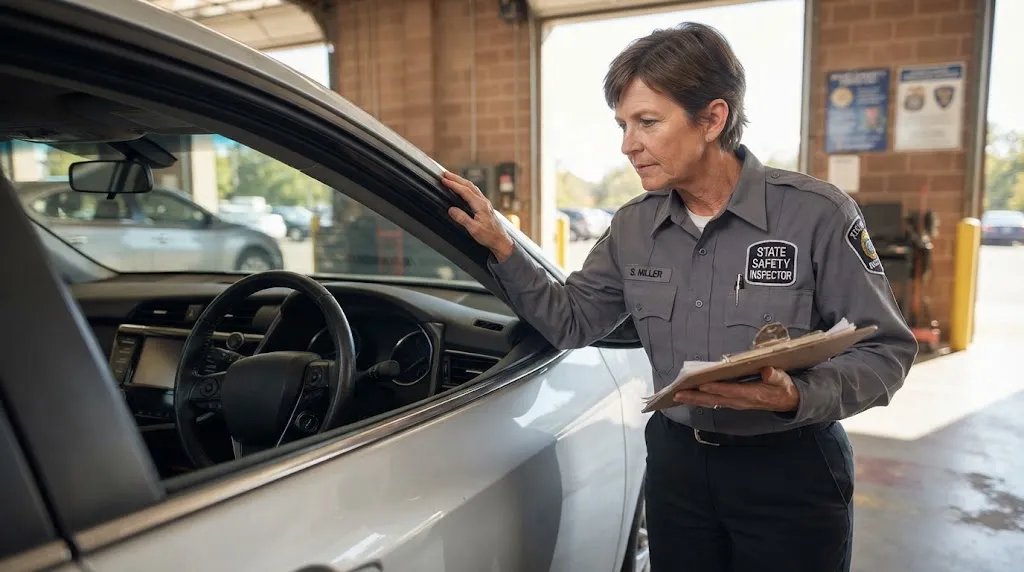
Law enforcement officers and state safety inspectors look at whether a modification creates a tangible hazard. If a steering wheel cover rotates independently around the steering wheel rim when a driver attempts a quick evasive maneuver, it violates general safety operation statutes. Similarly, if the bulkiness of the cover prevents the driver from maintaining a secure, firm grip, it can be cited under careless or unsafe driving provisions.
The Main Risks That Can Lead to Safety Violations
Even though steering wheel covers are widely sold and used, certain types introduce risks that draw scrutiny from safety inspectors or law enforcement during traffic stops or accident investigations.
- Slippage and Loss of Control: Loose-fitting covers can slip around the steering wheel core, creating a dangerous delay or total loss of steering response during sharp turns.
- Excessive Thickness: Oversized or heavily padded covers can interfere with finger placement, making it difficult to activate turn signals, wiper stalks, or paddle shifters smoothly.
- Interference with Airbags: While steering wheel covers sit on the outer rim rather than the center horn pad where the driver airbag deploys, ultra-thick grips can occasionally alter hand positioning relative to the deployment zone.
- Dashboard Obstruction: Particularly high-profile or furry covers can sometimes roll over the top edge of the steering wheel and block the driver’s view of speedometers, warning lights, or digital instrument clusters.
Warning
Never use a steering wheel cover that slips, rotates independently from the wheel frame, or requires excessive force to keep steady. If a cover shifts while you are turning, remove it immediately to maintain full vehicle control.
What to Look for When Choosing a Safe Steering Wheel Cover
If you want to use a steering wheel cover for comfort, temperature regulation, or grip enhancement, choosing the right design ensures compliance with general safety standards and keeps your daily drive secure.
Look for covers designed with a rigid inner core—such as a rubber or thermoplastic elastomer (TPE) lining—that grips the steering wheel securely without sliding. Avoid universal oversized options that feel loose out of the box. Instead, measure your steering wheel diameter—standard passenger vehicles typically use wheels measuring between 14.5 and 15.5 inches—and select a size engineered for a snug, factory-like fit.
When State Inspections and Insurance Adjusters Review Modifications
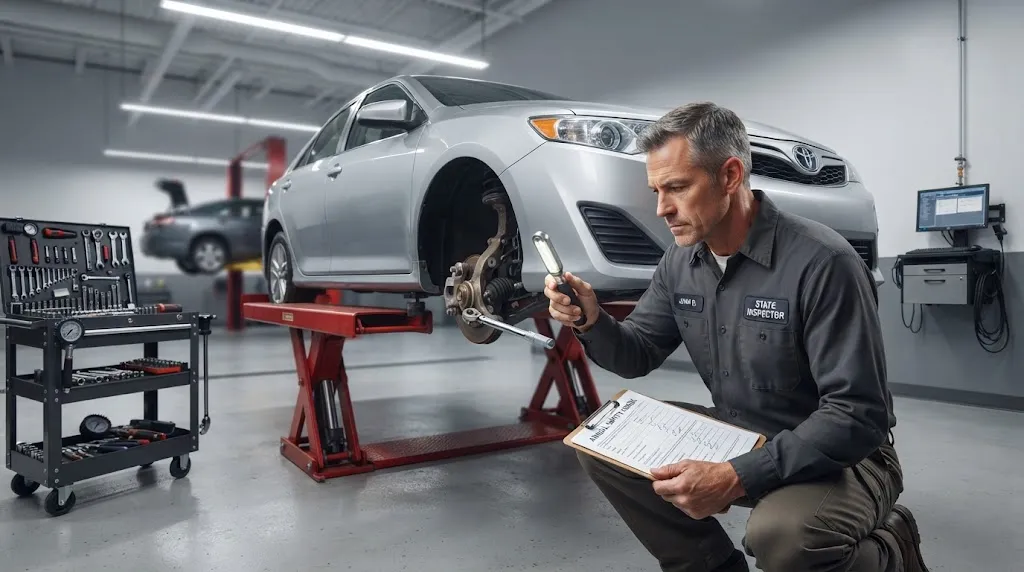
Annual vehicle safety inspections in certain regions check the condition of the steering system, including steering wheel play and grip condition. While a standard wrap rarely causes an inspection failure, a heavily worn, fraying, or slipping cover can be flagged by inspectors as a mechanical hazard.
Furthermore, in the event of an insurance investigation following a collision, accident reconstruction specialists examine all vehicle modifications. If an unstable or improperly fitted steering wheel cover contributed to a driver’s inability to execute a timely evasive maneuver, it can complicate liability determinations.
Related Product
Anti-Slip Leather Steering Wheel Covers
A securely fitting, textured steering wheel cover improves grip and hand comfort without introducing dangerous slippage.
As an Amazon Associate, we earn from qualifying purchases.
Frequently Asked Questions
Are steering wheel covers illegal in any US state?
No US state has a statute specifically banning steering wheel covers. However, all states enforce general equipment and safe-operation laws that prohibit modifications causing vehicle control hazards or obstructing driver visibility.
Can a steering wheel cover cause you to fail a vehicle inspection?
Yes, if the cover is excessively loose, slips around the wheel rim during testing, or prevents the inspector from properly evaluating the steering mechanism and dashboard warning lights.
Do steering wheel covers interfere with airbags?
Standard steering wheel covers wrap around the outer grip rim and do not interfere with the center hub where the driver-side airbag module is housed. However, extremely bulky grips should be checked to ensure they do not obstruct hand placement or emergency horn activation.
How do I know if my steering wheel cover is too thick?
If your fingers struggle to reach the turn signal stalk, wiper controls, or paddle shifters comfortably, or if your grip feels insecure during sudden steering inputs, the cover is too thick or poorly sized.
Is it safe to use a heated steering wheel cover?
Yes, provided it is designed specifically for automotive use, plugs safely into authorized 12V outlets or integrated heating harnesses, and does not feature loose wiring or fraying heating elements that could distract the driver.
What should I do if my steering wheel cover starts slipping?
Remove the cover immediately. Slippage indicates that the inner lining has stretched, deteriorated, or does not match your steering wheel diameter, creating a major safety hazard while driving.
Conclusion
Steering wheel covers remain completely legal to use as long as they are properly fitted, tightly secured, and do not impair your ability to control the vehicle safely. Prioritizing a snug fit and a firm grip ensures you enjoy added comfort without running afoul of equipment safety rules or compromising your reaction time on the road.

Daniel Brooks is an automotive writer and product researcher focused on car accessories, car tech, maintenance, and practical driving guides. At Plug-in Car World, he helps drivers make smarter automotive decisions through honest reviews and research-driven content.
