
Are Silicone Steering Wheel Covers Safe & Comfortable? (Guide)
Quick Answer
Yes, silicone steering wheel covers are generally safe and comfortable when properly sized and installed. They offer a strong non-slip grip and excellent resistance to extreme temperatures. However, a loose fit can create a dangerous slipping hazard, and some drivers find the rubbery texture can feel sticky or less premium than leather.
Understanding Silicone Steering Wheel Covers
Choosing the right accessories for your vehicle’s interior involves balancing daily comfort with absolute driving safety. Among various aftermarket options, silicone steering wheel covers have grown in popularity due to their minimalist profile, vibrant color choices, and straightforward maintenance. Unlike thick plush or leather wraps that add considerable bulk, silicone options hug the wheel tightly and provide a uniform texture.
However, because they are made from synthetic elastomer rather than natural fabric or hide, they behave differently under fluctuating cabin temperatures and varying hand moisture levels. Evaluating whether they suit your driving habits requires a close look at how they perform in terms of grip, safety compliance, and long-term durability.
Are Silicone Steering Wheel Covers Safe?

Safety is the single most important factor when modifying any part of your primary vehicle controls. A steering wheel accessory must never compromise your ability to steer fluidly or react quickly in an emergency.
When properly fitted, high-quality silicone covers provide a secure, slip-resistant surface that enhances control, especially in damp conditions or when hands are slightly sweaty. The natural friction coefficient of silicone helps prevent your hands from sliding during tight turns or sudden maneuvers.
The primary safety risk associated with silicone covers stems from improper sizing. If a cover is too large or stretches out over time, the inner core can rotate independently around the steering wheel rim. A slipping cover creates a dangerous lag between your steering input and the car’s response. Always verify that the inner diameter matches your specific steering wheel size before installation.
Warning
Never drive with a loose or shifting steering wheel cover. If the material begins to slip, slide, or bunch up under your hands, remove or replace it immediately to maintain full vehicle control.
Are They Comfortable for Daily Driving?
Comfort is subjective, and silicone offers a unique tactile experience compared to traditional materials. Understanding how it feels across different weather conditions helps determine whether it fits your preferences.
In extreme cold, silicone acts as an effective thermal insulator, preventing your hands from stinging against a freezing metal or hard plastic rim. During hot summer months, silicone maintains better temperature stability than heavy leather or vinyl, though darker colors can still absorb direct solar heat if parked in the sun for hours.
Texture is another consideration. While many drivers appreciate the firm, secure grasp that silicone provides, others find that the rubbery friction creates a sticky sensation—particularly on long road trips or during humid weather. Drivers seeking a plush, cushioned feel often prefer memory foam or padded leather wraps instead.
Pros and Cons of Silicone Steering Wheel Covers
Weighing the advantages and drawbacks clarifies whether this accessory aligns with what you need behind the wheel.
| Advantages | Disadvantages |
|---|---|
| Excellent non-slip grip in wet or dry conditions | Can feel sticky or tacky to some drivers |
| Extremely low maintenance and easy to wash | Lacks the premium aesthetic of genuine leather |
| Resistant to UV rays, water, and extreme temperatures | Can attract dust, lint, and pet hair |
| Affordable price point and durable construction | May stretch out over time if subjected to excessive heat |
Reviewing these factors helps drivers decide based on climate, commute duration, and personal tactile preferences.
How to Maintain and Clean Silicone Covers
One of the strongest practical benefits of silicone is how easily it handles routine wear and tear. Unlike fabric or suede wraps that absorb skin oils and trap dirt, silicone is non-porous.
To clean a silicone cover, you do not need specialized leather conditioners or harsh chemical cleaners. Simply remove the cover from the steering wheel, wash it in warm water with mild dish soap, rinse thoroughly, and let it dry completely before reinstalling. This simple process removes accumulated oils, dust, and grime, keeping your steering interface hygienic.
Tip
If your silicone cover feels slightly stiff during cold weather installation, warm it up indoors or use a hair dryer briefly to make the material more flexible and easier to stretch over the steering wheel.
Alternative Materials to Consider
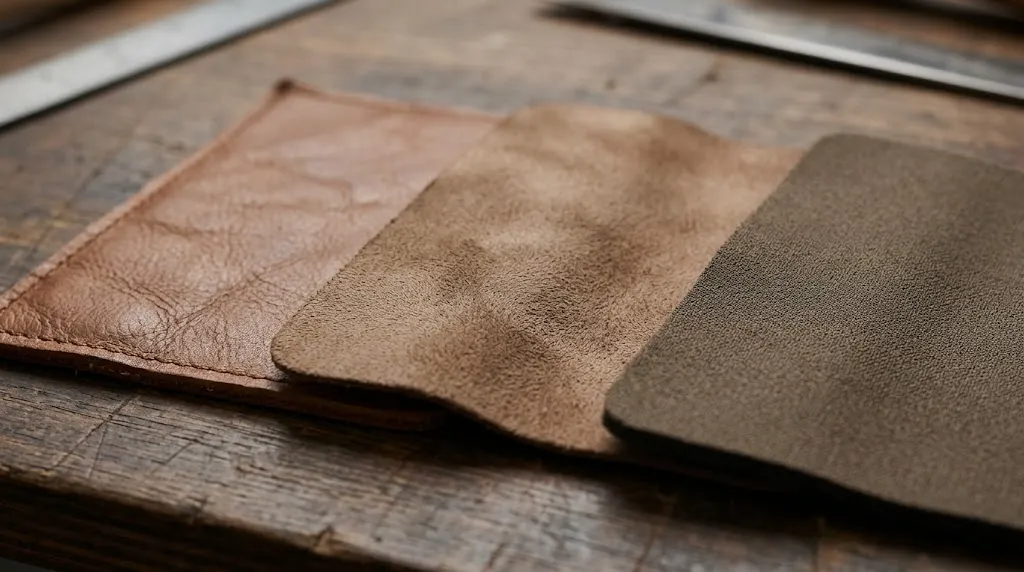
If silicone does not match your driving style, several other materials offer distinct compromises between comfort and security:
- Genuine Leather: Offers a luxurious feel, high durability, and classic appearance, though it requires occasional conditioning to prevent drying out.
- Microfiber and Synthetic Suede: Provides exceptional plush comfort and a soft touch, making it ideal for long highway commutes.
- Neoprene: Known for great water resistance and soft cushioning, often used in athletic or outdoor utility vehicles.
Matching the material to your local climate and daily driving duration ensures you stay comfortable behind the wheel year-round.
Related Product
Silicone Steering Wheel Covers
Explore a range of durable, non-slip silicone steering wheel covers designed for easy cleaning and all-weather comfort.
As an Amazon Associate, we earn from qualifying purchases.
Frequently Asked Questions
Do silicone steering wheel covers slip while driving?
A properly sized silicone cover fits snugly and relies on high friction to stay firmly in place. However, if the cover is too large for your steering wheel rim, it can twist or slip, creating a safety hazard. Always double-check sizing specifications before purchase.
Are silicone covers difficult to install?
No, silicone is flexible and stretches easily compared to stiff leather wraps. Warming the cover slightly before installation can make it even more pliable, allowing you to slip it over the top of the steering wheel and work it down evenly.
Do they melt or degrade in hot weather?
Automotive-grade silicone is engineered to withstand high cabin temperatures without melting or warping. It offers great resistance to solar degradation, though inferior low-cost compounds may attract dust or lose elasticity over several years.
How do I clean dust and pet hair off silicone?
Because silicone has a slight grip texture, it can attract lint and pet hair. Wiping it down with a damp microfiber cloth or removing it for a quick wash with mild soap and water easily restores a clean finish.
Can a steering wheel cover interfere with airbags?
Steering wheel covers wrap around the outer rim and typically do not obstruct the center horn pad where the driver airbag is housed. However, you should ensure the cover does not interfere with any dashboard displays or steering column adjustments.
Are silicone covers suitable for sweaty hands?
Yes, silicone provides a reliable non-slip grip even when moisture is present. Unlike slick plastic or worn leather, the textured surface helps maintain hand stability during warm weather or long drives.
Conclusion
Silicone steering wheel covers offer a practical, low-maintenance solution for drivers seeking reliable grip and temperature resistance. When sized correctly, they provide a secure hold and withstand harsh cabin conditions without extensive upkeep. While they may lack the traditional plush feel of leather or microfiber, their durability and ease of cleaning make them a sensible option for everyday drivers prioritizing straightforward functionality.

Daniel Brooks is an automotive writer and product researcher focused on car accessories, car tech, maintenance, and practical driving guides. At Plug-in Car World, he helps drivers make smarter automotive decisions through honest reviews and research-driven content.
