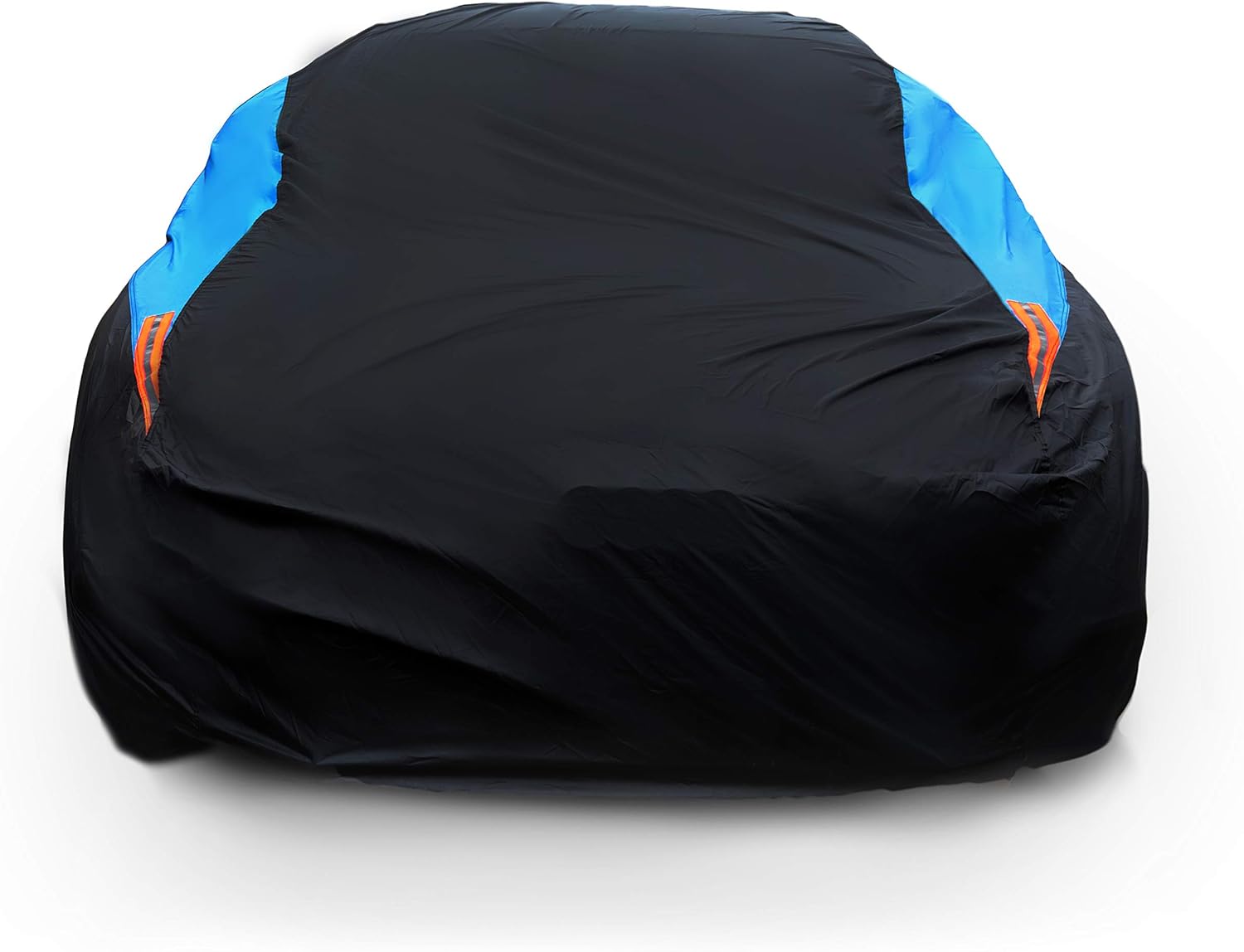
What Happens When a Car Cover Isn’t Breathable?
⚡ Quick Answer
A non-breathable car cover traps moisture between the cover and your car’s surface. This creates a humid micro-climate that causes rust, mold, paint damage, and heat buildup. Instead of protecting your car, it actively harms it — especially during long-term or outdoor storage.
What a non-breathable car cover damages:
- Paint: Trapped moisture causes water spots, bubbling, and peeling clear coat.
- Metal: Sustained humidity starts rust on any exposed metal surface.
- Interior: Heat buildup damages plastic trim, rubber seals, and upholstery.
How to avoid cover damage right now:
-
✓
Check that your cover material allows air and vapor to pass through. -
✓
Never cover a wet car — always let it dry first. -
✓
Avoid covers labeled “100% waterproof” — they trap vapor inside.
You put the cover on thinking your car is fully protected. But by morning, something unseen is already working against it. I’m Daniel Brooks, and after years covering car protection and detailing, I’ve seen more rust, paint damage, and mold caused by the wrong car cover than by no cover at all. A non-breathable car cover doesn’t just fail to protect your vehicle — it creates conditions that actively damage it. Here’s exactly what’s happening under there, and what you can do about it.
📌 Key Takeaways
-
→
Non-breathable covers seal in condensation rather than letting it escape, turning the cover into a humidity trap. -
→
Rust can begin in as little as 48 hours of sustained moisture contact with bare or scratched metal. -
→
“Waterproof” car covers are often the worst offenders — they block vapor escape and accelerate moisture damage. -
→
Breathable multi-layer covers allow moisture vapor to pass through while still blocking rain, dust, and UV rays.
How Does Moisture Get Trapped Under a Car Cover?
Moisture gets trapped when the cover has no way to let water vapor escape. Every time the temperature drops at night, warm humid air under the cover cools down and condenses into liquid droplets — right against your car’s surface. A breathable cover lets that vapor pass through. A non-breathable cover holds it in.
This condensation cycle happens every single night. Dew forms, moisture builds up, and because the cover is sealed, it never gets a chance to evaporate. The result is a layer of sustained wetness sitting directly on your paint and metal for hours at a time.
💡 Key Insight
The problem isn’t just rain getting in. Most moisture damage under a non-breathable cover comes from condensation that forms inside — not water that entered from outside. Even in dry weather, temperature swings create this cycle every night.
You might wonder: “If the cover is waterproof, doesn’t that mean no moisture gets in?” Here’s why that logic fails. Waterproofing blocks liquid water from outside. But it also blocks water vapor from escaping inside. Moisture condenses under the cover regardless — and now it has nowhere to go.
Outdoor storage makes this worse. The larger the temperature swing between day and night, the more condensation forms. Humid climates, coastal areas, and spring or fall seasons are the highest-risk periods. But even a car stored indoors can suffer — garages have humidity too.
What Damage Does a Non-Breathable Car Cover Cause?
A non-breathable car cover causes 4 specific types of damage. Each one targets a different part of your vehicle. Together, they can turn a protective tool into a source of serious and expensive harm.
Rust and Corrosion
Rust forms when iron or steel contacts both water and oxygen at the same time. A non-breathable cover supplies sustained moisture — exactly what rust needs to start. Any small scratch, chip, or paint nick becomes an entry point for the corrosion process to begin.
The chemistry is straightforward. Water reacts with iron to form iron oxide, which is rust. According to how rust forms on metal surfaces, the process accelerates in the presence of electrolytes like road salt — which may already be present on your car’s surface. Once rust starts, it’s self-sustaining.
The areas most at risk are wheel wells, door sills, the underside of the trunk lip, and any spot where paint has thinned or chipped. These areas are harder to see. Rust often progresses unseen for weeks before you notice it — and by then, it’s already spread.
⚠️ Warning
If you cover a damp or freshly washed car with a non-breathable cover, rust can begin in as little as 48 hours. Always dry the car completely before covering it — even with a breathable cover.
Mold and Mildew Growth
Mold and mildew need three things to grow: moisture, warmth, and darkness. A non-breathable car cover delivers all three. The sealed, damp space under the cover is an ideal growing environment for fungal spores.
Mold first appears on the cover itself. But it spreads quickly. Spores transfer to the car’s paint surface, rubber seals, trim strips, and window edges. Once mold takes hold on rubber and plastic, it’s very hard to remove without specialist cleaning products.
The smell is usually the first warning sign. A musty or earthy odor when you lift the cover tells you mold is already present. At that point, the cover, the car’s exterior, and sometimes even the interior have been affected.
Paint Damage and Water Spots
Water spots form when moisture evaporates and leaves behind mineral deposits on the paint. Under a non-breathable cover, the water can’t escape — so it evaporates very slowly, concentrating those minerals against the paint surface. Research on how evaporation of moisture damages automotive paint shows that even mild acid from pollutants concentrates as water evaporates, etching permanently into the clear coat.
Over time, the paint begins to bubble, peel, or develop a hazy film. The clear coat — the protective layer over your color coat — is the first to go. Once the clear coat fails, the color layer underneath is exposed to direct moisture and UV damage.
Some non-breathable covers also use dyes that bleed when wet. That color can transfer directly to your paint, creating stains that are extremely difficult to remove without compounding or repainting.
Heat Buildup Under the Cover
On hot days, a non-breathable cover traps heat as well as moisture. The sealed air under the cover heats up rapidly. Temperatures inside the cover can exceed the surrounding air temperature by 30°F or more on sunny days.
This heat accelerates every form of damage already happening. Rust corrodes faster. Mold spreads faster. The paint softens and becomes more vulnerable to micro-abrasion from wind movement of the cover against the surface.
Interior materials take a hit too. Plastic dashboards warp. Rubber seals dry out and crack. Leather or vinyl upholstery fades. This is especially damaging for cars stored for months in summer heat.
📋 The 4 damage types from a non-breathable car cover
-
Rust and corrosion: Sustained moisture against metal triggers oxidation, starting at paint chips or scratches. -
Mold and mildew: The sealed, dark, damp environment under the cover grows fungal spores that spread to paint and rubber. -
Paint damage: Water spots, mineral deposits, and color bleed from the cover itself etch into the clear coat. -
Heat buildup: Trapped heat exceeding outside air temperature by 30°F softens paint and cracks rubber seals.
So the real question isn’t whether a non-breathable cover causes damage. It does. The question is: does your current cover breathe? That answer depends entirely on the material it’s made from.
Why Are “Waterproof” Car Covers Dangerous for Your Paint?
A waterproof car cover sounds like the safest choice. It blocks rain completely, right? That logic is exactly why so many cars end up damaged. Waterproof and breathable are opposites — you almost never get both in the same material.
A truly waterproof material has no pores. That means water can’t get in from outside — but moisture vapor can’t get out from inside either. The condensation that forms under the cover every night has nowhere to escape. It stays against your paint for hours.
Compare this to a water-resistant breathable cover. This type repels rain and blocks most moisture from getting through — but it has a microporous structure that lets water vapor pass out. So condensation that forms under the cover slowly escapes through the material rather than pooling on your paint.
The table below shows the key differences between waterproof and water-resistant breathable covers.
A water-resistant breathable cover gives you rain defense without sealing moisture in — the ideal balance for any storage period longer than a few hours.
The tip here is simple: never buy a cover labeled “100% waterproof” for anything but very short-term use. It will do more harm than good the moment condensation forms beneath it.
Which Car Cover Materials Are Non-Breathable?
The material is everything. Some car cover fabrics are naturally non-breathable. Others only become non-breathable when a coating is added. Knowing which materials to avoid can save your car’s paint and metal from serious harm.
Here are the most common non-breathable car cover materials and what makes them problematic.
If your cover feels like a tarp, crinkles like plastic, or is labeled “100% waterproof,” it’s almost certainly non-breathable. Multi-layer non-woven fabric is the standard to look for.
One quick trick: hold the cover up to a light source. If you can see light passing through the fabric evenly, it has some level of breathability. If it’s completely opaque and solid-feeling, it traps air and moisture.
How Long Does It Take for a Non-Breathable Cover to Damage Your Car?
Damage doesn’t happen overnight — but it starts sooner than most people think. The timeline depends on 3 factors: how wet the environment is, whether the car was already damp when covered, and how long the cover stays on without being removed.
48 hrs
Rust can begin on bare metal if moisture contact is sustained
1 week
Mold spores can become visible on the cover and paint surface
4–6 wks
Clear coat damage and permanent paint spots become likely
The worst scenarios involve covering a damp car in high humidity, then leaving the cover in place for weeks. This is common during seasonal storage. Car owners pull off the cover in spring expecting a protected vehicle — and find rust spots, mold patches, and paint haze instead.
But even short-term use carries risk. A non-breathable cover left on a clean, dry car overnight in a humid area can still produce water spots by morning. The condensation cycle works fast when the temperature drops.
✅ Tip
If you must use a non-breathable cover temporarily, lift it every 2 days to let moisture escape. This breaks the condensation cycle and reduces damage risk significantly during short storage periods.
What Most People Get Wrong About Non-Breathable Car Covers
Three widespread beliefs lead car owners to use non-breathable covers without realizing the damage they’re causing.
Misconception 1: “Waterproof means better protection.” This is the most common mistake. Waterproof covers block external rain well. But they also seal internal moisture in. The damage from trapped condensation almost always outweighs the protection from rain — especially for cars stored more than a few hours at a time.
Misconception 2: “My car is in a garage, so breathability doesn’t matter.” Garages have humidity too. Temperature swings still create condensation cycles inside a sealed garage. Cars stored under non-breathable covers indoors develop mold and rust just like outdoor-covered cars — they just take slightly longer.
Misconception 3: “The cover is protecting my car if I can’t see any damage yet.” Rust and mold both start where you can’t see them — in panel seams, under trim strips, and in wheel wells. By the time you see the damage, it has already been spreading for weeks. The absence of visible damage is not proof the cover is safe.
How Do You Know If Your Car Cover Is Breathable?
You can test your cover’s breathability in 3 simple ways. You don’t need special tools. The tests take under 5 minutes, and the results will tell you clearly whether your current cover is safe to use.
🔢 Step-by-Step: How to Test If Your Car Cover Breathes
-
1
The light test
Hold the cover up to a bright light source. If you see light passing through the fabric, air can move through it. A completely opaque cover blocks airflow.
-
2
The blow test
Hold the cover against your mouth and blow firmly. If you feel resistance with no airflow at all, it’s non-breathable. Some resistance is normal — zero airflow means zero breathability.
-
3
The morning check
Lift the cover on a cool morning after overnight use. Wipe the paint underneath with a clean white cloth. If the cloth picks up moisture, the cover isn’t moving it out fast enough.
-
✓
Check the label
Look for terms like “breathable,” “water-resistant,” or “microporous” — not “waterproof.” These words confirm vapor can escape through the material.
If your cover fails 2 or more of these tests, replace it before your next storage period. Using it again will cause more damage than no cover at all.
What Should You Do If You’ve Been Using a Non-Breathable Cover?
If you’ve been using a non-breathable cover, take action now — before more damage builds up. The steps below will stop the damage cycle and protect your car going forward.
✓ Recovery checklist after using a non-breathable cover
-
✓
Remove the cover immediately and let the car air dry in open shade for several hours. -
✓
Wash the car thoroughly to remove mold spores, mineral deposits, and any dye transfer from the cover. -
✓
Inspect all panel seams, wheel wells, and door edges closely for rust spots or surface staining. -
✓
Treat any rust spots immediately with a rust converter before they spread further. -
✓
Replace the cover with a breathable multi-layer option before storing the car again.
If you’re in the market for a replacement, look for a cover that specifically uses multi-layer non-woven fabric with a microporous breathable barrier. This design lets vapor escape while blocking rain, dust, and UV. For further reading on vehicle rust prevention methods, Wikipedia’s overview of rustproofing covers the key strategies for protecting metal surfaces long-term.
Recommended Product
Coverado All Weather SUV Car Cover, Waterproof Sun UV Snow Wind Protection, Breathable Full Exterior Universal Fit for SUV (170″-190″)
★★★★☆ Highly rated on Amazon
This cover combines all-weather waterproofing with breathable vents, solving the exact problem of moisture trapping — it keeps rain out while letting condensation escape, protecting your SUV’s paint and metal from the damage described in this article.
As an Amazon Associate, we earn from qualifying purchases.
Conclusion
A car cover is only as good as its breathability. A non-breathable cover doesn’t protect your vehicle — it traps moisture, starts mold, accelerates rust, and damages your paint in ways you won’t see until the harm is serious. The single most important thing to look for in any car cover is a breathable multi-layer fabric with a microporous barrier.
Whether you park outdoors or in a garage, whether it’s summer or winter — condensation will form under any cover. The only question is whether your cover lets it escape.
One thing to do right now: Pick up your car cover and do the light test. Hold it up to a window. If you can’t see any light through it, replace it before the next time you park.
Frequently Asked Questions
What happens when a car cover isn’t breathable?
A non-breathable car cover traps moisture, heat, and condensation against your car’s surface. This creates rust on metal, mold on paint and rubber, water spots on the clear coat, and heat damage to interior plastics. The cover becomes harmful rather than protective, especially during long-term or overnight storage.
Can a non-breathable car cover cause rust?
Yes. Rust forms when metal contacts sustained moisture and oxygen. A non-breathable cover keeps moisture trapped against the car’s surface for hours, especially overnight. Any paint chip or scratch becomes an entry point for oxidation to begin. Rust can start in as little as 48 hours under these conditions.
Is a waterproof car cover bad for paint?
Yes, for extended use. Waterproof materials block vapor from escaping, so condensation that forms under the cover pools against the paint instead of evaporating through the fabric. Water-resistant breathable covers protect against rain while still letting moisture vapor escape — making them the safer choice for any storage longer than a few hours.
Does a car cover cause mold?
A non-breathable car cover can cause mold. The sealed, dark, damp space under the cover is ideal for mold and mildew growth. Mold typically appears on the cover itself first, then spreads to the paint surface, rubber seals, and window edges within 1–2 weeks of sustained moisture exposure.
Does a non-breathable cover cause damage indoors too?
Yes. Garages experience temperature swings and humidity just like outdoor environments. Condensation still forms under the cover when overnight temperatures drop. Mold and rust from non-breathable indoor covers are common, especially during winter storage when the car sits untouched for months.
How do you know if your car cover is breathable?
Hold the cover up to a light — if no light passes through, it’s non-breathable. You can also blow firmly through the fabric; zero airflow means no breathability. A morning check under the cover after a cool night will show moisture buildup if the cover isn’t allowing vapor to escape. Look for labels saying “breathable,” “water-resistant,” or “microporous” rather than “waterproof.”
What should I do after using a non-breathable cover?
Remove the cover and let the car air dry completely in open shade. Wash the car to remove mold spores and mineral deposits. Inspect seams, wheel wells, and door edges for rust. Treat any rust spots immediately with a rust converter. Then replace the cover with a breathable multi-layer option before storing the car again.

Daniel Brooks is an automotive writer and product researcher focused on car accessories, car tech, maintenance, and practical driving guides. At Plug-in Car World, he helps drivers make smarter automotive decisions through honest reviews and research-driven content.