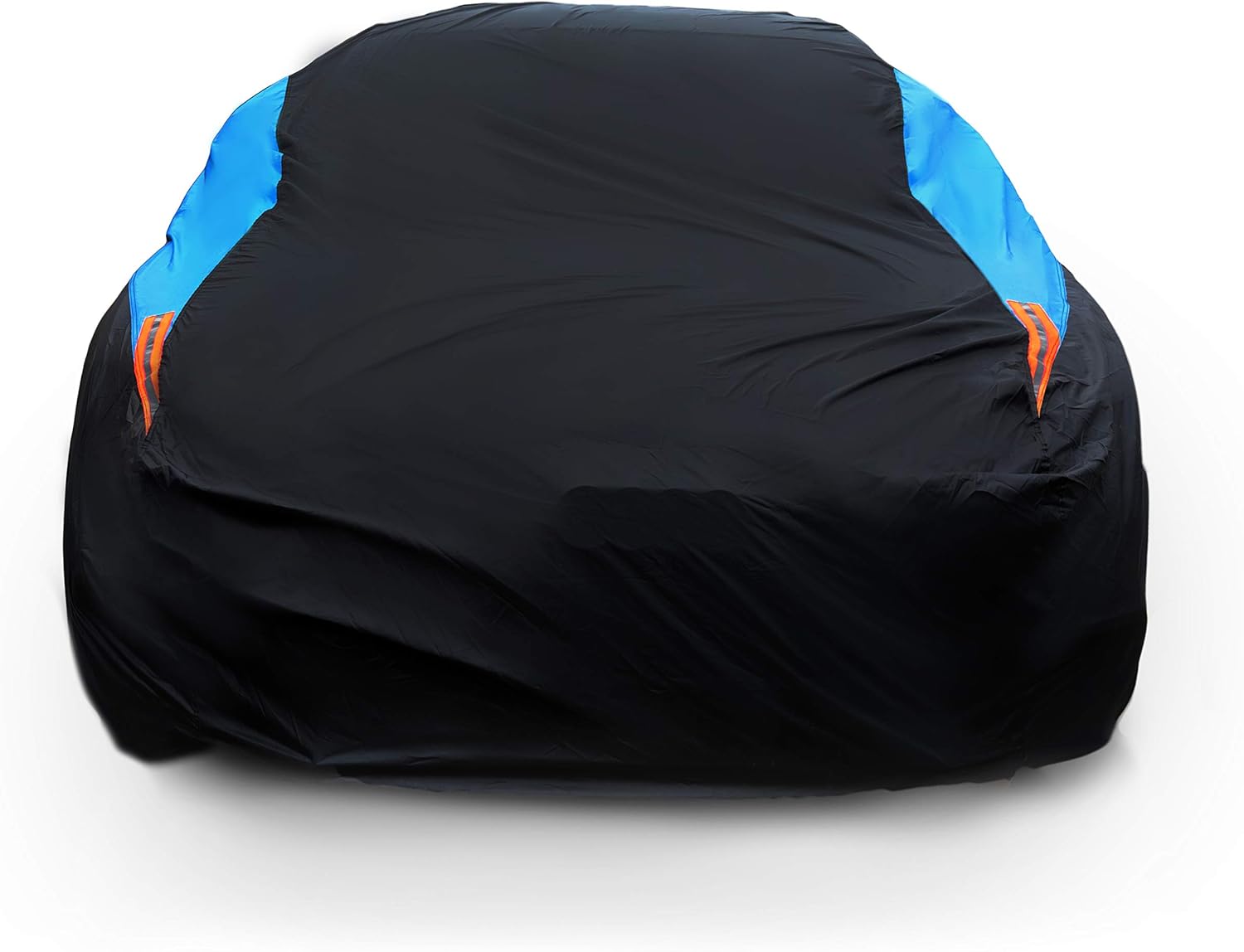
Tropical Weather Car Cover Problems and Fixes
⚡ Quick Answer
Most tropical car cover problems come from trapped moisture, not rain itself. Heat and humidity stop a cover from drying between storms, and that’s what feeds mold, mildew, and fading. The fix is a breathable, UV-rated cover plus a simple drying routine, not a thicker or fully waterproof one.
Checks to run this week
-
1
Lift the cover and smell for must or mildew. -
2
Check the fabric label for “breathable” or “vapor permeable.” -
3
Pull straps tight and inspect for sun-bleached, brittle spots.
If still not fixed
-
✓
Treat the cover for mold and switch to a true breathable fabric.
Pull a damp, musty-smelling cover off your car and you already know the problem. Tropical heat and humidity don’t just sit on top of a car cover, they get trapped underneath it. Daniel Brooks has watched this play out on dozens of vehicles in humid, storm-heavy regions, and the pattern is almost always the same. The cover wasn’t bad. It just couldn’t breathe fast enough to keep up with the climate. Here’s what’s actually happening under there, and how to stop it.
📌 Key Takeaways
-
→
Trapped humidity, not rainfall, is the main cause of car cover mold in tropical climates. -
→
Breathable fabrics let trapped vapor escape, while vinyl and plastic seal it against the paint. -
→
UV exposure near the equator breaks down cheap fabric in under a year. -
→
Drying the car first matters more than any feature on the cover itself.
Why Tropical Weather Wears Out Car Covers Faster
A car cover in a tropical climate works harder than one anywhere else. It deals with intense UV, sudden downpours, and humidity that rarely drops, sometimes all in the same afternoon. Each of those stresses attacks the cover differently.
Heat and UV break down the fibers and coatings that make a cover waterproof. Humidity keeps the fabric from ever fully drying out between uses. So when a storm rolls in on top of a cover that’s still slightly damp from yesterday, you get the perfect setup for mold.
This table shows the climate stressors most tropical car owners deal with and what each one actually damages.
UV and humidity usually act together, so a cover rated for only one of them tends to fail early in a tropical climate.
The Most Common Car Cover Problems in Hot, Humid Climates
Five problems show up again and again on covers used in tropical conditions. Spotting them early saves both the cover and the paint underneath it.
📋 Common Tropical Car Cover Problems
-
Mold and mildew spots: Dark or white patches that show up after a few damp days in a row. -
Musty odor: A smell that lingers in the cover and transfers to the car’s paint and rubber seals. -
Fading and chalking: The outer layer turns powdery or pale from constant UV load. -
Pooling and sagging: Heavy rain collects in low spots instead of running off. -
Wind whip damage: Loose covers flap in tropical storm gusts and scuff the paint underneath.
Most of these trace back to one root cause: the cover stayed wet too long. You might be thinking your cover is simply old. Here’s why that’s often not the real issue: even a new cover will mold quickly if it’s never given a chance to dry.
How Trapped Moisture Turns Into Mold Under a Cover
Mold needs three things to grow: moisture, warmth, and limited airflow. A sealed car cover in a tropical climate hands it all three at once. Rain or condensation gets trapped between the fabric and the paint, the surrounding heat keeps things warm overnight, and a non-breathable cover blocks the air movement that would otherwise dry it out.
The EPA’s guide to mold and moisture notes that keeping relative humidity below 60 percent is one of the most effective ways to stop mold from taking hold, and that damp materials left for more than a day or two are far more likely to develop growth. A car cover behaves the same way. If it’s still damp after 24-48 hours, mold has the conditions it needs.
⚠️ Warning
Never cover a car that’s wet from rain, washing, or morning dew. You’re sealing the moisture in, not keeping it out.
So what does that mean for your routine? If you live somewhere humid year-round, drying time matters more than how thick or rugged the cover looks on the shelf.
How to Fix Mold, Mildew, and Musty Smells on a Car Cover
If mold has already shown up, you can usually save the cover. Act fast, since mold spreads quickly in warm, damp fabric.
🔢 Step-by-Step: Removing Mold From a Car Cover
-
1
Remove the cover outdoors
Take it off in open air, not in a closed garage, to avoid breathing in spores.
-
2
Hose down both sides
Rinse loose spores and dirt off before applying any cleaner.
-
3
Scrub with a mild detergent solution
A soft brush and diluted, fabric-safe cleaner lifts most surface mold.
-
✓
Dry it fully before reuse
Hang it in full sun until it’s bone dry on both sides, inside and out.
If the smell comes back after washing, the mold has likely worked into the fibers and not just the surface. That’s a sign it’s time to replace the cover rather than keep treating it.
Choosing a Car Cover Material That Survives Tropical Weather
The single biggest fix for tropical car cover problems is picking the right material from the start. Not every “waterproof” cover is built for constant heat and humidity.
This comparison shows how the most common cover materials hold up specifically in hot, humid climates.
| Material | Breathability | Best for Tropics? ✓ Best |
|---|---|---|
| PVC / vinyl | None | No — traps moisture |
| Polypropylene multi-layer | Moderate | Workable, watch for sweating |
| Breathable coated polyester | High | ✓ Best all-round choice |
| UV-reflective laminate | High | ✓ Strong for full-sun parking |
Look for fabric labeled breathable or vapor-permeable, since a fully sealed “100% waterproof” claim usually means trapped moisture in a tropical climate.
✅ Tip
Check the fabric’s water column rating and breathability rating together. A high score on one without the other usually causes problems within a season.
Stopping Wind and Storm Damage During Tropical Downpours
Tropical storms bring sudden, sharp winds, not just rain. A cover that’s only secured with a basic elastic hem will flap, lift, and rub against the paint during a squall.
Three things stop most of this damage. Use grommets and a strap-and-buckle or cable-lock system at the front and rear. Add wheel-to-wheel straps under the car for high-wind areas. Check the tension after every storm, since wet fabric stretches slightly and loosens over time.
💡 Key Insight
A loose cover causes more paint damage in a tropical storm than no cover at all. Securing it properly matters as much as the fabric itself.
That covers the storm side of things. But what about the most common myths people repeat about tropical car covers? Let’s clear those up next.
What Most People Get Wrong About Car Covers in Tropical Weather
“Waterproof” means it’s the right choice for humidity. Fully waterproof, non-breathable fabric blocks rain from getting in, but it also blocks moisture from getting out. In a tropical climate, that traps humidity against the paint and speeds up mold growth.
A thicker cover always protects better. Thickness helps against impact, not moisture. A thick, non-breathable cover can actually hold dampness against the car longer than a thinner breathable one.
Covering a car right after rain is fine if the cover is waterproof. Sealing in surface water and condensation under a cover is one of the fastest ways to start mold growth, regardless of how waterproof the fabric is rated.
Conclusion
Tropical car cover problems almost always trace back to trapped moisture, not bad luck. A breathable, UV-rated cover paired with a quick drying habit solves most of what you’ll run into. One thing to do right now: lift your current cover, check for dampness or odor underneath, and let both the car and cover dry fully in open air before putting it back on.
Frequently Asked Questions
Why does my car cover smell musty in humid weather?
A musty smell means moisture got trapped under the cover and mold or mildew started growing. It usually happens when the car or cover was covered while still damp, or when the fabric isn’t breathable enough for the climate.
Can I use a regular car cover in a tropical climate?
You can, but a regular non-breathable cover often traps moisture against the paint. A cover specifically rated breathable and UV-resistant holds up far longer in constant heat and humidity.
How often should I remove a car cover in humid weather?
Lift it at least once or twice a week to let the car and cover air out, even if you’re not driving. This breaks the cycle of trapped condensation that leads to mold.
Does a car cover protect against monsoon rain?
A well-secured, water-resistant cover protects against most rain, but heavy monsoon downpours can still pool on flat areas. Check straps and drainage points after every storm to avoid pooling damage.
What causes a car cover to fade so fast in hot climates?
Constant, intense UV exposure breaks down the dye and protective coating on the fabric’s outer layer. Covers without a UV-resistant rating can visibly fade within six to twelve months near the equator.
Is it safe to clean mold off a car cover myself?
Light surface mold can be cleaned with a soft brush, mild detergent, and full sun-drying outdoors. For heavy or recurring mold, replacing the cover is usually safer and more cost-effective than repeated treatment.
What’s the best car cover material for hot, humid climates?
Breathable coated polyester or UV-reflective laminate fabrics work best. They block rain and UV while still letting trapped moisture escape, which is the main weak point of vinyl or fully sealed covers.

Daniel Brooks is an automotive writer and product researcher focused on car accessories, car tech, maintenance, and practical driving guides. At Plug-in Car World, he helps drivers make smarter automotive decisions through honest reviews and research-driven content.