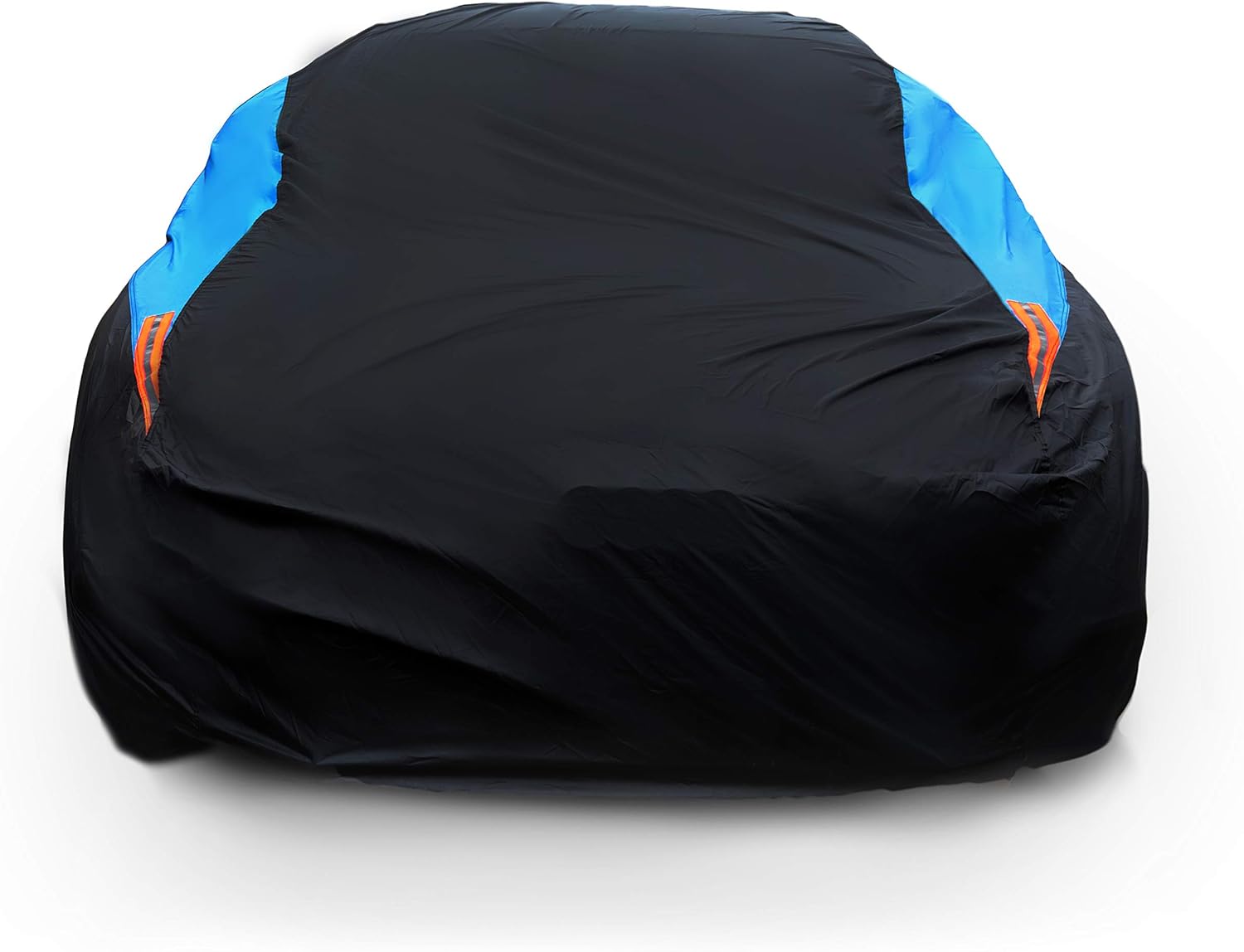
How to Use a Car Cover in Humid Weather
⚡ Quick Answer
Yes, you can use a car cover in humid weather, but only a breathable one. A sealed, waterproof-only cover traps damp air against the paint every night, which feeds mold and rust. Dry the car first, choose breathable fabric, and lift the cover weekly.
What you need to know about car covers in humidity
- Breathability matters most: vents let trapped moisture escape instead of pooling on the paint.
- Dry before covering: a wet car under a cover creates a sealed, humid pocket overnight.
- Airflow beats waterproofing: full waterproof plastic covers often trap more moisture than they block.
Mistakes to avoid
-
✓
Never cover a car right after rain or washing -
✓
Don’t use plastic tarps in humid climates -
✓
Don’t leave a cover on for weeks without checking underneath
Daniel Brooks has seen it happen more than once: an owner pulls a cover off a car that’s been “protected” for months, and the paint underneath is dull, spotted, and starting to bubble at the seams. In humid climates, a car cover can protect your car — or quietly damage it. The difference comes down to how you use it.
Humid air holds a lot of moisture. When that air gets trapped under a sealed cover, it condenses on the cold metal overnight, every night. That’s the part most car cover buyers never hear about. This guide shows you how to cover a car the right way in a humid climate, so you get the protection without the mold, rust, or musty smell.
📌 Key Takeaways
-
→
Breathable fabric lets water vapor escape instead of condensing on your paint. -
→
A wet car under a cover is the single biggest cause of mold and mildew. -
→
The EPA recommends keeping relative humidity below 60% to limit mold growth. -
→
Weekly airing out of the cover prevents the condensation cycle from repeating for months.
Why Humidity Makes Car Covers Risky
Condensation, not rain, is the real threat in humid climates. When air temperature drops at night, moisture in the air turns to liquid on the coolest surface it can find. Under a cover, that surface is your car’s paint and glass.
So if you live somewhere humid, a cover that seals in air is working against you. A breathable cover lets that same moisture pass through the fabric and evaporate, instead of sitting on the finish until morning.
⚠️ Warning
Plastic or poly tarps are the worst choice in humid weather. They block moisture completely, so trapped condensation has nowhere to go and can lead to paint bubbling, mildew, and rust.
How to Cover Your Car in Humid Weather, Step by Step
Getting this right takes a few extra minutes, but it saves you a paint correction bill later. Follow these steps every time you cover the car.
🔢 Step-by-Step: Covering a Car in a Humid Climate
-
1
Wash and fully dry the car
Dirt and water under a cover both feed mold. Wipe the car dry, including mirrors and door seams.
-
2
Check the cover is dry too
A damp cover reintroduces the moisture you just removed from the car.
-
3
Park on a well-draining surface
Grass, gravel, or damp concrete pushes ground moisture up into the cover. Dry pavement is best.
-
✓
Drape and secure the cover
Fit it snugly, not tight. A loose cover flaps and scratches; a tight one traps more heat and moisture.
Which Car Cover Material Works Best in Humidity?
Not all “waterproof” covers are equal. Some block rain but also block airflow, which is exactly the problem in a humid climate. What you actually want is breathability paired with water resistance, not a fully sealed shell.
Here’s how the common materials compare for humid conditions:
Pick a woven, breathable cover rated for outdoor use if your car sits outside in a humid area year-round.
What Most People Get Wrong About Car Covers in Humidity
📋 Common Misconceptions
-
“Waterproof means better”: a fully waterproof cover also blocks moisture from escaping, which is worse in humid air. -
“It’s fine to leave it on all season”: long-term use without lifting the cover hides paint and rust damage until it’s severe. -
“Shade is always safer than sun”: parking under trees in humid weather traps moisture and invites mold and pests.
Ongoing Care: Keeping Mold and Rust Away
Covering the car correctly once isn’t enough. Humidity is a daily problem, so your maintenance routine has to be too.
✅ Tip
Lift the cover at least once a week and let both the car and the fabric air out on a dry day. This breaks the nightly condensation cycle before it causes damage.
The U.S. Environmental Protection Agency notes that mold needs moisture to grow, and that keeping relative humidity below 60% is one of the most effective ways to prevent it — the same principle applies under a car cover as it does in a damp basement. You can read the EPA’s guide to mold and moisture control for more on how humidity drives mold growth.
What Most People Get Wrong About Car Covers
Here’s the bottom line: humidity doesn’t fight your car cover, it fights a badly chosen one. Pick a breathable fabric, cover a dry car, and check underneath weekly. That’s the entire system.
Your car will thank you for the extra five minutes of drying time. One thing to do right now: check the material tag or listing on your current cover — if it says “waterproof” with no mention of breathability, plan to replace it before the next humid season.
Frequently Asked Questions
Is it OK to put a car cover on a wet car?
No. A wet car under a cover traps moisture against the paint overnight, which promotes mildew, water spots, and eventually rust. Dry the car fully before covering it whenever possible.
Do car covers cause condensation?
Any cover can trap some condensation as temperatures drop overnight. Breathable covers let that moisture evaporate through the fabric; sealed, non-breathable covers hold it against the car instead.
Can a car cover cause mold in the interior?
Yes, if the exterior stays damp for long periods, moisture can work its way into door seals and vents. Crack a window slightly if your storage area allows it, and check the interior regularly.
How often should I remove a car cover in humid weather?
Lift and air out the cover at least once a week. If you notice heavy dew or rain overnight, remove the cover the next dry day so trapped moisture can fully evaporate.
Are plastic tarps safe to use as car covers in humid areas?
No. Plastic and poly tarps block airflow completely, so any trapped moisture has nowhere to go. In humid climates, this significantly raises the risk of mold, mildew, and paint damage.
Should I park a covered car in the sun or shade in humid weather?
Sun is generally better in humid climates. Shade, especially under trees, keeps the area cooler and damper for longer, which slows evaporation and encourages mold growth under the cover.
What’s the best surface to park a covered car on in a humid climate?
Dry, well-draining concrete or pavement works best. Grass, mulch, and gravel hold ground moisture that rises up into the cover, adding to the humidity problem instead of reducing it.

Daniel Brooks is an automotive writer and product researcher focused on car accessories, car tech, maintenance, and practical driving guides. At Plug-in Car World, he helps drivers make smarter automotive decisions through honest reviews and research-driven content.