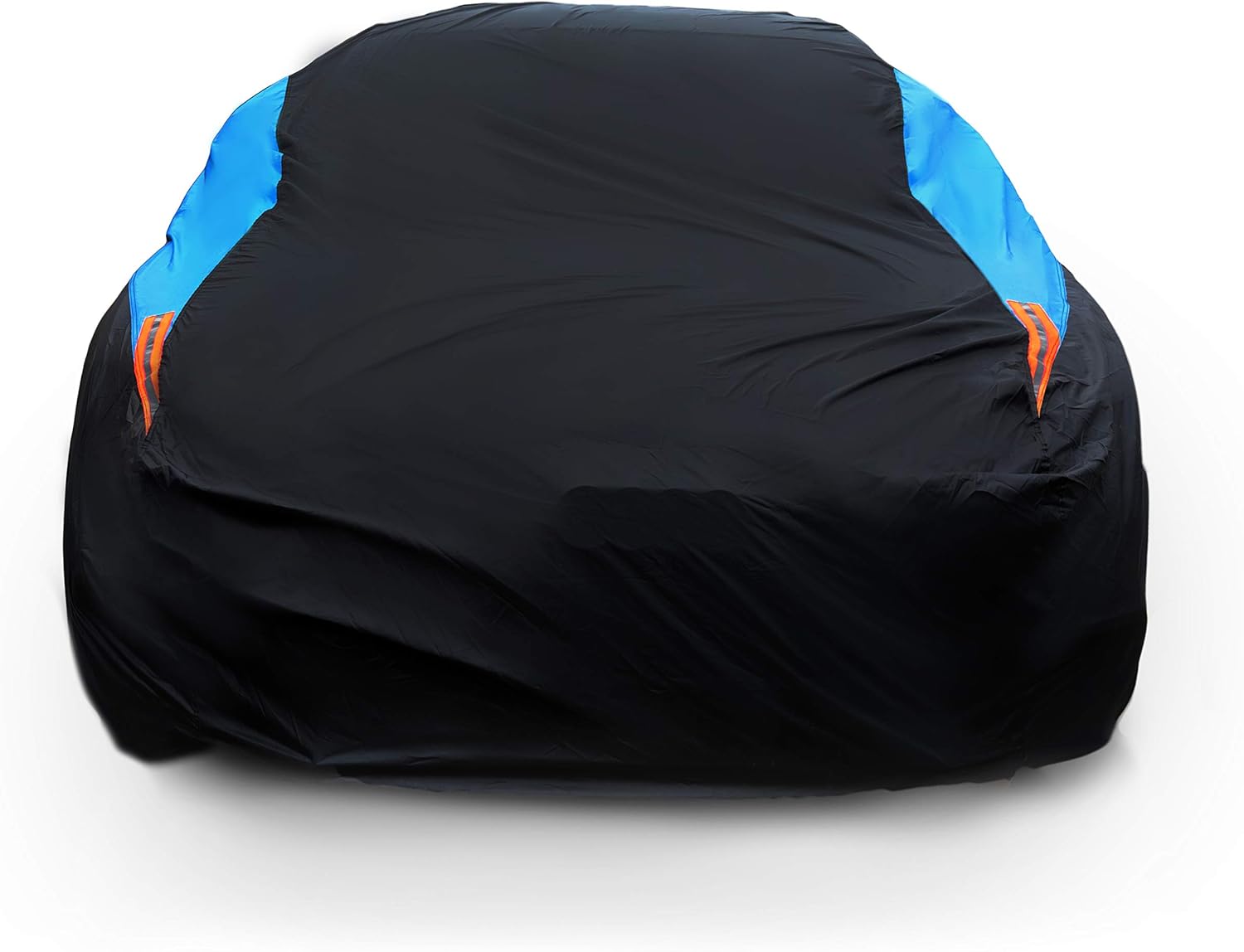
Stop Mold Under a Car Cover: 4 Fixes That Work
⚡ Quick Answer
Mold grows under a car cover when trapped moisture has nowhere to go. Stop it by switching to a breathable cover, drying your car fully before covering it, and lifting the cover every few days for airflow. Fix this and mold has no fuel left to grow.
Checks to run this week
-
1
Feel the fabric. Damp or clammy means moisture is stuck. -
2
Check the label for “breathable” or “water-resistant,” not just waterproof. -
3
Look for gray or black spots on the paint where the cover touches it.
Mistakes that cause this
-
✓
Covering a wet or freshly washed car -
✓
Using a plastic, non-breathable cover outdoors -
✓
Leaving the cover on for weeks with no check-ins
You pull the cover off your car and catch that musty smell first. Then you see it: gray fuzz spreading across the hood, or dark spots blooming near the mirrors. Daniel Brooks has talked to enough car owners to know this feeling well, that sinking moment when a cover meant to protect your paint ends up growing something worse underneath it.
Here’s the part most people miss. A car cover doesn’t cause mold by itself. It causes mold when it traps moisture against your paint with nowhere for that moisture to go. Get the airflow and timing right, and your cover does its job without becoming a greenhouse for spores.
Below, you’ll find exactly why this happens, which covers actually stop it, and a simple weekly routine that keeps your car cover mold-free for good.
📌 Key Takeaways
-
→
Breathable covers let water vapor escape while still blocking rain. -
→
A wet car under a cover creates condensation within hours, not days. -
→
The EPA says mold needs moisture above 60% humidity to take hold. -
→
Weekly airing out stops condensation before it ever becomes mold.
Why Does Mold Grow Under a Car Cover?
Mold grows under a car cover because the cover traps warm, damp air against a cool surface. That trapped air condenses into water droplets. Mold spores that are already floating everywhere then have exactly what they need: moisture, darkness, and still air.
You already know mold needs water to grow, the same way it grows on a damp bathroom ceiling. What’s less obvious is how fast this happens under a cover. As the air temperature drops at night, warm air trapped beneath the fabric cools and turns to condensation, even on a dry, clear night. That’s the surprising part. You don’t need rain for this to happen. A cool night after a warm day is enough.
You might be thinking your cover is “waterproof,” so this shouldn’t apply to you. Here’s why it still does: a fully waterproof, non-breathable cover blocks rain but also blocks moisture from escaping, so it traps in exactly the dampness you’re trying to avoid.
⚠️ Warning
Covering your car right after washing or in the rain is one of the fastest ways to seed mold growth, even with a quality cover.
So if your cover feels damp on the inside when you lift it, that’s your early warning sign. Catch it now, and you avoid the bigger cleanup later. Next, let’s look at what actually stops this from happening.
Does a Breathable Car Cover Actually Stop Mold?
Yes, a breathable cover stops most mold problems because it lets water vapor escape while still keeping rain and dust out. The fabric has tiny pores too small for raindrops but big enough for moisture vapor to pass through.
You probably already know cotton breathes and plastic doesn’t. Car covers work on the same principle, just engineered with multiple layers. Quality breathable covers use materials like polyester, microfiber, or specialty weaves built to let air move through them.
Here’s the surprising part: a breathable cover can still be highly water-resistant. Premium versions reach about 99.8% water resistance while still letting vapor escape outward, so you’re not trading dryness for breathability. You get both.
Here’s how the two cover types compare on the moisture problem that actually causes mold.
| Feature | Waterproof Plastic Cover | Breathable Cover ✓ Best |
|---|---|---|
| Lets moisture escape | No | ✓ Yes |
| Mold and mildew risk | High | ✓ Low |
| Good for daily outdoor use | Not recommended | ✓ Yes |
If your current cover doesn’t say “breathable” anywhere on the label, treat that as your first clue.
So if you’re shopping for a new cover, check the label for “breathable” or “water-resistant” rather than just “waterproof.” That one word makes the biggest difference in whether mold ever gets a foothold.
How Do I Stop Mold From Growing Under My Car Cover?
Stop mold under a car cover by drying your car fully before covering it, using a breathable fabric, and lifting the cover regularly to let trapped air escape. These three habits remove the moisture mold needs to survive.
You already know wet things grow mold faster, like a damp towel left in a gym bag. Apply that same logic to your car. Make sure your car is dry before covering it to avoid trapped moisture and rust, and you’ve already cut your risk in half.
🔢 Step-by-Step: Your Mold-Free Cover Routine
-
1
Dry the car fully first
Wipe down the body, mirrors, and roof. Never cover a car straight after rain or a wash.
-
2
Dry the cover too
If the cover got wet last time, air dry it completely before putting it back on.
-
3
Crack a window or vent
A small gap lets cabin air circulate and stops interior condensation from building up.
-
✓
Lift and check weekly
Pull the cover back for a few hours on a dry day. Your car gets to breathe too.
That’s not all. Leaving a cover on for weeks without checking can trap condensation and let problems develop unnoticed. So if you store your car long-term, set a weekly reminder to lift the cover, even just for an hour.
What Else Causes Moisture Buildup Under a Cover?
Beyond the cover itself, moisture builds up from a poor fit, dirty fabric, and storage location. A loose cover flaps and lets water in at the edges. A dirty cover holds grime that traps damp air against the paint.
So what does this mean for you? Even the best breathable cover can fail if it doesn’t fit your car properly. A poorly fitted cover, whether too tight or too loose, won’t protect your car effectively and can actually trap more moisture at the gaps.
Storage location matters just as much. Parking in a dark, damp garage raises humidity around the car, while parking in occasional sunlight lets things dry out naturally. Direct sunlight can help kill mold and mildew that may already be forming, while a dark garage tends to raise humidity instead.
📋 Other Moisture Sources to Rule Out
-
Loose fit: Gaps let rain in and trap it underneath. -
Dirty cover: Grime under the cover holds onto dampness longer. -
Dark, damp garage: Raises humidity around the whole vehicle. -
Coastal or humid climate: Higher baseline moisture in the air itself.
Catching these small issues early keeps you from ever needing a deep mold cleanup. But sometimes extra help is worth adding to your routine, especially in humid climates.
Recommended Product
Hydrosorbent Car Storage Desiccant – Moisture Absorber for Vehicle Storage & Shipping
★★★★☆ Highly rated on Amazon
Slide a few packets under the cover near the footwells and trunk to pull excess moisture out of the air before it ever reaches the fabric.
As an Amazon Associate, we earn from qualifying purchases.
What Most People Get Wrong About Car Cover Mold
Most people assume a cover only fails if it leaks. In reality, the biggest mistake is covering a car that isn’t fully dry, which seeds the damp environment mold needs from the very first hour.
Another common belief is that “waterproof” automatically means “better.” It doesn’t. Waterproof covers maximize moisture protection from outside rain, while water-resistant, breathable covers allow airflow that’s better suited for everyday use. For most climates, breathable wins.
Finally, people think mold only grows in heavy rain or flooding. In reality, simple temperature swings between day and night are enough to form condensation under a sealed cover, even on a completely dry week.
Conclusion
Mold under a car cover almost always comes down to one thing: trapped moisture with nowhere to go. Switch to a breathable cover, dry your car before covering it, and check under the cover weekly. Do this, and mold loses the conditions it needs to grow at all.
One thing to do right now: go lift your current car cover and feel the inside for dampness. If it’s damp, pull it off and let both the car and cover air dry today.
Frequently Asked Questions
Can I cover a wet car?
No, you shouldn’t cover a wet car. Doing so traps water against the paint and creates the exact damp, dark conditions mold needs to start growing within hours.
How often should I check under a car cover?
Check under your car cover at least once a week. Lift it for an hour or two on a dry, sunny day so both the car and cover get a chance to air out fully.
Is it bad to leave a car cover on all the time?
Yes, leaving a cover on nonstop without ever lifting it raises the risk of trapped condensation, hidden mold, and even paint damage that you won’t notice until it’s already spread.
How do I dry out a moldy car cover?
Hose off any visible mold, wash with mild soap and water, then lay the cover flat or hang it in direct sunlight until it’s completely dry before folding or storing it again.
What humidity level causes mold to grow?
According to the EPA’s guidance on moisture control, mold needs sustained humidity above 60% to grow. Keeping the area around your car below that threshold removes the moisture mold depends on.
Can I use a tarp instead of a car cover?
A standard tarp is not a good substitute. Tarps are usually non-breathable plastic, so they trap moisture against the paint even more aggressively than a cheap car cover would.
Do desiccant packs really help under a car cover?
Yes, desiccant packs absorb ambient moisture in the air around your car, which lowers the local humidity and gives mold spores less water to work with, even under an imperfect cover.

Daniel Brooks is an automotive writer and product researcher focused on car accessories, car tech, maintenance, and practical driving guides. At Plug-in Car World, he helps drivers make smarter automotive decisions through honest reviews and research-driven content.