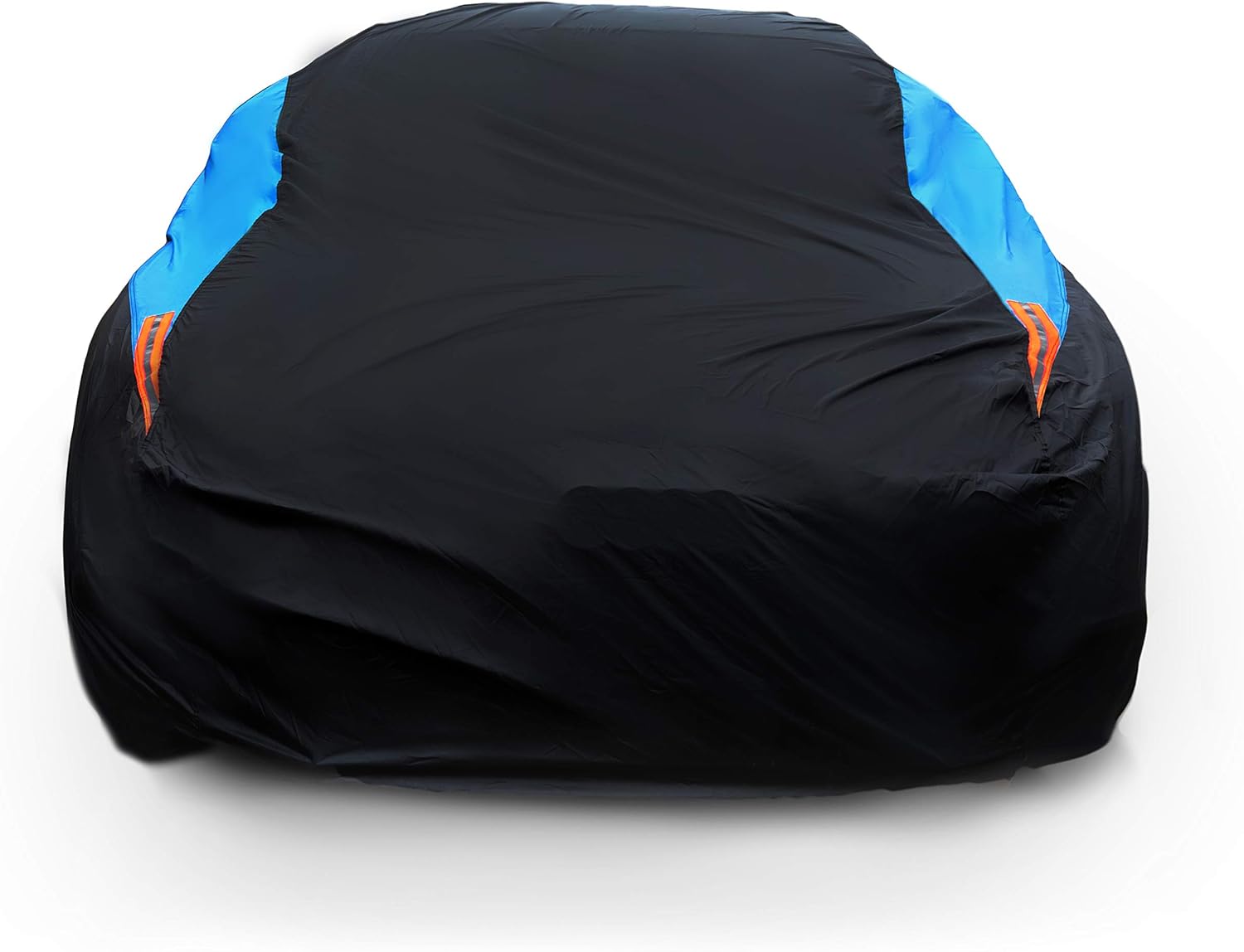
Indoor Car Cover Care and Storage Guide : Keep Your Cover Clean and Ready
An indoor car cover still needs regular cleaning, full drying, and breathable storage. Wash it every one to two months, dry it fully before folding, and store it in a breathable bag. This stops mold, musty smells, and fabric damage even in a closed garage.
You park your car inside and think the cover’s job is easy. Then you pull it off one day and catch a musty smell. I’m Daniel Brooks, and I’ve tested car covers in garages, carports, and storage units for years. Indoor storage protects a cover from rain and sun. It doesn’t protect it from moisture, dust, or bad folding habits.
Most indoor cover problems come from one thing: trapped humidity. A garage traps more moisture than people expect. Let’s break down exactly how to keep your indoor car cover clean, dry, and ready for years of use.
- Indoor covers need cleaning every one to two months, even without rain or sun exposure.
- Garages often hold more humidity than outdoor air, which invites mold and mildew.
- A cover must be bone-dry before folding or it will trap moisture inside its own fibers.
- Breathable fabric matters more indoors than most owners realize.
- Storage bags and elevated shelving protect a folded cover between uses.
What Makes Indoor Car Cover Care Different From Outdoor Care?
Indoor care focuses on moisture control, not weather protection. An outdoor cover fights rain, UV rays, and wind. An indoor cover fights something quieter: trapped humidity inside a closed space.
A garage doesn’t breathe the way open air does. Cars bring in melted snow, wash-day dampness, and body heat. That moisture has nowhere to go. Your cover sits right in the middle of it, absorbing whatever the air holds.
Breathable fabric means material with tiny pores that let air pass through while still blocking dust and light moisture.
Why Do Indoor Car Covers Still Need Cleaning?
Dust settles on an indoor cover constantly, even without rain or pollen. Garage dust comes from concrete, stored boxes, and foot traffic. It builds up fast and holds moisture against the fabric.
Skin oils and body heat from the car itself also transfer to the cover’s underside. Over weeks, this creates a thin film that attracts more dust and slowly breaks down the fabric’s coating.
Common indoor car cover problems almost always trace back to skipped cleaning, not bad luck.
How Often Should You Clean an Indoor Car Cover?
Clean an indoor cover every four to eight weeks under normal conditions. Homes near construction sites, workshops, or heavy foot traffic need cleaning closer to every four weeks.
Check the cover monthly between washes. Run your hand along the fabric. If it feels gritty or smells slightly stale, it’s time to wash it early.
Set a phone reminder for cover cleaning. Most owners forget until they notice a smell, and by then mildew has already started.
What’s the Right Way to Clean an Indoor Car Cover?
Hand washing beats a washing machine for most car covers. Machines can stretch seams, damage grommets, and wear down coatings faster than gentle hand cleaning.
- Shake out loose dust outdoors before washing.
- Fill a tub with lukewarm water and mild, non-detergent soap.
- Scrub gently with a soft brush, focusing on the underside.
- Rinse thoroughly until no suds remain.
- Hang the cover flat outdoors or in a ventilated space to dry.
Never use bleach or strong detergent. These strip the fabric’s water-repellent coating and shorten the cover’s life fast.
Can Trapped Moisture Ruin a Cover Even Indoors?
Yes, trapped moisture ruins more indoor covers than outdoor storms. A cover folded while damp seals moisture inside its own layers. Mold grows within days in that environment.
This is the one insight most guides skip: garage humidity often spikes higher than the air outside, especially in attached garages that share heat and moisture with the house. A hygrometer reading in my own garage regularly hits 65% relative humidity in summer, well above the range that invites mold growth.
Never fold a cover while it’s even slightly damp. Trapped moisture between layers can grow mold within 48 hours.
How Do You Stop Mold and Musty Smells Indoors?
Full drying before storage is the single best defense against mold. Hang the cover flat for several hours, ideally outdoors, until every layer feels completely dry to the touch.
The EPA recommends keeping indoor relative humidity below 60 percent, ideally between 30 and 50 percent, to control mold growth in any enclosed space, including garages. A small hygrometer and a garage dehumidifier can bring stubborn spaces into that safe range.
A garage dehumidifier makes this far easier if your space stays humid year-round.
If a musty smell already exists, a mix of white vinegar and water often lifts it before mold takes hold.
Where Should You Store the Cover Between Uses?
Storage location matters as much as cleaning. A cover tossed on a garage floor collects dust, moisture, and pests faster than one stored properly.
| Storage Method | Moisture Risk | Best For |
|---|---|---|
| Garage floor | High | Not recommended |
| Wall-mounted shelf | Low | Most garages |
| Breathable storage bag | Very low | Long-term storage |
| Sealed plastic bin | High | Avoid entirely |
Sealed plastic bins feel protective, but they trap any leftover moisture against the fabric. A breathable bag or open shelf lets air keep moving around the cover.
How Should You Fold or Roll a Cover for Storage?
Rolling puts less stress on the fabric than tight folding. Rolling avoids the sharp crease lines that weaken coated fabric over repeated use.
Start from one end and roll evenly, keeping the cover loose rather than compressed. For step-by-step guidance, see our page on folding a cover for easy storage.
Preparing a cover for long-term storage takes a few extra steps if you won’t use it again for several months.
What Common Mistakes Shorten an Indoor Cover’s Life?
Storing a cover while it’s still warm from the car is a common mistake. Heat plus trapped body moisture from the vehicle speeds up mildew growth inside the folded layers.
- Folding the cover before it’s fully dry
- Leaving it bunched on the garage floor
- Skipping cleaning because “it’s indoors, so it’s clean”
- Using a non-breathable cover in a humid garage
- Ignoring garage moisture problems until a smell appears
Garages that share a wall with the house often trap more humidity than freestanding structures. According to Santa Clara University’s vehicle storage guidance, owners preparing a car for storage should provide a car cover and wash the vehicle beforehand as standard preparation steps, which shows that clean, dry conditions matter for any long-term indoor storage setup.
Clean your indoor cover monthly, dry it completely, store it on a shelf or in a breathable bag, and keep garage humidity under 60 percent. These habits prevent almost every common indoor cover problem.
A breathable, well-fitted cover makes all of this easier from the start. A indoor breathable car cover resists trapping moisture the way heavier outdoor fabric can.
A soft indoor cover paired with a dedicated storage bag keeps dust off your car and keeps the cover itself dry and organized between uses. It’s a small setup that saves a lot of cleaning later.
Your Next Step
Indoor storage doesn’t mean maintenance-free. Clean your cover every four to eight weeks and dry it fully before folding. Check your garage humidity with a simple hygrometer this week. That single habit prevents most mold and odor problems before they start. I’m Daniel Brooks, and a little routine care is really all this takes.
Frequently Asked Questions
Do indoor car covers get dirty?
Yes, indoor car covers still collect dust, skin oils, and body heat from the vehicle. They need regular cleaning even without rain or sun exposure.
Can I store a car cover in a plastic bin?
Sealed plastic bins trap moisture against the fabric and increase mold risk. A breathable storage bag or open shelf works much better.
How do I know if my garage is too humid for cover storage?
Use a hygrometer to check relative humidity. Anything consistently above 60 percent raises mold risk for both your cover and your car.
Should I fold or roll my car cover for storage?
Rolling is gentler on the fabric than tight folding. It avoids sharp creases that weaken coated material over time.
Why does my indoor car cover smell musty?
A musty smell almost always means the cover was folded while still damp. Trapped moisture between layers lets mildew grow quickly.

Daniel Brooks is an automotive writer and product researcher focused on car accessories, car tech, maintenance, and practical driving guides. At Plug-in Car World, he helps drivers make smarter automotive decisions through honest reviews and research-driven content.