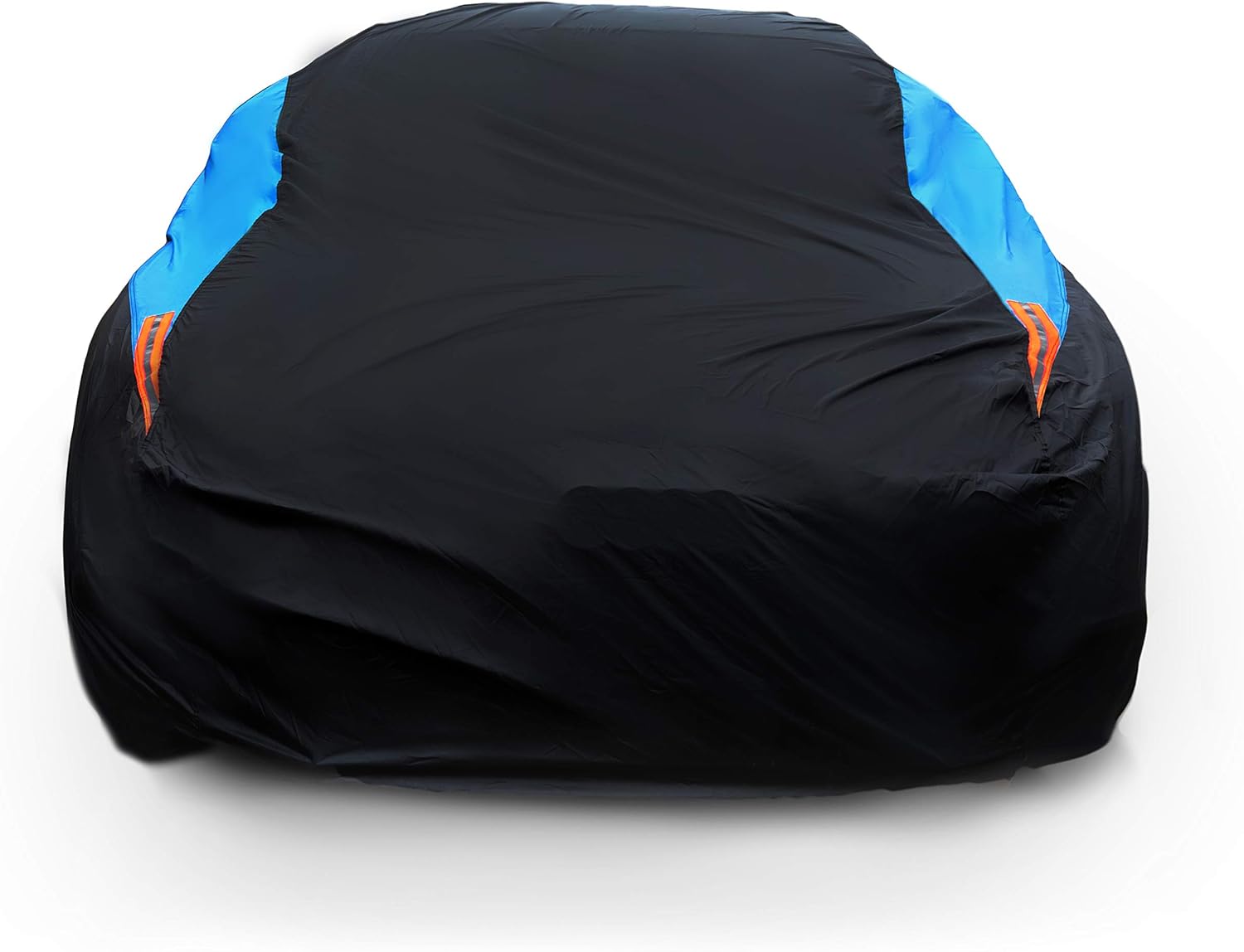
How to Clean a Car Cover Without Damaging It
⚡ Quick Answer
Hand washing is the safest way to clean a car cover. Rinse off loose dirt, scrub gently with cold water and a mild, bleach-free detergent, rinse twice, then air dry fully before folding. Skip the dryer and any harsh chemicals.
Steps to Wash a Car Cover by Hand
- Shake off loose dirt, then rinse the cover with a hose.
- Mix cold water with a mild, pH-neutral detergent.
- Scrub gently in sections with a soft brush or sponge, rinse, then air dry completely.
Mistakes That Damage a Cover
- ✓Avoid top-load washers with a center agitator.
- ✓Never use bleach, hot water, or fabric softener.
- ✓Never machine dry — heat can shrink or crack the coating.
Pull a dusty, stiff car cover off your hood and you’ll feel it right away — that gritty coating is basically fine sandpaper sitting against your paint. Daniel Brooks has seen plenty of covers ruined by a well-meaning trip through a top-load washer or a hot dryer cycle. A dirty cover doesn’t just look bad; it grinds dirt and grit into your clear coat every time the wind shifts it.
The fix is simple, but the details matter. Use the wrong detergent, water temperature, or drying method and you can strip the waterproof coating or warp the seams. Here’s exactly how to clean a car cover the right way, without shortening its life.
📌 Key Takeaways
- Hand washing is the safest method for most covers, especially waterproof or multi-layer ones.
- Cold water only — hot water and dryers can shrink fabric and break down waterproof coatings.
- Mild, bleach-free detergent protects the fabric; bleach and fabric softener strip water resistance.
- Air drying fully before storage is the single biggest defense against mold and musty odors.
How to Hand Wash a Car Cover
Hand washing is the go-to method for waterproof, multi-layer, or high-end covers, since it avoids the agitation that can wear down seams and coatings.
🔢 Step-by-Step Hand Wash
-
1
Leave the cover on the car and stretch it tight, or lay it flat on a clean tarp — this keeps wrinkles from trapping grit. -
2
Rinse with a hose on light pressure to knock off dust, pollen, and loose debris before you add soap. -
3
Mix cold water with a small amount of mild, bleach-free detergent in a bucket. -
4
Work in sections with a soft sponge or brush, using gentle circular motions instead of hard scrubbing. -
✓
Rinse twice, then flip the cover inside out and repeat if it’s off the car, so the inner lining gets cleaned too.
You might be thinking a pressure washer would be faster. It isn’t worth the risk — the force can tear seams or drive water into the seams’ stitching. Stick to a garden hose on a gentle setting.
Can You Machine Wash a Car Cover?
Yes, but only if the care tag says the cover is machine-washable, and only in a front-loading machine. Most lightweight polyester or nylon covers can handle it; heavier waterproof or multi-layer covers usually can’t.
Here’s what changes between the two methods:
If your machine has cycle options, use the delicate or gentle setting, cold water, and about a quarter cup of mild detergent. Run the rinse cycle twice to clear out soap residue, which can attract dirt if left behind.
⚠️ Warning
Never use a top-load washer with a center agitator. It can snag and rip the fabric, and it’s the single most common cause of torn car covers.
How to Remove Bird Droppings, Tree Sap, and Stains
Stains are where most covers get damaged, because it’s tempting to scrub hard or reach for a strong cleaner. Here’s the gentler way to handle the worst offenders.
📋 Common Stains and How to Treat Them
-
Bird droppings: Soak in warm water first, then scrub with a mild detergent and water mix, adding a splash of vinegar for stubborn spots. -
Tree sap: Dab with rubbing alcohol on a cloth, let it sit briefly, then gently scrape softened sap with a plastic edge — never metal. -
General grime: A diluted all-purpose cleaner applied in sections and gently scrubbed usually lifts everyday dirt without extra scrubbing.
So if your cover sits under a tree, check it weekly. Catching sap or droppings early means less soaking and scrubbing later.
How to Dry and Store a Car Cover Safely
Drying matters as much as washing. Heat from a dryer can shrink synthetic fabric or crack a waterproof coating, so air drying is the standard for nearly every car cover on the market.
✅ Tip
Drape the cover over your car, a fence, or a clothesline in the shade. Direct sun can fade color and weaken UV-resistant coatings over time.
Once it’s completely dry — not just surface-dry — fold it loosely, or roll it, and store it in its storage bag in a cool, ventilated spot. Storing a cover while it’s even slightly damp is the top cause of the musty, mildew smell that ruins otherwise good covers.
What Most People Get Wrong About Cleaning a Car Cover
“Any detergent will do.” Regular laundry detergent often contains brighteners, dyes, or additives that break down waterproof coatings. A mild, dye-free, bleach-free option is worth the extra step.
“A dryer just speeds things up.” Heat is one of the fastest ways to shrink fabric or damage seam tape. Air drying takes longer, but it protects the investment you made in the cover.
“Fabric softener keeps it feeling nice.” Softener coats fibers in a way that weakens water resistance, which defeats the entire purpose of the cover.
Frequently Asked Questions
How often should you clean a car cover?
Clean it every one to three months under normal conditions, or sooner if it’s visibly dirty. Covers parked under trees or near construction dust need more frequent washing.
Can you use a pressure washer on a car cover?
No. Pressure washers can force water into seams and stitching, weakening them over time. A garden hose on a gentle setting is strong enough to rinse most dirt.
Is it safe to machine dry a car cover?
Only if the manufacturer’s tag specifically allows it. Most covers should be air-dried, since dryer heat can shrink fabric or damage waterproof coatings.
What detergent is safe for a car cover?
Use a mild, bleach-free, dye-free detergent made for delicate fabrics. Harsh detergents and fabric softeners can strip the cover’s water-repellent coating.
How do you get bird droppings off a car cover?
Soak the spot in warm water to loosen the residue, then scrub gently with a mild detergent solution. Adding a small amount of vinegar helps break down stubborn stains.
Why does my car cover smell musty after washing?
A musty smell almost always means the cover was folded or stored before it was completely dry. Let it air dry fully, inside and out, before putting it away.
Can you wash the inside lining of a car cover?
Yes. Turn the cover inside out, put it back on the car, and hand wash the lining the same way you washed the exterior, then rinse and air dry.
The Bottom Line
A clean car cover protects your paint; a dirty one damages it. Stick to cold water, a mild detergent, gentle scrubbing, and full air drying, and your cover will keep doing its job for years. Skip the shortcuts — hot water, bleach, and the dryer — since they’re the fastest ways to shorten a cover’s lifespan.
One thing to do right now: Check your cover’s care tag before your next wash, so you know exactly which method it’s rated for.
Further reading: EPA Safer Choice — how to identify safer, mild detergents and REI’s guide to caring for durable water-repellent (DWR) coatings, the same type of finish used on many waterproof car covers.

Daniel Brooks is an automotive writer and product researcher focused on car accessories, car tech, maintenance, and practical driving guides. At Plug-in Car World, he helps drivers make smarter automotive decisions through honest reviews and research-driven content.