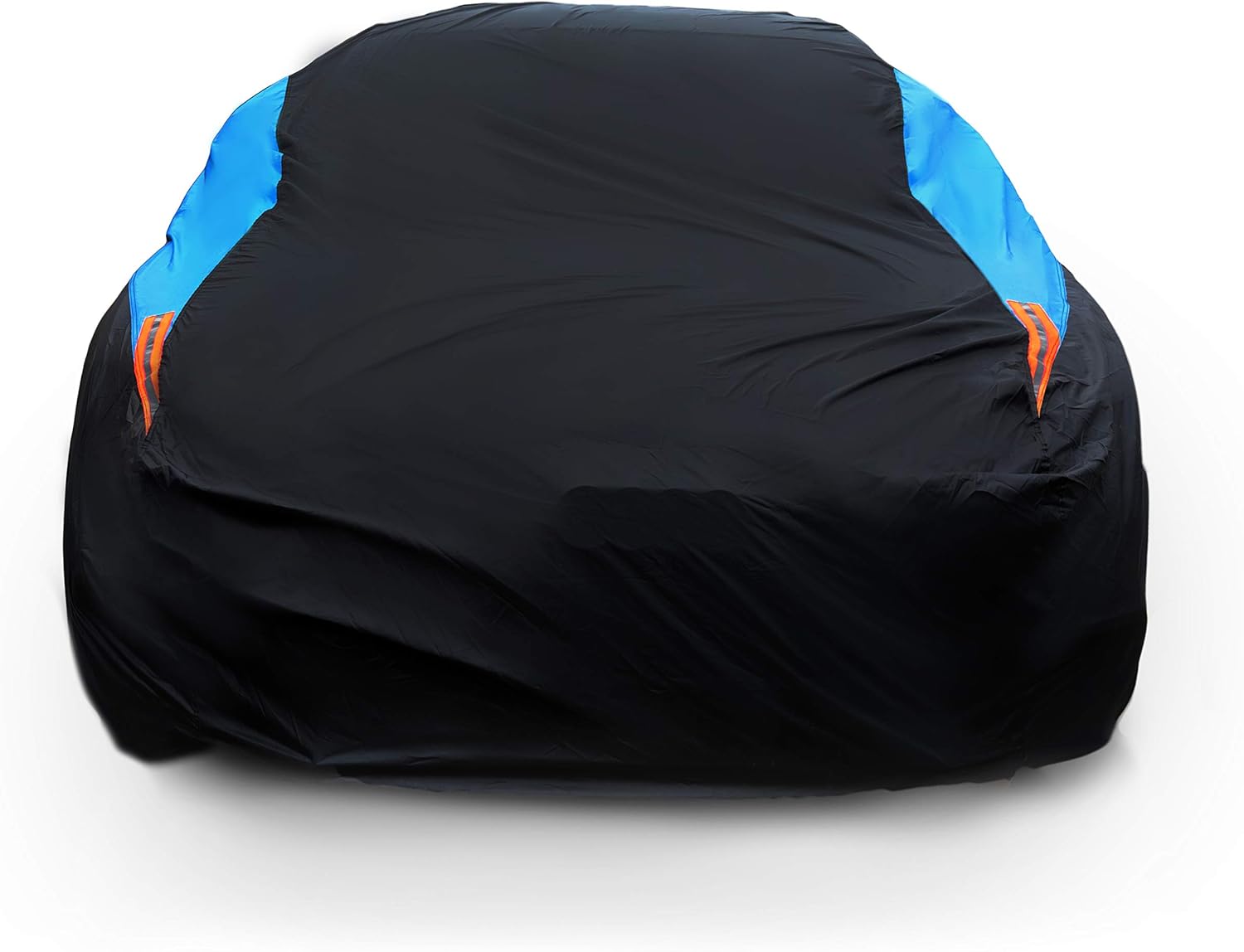
How to Keep Rodents Away From a Covered Car
⚡ Quick Answer
A car cover gives mice and rats warm, dark shelter, so keeping rodents away takes more than the cover itself. Combine a peppermint-oil repellent, a clean parking spot, and regular checks under the cover. No single trick works alone, but stacking three or four cuts your risk sharply.
How to rodent-proof a covered car
- 1Spray a peppermint-oil repellent under the cover every few days
- 2Clear trash, mulch, and woodpiles from the parking spot
- 3Lift the cover weekly to check for droppings or chewed fabric
Mistakes that invite mice in
- ✓Leaving food wrappers in the cabin
- ✓Parking against a fence line or brush pile
- ✓Leaving the car sitting untouched for weeks
Daniel Brooks has watched this scene too many times: a customer pulls off a car cover after winter storage and finds shredded insulation, a nest in the air filter, and chewed wiring. A covered car looks protected. To a mouse, it looks like a tent with room service.
Car covers trap warmth and block predators, which makes them genuinely appealing to rodents looking for a safe place to nest. The fabric itself is rarely the target. What’s underneath it is: wiring, foam padding, and quiet, undisturbed space.
The good news is that rodents can be discouraged with a short list of habits and a couple of cheap products. Here’s what actually works, what’s mostly myth, and how to check your car before damage happens.
📌 Key Takeaways
- →Warmth and shelter, not the cover material, are what draw rodents to a parked car.
- →Peppermint oil sprays need reapplication every 2-3 days to stay effective.
- →Ultrasonic repellers have a short range and unproven long-term results.
- →Wiring repairs from rodent damage typically run $500 to $2,000.
Why Rodents Target Cars With Covers On
A car cover blocks wind, light, and owls or cats that would otherwise hunt a mouse. Rodents are drawn to the warmth of a car’s mechanical parts, and once inside, they can chew wires and cause serious damage. The cover simply adds another layer of concealment on top of that.
So what does that mean for you? A covered car parked for long stretches is more attractive, not less, unless you actively counter it.
Engine heat fades within hours, but the dark, enclosed space stays appealing. The warmth of an engine compartment, the number of entry points into a car, and the abundance of nesting materials all add to the draw for rodents. A cover adds a fourth layer: cover from predators and weather.
⚠️ Warning
Most comprehensive auto insurance covers rodent damage, but standard warranties usually don’t. Check your policy before you need it.
Does Peppermint Oil Actually Keep Mice Away From Cars?
Peppermint oil is the most recommended rodent repellent for covered cars, and for good reason: it’s cheap, safe around pets, and easy to apply. Peppermint oil has been known to deter pests, with no ill side effects for humans, and spraying it on the ground, under the hood, and in the interior encourages rodents to move on.
It isn’t permanent, though. Peppermint repellent must be sprayed every few days to get the best results, because the scent fades fast, especially outdoors.
Here’s how the most common deterrent methods stack up for a covered car:
No single method is foolproof. Combining a scent deterrent with habit changes works best.
You might be thinking ultrasonic devices sound like the easy fix. Here’s why they’re not: these devices have a short range, which makes them effective only in a small area, and an expert quoted by Team-BHP goes further, saying none of the popular deterrent products, including ultrasonic devices, have been proven to work long-term because rodents get used to smells quickly.
How Do I Rodent-Proof a Car Under a Cover?
Start with the parking spot, not the cover. A covered car sitting in tall grass or next to a wood pile is far more vulnerable than one on bare pavement. Fix the surroundings first, then layer on repellents.
🔢 Step-by-Step: Rodent-Proofing a Covered Car
- 1
Clear the parking spot
Move trash cans, mulch, and stacked firewood at least a few feet away.
- 2
Clean out the cabin and trunk
Remove wrappers, napkins, and any stray food before covering the car.
- 3
Spray a peppermint repellent
Treat the tires, wheel wells, and engine bay before pulling the cover on.
- 4
Set traps around the car
Place snap traps near the tires and under the hood, away from pets.
- ✓
Lift the cover weekly
A quick peek catches a problem before it becomes a nest.
Moving the car regularly makes it harder for rodents to settle in, since a parked car that sits for weeks acts like an open invitation. If the car has to sit still for the season, that’s exactly when the steps above matter most.
What Smells and Products Actually Repel Rodents?
Beyond peppermint oil, a few other low-cost options show up again and again from pest control sources. None work forever on their own, but they add friction that makes your car less appealing than the yard next door.
📋 Common Rodent Deterrents Worth Trying
- Dryer sheets: placed in the trunk, on tires, and under the hood, then thrown away once the car comes out of storage.
- Mothballs: effective under the hood for winter storage, dissolving naturally by the time spring comes around.
- Capsaicin tape: a spicy-coated electrical tape automakers sell for wrapping wiring harnesses.
- Copper mesh: rodents won’t chew through it, so it works well over air intakes and drain tubes.
Recommended Product
Mighty Mint Peppermint Oil Rodent Repellent Spray for Vehicles, 16 oz
★★★★☆ Highly rated on Amazon for automotive use
A plant-based spray made specifically for engine bays, tires, and interiors — easy to keep in the trunk and reapply on a schedule.
As an Amazon Associate, we earn from qualifying purchases.
What Most People Get Wrong About Covered-Car Rodent Protection
Most owners assume the cover itself is the problem, so they skip using one entirely. That trades rodent risk for sun and weather damage, and rodents can still nest under an uncovered car.
Many also believe soy-based wiring insulation is the real magnet. Rodents are drawn to warmth and shelter regardless of the type of wire coverings used, so swapping insulation type won’t solve the underlying behavior.
Last, people often trust ultrasonic devices as a complete solution. As covered above, their range is limited and results are inconsistent, so they work best as one layer, not the whole defense.
What If Rodents Already Got Inside the Cover?
If you lift the cover and find droppings, shredded material, or chew marks, don’t sweep or vacuum it up. Disinfect rodent urine and droppings with a bleach solution before cleaning, since vacuuming or sweeping can spread contaminated particles into the air.
Wear gloves throughout. Disconnect the battery before clearing nesting material near the engine, then spray the area with disinfectant and let it sit five minutes before wiping it up. Once it’s dry, reconnect the battery and start the car only after airing out the engine bay.
CDC’s full rodent cleanup guidance covers heavier infestations and disposal steps in more detail.
Conclusion
A car cover alone won’t keep rodents out — it can even help them feel safer. Pairing it with a clean parking spot, a peppermint repellent on a schedule, and weekly checks closes most of that gap. One thing to do right now: walk out and lift a corner of your cover to check for droppings before the problem grows.
Frequently Asked Questions
Does a car cover attract mice?
A cover doesn’t attract mice on its own, but it does give them more shelter from predators and weather once they’re already nearby. Combine it with repellents and a clean parking area to offset that.
How often should I spray peppermint oil under the cover?
Every two to three days for best results, since the scent fades and rinses off with weather exposure. Set a reminder if the car will sit for weeks.
Do ultrasonic rodent repellers work in a garage?
They can help in small, enclosed spaces, but their range is short and results are inconsistent. Treat them as a backup, not a primary defense.
Where should I place mouse traps around a covered car?
Place snap traps under the hood and against the inside edge of each tire, since rodents often climb tires like ladders. Check traps weekly.
Will leaving the hood open keep rodents away?
Yes, if the car is garaged. Opening the hood lets engine heat dissipate and increases light exposure, both of which reduce the shelter rodents are looking for.
Is rodent damage covered by car insurance?
Most comprehensive auto insurance policies cover rodent damage, though standard warranties usually don’t. Check your specific policy before storing the car long-term.
How do I know if rodents have gotten into my covered car?
Look for droppings, shredded nesting material, chewed wires or upholstery, and unusual smells when you start the car. Catching it early keeps repair costs down.

Daniel Brooks is an automotive writer and product researcher focused on car accessories, car tech, maintenance, and practical driving guides. At Plug-in Car World, he helps drivers make smarter automotive decisions through honest reviews and research-driven content.