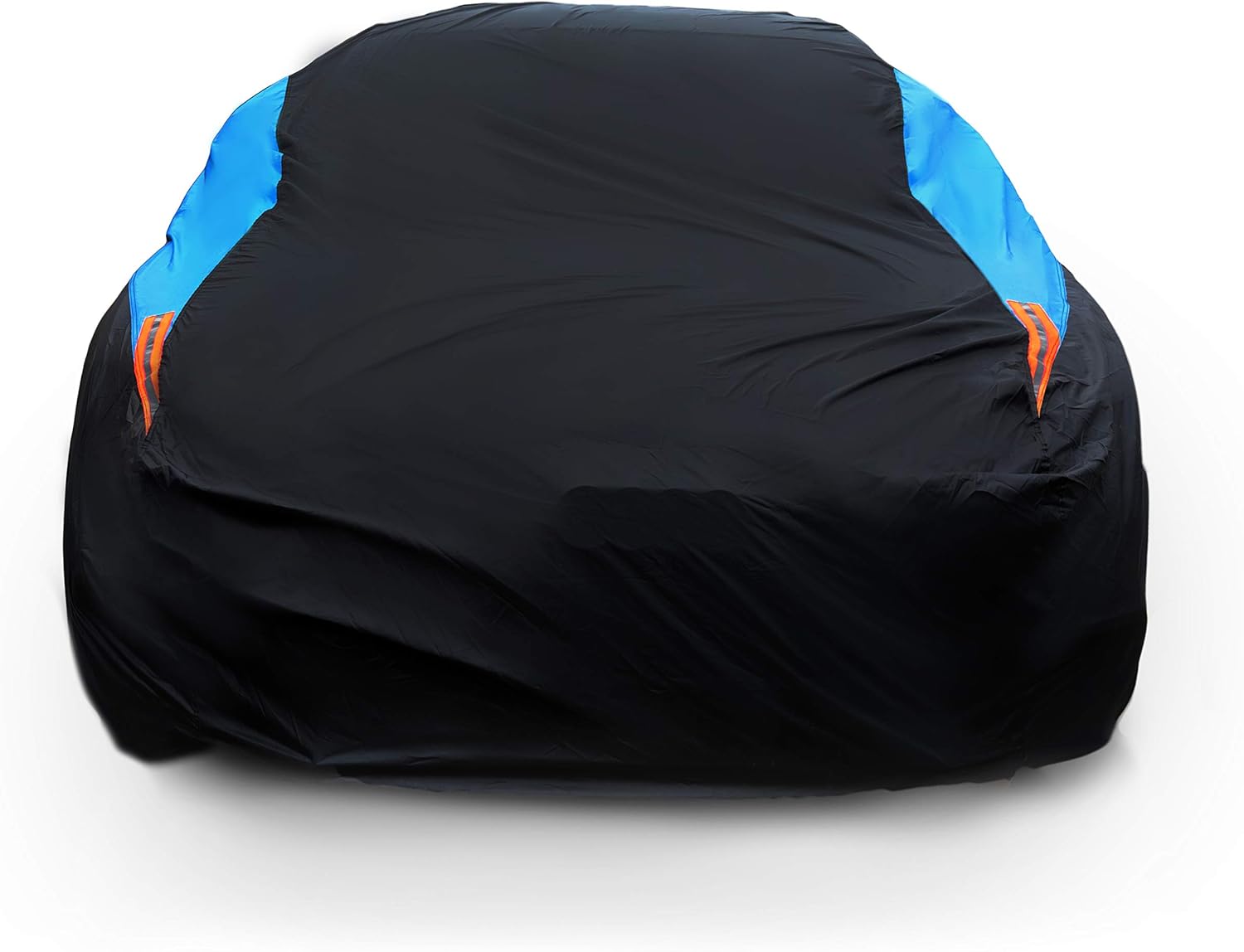
Why Bugs Gather Under Car Covers (And How to Stop Them)
⚡ Quick Answer
Bugs gather under car covers because the space between the cover and your car creates a warm, dark, sheltered microclimate. It traps heat, holds moisture, and blocks predators — three things insects actively seek. The cover’s soft fabric also gives bugs a surface to grip, nest, and lay eggs on.
Main Reasons Bugs Are Drawn Under Car Covers:
- Warmth: Sun-heated metal under a cover stays warm long after sunset.
- Darkness: The sealed space mimics a natural burrow or crevice.
- Moisture: Trapped condensation gives insects the water they need.
- Shelter: The cover hides bugs from birds, wind, and rain.
Quick Fixes to Reduce Bug Attraction:
-
✓
Switch to a breathable cover to reduce trapped moisture -
✓
Remove the cover weekly to disrupt nesting cycles -
✓
Park away from trees, lights, and standing water
Why Bugs Gather Under Car Covers (And How to Stop Them)
You pull back your car cover and something scurries out. A spider web clings to the mirror. Dead gnats dust the hood. Daniel Brooks here — and if this sounds familiar, your car cover isn’t just shielding your paint. It’s also giving bugs a five-star hotel. Here’s exactly why it happens and what you can do about it right now.
📌 Key Takeaways
-
→
Car covers create a warm, dark, moist microclimate that mimics a natural insect burrow. -
→
Spiders, carpet beetles, ants, and cockroaches are the 4 most common bugs found under car covers. -
→
Non-breathable covers trap up to 3× more moisture, making the bug problem significantly worse. -
→
Bug damage under covers includes paint scratches from legs and droppings, and acid etching from waste. -
→
Removing your cover once a week for 30 minutes is the single easiest prevention step.
The Real Reason Bugs Are Drawn Under Car Covers
Bugs gather under car covers because the space between the fabric and your vehicle’s body creates the exact conditions insects need to survive. It’s warm, dark, humid, and protected from predators. To a bug, it looks just like a crack in a tree or a gap in soil.
This isn’t random. Insects don’t wander under covers by accident. They actively seek out enclosed, sheltered spaces — especially when temperatures drop or rain approaches. Your car cover delivers all of that in one package.
📋 The 5 Conditions That Make a Car Cover a Bug Magnet
-
Retained heat: Your car’s metal body absorbs sunlight all day. The cover locks that heat in for hours after sunset — creating a warm zone insects actively seek to maintain body temperature. -
Complete darkness: The cover blocks all light. Dark enclosed spaces trigger a “safe zone” instinct in most insects, from spiders to beetles to ants. -
Trapped condensation: Temperature shifts cause moisture to form between the cover and the car. That standing moisture gives insects the water they need — and signals a hospitable environment. -
Predator protection: Birds, lizards, and other insect predators can’t see or reach bugs under a cover. That safety drives insects to stay and nest. -
Soft nesting surface: Cover fabrics — especially fleece-lined or multi-layer covers — give insects a surface to anchor webs, lay eggs, and build nests directly against the car.
So what does that mean for you? If your car sits covered for more than 3 days at a time, you’re giving insects enough time to move in and start nesting. The longer it stays on undisturbed, the more established they become.
What Bugs Are Most Commonly Found Under Car Covers?
Not every insect will settle under a car cover — but 4 types show up again and again. Each one has a different reason for choosing your covered vehicle, and each causes a different type of problem once it moves in.
Here’s how each common bug behaves under a car cover and what risk it brings.
Spiders are the most common complaint from car cover users. They can establish 25 or more webs in just 10 days of undisturbed cover use.
Here’s why that matters for you. If you’re seeing one type of bug, you likely have others too. Spiders go where smaller insects go. Ants go where food residue exists. Where there’s one, there’s usually a population growing nearby.
Does a Car Cover Actually Make the Bug Problem Worse?
Yes — in most cases, a car cover does make the bug problem worse compared to leaving your car uncovered. An uncovered car is exposed to wind, sunlight, and temperature swings. Those elements disrupt insects and make your car less hospitable.
A covered car, by contrast, creates a stable, protected environment. The cover eliminates the 3 main things that naturally deter bugs: direct light, airflow, and predator visibility. According to pest control experts at the National Pest Management Association (PestWorld), vehicles that sit parked and undisturbed — especially in warm conditions — are significantly more vulnerable to pest infestation than those used regularly.
💡 Key Insight
A car cover doesn’t attract bugs on its own. It amplifies the conditions that already attract them. Remove any one of those conditions — warmth, darkness, moisture, or shelter — and you break the cycle. The cover itself is the problem only because it locks all 4 in at once.
But here’s the thing — this doesn’t mean you should stop using a cover. It means you need the right cover and the right habits. We’ll cover both in detail later in this article.
The Role of Warmth, Moisture, and Darkness Under a Car Cover
These 3 factors work together to create what entomologists call a “harborage environment” — a space insects instinctively identify as safe and liveable. Research published in peer-reviewed entomology journals shows that insects use thermal cues — sensing warmer temperatures — to locate shelter and food. Your car cover creates exactly that kind of localized warm zone. You can read more about insect heat-seeking behavior in this peer-reviewed insect behavior study from the National Center for Biotechnology Information.
Moisture plays a separate but equally powerful role. When temperatures drop at night, warm air under the cover hits the cold car surface and condenses into water droplets. That thin layer of moisture is enough to sustain many insect species for days. Silverfish, springtails, and cockroaches in particular are drawn to any source of humidity.
✅ Tip
After washing your car, let it dry fully before covering it. Covering a damp car traps much more moisture than normal condensation — and that dramatically increases insect attraction.
Why Spiders Are Especially Attracted to Car Covers
Spiders seek out dark, undisturbed spaces where prey insects are likely to gather. Under a car cover, all three conditions are perfect. The cover creates the dark hiding spot. The warmth and moisture attract small insects. The spider arrives to feed on those insects — and stays to build a web.
Spiders are also attracted to the fabric edge where the cover meets the ground. That hem gap is wide enough for spiders to enter but sheltered enough for them to feel protected. Car cover forum users have reported finding 20 or more spiders after just 10 days of leaving a cover undisturbed — especially near trees or bushes.
What Damage Can Bugs Leave Behind Under a Car Cover?
Bugs under a car cover aren’t just a nuisance — they cause real, measurable damage to your vehicle’s finish. The covered environment actually makes this worse, because you can’t see the damage forming until you remove the cover days or weeks later.
📋 Types of Bug Damage Under a Car Cover
-
Paint scratches: Bug legs carry tiny particles of grit. When insects crawl across your finish, they can leave micro-scratches — especially on dark paint. -
Acid etching: Cockroach and insect droppings are acidic. Left on paint under a cover — where they can’t be washed off by rain — they etch into the clear coat. -
Egg sac residue: Spider egg sacs, when removed, leave behind sticky residue that bonds to paint and is hard to remove without abrasive products. -
Cover fabric damage: Carpet beetle larvae eat through soft cover materials — shortening your cover’s lifespan and reducing its protective ability. -
Interior transfer: Ants and cockroaches that colonize the exterior can find gaps in weatherstripping and migrate inside your car’s cabin.
⚠️ Warning
Insect droppings on paint are most damaging in hot weather. Heat speeds up the acid reaction. If you park in a warm climate and remove your cover to find dark spots on the paint — wash the car immediately with pH-neutral soap.
Does Car Cover Material Matter for Bugs?
Yes — cover material has a direct effect on how attractive your car is to insects. The two biggest factors are breathability and surface texture. Non-breathable covers trap more moisture and heat, making the space under them more hospitable to bugs.
Here’s how common car cover materials compare for insect attraction and moisture control.
| Feature | Non-Breathable (Vinyl/Plastic) | Breathable (Polypropylene) ✓ Best |
|---|---|---|
| Moisture buildup | High — seals moisture in | ✓ Low — allows airflow |
| Heat retention | Very high — creates hot zone | ✓ Moderate — heat escapes |
| Nesting surface | Smooth — less nesting appeal | ✓ Woven but tighter = fewer gaps |
| Bug infestation risk | High due to moisture + heat | ✓ Lower with proper fit |
Breathable polypropylene covers are the best option for reducing moisture buildup — the leading driver of insect attraction under covers.
Fleece-lined covers are a special concern. The soft inner lining is ideal for carpet beetles and spiders to nest against. If you use a fleece-lined cover outdoors long-term, check the lining weekly for egg sacs or larvae.
How to Keep Bugs From Getting Under Your Car Cover
Prevention is far easier than dealing with an established bug colony under your cover. The steps below work by targeting each of the 4 conditions bugs need: warmth, darkness, moisture, and shelter. Remove any one of them consistently, and infestations can’t take hold.
Recommended Product
Budge Rain Barrier Car Cover, Outdoor, Water-Resistant, Breathable, Fits Cars up to 200″, Gray
★★★★☆ Highly rated on Amazon
A breathable polypropylene cover that allows airflow and reduces moisture buildup under the cover — directly cutting one of the main reasons bugs are drawn to covered cars.
As an Amazon Associate, we earn from qualifying purchases.
🔢 Step-by-Step: How to Bug-Proof Your Car Cover Routine
-
1
Switch to a breathable cover
Use a multi-layer polypropylene cover — never vinyl or plastic for long-term outdoor storage. Breathable fabric reduces moisture and heat buildup significantly.
-
2
Remove the cover once a week
Pull the cover off for at least 30 minutes. Direct sunlight and fresh air reset the environment under the cover — disrupting any nest-building in progress.
-
3
Shake out and inspect the cover
Shake the cover vigorously when removing it. Check the inner lining for egg sacs, webs, or larvae — especially along the hem and seams where bugs enter first.
-
4
Apply natural repellent to the cover’s hem
Spray the cover’s bottom hem with diluted peppermint oil or cedar spray every 2 weeks. Insects find both scents strongly repellent without damaging the fabric.
-
5
Keep the car clean before covering
Rinse off any food residue, tree sap, or bird droppings before putting the cover on. Organic matter on the car’s surface is a major secondary attractant for ants and flies.
-
✓
Choose your parking spot carefully
Park away from trees, outdoor lights, standing water, and overgrown grass. These are the 4 biggest insect source zones near any parked vehicle.
The EPA’s Integrated Pest Management principles confirm that prevention — removing conditions that attract pests — is consistently more effective than reactive chemical treatments. This applies directly to car covers: change the environment, and you change the outcome.
What Most People Get Wrong About Bugs and Car Covers
Most car owners assume bugs are drawn by the cover material itself — as if certain fabrics smell like food to insects. That’s wrong. Bugs don’t eat your cover (except carpet beetle larvae). They’re drawn by environmental conditions, not the material.
The second common mistake is thinking that a waterproof cover is better for preventing bugs. It’s actually the opposite. Waterproof covers seal in moisture and heat more aggressively than breathable ones — making the environment under them far more attractive to pests. Many forum users switch to “better” waterproof covers and then report worse bug problems the following season.
⚠️ Warning
Don’t spray insecticide directly on your car cover. Most aerosol bug sprays contain chemicals that discolor cover fabric, leave residue on your paint, and force insects deeper into the car’s seams rather than eliminating them. Use targeted natural repellents on the hem only.
A third misconception: “My car is clean, so bugs won't be interested.” Cleanliness of the car’s interior matters — but bugs under the cover are drawn by the exterior microclimate, not by food inside. Even a spotless car will attract spiders and beetles if the cover creates a warm, moist, sheltered space.
Does Parking Location or Season Affect Bug Activity Under a Cover?
Both matter — a lot. Parking near trees is the single biggest location factor. Trees drop organic matter, host large insect populations, and provide shade that keeps the ground moist. All of that pushes insects toward any nearby sheltered surface, including a covered car.
Outdoor lights are also a factor. Insects — especially gnats and flies — are attracted to light sources at night. A car covered near a street lamp or porch light will accumulate more bugs on and around the cover than one parked in a darker area.
Seasonally, fall and winter bring the heaviest infestations under car covers. As outdoor temperatures drop, insects actively search for warm, enclosed spaces to overwinter. A covered car that sits unused for more than a week in autumn is prime real estate for overwintering beetles, spiders, and cockroaches. Spring and summer shift the pattern — bugs are more active but less desperate for shelter, so infestation rates are lower, though still present.
How to Remove Bugs Already Under Your Car Cover
If bugs have already moved in, act quickly. The longer they stay undisturbed, the more eggs are laid and the harder removal becomes. Start with physical methods before reaching for chemicals.
✓ Bug Removal Checklist for Car Cover Users
-
✓
Remove the cover outdoors and shake it thoroughly — away from the car -
✓
Wash the car immediately with pH-neutral soap to remove droppings and residue -
✓
Machine-wash the cover according to its care instructions — 60°C kills most eggs and larvae -
✓
Sprinkle diatomaceous earth around the car’s tires before re-covering — it kills crawling insects on contact -
✓
If infestation is heavy (cockroaches or large ant colony), call a licensed pest control professional before re-covering
Diatomaceous earth deserves a special mention. It’s a fine white powder made from fossilized algae. It’s safe for humans and pets. But it destroys the exoskeleton of any crawling insect that crosses it. Sprinkling a thin ring around your tires creates a physical barrier that most crawling bugs won’t cross. Reapply it after rain.
Bugs gather under car covers because the cover does its job too well — it creates a sealed, protected environment that happens to be exactly what insects want. The fix isn’t to stop using a cover. It’s to choose a breathable cover, remove it weekly, and treat the hem with a natural repellent. Do those 3 things and you’ll have protection for your paint without a free hotel for pests. Start right now: shake out your cover and check the inside lining. That 5-minute check will tell you exactly what you’re dealing with.
Frequently Asked Questions
Why do bugs gather under car covers?
Bugs gather under car covers because the enclosed space traps warmth, moisture, and darkness — the 3 conditions insects instinctively seek for shelter and survival. The cover blocks predators and wind, making it feel like a safe natural harborage. This is why covered cars that sit undisturbed for days attract far more insects than uncovered vehicles.
Can bugs scratch my car under a cover?
Yes. Bug legs carry fine grit particles, and crawling insects can leave micro-scratches on paint — especially on darker finishes where scratches show more easily. Acidic droppings are a bigger concern. Left on paint under a sealed cover where rain can’t wash them off, insect waste etches into the clear coat over days or weeks.
Does a car cover attract more bugs than no cover?
In most cases, yes — especially for non-breathable covers left on for extended periods. An uncovered car is exposed to wind, light, and temperature swings that naturally deter insects. A cover removes all 3 deterrents at once, creating a stable, sheltered environment that bugs actively seek out.
What type of car cover is least attractive to bugs?
Breathable multi-layer polypropylene covers attract fewer bugs than vinyl or waterproof-sealed covers. Breathable covers allow airflow, which reduces the trapped moisture and heat that make the under-cover space so appealing to insects. Avoid fleece-lined covers for long outdoor storage — the soft inner lining is ideal for carpet beetles and spiders to nest against.
How do I keep bugs from getting under my car cover?
Remove the cover once a week for at least 30 minutes to disrupt nesting. Spray the cover’s hem with diluted peppermint oil or cedar spray every 2 weeks. Use a breathable cover, keep the car clean before covering, and park away from trees, lights, and standing water. Those 5 steps eliminate most of the conditions that attract insects.
Does moisture under a car cover attract insects?
Yes — moisture is one of the primary attractants. When warm air under the cover contacts the cooler car surface at night, it condenses into water droplets. That moisture sustains cockroaches, silverfish, and springtails, and signals a habitable zone to many other species. Covering a damp car makes this significantly worse, so always let the car dry fully first.
Does the season affect bug activity under car covers?
Yes. Fall and early winter produce the worst infestations. As outdoor temperatures drop, insects actively search for warm, enclosed spaces to overwinter. A covered car left unused for more than a week in autumn is a prime target. Spring and summer bugs are more active but less desperate for shelter, so infestations are more common in the colder months.

Daniel Brooks is an automotive writer and product researcher focused on car accessories, car tech, maintenance, and practical driving guides. At Plug-in Car World, he helps drivers make smarter automotive decisions through honest reviews and research-driven content.