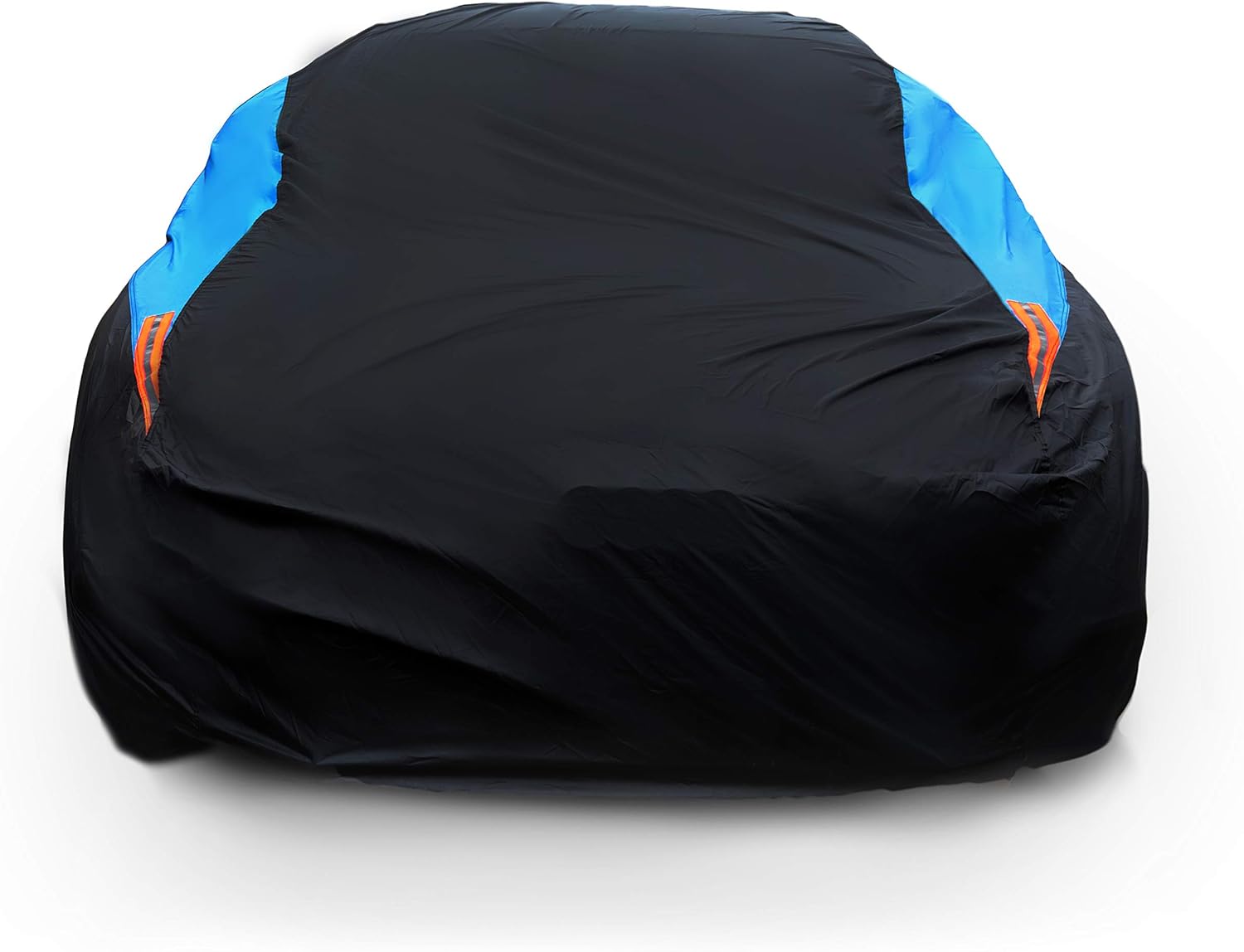
15 Ways to Extend the Life of Your Car Cover
⚡ Quick Answer
A car cover can last 3 to 10 years, but most fail early from bad habits, not bad materials. Wash it monthly, dry it fully, get a snug fit, and store it clean. Do that, and you’ll likely double its working life.
Habits that add years to a car cover
- Fit: A snug, custom-fit cover fights wind flap and rubbing.
- Dryness: Mold and mildew, not sunlight, kill most covers early.
- Cleaning: Grit trapped in the fabric grinds it thin from the inside.
Mistakes to avoid
-
✓
Never fold it away damp. -
✓
Never cover a dirty car. -
✓
Never toss a loose cover on in high wind.
Dust settles on the hood overnight. Wind tugs at the hem before sunrise. By the time you peel the cover off in spring, it’s stiff at the seams and thin at the mirror pockets. That’s not bad luck — it’s what happens to any cover left to fend for itself.
I’m Daniel Brooks, and I’ve watched plenty of good car covers die young, usually from three or four small habits repeated for a year. The fix isn’t a better cover. It’s better care.
Below are 15 specific habits that separate a car cover that lasts three seasons from one that lasts ten years.
📌 Key Takeaways
-
→
Moisture trapped under a cover causes more damage than sun ever does. -
→
A loose fit is the single biggest cause of premature wear from flapping. -
→
Washing monthly removes grit that acts like sandpaper against fabric fibers. -
→
A storage bag off the garage floor prevents most mildew and rodent damage.
1. Get the Fit Right Before Anything Else
A loose cover is the fastest way to wreck one. Wind gets underneath it, and the fabric flaps and rubs against the paint all night. That friction wears through fabric layers long before age does.
A custom-fit cover, cut for your exact make and model, hugs the body and cuts that movement way down. A universal cover will always move more, no matter how tightly you tie it.
⚠️ Warning
A cover that’s too big will fail faster than one that’s a size too small. Loose fabric is what tears first.
So what does this mean for you? If your current cover billows in the wind, that’s not a minor annoyance. It’s active damage happening every time it gusts.
2. Wash It on a Schedule, Not When It Looks Dirty
Dust and grit work their way into the weave of the fabric. Every time the cover shifts even slightly, that trapped grit acts like sandpaper against the fibers from the inside.
You might be thinking a cover that looks clean doesn’t need washing. But here’s why that’s wrong: the damage happens at a microscopic level, long before dirt is visible to the eye.
A simple monthly cleaning routine keeps grit from grinding the fabric down.
🔢 Monthly Cover Wash
-
1
Shake off loose debris
Remove the cover and shake it out before washing.
-
2
Hand wash or gentle cycle
Use mild soap. Skip harsh detergents that strip coatings.
-
✓
Air-dry completely
Drape it flat or hang it until it’s bone dry before reuse.
3. Never Store It Wet
This is the single most common way people ruin a good cover. A damp cover folded into a bag turns into a breeding ground for mold and mildew within days.
Mildew doesn’t just smell bad. It eats into the fibers and leaves permanent stains and weak spots. Once it takes hold, no amount of washing fully reverses the damage.
Always let the cover dry fully, either draped over a clean rail or hung in shade, before folding it away.
4. Clean the Car Before You Cover It
Covering a dirty car traps dust and grime directly against the paint. That same grime also grinds against the underside of the cover with every gust of wind.
A quick wipe-down with a microfiber cloth before covering takes two minutes and protects both surfaces at once.
5. Use the Straps, Cables, and Grommets Correctly
Most covers ship with fasteners for a reason. Skipping them is how covers end up in the neighbor’s yard after a storm, torn on the way there.
📋 Fastener Basics
-
Bottom straps: Loop them under the car and clip on the opposite side. -
Grommets: Use them with a cable lock in windy or high-theft areas. -
Front tag: Most covers mark the front with a sewn-in tag. Fit it correctly to avoid pulling seams out of shape.
6. Park in the Sun, Not Under Trees
It sounds backward, but shade under trees is often worse for a covered car than direct sun. Tree cover keeps moisture from evaporating, and it drops sap, pollen, and debris straight onto the cover.
One longtime cover user described ruining a car’s interior after years of parking it, covered, under trees. Moisture never got the chance to dry out, and mold set in.
Well-draining concrete or gravel in an open, sunny spot beats a shaded driveway every time.
7. Inspect It Every Few Weeks
A small tear left alone becomes a big one fast. Wind works a tiny rip wider every time the fabric moves, and once dust and moisture get through that gap, they sit directly on the paint.
Catching a pinhole tear early means a patch kit and five minutes. Catching it late means a full replacement.
8. Repair Small Tears Immediately
Most cover damage starts small and is easy to fix if you catch it in time.
✅ DIY Repair Works When
-
+
The tear is a small hole or seam split -
+
You have a matching fabric patch kit -
+
You caught it before it spread
⚠️ Call a Pro When
-
−
The tear runs along a stitched seam -
−
The fabric is already brittle or cracking nearby -
−
Waterproof coating needs reapplying
9. Choose a Breathable Material, Especially Indoors
A cover that can’t breathe traps condensation underneath it. That moisture has nowhere to go, so it sits against the paint and, over time, against the cover’s own inner lining.
For garage or carport use, a breathable, lighter-weight fabric beats a heavy waterproof tarp. Outdoors in real rain, you want a genuinely waterproof, breathable layer instead.
10. Match the Cover to Your Climate
A cover built for mild, dry weather won’t hold up in coastal salt air or heavy snow. Using the wrong-weight cover for your climate is one of the fastest ways to shorten its life.
Match the cover’s build to what it actually has to survive where you live.
The right match reduces stress on the fabric before care habits even come into play.
11. Watch Your UV Exposure
UV radiation breaks down the chemical bonds in fabric dyes and coatings over time, the same way it damages skin. The EPA notes that UV exposure is strongest between 10 a.m. and 4 p.m., which is exactly when a parked car sees the most direct sun.
A UV-treated cover fades and cracks far slower than an untreated one. If you park outside daily in a sunny climate, this single spec matters more than almost anything else on the label.
12. Use a Dedicated Storage Bag
Tossing a cover loose on a garage shelf exposes it to dust, moisture, and rodents. A dedicated storage bag keeps it clean, contained, and ready to use.
If you don’t already have one, a purpose-built bag is a small investment that protects a much bigger one.
Recommended Product
Covermates Deluxe Car Cover Storage Bag, Elite Plus Collection
★★★★☆ Highly rated on Amazon
Sturdy 600D polyester, an interior accessory pocket, and reinforced carry straps keep a folded cover clean and dry between uses.
As an Amazon Associate, we earn from qualifying purchases.
13. Keep the Storage Bag Somewhere Cool and Dry
Where you keep the bag matters almost as much as having one. A hot trunk or a damp garage floor undoes the benefit of bagging the cover in the first place.
Store it on a shelf, away from direct sunlight and away from temperature swings. That’s it. No special equipment needed.
14. Avoid Abrasive Cleaning Tools
Stiff brushes, ice scrapers, and rough sponges scratch coated fabric the same way they’d scratch paint. Once that outer coating is scuffed, water resistance drops in that spot for good.
Stick to soft microfiber cloths and mild soap. If ice builds up on the cover in winter, let it melt naturally rather than scraping it off.
15. Rotate to a Backup Cover if You Use One Daily
A cover used every single day wears out faster than one used a few times a week, simply from repeated installation and removal stress on the seams and grommets.
If you cover your car daily, owning two covers and alternating them cuts wear roughly in half on each one. It sounds excessive until you do the math on replacement cost.
What Most People Get Wrong About Car Cover Care
Myth 1: Sun is the main enemy. Trapped moisture from poor drying and bad airflow causes more mold, mildew, and fabric breakdown than sun exposure does for most covered cars.
Myth 2: A tighter cover is always better. Overly tight covers can rub against trim and mirrors just as much as loose ones flap. Snug and correctly fitted isn’t the same as forced-on.
Myth 3: Any storage bag will do. A thin plastic bag traps humidity instead of letting the cover breathe. A woven, breathable storage bag works far better than sealed plastic.
Frequently Asked Questions
How long does a car cover usually last?
Most car covers last 3 to 10 years, depending on material quality, climate, and how well they’re maintained. A well-cared-for cover in a mild climate can outlast a neglected one in a harsh climate by several years.
How often should I wash my car cover?
Wash it about once a month for regular outdoor use, and immediately after any heavy pollen, dust, or bird dropping exposure. Frequent light cleaning does far less damage than letting grit build up.
Can I machine wash a car cover?
Many covers can go in a large machine on a gentle cycle without an agitator, but check the manufacturer’s care tag first. Hand washing is always the safer default if you’re unsure of the material.
What are the signs a car cover needs replacing?
Frayed edges, stiff or brittle patches, a faded surface that no longer beads water, and repeated small tears all signal the cover is past reliable use. At that point, repairs stop being cost-effective.
Does a car cover cause scratches?
A cover can cause scratches if dirt or grit gets trapped between it and the paint, or if it fits too loosely and flaps in the wind. Cleaning the car first and choosing a snug fit largely prevents this.
Should I use a cover indoors in a garage?
Yes, a lighter breathable cover is still worth using indoors to catch dust and prevent surface scratches from nearby items. Indoor covers don’t need heavy waterproofing, just good breathability.
Can I repair a torn car cover myself?
Small tears and holes can usually be fixed at home with a matching fabric patch and fabric glue or stitching. Seam splits or coating damage are harder to fix well and may need a professional repair.
The Bottom Line
A car cover’s lifespan comes down to habits, not luck. Fit it snugly, wash it monthly, and never store it wet. Those three habits alone prevent most of the damage that ends a cover early.
One thing to do right now: Go check your cover for damp spots or trapped grit before you put it back on tonight. It takes two minutes and it’s the single habit that saves covers the most.

Daniel Brooks is an automotive writer and product researcher focused on car accessories, car tech, maintenance, and practical driving guides. At Plug-in Car World, he helps drivers make smarter automotive decisions through honest reviews and research-driven content.