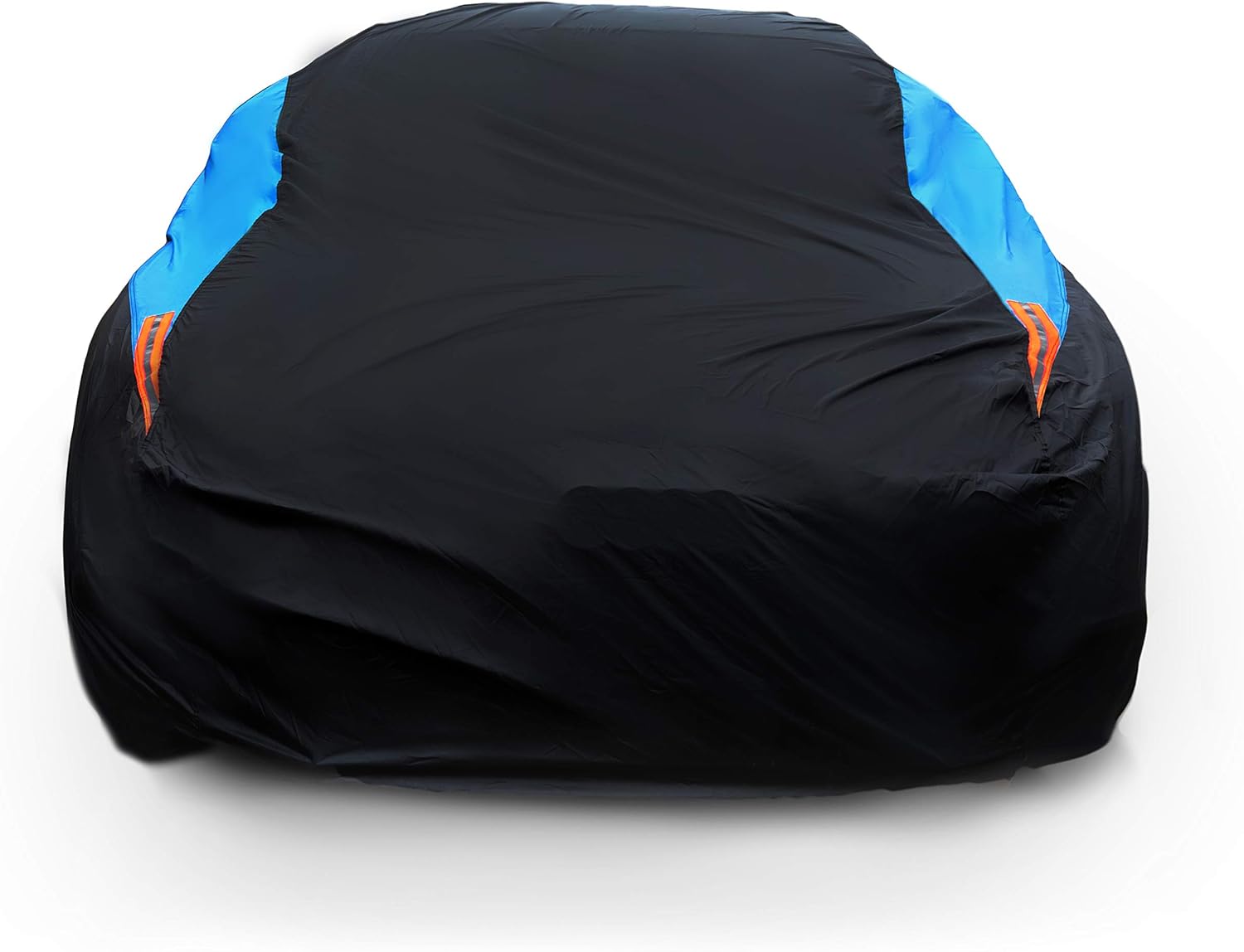
How to Keep Rodents Away From Covered Cars (What Works)
⚡ Quick Answer
To keep rodents away from a covered car, use peppermint oil spray around the engine bay and wheel wells, place snap traps nearby, block entry points with steel wool, and park away from vegetation. Reapply scent repellents every 3 days. A car cover alone won’t stop rodents — active deterrents are required.
Steps to rodent-proof your covered car:
-
1
Spray peppermint oil repellent around the engine bay and tires -
2
Place snap traps along the garage wall within 3 feet of the car -
3
Stuff steel wool into exhaust pipes and open gaps when storing -
4
Move the car at least once a week to break up any nesting
Biggest mistakes that attract rodents to covered cars:
-
✓
Leaving food wrappers or crumbs inside the cabin -
✓
Parking near trash cans, wood piles, or tall grass -
✓
Storing rags or cardboard under or near the cover
You pull back the car cover after a few weeks of storage — and there it is. A nest tucked into the engine bay. Chewed wiring. The sharp smell of something that shouldn’t be there. I’m Daniel Brooks, and after years of covering automotive storage and vehicle care, I’ve seen firsthand how fast a rodent infestation can turn a stored car into a repair bill. Rats and mice don’t care that your car is covered. In fact, that cover might be making things worse. Here’s exactly what to do about it.
📌 Key Takeaways
-
→
Car covers create the exact dark, warm, sheltered environment rodents actively seek for nesting. -
→
Peppermint oil and capsaicin-treated tape are the 2 most widely used and effective natural deterrents for cars. -
→
Vehicles built after 2008 use soy-based wiring insulation that rodents find extremely attractive to chew. -
→
No single method stops rodents 100% — combining 3 or more deterrents gives the best protection.
Why Rodents Target Cars Under Covers (and Why Covers Can Make It Worse)
Rodents target covered cars because a car cover delivers everything they need: warmth, darkness, shelter from predators, and soft nesting materials nearby. The front wheel well is their most common entry point, giving them direct access to the engine block. Once inside, they’ll chew through wiring, insulation, and air filters to build a nest and keep their continuously growing teeth filed down.
According to the National Pest Management Association, rodent activity in parked cars spikes sharply in fall and winter as temperatures drop. Any vehicle left unused is at risk — covered or not. But a covered car parked outdoors near vegetation is at the highest risk of all.
The Warmth and Darkness Problem
A car cover traps residual engine heat under the fabric. For a rat or mouse, that warmth acts like a beacon — especially on cold nights. Rodents are nocturnal, and they actively avoid well-lit areas. A cover makes the space underneath darker and more appealing to them.
The engine compartment itself stays warm for hours after you park. That heat, combined with the darkness a cover provides, creates the perfect nesting environment. Rodents move fast once they find it. A female mouse can build a functional nest in under 24 hours.
Does a Car Cover Actually Attract Rodents?
The cover itself doesn’t attract rodents — but it makes the car far more appealing once they’re already in the area. It removes light, reduces human disturbance signals, and creates a sheltered microclimate. Some car owners in storage forums report fewer infestations after removing covers and leaving hoods open overnight, which eliminates the warmth and darkness combination.
That said, removing the cover entirely has its own downsides. The solution isn’t to stop using your cover — it’s to combine the cover with active deterrents. That’s exactly what the next sections cover.
The Best Ways to Repel Rodents From a Covered Car
The most effective approach uses multiple deterrents together — scent repellents, physical barriers, and environmental changes. No single method is 100% reliable. Rodents are persistent, and determined ones will push past a single obstacle. But stack 3 or more of these methods, and you make your covered car far less appealing than any alternative.
Natural Scent Repellents That Actually Work
Rodents rely heavily on their sense of smell. Certain strong scents disrupt their ability to navigate and communicate, making treated areas feel unsafe. Peppermint oil is the most widely used natural deterrent for vehicles — its menthol compounds irritate a rodent’s nasal passages without harming them or damaging your car.
📋 Scent Repellents Ranked by Effectiveness for Covered Cars
-
Peppermint oil spray: Spray inside the engine bay, on tires, and around the wheel wells. Reapply every 3 days, or after rain. -
Capsaicin-infused tape: Honda’s rodent-deterrent tape wraps wiring harnesses with capsaicin (hot pepper compound). It stops chewing at the source. -
Dryer sheets: Place them inside the trunk, cabin, and under the hood. Their strong fragrance deters rodents for 2-4 weeks before fading. -
Mothballs: Place under the hood only (never inside the cabin). They dissolve over a season and deter rodents during long-term storage. -
Irish Spring soap: Shave bars around the perimeter of the car. The strong scent creates a chemical barrier rodents avoid.
Recommended Product
Mighty Mint Peppermint Oil Rodent Repellent Spray for Vehicles – Natural Mouse & Rat Control for Car Engines, RVs, Trucks & Boats – Plant-Based, Extra-Strong Formula – 16 oz
★★★★☆ Highly rated on Amazon
A vehicle-specific peppermint spray designed for engine bays, trunks, and wheel wells — exactly the spots rodents target on a covered car, safe around pets and won’t stain your cover or engine components.
As an Amazon Associate, we earn from qualifying purchases.
Physical Barriers and Entry Point Blocking
Scent deterrents discourage rodents. Physical barriers stop them. Used together, they’re the strongest defense available for a covered car parked outdoors or in a garage.
🔢 Step-by-Step: Block Rodent Entry on a Covered Car
-
1
Stuff steel wool into exhaust pipes
Rodents can’t chew through steel wool. Remove it before starting the engine — tape a reminder to the steering wheel.
-
2
Close all windows, sunroof gaps, and vents completely
A gap as small as ¼ inch — about the width of a pencil — is enough for a mouse to squeeze through.
-
3
Install an LED under-hood light
Rodents are nocturnal and avoid bright light. A small LED inside the engine bay runs on minimal power and deters nesting.
-
✓
Park away from vegetation and clutter
Tall grass, wood piles, and trash cans within 10 feet of your covered car are the #1 reason rodents arrive in the first place.
But here’s the thing. Even with physical barriers in place, a car that sits for weeks at a time gives rodents time to find workarounds. That’s why movement matters — and it ties directly into the next step.
How to Protect Your Car’s Wiring From Rodent Damage
Wiring is the biggest target rodents go after in a covered car. Vehicles built in 2008 and later often use soy-based bio-plastic insulation on wiring harnesses — and rodents find this coating extremely attractive to chew. Repairing chewed wiring can cost between $200 and $5,000 depending on which systems are affected. Protecting the wiring before damage happens is far cheaper than any repair bill.
✓ Wiring Protection Checklist for Covered Cars
-
✓
Wrap exposed wiring harnesses with capsaicin-treated electrical tape (Honda part No. 4019-2317 or equivalent) -
✓
Cover vulnerable wiring runs near the engine bay with wire mesh or spiral wrap conduit -
✓
Apply peppermint oil spray directly to the engine bay area before fitting the cover -
✓
Inspect the air filter and all wiring visible under the hood every 2 weeks during storage
💡 Key Insight
Soy-based wiring insulation is present in most cars built after 2008. If your car is newer, wiring protection isn’t optional — it’s the single most important step you can take before putting the cover on.
So what if the wiring is already protected and sealed? The next line of defense is controlling the rodent population before they ever reach your car. That means traps — placed correctly.
How to Set Up Traps Near a Covered Parked Car
Snap traps are the most reliable rodent control method for a covered car’s parking area. They’re effective, cheap, and easy to check. Placed correctly, they intercept rodents before they reach your vehicle. The key word is “correctly” — trap placement along walls is far more effective than placing them in the open. Rodents travel along edges and walls, not across open floors.
Use Victor snap traps with a small amount of peanut butter on the trigger. Place them flush against the wall with the trigger end facing the wall — this is the direction rodents travel. Set traps within 3 feet of the car on each side. Check them every 2-3 days and re-bait when the peanut butter is gone.
⚠️ Warning
If you use poison baits (like D-Con), place them only in areas completely inaccessible to pets, children, and wildlife. D-Con is toxic to cats and dogs. Snap traps are the safer choice around family vehicles and garages.
Move the car at least once a week even during storage. A vehicle that stays in one spot for more than 7 days becomes a comfortable, undisturbed nesting site. Simply starting the engine and moving a few feet breaks up any nest-building activity rodents have started. Honk the horn before entering — the vibration and sound disrupt any rodents sheltering inside.
Does Your Car Cover Help or Hurt? How to Choose the Right One
The cover material itself doesn’t attract or repel rodents. But the fit, breathability, and thickness of a cover do affect how inviting the space underneath becomes. A loose cover that traps more heat and creates more dark cavities is worse than a snug, breathable cover that fits closely to the car’s body. Here’s how different cover types compare for rodent risk:
This table compares the most common car cover materials against the factors that matter most for rodent prevention.
A snug, breathable cover reduces heat trapping underneath and leaves fewer dark gaps for rodents to exploit — especially important for outdoor or long-term storage.
✅ Tip
Choose a car-specific fit (not a universal size) for outdoor storage. The snugger the cover, the fewer dark pockets form underneath — and the less attractive your car becomes as a nesting spot.
What Most People Get Wrong About Keeping Rodents Away From Cars
Most car owners rely on a single method and assume it’s enough. It rarely is. Here are the 3 most common mistakes — and the truth behind each one.
Mistake 1: Ultrasonic repellents will keep rodents out. Ultrasonic devices emit high-frequency sounds meant to disturb rodents. They’re popular, but pest control researchers consistently find them unreliable. Rodents adapt to repetitive sounds quickly, and studies show that mice placed next to active ultrasonic devices will eventually ignore them entirely. Save your money and use scent-based deterrents instead.
Mistake 2: Rodents are only attracted to food. Many car owners clean out food wrappers and assume they’re protected. They’re not. According to the CDC, rodents are driven primarily by the need for shelter and warmth — not just food. Your car’s engine heat and the darkness created by a cover are powerful attractants even with a spotless interior.
Mistake 3: Soy-based wiring is just a myth. Some car owners dismiss this as an internet rumor. It’s not. Most manufacturers switched from petroleum-based to soy-based wire insulation after 2008. Pest control company Terminix confirmed that rodents’ constant need to gnaw — not the soy itself — drives the chewing. But soy insulation gives their teeth a familiar, organic texture that makes your wiring especially attractive compared to other materials nearby.
Warning Signs That Rodents Have Already Found Your Covered Car
Rodents move in fast and quietly. By the time you notice obvious damage, they’ve often been nesting for days. Catching the signs early saves you from expensive repairs. Inspect under the cover every 2 weeks during any storage period longer than 10 days.
📋 Early Warning Signs of Rodent Activity on a Covered Car
-
Droppings near tires or wheel wells: Small dark pellets (about ¼ inch) near the car’s underside are the clearest sign of active rodent traffic. -
Unusual smell under the hood: A musky, ammonia-like odor from the engine bay means rodents have been urinating there — a sign of regular use as a shelter. -
Shredded material in the engine bay: Chewed insulation, leaves, or fabric tucked near the engine block means a nest is being built right now. -
Dashboard warning lights after storage: Unexplained electrical faults, especially ABS, engine, or power steering lights, can mean chewed wiring harnesses. -
Gnaw marks on rubber or plastic near the engine: Distinct incisor marks on hoses, air filter housing, or plastic covers mean rodents are actively chewing.
If you find any of these signs, don’t vacuum the droppings — this spreads particles that can carry rodent-borne diseases including Hantavirus into the air. Spray the area with a disinfectant, let it soak for 5 minutes, then wipe with paper towels wearing rubber gloves. The CDC recommends this method for safe vehicle cleanup.
Conclusion
Keeping rodents away from a covered car takes more than one method — it takes a layered approach that combines scent repellents, physical barriers, smart trap placement, and regular movement. No single product stops every rodent. But combining peppermint oil spray, capsaicin tape on wiring, snap traps along the garage walls, and weekly vehicle movement gives you strong, reliable protection.
The one thing to do right now: lift your car cover, spray peppermint oil into the engine bay and around the wheel wells, then reset the cover. It takes under 3 minutes and is the single most effective thing you can do today.
Frequently Asked Questions
What happens if rodents nest inside a covered car?
Rodents nesting inside a covered car will chew wiring, tear up insulation, and clog air filters with nest material. This can cause electrical failures, overheating, and serious safety hazards. Repair costs range from $200 for simple wiring fixes to over $5,000 for complex harness replacements. Early detection prevents most damage.
Does peppermint oil actually keep rodents away from cars?
Yes, peppermint oil is one of the most widely used and supported natural deterrents for vehicle protection. Its menthol compounds irritate a rodent’s nasal passages and disrupt their scent navigation. It’s not 100% effective alone, but combined with traps and physical barriers it significantly reduces rodent activity around covered cars.
How do I keep mice out of my parked car long-term?
For long-term parking, combine peppermint oil spray (reapplied every 3 days), snap traps placed along garage walls, capsaicin tape on wiring harnesses, and steel wool in exhaust pipes. Move the car at least once a week. Seal any garage gaps over ¼ inch with steel wool and caulk to reduce rodent entry at the building level.
Can car insurance cover rodent damage to wiring?
Comprehensive auto insurance typically covers rodent damage to wiring and other vehicle components since it’s considered a non-collision event. Standard liability or collision-only policies do not. Always check your specific policy terms — some have exclusions for pest damage. File claims only if damage costs exceed your deductible.
Why do rodents chew on car wiring specifically?
Rodents chew on car wiring because their incisors grow continuously — gnawing keeps the teeth at the correct length. Wiring harnesses in post-2008 vehicles use soy-based insulation that rodents find especially appealing due to its organic texture. The confined engine bay also gives them a safe, dark space to chew undisturbed.
Are dryer sheets effective at keeping rodents away from cars?
Dryer sheets can deter rodents in the short term due to their strong fragrance, but the effect fades in 2-4 weeks as the scent diminishes. They’re best used inside the trunk and cabin during storage periods. Dryer sheets are not effective enough as a standalone method — pair them with peppermint oil and snap traps for stronger protection.
What is the best way to rodent-proof a garage where a covered car is stored?
Seal every gap over ¼ inch around garage doors, windows, and pipes with steel wool and caulk. Remove all food sources, cardboard, rags, and patio cushion materials from the garage. Place snap traps along all 4 walls. Keep trash cans with lids outside the garage. A clean, sealed garage with active traps dramatically reduces the chance of rodents ever reaching your covered car.

Daniel Brooks is an automotive writer and product researcher focused on car accessories, car tech, maintenance, and practical driving guides. At Plug-in Car World, he helps drivers make smarter automotive decisions through honest reviews and research-driven content.