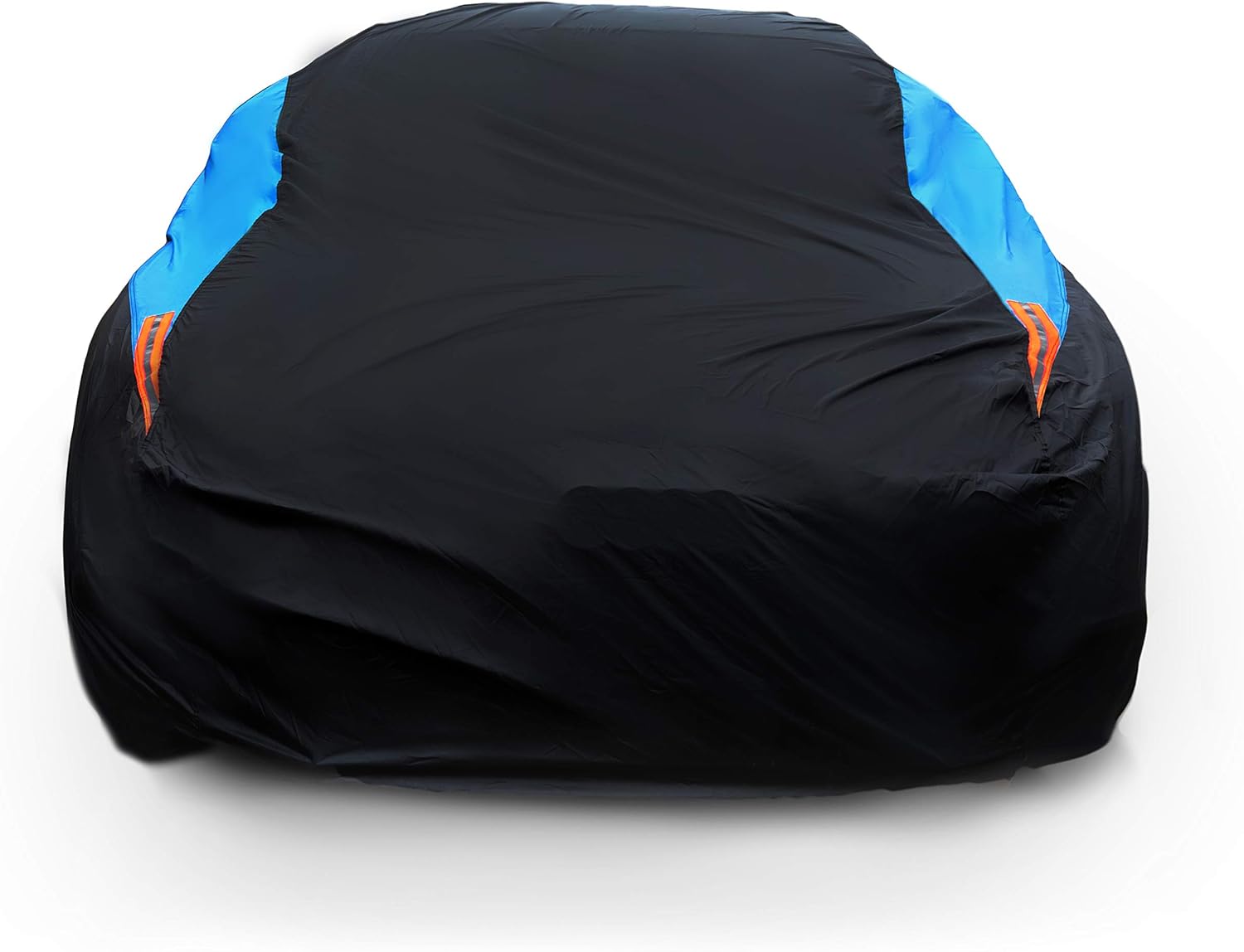
15 Essential Car Cover Maintenance Tips to Protect Your Paint for Years
Quick Answer
A car cover stays effective for years if you wash it every few months with a mild, bleach-free detergent, air dry it fully, and fold it clean and dry before storage. Skip fabric softener, hot water, and home dryers.
Car Cover Rules To Live By
- ✓Wash with cold water and a bleach-free detergent
- ✓Never use fabric softener — it kills water resistance
- ✓Always fold and store the cover fully dry
Your car cover works hard. It fights off rain, bird droppings, pollen, and UV rays every single day. But here’s the thing — a dirty, poorly cared-for cover can end up scratching your paint instead of protecting it.
Daniel Brooks here. I’ve fielded this exact question from readers whose covers turned musty, stiff, or moldy within a season. The good news? A few simple habits fix all of that.
Let’s walk through the 15 maintenance moves that keep your cover — and your car’s finish — in top shape.
📌 Key Takeaways
- →Bleach-free detergent is the only safe cleaner for most car cover fabrics.
- →Center-agitator washers can tear or twist most cover fabrics.
- →Bird droppings are acidic and can etch clear coat if left too long.
- →A fully dry cover is the single biggest defense against mildew.
How Do You Properly Wash a Car Cover?
Washing removes the dirt that causes fogged paint and windshields. It also stops grit from wicking water straight through the fabric.
You can hand-wash or machine-wash, depending on your cover’s care tag. Either way, the steps below apply.
🔢 Step-by-Step: Washing Your Car Cover
-
1
Shake it out first
Remove the cover and shake off loose dust before washing.
-
2
Use cold or lukewarm water only
Hot water can warp coatings and weaken seams.
-
3
Add a bleach-free, mild detergent
Harsh chemicals strip the water-resistant coating.
-
✓
Rinse twice, then air dry
A double rinse clears all detergent residue completely.
You might be thinking a quick single rinse is fine. Here’s why it isn’t: leftover detergent residue can nullify the fabric’s water resistance over time.
So if you wash your cover regularly, that second rinse cycle is what actually protects your investment long term. Next, let’s cover the mistakes that quietly ruin covers.
What Should You Never Use When Cleaning a Car Cover?
Some everyday cleaning habits ruin car covers fast. Avoiding them is just as important as washing correctly.
📋 Things That Damage Car Cover Fabric
- Fabric softener: Breaks down the water-resistant coating on contact.
- Bleach or ammonia: Weakens fibers and fades color fast.
- Top-loading washers with agitators: Twist and tear most cover materials.
- Stiff brushes: Scratch coatings and create tiny snag points.
That’s not all. Dry cleaning is off the table too — the solvents used are too harsh for most cover fabrics. Stick to the wash routine above, every time.
How Do You Dry and Fold a Car Cover Correctly?
Drying and folding matter as much as washing. Get this step wrong, and mildew shows up within weeks.
✅ Tip
Drape the cover over your car (or a fence) to air dry. This uses gravity and airflow to dry both sides evenly.
Once it’s bone dry, fold it on top of your car — never on the ground. Grit from pavement is abrasive and can scratch your paint on the next use.
Bring the sides in toward the center, then roll from the rear toward the front like a sleeping bag. This keeps wrinkles to a minimum. So what does this mean for you? Fewer creases now means a smoother fit next time you cover the car.
How Should You Store a Car Cover When It’s Not in Use?
Storage is where most covers quietly get ruined. A damp cover sealed in a bag is a mildew factory.
✓ Storage Checklist Before You Bag It
- ✓Confirm the cover is completely dry, not just surface-dry
- ✓Use the original storage bag, not a sealed plastic tub
- ✓Store somewhere cool and dry — a garage shelf beats a damp trunk
Here’s why that matters: trapped moisture inside a sealed bag has nowhere to go. Mold spores thrive in exactly that environment.
What Happens If You Leave a Wet or Frozen Cover on Your Car?
Freezing weather creates a specific risk. A wet cover can freeze directly to your car’s surface overnight.
⚠️ Warning
Never yank a frozen cover off the car. Let it thaw naturally first, or you risk pulling paint or trim with it.
That said, the fix is simple: pour lukewarm (not hot) water along the edges to loosen the ice before removing the cover. Patience here saves your clear coat.
How Do You Remove Bird Droppings and Sap Stains From a Car Cover?
Bird droppings are acidic. Left too long, that acid can seep through the cover and etch your car’s clear coat underneath.
This table shows the right spot-treatment for each stain type without needing a full wash.
Spot-cleaning stains as they appear means you can skip a full wash most weeks.
What Most People Get Wrong About Car Cover Maintenance
Most people assume any detergent is fine. It isn’t — bleach and dye-based formulas actively degrade the coating that makes the cover useful in the first place.
Many also assume a musty smell means the cover is ruined. Usually it just needs a full air-dry on a clothesline overnight, not a replacement.
Preventive care applies to more than engines — it’s a mindset that extends to every part you rely on outdoors, as covered in general automotive preventive maintenance guidance.
For the cleaning products themselves, look for ones that meet recognized safety standards, like those verified under the EPA’s Safer Choice program, to avoid harsh chemicals near your paint.
Conclusion
A car cover only protects your paint if you maintain it well. Wash with mild, bleach-free detergent, dry fully, and store it clean.
Skip fabric softener, hot water, and dryers entirely. One thing to do right now: go check your cover for damp spots or musty smell — if you find either, hang it to air dry today before it goes back on the car.
Frequently Asked Questions
How do you clean a car cover?
Wash it in cold or lukewarm water with a mild, bleach-free detergent, either by hand or in a machine without a center agitator. Rinse twice and air dry fully before folding.
Can you machine wash a car cover?
Yes, if the care tag allows it and you use a front-loading machine without a center agitator. Large covers need a commercial-size washer to avoid overcrowding.
How often should you wash a car cover?
Give it a deep clean at least twice a year, plus spot-cleaning whenever you notice bird droppings, sap, or heavy grime. More frequent outdoor use calls for more frequent washing.
How do you get a musty smell out of a car cover?
Hang the cover on a clothesline overnight to fully air dry. Musty smells almost always come from trapped moisture, not permanent damage, and disappear once it’s completely dry.
Can you dry a car cover in the dryer?
Most non-woven or specialty covers should never go in a dryer, since heat can warp their coating. Some heavy-duty woven fabrics allow low-heat drying — always check your care tag first.
How do you remove bird poop from a car cover?
Soak a cloth in vinegar or a mild cleaning solution and scrub the stained spot. Rinse well and let it air dry before storing or reusing the cover.
What happens if you leave a wet cover on your car?
A wet cover left on your car traps moisture against the paint, encouraging mildew and streaking. In freezing temperatures, it can also bond to the surface as ice forms.

Daniel Brooks is an automotive writer and product researcher focused on car accessories, car tech, maintenance, and practical driving guides. At Plug-in Car World, he helps drivers make smarter automotive decisions through honest reviews and research-driven content.