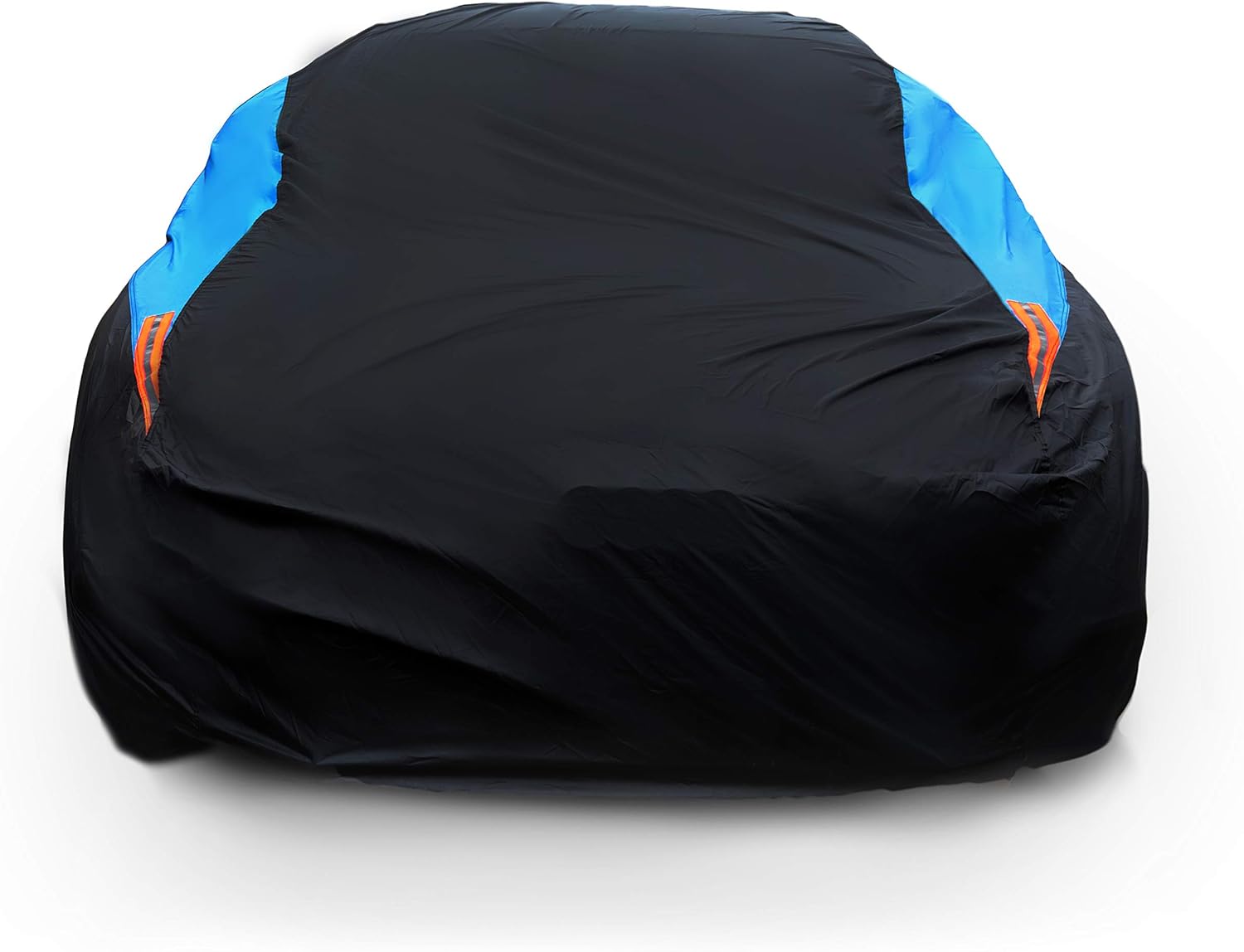
How to Keep Your Car Cover Clean Year-Round
To keep a car cover clean year-round, shake off loose dirt after every use, hand wash or machine wash it with mild soap every 1 to 3 months, air dry it fully in the shade, and re-apply a waterproofing spray once or twice a year. Never store a wet cover — moisture leads to mold and fabric damage.
Your car cover works hard every day. It takes the heat, the rain, the bird droppings, and the dust — so your car doesn’t have to. But here’s the problem: most people treat their cover like a set-and-forget item. I’m Daniel Brooks, and after years of working with car accessories and testing outdoor covers in all kinds of weather, I can tell you that a dirty car cover is one of the easiest ways to damage the very paint you’re trying to protect.
The good news? Keeping it clean isn’t complicated. You just need a simple routine and a few good habits for each season. Let’s break it all down.
- Wash your car cover every 1 to 3 months, or whenever it looks visibly dirty.
- Always use mild, bleach-free soap — harsh cleaners strip protective coatings.
- Never put your cover in a dryer or store it while it’s damp.
- Re-waterproof your cover once or twice a year to maintain its weather resistance.
- A dirty cover drags trapped grit across your paintwork — cleaning it protects your car’s finish, not just the cover.
Why Keeping Your Car Cover Clean Actually Matters
A dirty car cover doesn’t just look bad — it actively harms your car. Dirt, sand, and debris trapped in the fabric act like sandpaper. Every time the cover moves in the wind or shifts during removal, those particles grind against your paint.
According to CarCovers.org’s cover care resource, dirt buildup within a cover’s fabric can cause the windshield and paint to become dirty and “fogged.” Worse, accumulated grime creates a wicking effect — pulling moisture through the fabric and wiping out any water-resistant properties the cover once had.
So cleaning your cover isn’t a cosmetic task. It’s a maintenance task that directly protects your vehicle.
Before you remove the cover each morning, give it a quick shake. This dislodges loose dust and debris before they get rubbed into the fabric — or your paint.
How Often Should You Clean a Car Cover?
Car cover cleaning frequency depends on where you park and what season it is. A cover parked under a tree in summer needs attention far more often than one sitting in a climate-controlled garage.
Here’s a simple rule: wash your cover every 1 to 3 months under normal conditions. Wash it immediately after any of these events:
- Heavy bird dropping buildup
- Tree sap deposits
- Extended exposure to rain, mud, or dust storms
- A winter season with road salt exposure
- Any time it starts to smell musty or look heavily discolored
Don’t wait for it to look terrible. A build-up of invisible grime can be just as damaging as a visible stain. Check out the full guide to how often you should clean a car cover if you want a more detailed breakdown by season and environment.
What Cleaning Products Are Safe for a Car Cover?
The wrong cleaner can ruin a car cover fast. Harsh chemicals strip the protective coatings that make the fabric water-resistant, UV-resistant, or breathable.
Always use a mild, bleach-free detergent. Good options include:
- Simple Green All-Purpose Cleaner (widely recommended for multi-layer covers)
- Specialty fabric cleaners like Nikwax Tech Wash
- Gentle laundry detergents labeled for delicate fabrics
Never use these on a car cover:
- Bleach or bleach-based cleaners
- Fabric softener (destroys water resistance)
- Harsh household degreasers
- Hot water above lukewarm temperature
Fabric softener is one of the most common mistakes cover owners make. It feels harmless, but it coats the fibers and permanently kills the water-repellent finish. Once that’s gone, you’ll need to re-waterproof the entire cover.
How to Hand Wash a Car Cover (Step-by-Step)
Hand washing is the safest method for most car covers, especially multi-layer or specialty fabrics. It gives you full control and protects any reinforced seams or elastic hems.
- Lay the cover flat over the car or on a clean surface.
- Shake off loose dirt and debris first.
- Wet the cover thoroughly with a garden hose using moderate pressure.
- Mix lukewarm water and a small amount of mild detergent in a bucket.
- Scrub gently with a soft sponge or cloth using circular motions, section by section.
- Pay extra attention to seams, hems, and areas with visible staining.
- Rinse the cover two or three times with clean water until no soap remains.
- Flip the cover inside out and repeat the process on the inner side.
- Hang or lay flat to air dry in a shaded, well-ventilated area.
For detailed steps on the washing process itself, the complete car cover washing guide covers material-specific tips in depth.
Can You Machine Wash a Car Cover?
Some car covers are machine washable — but you need to check the care label first. Never assume. The machine washing process damages many fabrics if done wrong.
If the label says machine wash is safe, use a front-loading commercial washer without a center agitator. Home washers with an agitator can tear seams and damage the fabric through aggressive tumbling. Most laundromats have commercial front-loaders that work perfectly.
Settings to use:
- Cold or lukewarm water only
- Gentle or delicate cycle
- Double rinse to remove all soap residue
- No spin dry on high speed
Never machine dry a car cover unless the label explicitly allows it. High heat shrinks fabric, damages waterproof coatings, and can melt synthetic fibers. Air drying is always the safer choice.
How to Dry a Car Cover Without Damaging It
Drying a car cover the wrong way is just as harmful as washing it the wrong way. The goal is to get the cover completely dry before folding or storing it.
The best method is to hang it in a shaded, breezy spot. Avoid direct sunlight — UV exposure during drying can fade the fabric and weaken protective coatings over time. If you’re drying it on the car, leave the cover loose so air can circulate underneath.
Flip the cover halfway through drying so both sides dry evenly. On humid days, this may take 4 to 6 hours. In dry conditions, it can be done in 2 to 3 hours. The proper car cover drying guide includes tips for speeding up the process safely.
Never fold or store a damp car cover. Moisture trapped inside creates the perfect environment for mold and mildew. Once mold sets into the fabric, it’s very hard to remove — and the smell transfers to your car.
How to Remove Specific Stains from a Car Cover
Some stains need a targeted approach. Here’s what works for the most common ones.
| Stain Type | Best Removal Method | Key Tip |
|---|---|---|
| Bird droppings | Warm water + mild detergent + white vinegar | Soak first, don’t scrub dry |
| Tree sap | Rubbing alcohol or denatured ethanol on a cloth | Dab — don’t rub hard or you’ll spread it |
| Mold or mildew | 1 part white vinegar + 3 parts water, soft brush | Dry in sunlight after — UV helps kill spores |
| Pollen | Cold water rinse, then gentle detergent wash | Avoid hot water — it sets the stain |
| Road salt | Thorough rinse with cold water, then full wash | Don’t let salt dry in the fabric |
| Oil or grease | Apply a small drop of dish soap directly, let sit 5 min, rinse | Test on a hidden area first |
For stains involving tree sap or bird droppings, act fast. The longer they sit, the deeper they bond into the fabric fibers — and the harder they are to remove without damaging the cover.
Seasonal Car Cover Cleaning: What Changes Each Season
Your car cover faces different enemies depending on the time of year. A one-size-fits-all cleaning schedule isn’t enough. Here’s what to focus on in each season.
Spring: Pollen and Rain Are the Main Threats
Spring brings heavy pollen loads and frequent rain. Pollen is slightly acidic and can bond to fabric fibers quickly. Rinse your cover with cold water more often during spring — weekly rinsing costs you five minutes but prevents deep staining.
After spring ends, do a full wash. This removes the season’s worth of pollen and prepares the cover for summer UV exposure.
Summer: UV Damage and Heat Are Your Concerns
Summer sun is hard on fabric coatings. Heat doesn’t just fade colors — it weakens waterproof and UV-protective layers. Always dry your cover in the shade, never in direct summer sun.
If you park under trees in summer, expect sap and bird droppings regularly. Spot clean these as soon as you see them. Leaving sap to bake in summer heat makes it extremely difficult to remove later.
Fall: Leaves and Moisture Create Mold Risk
Fallen leaves trap moisture against the cover’s surface. That trapped moisture — combined with the organic matter from decomposing leaves — is exactly what mold needs to grow. Remove leaves immediately and don’t let them sit on the cover overnight.
Give the cover a thorough wash before winter sets in. A clean cover going into cold months is far less likely to develop mold than one carrying the remnants of a wet fall season.
Winter: Road Salt Is the Biggest Threat
If you drive in areas where roads are salted, your cover accumulates salt spray even while parked nearby. Salt is corrosive. It weakens fabric fibers over time and can contribute to rust on any metal grommets or reinforcements.
Rinse the cover thoroughly after any exposure to heavy road salt. In winter, this may mean a rinse every couple of weeks if conditions are harsh.
In winter, bring the cover inside to dry after a wash rather than leaving it outside in freezing temperatures. A wet cover left in the cold can freeze solid, and repeated freeze-thaw cycles crack and weaken fabric fibers.
How to Re-Waterproof a Car Cover After Washing
Washing strips some of the water-repellent finish from your cover over time. This is normal. The fix is simple: re-apply a fabric waterproofing spray.
Signs that your cover needs re-waterproofing:
- Water no longer beads on the surface — it soaks in instead
- The cover feels heavier than usual after rain
- Water stains appear more often on the inner surface
How to do it:
- Wash the cover first and let it dry completely.
- Lay it flat or put it on the car.
- Spray an even coat of fabric waterproofing treatment (like Nikwax TX.Direct or a similar product) across the entire outer surface.
- Let it cure for the time listed on the product label — usually 1 to 2 hours.
- Test with a few drops of water. It should bead and roll off immediately.
Re-waterproof once or twice a year. Before winter and before summer are the two best times to do it.
Re-waterproofing means spraying a chemical treatment onto clean, dry fabric that re-creates the water-beading barrier that washing removes over time.
How to Store a Car Cover So It Stays Clean Between Uses
Storage matters as much as washing. A poorly stored cover accumulates dust, develops creases that crack protective coatings, and can grow mold if it wasn’t fully dry before folding.
The right way to store a car cover:
- Always make sure it’s completely dry before folding — no exceptions.
- Fold it loosely rather than crumpling it; tight folding creates crease lines that weaken the fabric over time.
- Store in the breathable storage bag that came with the cover, or a cotton pillowcase.
- Keep it in a cool, dry place — not in a damp garage corner or a hot car trunk.
- Avoid plastic bags for long-term storage; they trap moisture and encourage mold.
The guide to storing a car cover correctly goes deeper into long-term storage for seasonal use, which is especially important if you rotate covers between seasons.
Car Cover Maintenance Mistakes That Shorten Its Lifespan
Most covers fail early not because of cheap materials — but because of avoidable maintenance errors. Here are the ones I see most often.
Putting the Cover on a Dirty Car
Placing a cover on a car that hasn’t been washed first traps dirt between the cover and the paint. That dirt then scratches the paint during every cover placement and removal. Always put a cover on a clean, dry car.
Washing Too Aggressively
Scrubbing with stiff brushes, using hot water, or running through a home washer with an agitator tears fabric fibers and destroys coatings. Gentle is always better with car cover fabrics.
Storing It While Damp
This is the single most common mistake. Mold can start forming within 24 to 48 hours in the right conditions. Always air dry until every layer is completely dry — even if that takes most of a day.
Skipping the Waterproofing Step
After a few washes, a cover that was once highly water-resistant starts letting moisture through. Owners blame the cover and buy a new one. Usually the fix is a simple re-waterproofing spray. Don’t skip this step.
For a complete rundown of these and other errors, the car cover maintenance tips guide is worth bookmarking.
Car cover cleaning is a three-part routine: wash gently with mild soap every 1 to 3 months, always air dry fully in the shade, and re-apply waterproofing spray once or twice a year. Adjust your frequency based on the season — spring pollen and winter road salt need more frequent attention. Avoid bleach, hot water, fabric softener, and machine dryers. Store the cover in a breathable bag only when it’s completely dry.
When Should You Replace a Car Cover Instead of Cleaning It?
Even the best-maintained car cover eventually wears out. Cleaning can extend its life significantly, but there are signs that no amount of washing will fix.
Replace your car cover when you notice:
- Tears, holes, or seams that are pulling apart
- Fabric so thin you can see light through sections
- Water soaking through even after re-waterproofing
- Persistent mold smell that survives multiple washes
- Elastic that has completely lost its stretch
Most quality car covers last 3 to 5 years with proper care. If yours is showing multiple signs of wear, it’s time for a new one. The article on signs your car cover needs replacement covers each warning sign in more detail.
Here’s an insight most guides skip: a cover that’s been washed too aggressively a handful of times is often in worse shape than one that’s been gently hand-washed a dozen times. Washing method matters more than washing frequency. Gentle and consistent wins over forceful and infrequent every time.
The Best Car Cover Cleaning Products to Have on Hand
You don’t need an expensive kit to maintain a car cover properly. A few basic items cover everything.
- Mild liquid detergent — Simple Green or a gentle laundry soap labeled for delicates
- Soft sponge or microfiber cloth — for hand scrubbing without damaging fabric
- Garden hose with adjustable nozzle — moderate pressure only
- Fabric waterproofing spray — Nikwax TX.Direct or equivalent
- White vinegar — for mold and bird dropping removal
- Rubbing alcohol — for tree sap removal
A quality fabric waterproofing spray is the one item most car cover owners don’t have — and it’s the most important one to add to your routine.
You’ll also want a good soft brush for spot-cleaning stubborn stains without tearing the fabric. Look for one labeled for delicate fabrics or outdoor gear.
If your cover’s water resistance has faded after washing, a dedicated car cover cleaning kit with a waterproofing treatment bundled in can save you the hassle of sourcing products separately. These kits are designed specifically for outdoor automotive fabrics and make the whole process faster.
Your Next Step
The single most important thing you can do today is check whether your cover needs a wash. Pull it off, shake it out, and look at the inner surface. If you see grime, staining, or any musty smell, it’s time for a clean. A regular routine — wash every 1 to 3 months, air dry fully, re-waterproof twice a year — is all it takes to keep your cover working at its best year-round. I’m Daniel Brooks, and taking care of your car cover is one of the lowest-effort, highest-impact things you can do to protect your vehicle’s finish long-term.
Frequently Asked Questions
Can I use dish soap to clean my car cover?
Dish soap is too harsh for most car cover fabrics. It can strip the water-resistant coating and weaken the fabric fibers over time. Use a mild, bleach-free detergent designed for delicate fabrics or outdoor gear instead.
How do I get bird droppings off a car cover without damaging it?
Soak the affected area with warm water first to soften the dropping, then apply a mixture of mild detergent and white vinegar. Gently scrub with a soft cloth and rinse thoroughly. Never scrub dry droppings — you’ll grind them into the fabric.
How long does it take a car cover to dry after washing?
Air drying typically takes 2 to 6 hours depending on the fabric weight, humidity, and air circulation. Thicker multi-layer covers take longer. Always check that the interior side is fully dry before folding — it dries slower than the outside.
Does washing a car cover remove its waterproofing?
Yes, washing gradually reduces water-repellent performance over time, especially if you use hot water or harsh detergents. Re-apply a fabric waterproofing spray after every few washes to restore the protective coating.
Can I put my car cover in the dryer?
Most car covers should not go in a dryer. High heat shrinks fabric, damages waterproof coatings, and can melt synthetic fibers. A few covers — like some WeatherShield HP fabrics — can tolerate low heat drying, but always check the care label before attempting it.

Daniel Brooks is an automotive writer and product researcher focused on car accessories, car tech, maintenance, and practical driving guides. At Plug-in Car World, he helps drivers make smarter automotive decisions through honest reviews and research-driven content.