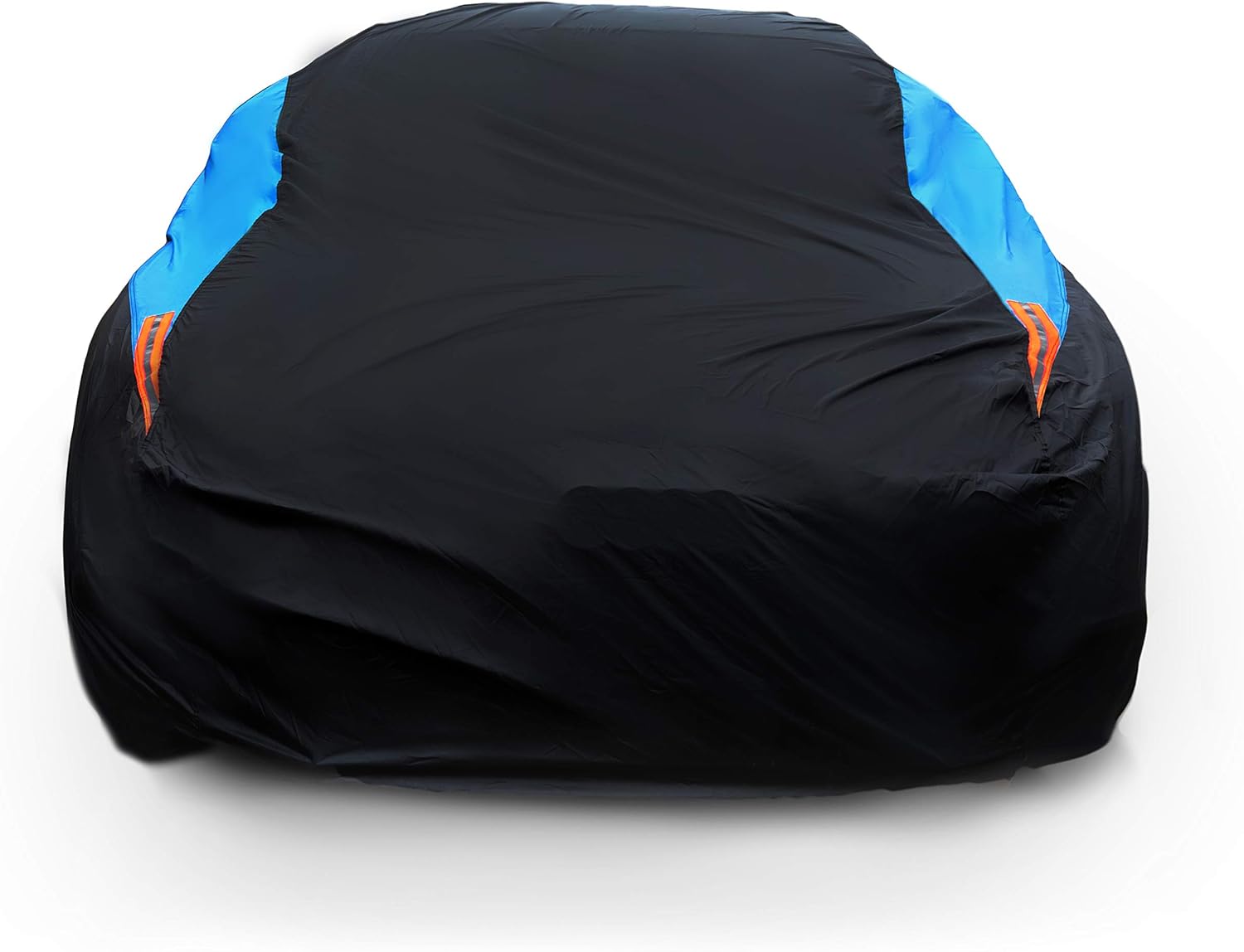
How Often Should You Clean a Car Cover? Full Guide
⚡ Quick Answer
Clean an outdoor car cover every one to three months. Clean an indoor or rarely-used cover every three to six months. Wash sooner any time it looks dirty, smells musty, or feels stiff.
How often, by situation
- Parked outside daily: wash every 4 to 8 weeks.
- Garage or carport storage: wash every 3 to 4 months.
- Long-term indoor storage: wash every 4 to 6 months, or before you put it away.
Wash it right now if you notice
-
✓
A musty or sour smell -
✓
Dark spots or stiff, crusty patches -
✓
Water no longer beads on the surface
Michael here. I once pulled my car cover off after a rainy spring and found a faint ring of mold blooming right over the hood. Nothing about the cover looked filthy from a distance, but underneath, dust and damp had been sitting against the paint for weeks.
That’s the trap with car covers. They quietly collect pollen, grit, and moisture even when they still look fine from across the driveway. A dirty cover stops doing its job and starts acting like sandpaper instead, so getting the timing right matters more than most owners realize.
Below, you’ll find exactly how often to clean a car cover for your situation, the warning signs that mean “wash it now,” and the safe way to do it without damaging the fabric or your paint.
📌 Key Takeaways
-
→
Outdoor covers need a wash every 1 to 3 months because of constant sun, rain, and dust exposure. -
→
Trapped grit turns a cover into an abrasive surface that can scratch your paint. -
→
Mold needs moisture, and a damp, dirty cover gives it exactly that for weeks at a time. -
→
Hand washing is the safest method for most covers, even ones labeled machine-washable.
How Often Should You Clean a Car Cover, Exactly?
Most car cover makers and detailing guides land in the same range: wash an outdoor cover every one to three months, and a cover that stays in a garage or gets used only occasionally every three to six months. Several sources put it even simpler, saying to wash whenever the cover looks dirty or after heavy bird droppings, sap, or pollen.
The honest answer depends on exposure, not the calendar. A cover that sits through rain, wind, and tree sap every day works harder than one that comes out twice a month for a trip to the garage.
Use this table to match your storage situation to a realistic cleaning schedule.
If your situation falls between two rows, lean toward the shorter cycle. A cover that’s a little overcleaned is much cheaper than a scratched hood.
What Happens If You Skip Cleaning Your Car Cover?
A dirty cover does two things at once: it stops protecting your car, and it starts damaging it. Dust, pollen, and grit build up in the fabric until the cover feels rough rather than soft against your paint.
You already know covers are supposed to shield your paint from scratches. Here’s the part most owners miss: once enough debris is trapped in the weave, every gust of wind or shift of the fabric drags that grit across the clear coat like fine sandpaper.
The buildup also clogs the tiny pores that let breathable fabrics release moisture. Once airflow is blocked, water gets trapped between the cover and your paint instead of evaporating away.
That trapped moisture is exactly the setup mold needs. According to the U.S. Environmental Protection Agency, mold simply requires an organic surface and sustained dampness to start growing, and indoor humidity above 60% is enough to trigger it according to EPA guidance on mold and moisture. A cover pressed against a damp car for days easily creates those conditions in miniature.
⚠️ Warning
Letting a cover sit dirty through a rainy week is often enough to trigger mold and mildew, especially in humid climates or unventilated garages.
So if your car lives outside through pollen season or a few rainy weeks, that’s your cue to wash the cover, not just wait for the next scheduled clean.
Signs Your Car Cover Needs Washing Right Now
Some signs are obvious, but a few are easy to miss until they’ve already caused damage. Check for these before you decide your cover can wait another month.
📋 Warning Signs Worth Checking
-
Musty smell: An earthy or sour odor almost always means mold or mildew has already started. -
Dark or fuzzy spots: Visible discoloration usually means active mold growth, not just dirt. -
Stiff or crusty patches: Dried sap, bird droppings, or hardened dust mean the fabric is no longer smooth against your paint. -
Water stops beading: If rain soaks straight in instead of rolling off, dirt has likely broken down the cover’s water-repellent finish.
How to Clean a Car Cover Without Damaging It
Once you know it’s time, the method matters as much as the timing. Wash it the wrong way and you can shrink the fabric, ruin the waterproof coating, or scratch your paint in the process.
🔢 Step-by-Step: Hand-Washing a Car Cover
-
1
Check the care label first
Material and washing rules vary, so the label tells you what’s actually safe.
-
2
Remove the cover and shake it out
Get rid of loose dirt, leaves, and grit before adding any water.
-
3
Lay it flat and rinse with cold water
Use a hose with light pressure on a clean driveway or patio, never a pressure washer.
-
4
Scrub gently with a mild cleaner
Use a soft sponge or brush and a non-abrasive, pH-neutral cleaner in sections.
-
5
Rinse twice and flip the cover over
Leftover soap attracts dirt, so rinse until no suds remain, then repeat on the other side.
-
✓
Air dry completely before storing
Hang it over a railing or clothesline. Storing it damp is how mold problems start.
You might be wondering whether it’s faster to just hose the cover down while it’s still on the car. Skip that shortcut: scrubbing on the vehicle can grind trapped grit straight into your paint, and the safer move is to clean the cover flat, away from the car entirely.
What Cleaning Products Are Safe to Use?
Stick to mild, pH-neutral cleaners and skip anything with bleach, ammonia, or fabric softener, since those ingredients break down water-repellent coatings over time.
Here’s a quick comparison of what to reach for and what to leave on the shelf.
| Product Type | Safe to Use? | Why |
|---|---|---|
| Mild, pH-neutral all-purpose cleaner | ✓ Yes | Lifts dirt without stripping coatings |
| Dedicated car-cover cleaner | ✓ Yes | Formulated specifically for cover fabrics |
| Bleach or ammonia-based cleaners | ✗ No | Weakens fabric and breaks down coatings |
| Fabric softener | ✗ No | Coats fibers and ruins water resistance |
✅ Tip
Look for a cleaner certified under the EPA’s Safer Choice program. It’s an easy way to confirm a product is both effective and gentle enough for fabric.
What Most People Get Wrong About Cleaning a Car Cover
A few habits sound reasonable but quietly shorten the life of your cover and put your paint at risk.
“I only need to clean it once it looks dirty.” Pollen, fine dust, and salt residue build up long before they’re visible, and they’re still abrasive even when the cover looks clean from a distance.
“Hosing it off while it’s on the car is good enough.” Rinsing or scrubbing a cover in place can press trapped grit directly into your paint. Removing it for a proper wash is safer every time.
“Any laundry detergent will do.” Standard detergents, especially ones with brighteners or softeners, can strip the coatings that make a cover water-resistant in the first place.
The Bottom Line
Clean an outdoor car cover every one to three months, and a garage-stored cover every three to six. Watch for musty smells, dark spots, or water that no longer beads, since those mean the schedule needs to move up.
A clean cover keeps doing the one job you bought it for: protecting the paint underneath. A dirty one quietly works against you instead.
One thing to do right now: walk out and check your cover for that musty smell or any stiff patches. If you find either, it’s wash day.
Frequently Asked Questions
Can I wash my car cover in a washing machine?
Only if the care label says it’s machine-washable. Use a front-loading machine with no center agitator, cold or warm water, and a gentle cycle. Many thicker outdoor covers are hand-wash only.
How do I remove mold from a car cover?
Scrub the affected area with a mild detergent and water, then rinse thoroughly and air dry in direct sunlight if possible. If the smell or staining persists after one wash, the cover may need replacing.
Can I machine dry a car cover?
No, not unless the label specifically allows it. Heat from a dryer can shrink the fabric or damage the waterproof coating. Air drying on a line or railing is the safer choice for almost every cover.
Should I wash a car cover on or off the car?
Off the car is safer. Washing it in place can grind trapped dirt into your paint as you scrub or remove it. Lay it flat on a clean surface or hang it instead.
What’s the best soap for cleaning a car cover?
A mild, pH-neutral all-purpose cleaner or a detergent made specifically for car covers works best. Avoid bleach, ammonia, and fabric softener, since all three weaken fabric and strip water-repellent coatings.
How do I know what material my car cover is made from?
Check the sewn-in care label first, since it usually lists the fabric and washing instructions. If the label is gone, search the brand and model online, or treat it as hand-wash only to be safe.
How long does a car cover usually last?
A well-maintained cover typically lasts several years, often three to five, depending on material and exposure. Regular cleaning and proper drying are the biggest factors in getting that full lifespan.

Daniel Brooks is an automotive writer and product researcher focused on car accessories, car tech, maintenance, and practical driving guides. At Plug-in Car World, he helps drivers make smarter automotive decisions through honest reviews and research-driven content.