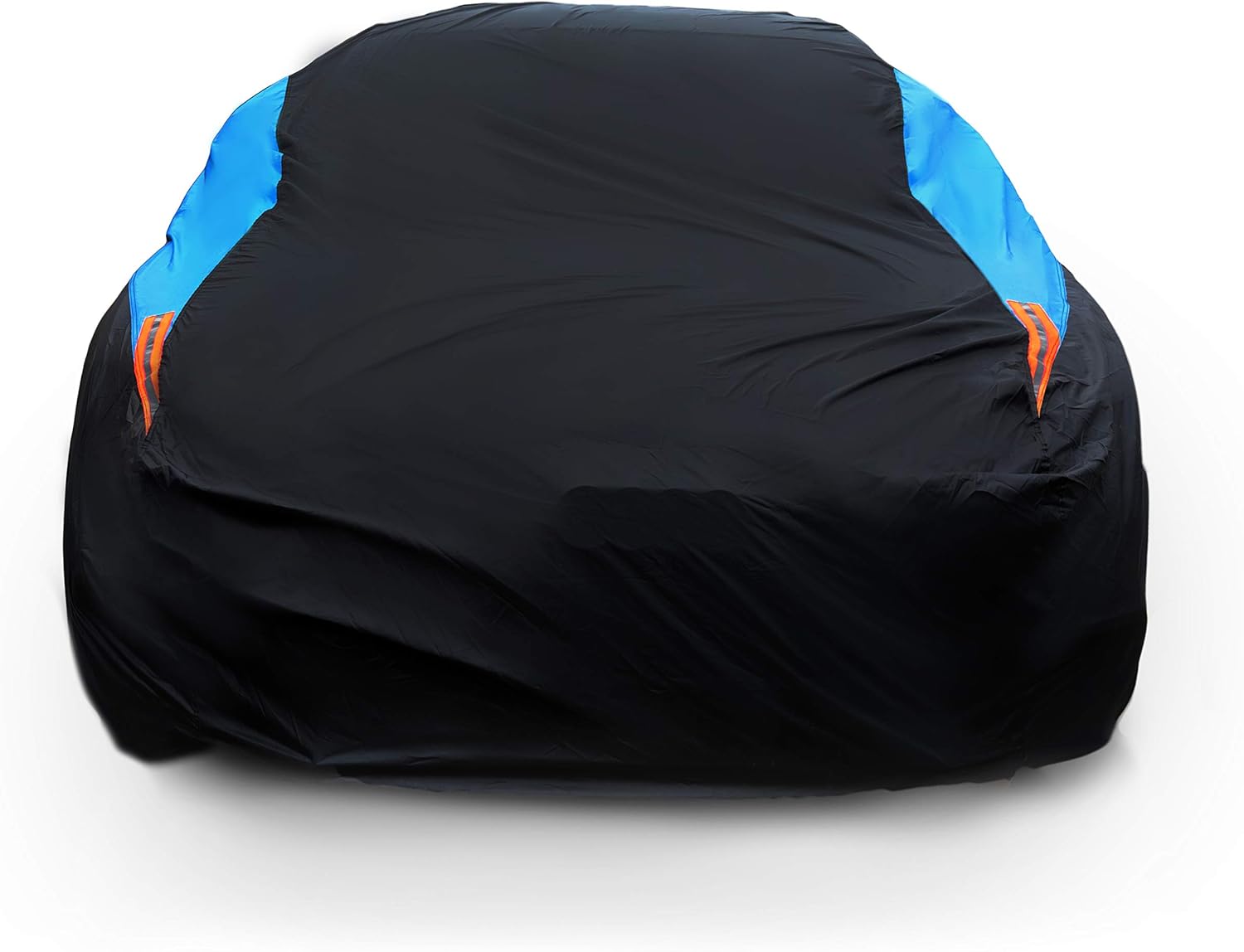
Best Practices for Covering a Ceramic Coated Car
⚡ Quick Answer
Yes, you can cover a ceramic-coated car safely, as long as the car is clean and dry first and the cover is soft, breathable, and the right fit. A dirty car under a cover is the real risk, not the cover itself.
Before You Cover It
-
1
Wash with a pH-neutral or rinseless shampoo -
2
Dry fully with a clean microfiber towel -
3
Pick a soft, breathable, snug-fit cover
Avoid These Mistakes
-
✓
Never cover a dusty or dirty car -
✓
Skip cheap, stiff, non-breathable covers -
✓
Don’t let a loose cover flap in the wind
Your car just got ceramic coated. The paint looks like glass. Now you’re staring at a roll of car cover material wondering if you’re about to undo all that work.
Daniel Brooks has heard this worry from a lot of new ceramic coating owners. The fear makes sense — coatings are an investment, and nobody wants a $20 cover to scratch it.
Here’s the good news. A car cover and a ceramic coating work well together, as long as you follow a few simple rules. Let’s go through exactly what those rules are.
📌 Key Takeaways
-
→
Dirt, not fabric, causes most cover-related scratches on coated paint. -
→
A breathable cover stops moisture from getting trapped under the coating. -
→
A custom or snug fit stops the cover from shifting and rubbing on windy days. -
→
Indoor covers can use a lighter, softer fabric than outdoor ones.
Will a Car Cover Scratch My Ceramic Coating?
A car cover will not scratch a ceramic coating on its own. The coating is hard, but the surface underneath can still pick up fine marks from grit trapped between the cover and the paint.
You already know sandpaper scratches because of the grit on it, not the paper itself. A car cover works the same way. Clean fabric on clean paint glides. Dirty fabric on dirty paint grinds.
Here’s the surprising part: many drivers who worry about covers damaging ceramic coatings are reacting to bad experiences with cheap, poorly fitted covers rather than covers in general. So what does this mean for you? The cover you choose matters more than the decision to use one at all.
How Do You Cover a Ceramic-Coated Car the Right Way?
The right way to cover a ceramic-coated car is to wash and fully dry it first, then use a soft, breathable cover that fits snugly. Skipping either step is what leads to marring.
🔢 Step-by-Step: Covering Your Car Safely
-
1
Wash with a rinseless or pH-neutral shampoo
Remove all dust, pollen, and sap before the cover goes on.
-
2
Dry it completely with a clean microfiber towel
Trapped water under a cover can lead to water spots and swirl marks.
-
3
Check the cover for grit or debris
Shake it out or give it a quick wipe before laying it over the car.
-
✓
Secure the fit, front to back
Cinch any straps or grommets so wind can’t lift and shift the cover.
Which Type of Cover Works Best — Indoor or Outdoor?
An indoor cover should be soft and breathable for dust protection. An outdoor cover needs waterproofing, UV resistance, and a snug fit to handle wind and rain.
Think of it like choosing a jacket. Indoors, you just need something light to keep dust off. Outdoors, you need something built for weather.
A custom or model-specific fit matters most outdoors, where wind can drag a loose cover across the paint.
⚠️ Warning
A loose-fitting outdoor cover can flap in the wind and grind dust into the coating. Always tighten straps or grommets after fitting it.
Should You Even Cover a Ceramic-Coated Car at All?
You should cover a ceramic-coated car if it’s parked outside, stored long-term, or exposed to dust, sap, or bird droppings. If it lives in a clean, closed garage, a cover is optional.
Some detailers skip covers entirely on garaged cars and rely on the coating’s slick surface plus quick waterless washes instead. Others, especially in dusty or coastal climates, swear by a cover for every storage period.
You might be thinking a coating alone should be enough protection. Here’s why that’s only half true: a coating resists chemical and UV damage well, but it can’t stop a layer of grit from settling and later scratching the surface during a wipe-down.
What Most People Get Wrong About Car Covers and Ceramic Coating
📋 Common Misconceptions
-
“Covers always scratch coatings”: The fabric isn’t the issue — trapped dirt under it is. -
“Any cover will do”: A stiff, non-breathable, ill-fitting cover causes far more marring than no cover at all. -
“Coating means you never wash before covering”: Skipping the pre-cover wash is the single biggest cause of swirl marks.
Conclusion
A car cover and a ceramic coating aren’t enemies. The coating protects the paint chemically. The cover protects it physically, as long as it’s clean, soft, breathable, and fits well.
Get the prep right, and the cover only adds protection — it never takes away your coating’s shine.
One thing to do right now: check whether your current cover is breathable and properly fitted. If it isn’t, that’s your next fix.
Frequently Asked Questions
Do car covers damage ceramic coatings?
Not when used correctly. Damage usually comes from dirt trapped under a cover or a cheap, stiff fabric — not from covers in general. A clean car under a soft, well-fitted cover is safe.
What’s the best fabric for a ceramic-coated car cover?
A soft, multi-layer, breathable fabric works best. Breathability stops moisture buildup, and softness reduces the chance of fine surface marring over time.
Should I wash my car before covering it?
Yes, always. Washing and fully drying the car removes the grit that causes most cover-related scratches. Skipping this step is the top mistake owners make.
Can I use a cover outdoors on a ceramic-coated car?
Yes, but choose a waterproof, UV-resistant, snug-fitting outdoor cover. A loose fit lets wind drag the fabric across the paint, which can cause marring over time.
Is it OK to leave a ceramic-coated car uncovered in a garage?
Yes, if the garage is clean and dust-free. Many owners skip covers indoors and just do a quick waterless wash before driving instead.
How often should I clean a car cover?
Clean the cover every few weeks of regular use, or any time you see visible dirt on it. A dirty cover puts grit right back onto the surface it’s meant to protect.
Does a car cover affect the hydrophobic feel of a ceramic coating?
No, a cover doesn’t wear down hydrophobic properties on its own. Those properties fade naturally over months from UV exposure and washing, regardless of cover use.

Daniel Brooks is an automotive writer and product researcher focused on car accessories, car tech, maintenance, and practical driving guides. At Plug-in Car World, he helps drivers make smarter automotive decisions through honest reviews and research-driven content.