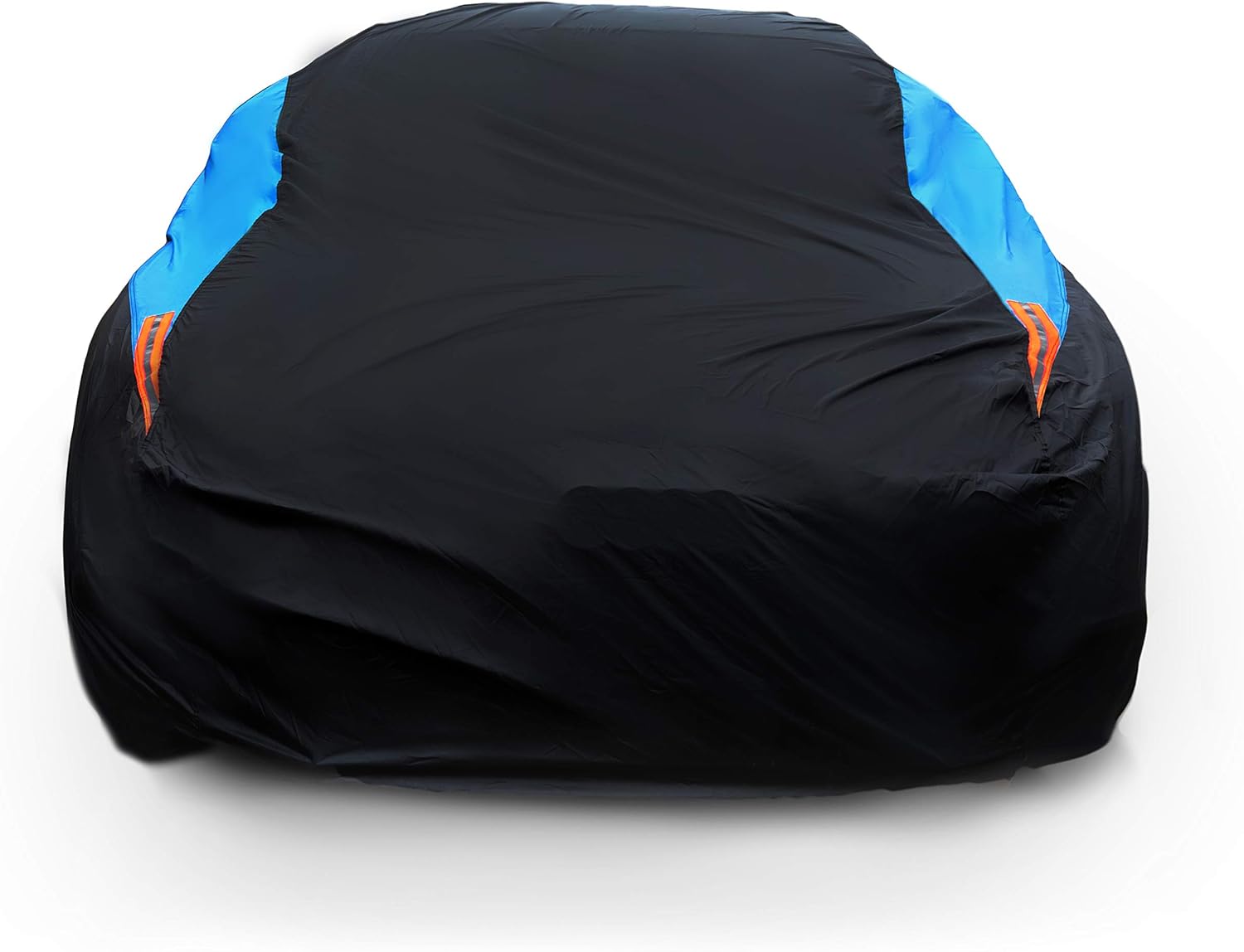
How to Dry a Car Cover Properly (No Mold, No Rust)
⚡ Quick Answer
Air-dry a car cover by hanging it in a shaded, well-ventilated spot, never in a dryer or in direct sun. Most covers need 2-6 hours to dry fully, and both sides must feel bone-dry before you fold or refit it, or trapped moisture will breed mold, mildew, and rust underneath.
How to dry a car cover step by step
-
1
Shake off loose water and debris first. -
2
Hang it flat over a line, fence, or two chairs in shade. -
3
Flip it after a couple hours and check the seams before storing.
Mistakes that ruin a cover fast
-
✓
Never machine dry — heat melts coatings -
✓
Never fold it while even slightly damp -
✓
Never fit a damp cover onto a dry car
You pull the car cover off after a rainy week and get hit with that musty smell. It’s a smell that means moisture won, and by Daniel Brooks’s count, it’s one of the most common (and most avoidable) car cover mistakes he sees. A damp cover folded into a trunk or garage corner is exactly what mold spores are waiting for.
Drying a car cover the right way isn’t complicated, but skipping steps is how a $150 cover turns into a moldy rag in one season. Here’s exactly how to do it, how long it actually takes, and what to do if mildew has already set in.
📌 Key Takeaways
-
→
Air drying only. Heat from a dryer can shrink or melt the fabric’s coating. -
→
Shade beats sun. Direct UV weakens and fades cover fabric over time. -
→
Both sides count. A cover that feels dry outside can still be damp underneath. -
→
24-48 hours is the window before trapped moisture starts growing mold, per the EPA.
Why Drying a Car Cover Properly Actually Matters
A wet cover folded up and put away isn’t just annoying. It’s a sealed, dark, damp pocket, which is exactly the environment mold needs to grow. Mildew spots don’t just smell bad, they eat into the fabric fibers and weaken the coating that keeps water and UV rays out in the first place.
There’s a rust risk too. If you refit a still-damp cover over your car, you trap that moisture right against the paint and metal. So if you’ve ever wondered why a “protective” cover left rust rings on your hood, this is usually why.
⚠️ Warning
Never put a wet cover back on a car, even a dry one. Trapped moisture between cover and paint causes rust and clear-coat damage in a matter of days.
The Right Way to Air-Dry a Car Cover
Air drying is the only safe method for almost every car cover material, including polyester, polypropylene, and cotton-blend covers. Here’s the process that keeps the fabric and coating intact.
🔢 Step-by-Step: Drying Your Cover
-
1
Shake off bulk water
Pull the cover off the car and shake it out to remove pooled water, leaves, and grit before it drips everywhere.
-
2
Hang it flat, not bunched
Drape it over a clothesline, sawhorses, a fence, or two patio chairs so air moves under and over it.
-
3
Pick shade, not sun
A carport, garage with the door open, or shaded patio works. Direct sun dries fast but breaks down UV coatings over time.
-
4
Add airflow if you’re in a hurry
Point a box fan at the cover. It cuts drying time roughly in half compared to still air.
-
✓
Flip and check both sides
Flip it partway through. Feel the seams and elastic hem last — they hold water longest.
How Long Does a Car Cover Take to Dry?
Most covers dry within a few hours outdoors, but the exact time depends on material, weather, and airflow. Here’s a realistic range for common conditions.
If it’s still cool or damp to the touch anywhere, it needs more time. Don’t rush this step.
Can You Put a Car Cover in the Dryer or Leave It in the Sun?
No to both, and this is where most people go wrong. A tumble dryer’s heat can shrink synthetic fabric, melt waterproof coatings, and warp elastic hems. Detailers who work with these fabrics regularly warn that machine drying is one of the fastest ways to ruin a cover, and hand washing or a delicate machine cycle with air drying is the safer route.
Direct sun dries a cover fast, sure. But it also breaks down the UV-resistant coating that protects your car’s paint in the first place, so a cover left in full sun to dry wears out faster than one dried in shade.
✅ Tip
In a rush? Dappled shade under a tree or an open garage with a fan running dries a cover almost as fast as full sun, without the UV damage.
How to Dry a Car Cover That Already Has Mold or Mildew
If it already smells musty or shows dark spots, drying alone won’t fix it. You need to kill the mold first, then dry it completely.
📋 Mildew Removal Before Drying
-
Mix a vinegar solution: Equal parts water and white vinegar, applied to the moldy spot and left for 15-20 minutes. -
Scrub gently: Use a soft brush or sponge, working with the fabric grain rather than against it. -
Rinse thoroughly: Leftover detergent or vinegar residue attracts dirt once the cover is back in use. -
Dry fully in shade: Follow the same air-drying steps above, checking seams closely since mold usually starts there.
Skip bleach. It doesn’t kill mold at the root, and it can strip the fabric’s water-repellent coating and its color.
What Most People Get Wrong About Drying a Car Cover
Most car owners assume a cover that feels dry on the outside is ready to fold. It usually isn’t. Seams, elastic hems, and any padded lining hold moisture long after the main panel feels dry.
Another common belief is that a “waterproof” cover can’t develop mold. In reality, fully waterproof covers trap condensation underneath them just as easily as they keep rain out, which is why breathable, water-resistant fabric usually outperforms plastic-feeling waterproof material for daily outdoor use.
Finally, plenty of people towel-dry a cover and call it done. A towel removes surface water, not the moisture that’s worked into the weave, so it still needs real air-drying time afterward.
Conclusion
Drying a car cover properly comes down to one habit: never store or refit it until both sides are completely dry. Shade, airflow, and patience matter more than speed here. Skip the dryer, skip full sun, and check the seams before you fold it away.
One thing to do right now: if your cover is currently on the car and it rained recently, pull it off, feel the underside, and hang it in the shade for a couple hours before putting it back.
Frequently Asked Questions
How long does it take for a car cover to dry?
Most car covers dry in 2-6 hours outdoors in shade with decent airflow. Humid weather, thick padded covers, or still air can push that to 12-24 hours, so always check the seams before storing it.
Can I put a car cover in the dryer?
No. Dryer heat can shrink synthetic fabric, melt waterproof coatings, and warp elastic hems. Air dry car covers only, ideally hung flat in a shaded, ventilated area.
Is it OK to dry a car cover in the sun?
It dries fast, but direct UV exposure gradually breaks down the coating that protects your car’s paint. Shade with airflow, or a fan, is a better trade-off between speed and cover lifespan.
Why does my car cover smell musty even after drying?
A lingering musty smell usually means mold or mildew set in before it fully dried. Clean the affected area with a water-vinegar solution, rinse well, and re-dry completely before using it again.
Can I put a wet car cover back on my car?
Don’t. A damp cover on a dry car traps moisture against the paint, which can cause rust and clear-coat damage within days. Both the car and cover should be dry before refitting.
How do I remove mold from a car cover?
Apply a mix of water and white vinegar to the moldy area, let it sit 15-20 minutes, then scrub gently and rinse thoroughly. Avoid bleach, which can strip the fabric’s protective coating.
How often should I wash and dry my car cover?
Every one to three months for a cover used regularly, or sooner if it gets soaked in a storm. Regular washing keeps the fabric breathable, which helps it dry faster and resist mildew.
Sources: EPA — A Brief Guide to Mold, Moisture and Your Home, Jalopnik — How to Clean a Car Cover.

Daniel Brooks is an automotive writer and product researcher focused on car accessories, car tech, maintenance, and practical driving guides. At Plug-in Car World, he helps drivers make smarter automotive decisions through honest reviews and research-driven content.