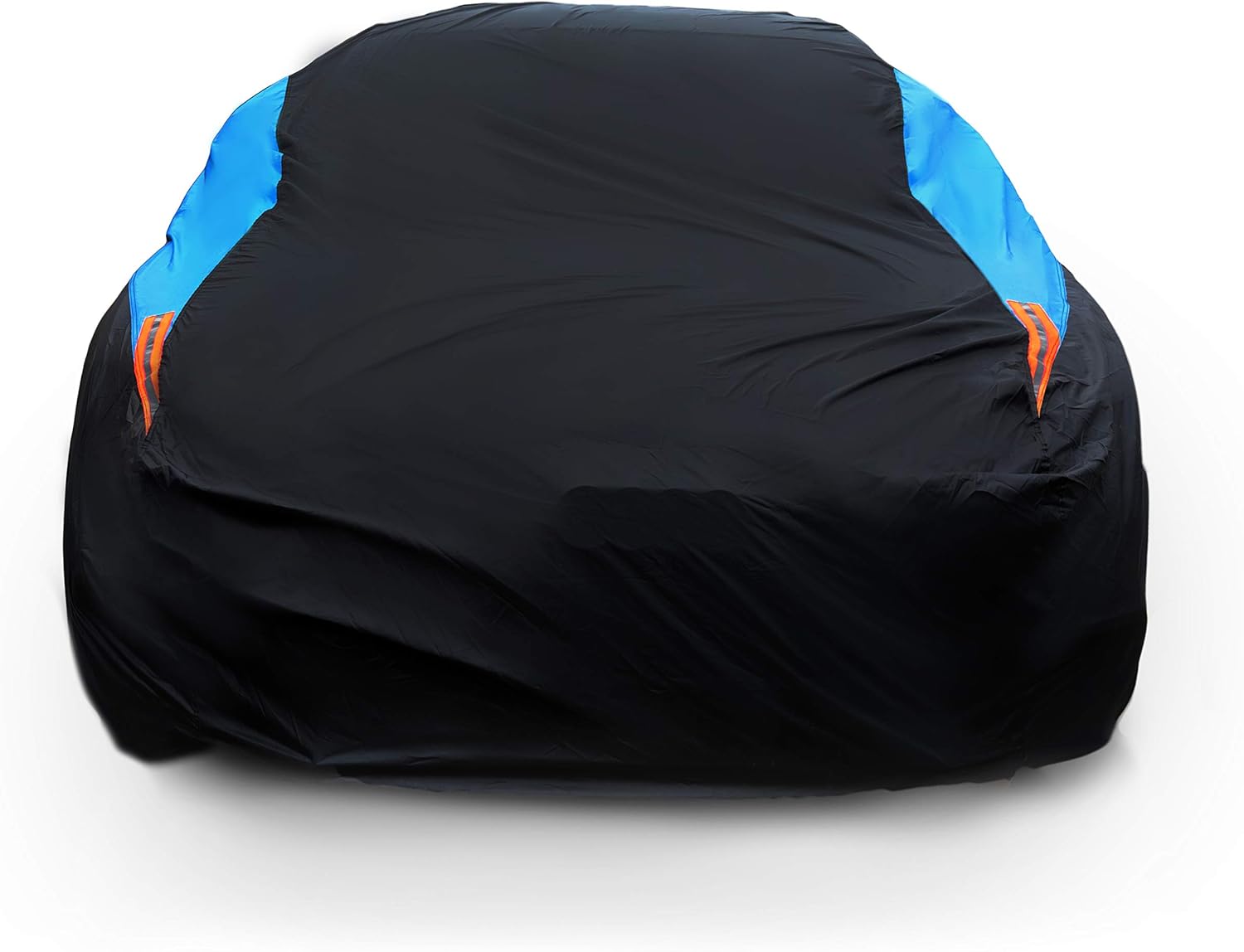
How to Handle Heavy Snow on a Car Cover (Without Damaging Your Car)
⚡ Quick Answer
Brush off excess snow before pulling your car cover — never yank it while snow sits on top. Clear snow from the edges first, work toward the center, and lift the cover gently from one end. This prevents paint scratches and cover tears.
Steps to Remove Snow from a Car Cover
-
1
Use a soft brush to clear snow off the top and sides of the cover -
2
Check that the cover isn’t frozen to the car before pulling -
3
Fold the cover from one end to the other — never drag it across paint -
4
Shake off remaining snow and let the cover dry before storing
Mistakes to Avoid
-
✓
Never pull the cover while heavy snow still sits on top -
✓
Never use a metal shovel or scraper on the cover fabric -
✓
Never force a frozen cover free — it will tear paint or fabric
You wake up to a foot of snow burying your car — and your car cover is buried with it. I’m Daniel Brooks, and I’ve seen this scene cause more paint scratches and torn covers than most people expect. The good news? Handling heavy snow on a car cover is simple if you follow the right order.
This guide covers every step you need — from the first brush stroke to storing the cover after. You’ll also learn the two biggest mistakes most car owners make and how to stop your cover from freezing solid overnight.
📌 Key Takeaways
-
→
Brush first, remove second. Always clear snow off the cover before you try to lift or fold it away. -
→
A frozen cover that’s stuck to the paint must be thawed with interior heat — never pulled free by force. -
→
Fresh snow weighs about 20 lbs per cubic foot — enough to strain roof panels and mirrors on lighter vehicles. -
→
Always dry the cover fully before folding it into storage — damp fabric grows mold within 48 hours.
Why Heavy Snow on a Car Cover Is a Problem You Shouldn’t Ignore
Heavy snow looks harmless sitting on a car cover — but it creates two real risks. First, the weight presses down on your roof, hood, and mirrors. Second, pulling the cover off with snow still on it drags grit and ice across the paint underneath.
Fresh snow weighs around 20 pounds per cubic foot. A foot of snow across a mid-size sedan’s roof can put well over 100 lbs of pressure on the car’s structure. That’s enough to stress sheet metal, crack side mirrors, and warp a sunroof seal over repeated winters. For proper winter car care, acting early — before snow compacts or freezes — makes the job far easier and safer.
Wet snow that refreezes overnight is the worst scenario. It bonds the cover fabric directly to the paint surface. Ripping it free can strip paint, especially on older vehicles or any car with chips in the clearcoat.
20 lbs
Weight of fresh snow per cubic foot
70%+
of US roads see 6+ inches of snow per year
48 hrs
Time before mold grows in damp stored cover
So what’s the right move? Start by clearing as much snow as possible off the cover before you touch the straps. That single step prevents most of the damage people accidentally cause.
What Tools You Need Before You Start
You don’t need much — but using the wrong tool causes real damage. A metal snow shovel or hard-edged ice scraper will tear fabric and scratch paint. Stick to soft, purpose-built tools for this job.
📋 Tools for Removing Snow from a Car Cover
-
Soft-bristle snow brush: The safest tool for sweeping snow off the cover without tearing fabric or scratching through to the paint. -
Extendable snow brush: Reaches the roof and center of the car without you climbing on anything or applying body weight to the cover. -
Waterproof gloves: Keep your hands dry and warm during the process — wet hands lose grip fast in freezing temperatures. -
Storage bag for the cover: Lets you fold and carry the wet cover away without dragging it through ice or snow on the ground. -
De-icer spray (optional): Useful if the cover edges have frozen to the car — apply along the frozen seam and wait 60 seconds before pulling.
Check out safe snow removal tools from AutoZone for a deeper breakdown of which brush types work best for different snow densities. For heavy, wet snow, a push-style broom head with foam bristles is ideal over a standard narrow brush.
How to Remove Heavy Snow from a Car Cover Step by Step
The right sequence matters here. Rushing or skipping steps is how most people end up with scratched paint or a torn cover. Follow these steps in order and the whole process takes about 5 minutes.
🔢 Step-by-Step: Removing Heavy Snow from a Car Cover
-
1
Brush the top and sides clear first
Use a soft-bristle brush to sweep snow off the roof, hood, and sides of the cover before touching any straps or edges.
-
2
Test whether the cover is frozen to the car
Gently lift one corner of the cover. If it resists, it’s frozen. Don’t force it — start the car and run the defroster on high for 5 minutes first.
-
3
Unhook all straps and release the cover edges
Undo elastic straps from under the car before lifting. Never pull the cover upward while straps are still attached — this tears the fabric.
-
4
Fold the cover from one end — don’t drag it
Start at the front or rear and fold the cover toward the opposite end. Folding keeps the outer (snow-coated) surface facing inward so grit doesn’t touch the paint.
-
5
Lift the cover clear of the car in one motion
Once folded, lift the whole cover away from the car. Carry it — don’t let it drag across the door panels or bumper trim.
-
✓
Shake off remaining snow, then set it aside to dry
Give the cover a firm shake to dislodge remaining snow. Don’t fold it wet into storage — lay it flat or hang it to dry fully before putting it away.
💡 Key Insight
Folding the cover inward (snow side in) is the most underrated step. It stops grit and ice crystals on the outer fabric from rubbing against your clear coat during removal — the main cause of fine swirl marks in winter.
The whole process is about patience. Rushing creates 90% of the damage. If you take 5 minutes to do it right, your car cover and your paint will last years longer.
What Most People Get Wrong About Car Cover Snow Removal
There are 3 mistakes that come up over and over. All 3 are easy to avoid once you know what they are.
Mistake 1: Pulling the cover off with snow still on top. This is the most common error. When you yank a snow-loaded cover sideways or upward, the weight causes the fabric to drag across the roof. The snow and any trapped grit act like sandpaper on your clear coat. Always brush the top clear before you move the cover an inch.
⚠️ Warning
Never pour hot water on a frozen car cover. The sudden temperature change can crack windshield glass and strip paint sealant — two repairs that cost far more than a few extra minutes of proper thawing.
Mistake 2: Storing the cover while it’s still wet. Most people fold the cover right back into its bag after removing it. A wet cover stored in a closed bag will grow mold within 2 days. Mold not only ruins the cover fabric — it can transfer odor and spores to your car’s paint and interior if the cover is used again without cleaning.
Mistake 3: Using a snow shovel to clear the cover. The hard metal or plastic edge of a shovel tears fabric and punches through to the car body. Use a soft brush — nothing else.
How to Prevent Your Car Cover from Freezing to the Car
A frozen cover is the most time-consuming problem in winter car care. The fix isn’t brute force — it’s prevention the night before. These steps take under 3 minutes and save you 20 minutes of thawing in the morning.
✅ Tip
Apply a thin coat of silicone spray to your car’s door seals, mirror edges, and roof rails before putting the cover on. This creates a barrier that stops the cover from bonding to the paint overnight when temperatures drop below freezing.
If the cover is already frozen when you go out in the morning, start the engine and turn the defroster to maximum. The heat radiating from the cabin slowly loosens the ice layer between the cover and the car — usually within 5 to 10 minutes. You’ll hear the fabric loosen and crinkle as the bond breaks.
The right cover also makes a huge difference. Covers with a nano-water-shedding outer layer resist ice bonding far better than basic polyester covers.
Recommended Product
PONYBRO Heavy Duty Winter Car Snow Cover — 7-Layer Thickened, 92″x87″, Waterproof Windshield Frost Cover, All-Season Universal Fit
★★★★☆ Highly rated on Amazon
A 7-layer waterproof cover with adjustable windproof straps and a soft scratch-free inner lining — built to handle heavy snowfall without bonding to your paint in freezing temperatures.
As an Amazon Associate, we earn from qualifying purchases.
What to Do with a Wet or Snowy Cover After Removal
This step gets skipped more than any other — and it’s the reason most covers wear out within 2 seasons. A wet cover stored immediately develops mold, mildew, and fabric rot. Here’s the right way to handle it.
✓ After-Snow Cover Care Checklist
-
✓
Shake the cover firmly to remove loose snow before setting it down -
✓
Hang the cover in a garage or lay it flat in a dry area — don’t crumple it wet -
✓
Let it air dry fully — both inner and outer surfaces — before folding -
✓
Check for any tears, broken straps, or worn edges before storing -
✓
Store in a breathable storage bag — not a sealed plastic bag — to prevent mildew
If the cover is heavily soiled from road salt or mud, rinse it with a garden hose and mild soap before storing. Salt residue left on the fabric weakens waterproof coatings over time and causes stitching to rot faster than normal wear would.
A well-maintained cover used correctly should last 3 to 5 winters. One that’s stored wet and never inspected usually fails within 18 months.
Conclusion
Heavy snow on a car cover isn’t dangerous — as long as you take 2 minutes to brush it clear before you remove the cover. The whole process comes down to one rule: clear, then remove, then dry.
Most cover damage and most paint scratches happen in the first 30 seconds when someone rushes and yanks the cover off while snow is still piled on top. Avoid that, and you’ve solved 90% of the problem.
One thing to do right now: Put a soft-bristle snow brush in your trunk today. When the next storm hits, you’ll have it exactly where you need it — and the whole removal process will take 5 minutes instead of 20.
Frequently Asked Questions
Should I brush snow off my car cover before removing it?
Yes — always brush snow off the top and sides of the cover before you try to lift or fold it. Snow left on the cover during removal drags grit and ice across the paint underneath, causing scratches. This one step prevents most winter car cover damage.
Is it safe to pull a car cover off with snow on top?
No. Pulling the cover while heavy snow sits on top forces the fabric to slide across the car’s surface. The weight and any trapped road grit act like sandpaper on the clear coat. Always clear the snow first, then remove the cover slowly by folding it from one end.
Why does my car cover freeze to the car in winter?
Snow on the cover melts slightly from car body heat, then refreezes overnight as temperatures drop. That meltwater bonds the fabric to the paint surface. Preventing this means applying silicone spray to the roof and mirror edges before covering the car each night.
What should I do if my car cover is frozen solid?
Start the car and run the defroster on the highest setting for 5 to 10 minutes. The heat radiating from the cabin melts the ice layer between the cover and the paint. Never pour hot water on it and never rip the cover free — both cause serious damage.
Can heavy snow damage a car cover?
Yes, especially if the snow is wet and heavy or compacts into ice. The weight strains stitching and elastic straps over repeated storms. Covers with reinforced seams and multi-layer construction handle heavy snow far better than single-layer budget covers. Inspect straps each season.
What should I do with a wet or snowy car cover after removing it?
Shake off loose snow, then hang the cover to air dry fully before folding it into storage. Storing a wet cover in a sealed bag causes mold growth within 48 hours. A breathable storage bag keeps the fabric in good condition between uses throughout the winter.
How do I keep a car cover from being buried in heavy snow overnight?
You can’t fully prevent snow from piling up, but a tightly fitted cover with secure straps makes removal far easier. Heavy-duty covers with windproof straps stop the cover from shifting under snow weight, which means the snow sits evenly on top and brushes off cleanly in the morning.

Daniel Brooks is an automotive writer and product researcher focused on car accessories, car tech, maintenance, and practical driving guides. At Plug-in Car World, he helps drivers make smarter automotive decisions through honest reviews and research-driven content.