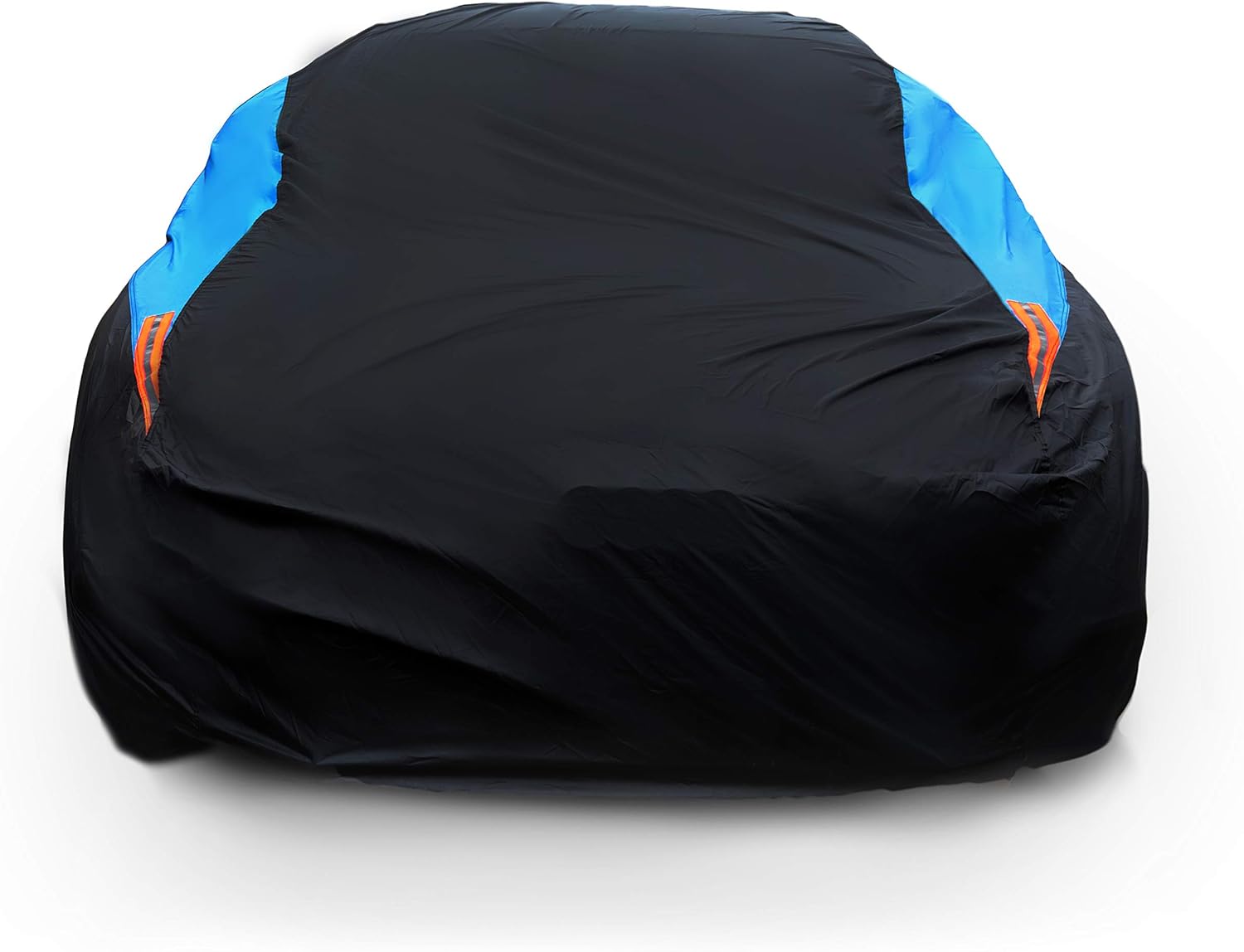
Winter Car Cover Maintenance Checklist: Keep Your Cover Safe All Season
Check your car cover weekly in winter. Brush off snow before it turns to ice, dry the cover fully after storms, and never store it wet. This stops mold, frozen straps, and fabric damage before they start.
Cold mornings make everything harder, and your car cover is no exception. I’m Daniel Brooks, and I’ve spent years testing car covers through brutal Midwest winters.
One frozen strap can ruin your whole morning. Snow that sits too long can crack cheap fabric. The good news is that a few weekly habits stop most winter damage cold.
Let’s build a simple checklist you can actually stick to.
- Check your cover at least once a week during winter storms.
- Brush off snow within a few hours to stop ice from forming.
- Dry a wet cover completely before folding or storing it.
- Loose straps freeze faster than tight, properly cinched ones.
- Road salt residue speeds up fabric wear if it’s not rinsed off.
Why Winter Is Harder on Car Covers Than Any Other Season
Winter stresses a car cover more than rain or sun ever will. The problem isn’t the cold itself. It’s the freeze-thaw cycle.
A freeze-thaw cycle means moisture soaks into fabric, freezes solid overnight, then thaws the next day. Repeat that for weeks and fibers weaken fast.
Snow melts a little in daytime sun. That water soaks into the seams. Then it refreezes at night and expands. Over a season, this cycle wears down stitching faster than heat or rain ever could.
According to the National Highway Traffic Safety Administration, winter weather preparation for vehicles matters because cold temperatures reduce battery power and can affect how safety systems perform. The same cold that stresses your engine also stresses your cover’s fabric and hardware.
Now let’s look at what a smart weekly routine actually covers.
How Often Should You Check a Car Cover in Winter?

Check your car cover once a week during normal cold weather, and once a day during active snowstorms. This isn’t overkill — it’s the difference between a five-minute brush-off and a frozen cover you have to fight with.
- Look for pooled water or heavy snow load on top.
- Feel the hem and straps for stiffness or ice buildup.
- Check that all straps are still snug, not loosened by wind.
- Peek underneath for any dampness against the paint.
- Brush off loose snow before it compacts or melts.
Set a phone reminder if you tend to forget. That small habit prevents most of the problems covered below.
How Do You Stop a Car Cover From Freezing to the Car?
You stop a cover from freezing to the car by keeping the surface dry before temperatures drop below freezing. Moisture is the real enemy here, not cold air alone.
Wipe down the car before covering it on wet or humid days. A dry surface underneath gives condensation less to grab onto overnight. If your cover already forms ice underneath on cold nights, a breathable fabric usually fixes it, since trapped moisture is almost always the root cause.
Park in a garage or carport on nights before a hard freeze, even without the cover on. It cuts frost formation by a wide margin.
If the cover does freeze solid, resist the urge to yank it off. Warm water along the seams loosens the ice gently, and removing a frozen car cover the right way protects both the fabric and your paint.
What Should You Do When Snow Piles Up on Your Car Cover?
Brush snow off within a few hours, using a soft broom instead of a scraper. Heavy, wet snow adds real weight, and that weight stresses seams over time.
Never use a metal shovel or ice scraper directly on a car cover. It tears fabric almost instantly, even on thick, heavy-duty covers.
Push snow off in the direction it naturally slides, from roof toward the ground. This keeps you from pressing snow into the fabric weave, which makes it compact and freeze. For step-by-step guidance, safely clearing snow from a car cover takes less than ten minutes once you know the right motion.
Heavy, wet snow is different from light powder. Powder mostly blows off on its own. Wet snow packs down and needs manual clearing every time.
Can You Leave a Wet Car Cover On in Winter?
No, a wet car cover left on through a freeze traps moisture against your paint and speeds up mold growth underneath. Water needs somewhere to go, and a frozen cover blocks that path completely.
A well-designed heavy-duty winter car cover sheds water on the outer layer while letting trapped vapor escape from underneath. That balance is what separates a good winter cover from a cheap tarp.
If your cover is already soaked from a storm, take it off and dry it rather than leaving it on. This one habit alone prevents most winter mold complaints, since you should never store a wet car cover, even for a single night.
How Do You Dry a Car Cover Safely in Cold Weather?
Dry a car cover indoors, laid flat or hung loosely, away from direct heat sources. Direct heat from a furnace vent or space heater can warp waterproof coatings.
Room-temperature air drying, spread flat over two chairs or a clothesline, works better than any heated method. It usually takes 12 to 24 hours depending on humidity.
Here’s the thing — a damp cover folded into a trunk bag stays damp for days. That trapped moisture is exactly what causes musty smells and mildew spots by spring.
Does Road Salt Damage a Car Cover?
Yes, road salt residue can weaken cover fabric over time if it isn’t rinsed off. Salt draws moisture in and holds it against the fibers, which speeds up wear.
The Environmental Protection Agency notes that winter road salt use causes serious corrosion problems, and rock salt’s corrosive effects on cars, trucks, bridges, and roads add up to roughly five billion dollars in annual U.S. repairs. That same salt spray from passing traffic lands on your cover just as easily as it lands on your car body.
Rinse your cover with plain water every few weeks if you park near a salted road. A quick hose-down, followed by full drying, keeps the fabric from breaking down early.
Which Car Cover Material Handles Winter Best?
Multi-layer polyester blends handle winter best, balancing waterproofing with breathability. Here’s how the common materials compare for cold-weather use.
| Material | Winter Performance | Weak Point |
|---|---|---|
| Multi-layer polyester | Sheds snow, breathes well, resists tearing | Higher cost than basic covers |
| Single-layer polypropylene | Light and cheap, decent for mild climates | Traps moisture, tears under snow load |
| Vinyl or PVC | Fully waterproof, blocks wind well | Stiffens badly in extreme cold, cracks |
| Cotton or flannel blend | Soft on paint, good indoor use | Poor outdoors, soaks through fast |
In my own testing across three winters, the covers that failed first were never the cheapest ones by price. They were the single-layer polypropylene covers, because they hold onto moisture at the seams longer than any other material tested.
What Winter Car Cover Mistakes Cause the Most Damage?
The biggest mistake is leaving a cover on through repeated freeze-thaw cycles without ever checking underneath. Most damage builds up slowly, not from one bad storm.
People assume a thicker cover means a safer cover. In reality, a thinner, breathable cover often protects paint better in winter than a thick one that traps moisture underneath.
Other common mistakes include:
- Leaving straps loose, which lets wind whip the cover and wear holes faster.
- Storing a cover in a plastic bag while it’s still damp.
- Ignoring small tears, which spread quickly once ice works into the fabric.
- Using bungee cords instead of the cover’s built-in strap system.
Fixing these habits costs nothing and adds real years to a cover’s life.
How Do You Keep Straps Secure Through Winter Storms?
Keep straps snug, not loose, since a tight strap system resists wind far better than a loose one. Wind is often the hidden cause of winter cover failure, not the cold itself.
Swap thin bungee-style straps for wider cover tie-down straps. Wider webbing distributes wind stress better and won’t cut into the fabric.
Check strap tension every time you do your weekly inspection. Cold weather makes some strap materials shrink slightly, and a strap that was snug in October can loosen by January.
If your current cover keeps freezing stiff or letting moisture through, a fleece-lined, fully waterproof winter cover solves both problems at once and is worth the upgrade before the coldest months hit.
Your Next Step
Winter car cover care comes down to one habit: check it weekly, and dry it fully after every storm. That single routine prevents most of the frozen straps, mold, and torn seams drivers deal with each spring.
Pick a day this week, set a reminder, and start your weekly check today. I’m Daniel Brooks, and a five-minute habit now saves you a damaged cover come March.
Frequently Asked Questions
Can I leave my car cover on during a snowstorm?
Yes, most covers are built to stay on through a storm. Just plan to brush off heavy snow within a few hours after it stops, so weight doesn’t build up on the seams.
Why does my car cover feel stiff and frozen in the morning?
Stiffness usually means moisture soaked into the fabric and froze overnight. Warm the seams gently with lukewarm water before removing it, rather than pulling it off by force.
Should I use a car cover in freezing rain?
A waterproof cover still helps in freezing rain, since it keeps ice from bonding directly to your paint. Just expect the outer layer to ice over and plan extra time to clear it before driving.
How do I know if my car cover is too damaged to keep using?
Check for thinning fabric, torn seams, or a strap system that no longer holds tension. If ice keeps forming underneath despite a dry start, the breathability layer has likely worn out.
Does a car cover protect against road salt spray?
Yes, a cover blocks most direct salt spray from reaching your paint. But salt can still land on the cover itself, so rinse it off every few weeks during salted-road season.

Daniel Brooks is an automotive writer and product researcher focused on car accessories, car tech, maintenance, and practical driving guides. At Plug-in Car World, he helps drivers make smarter automotive decisions through honest reviews and research-driven content.