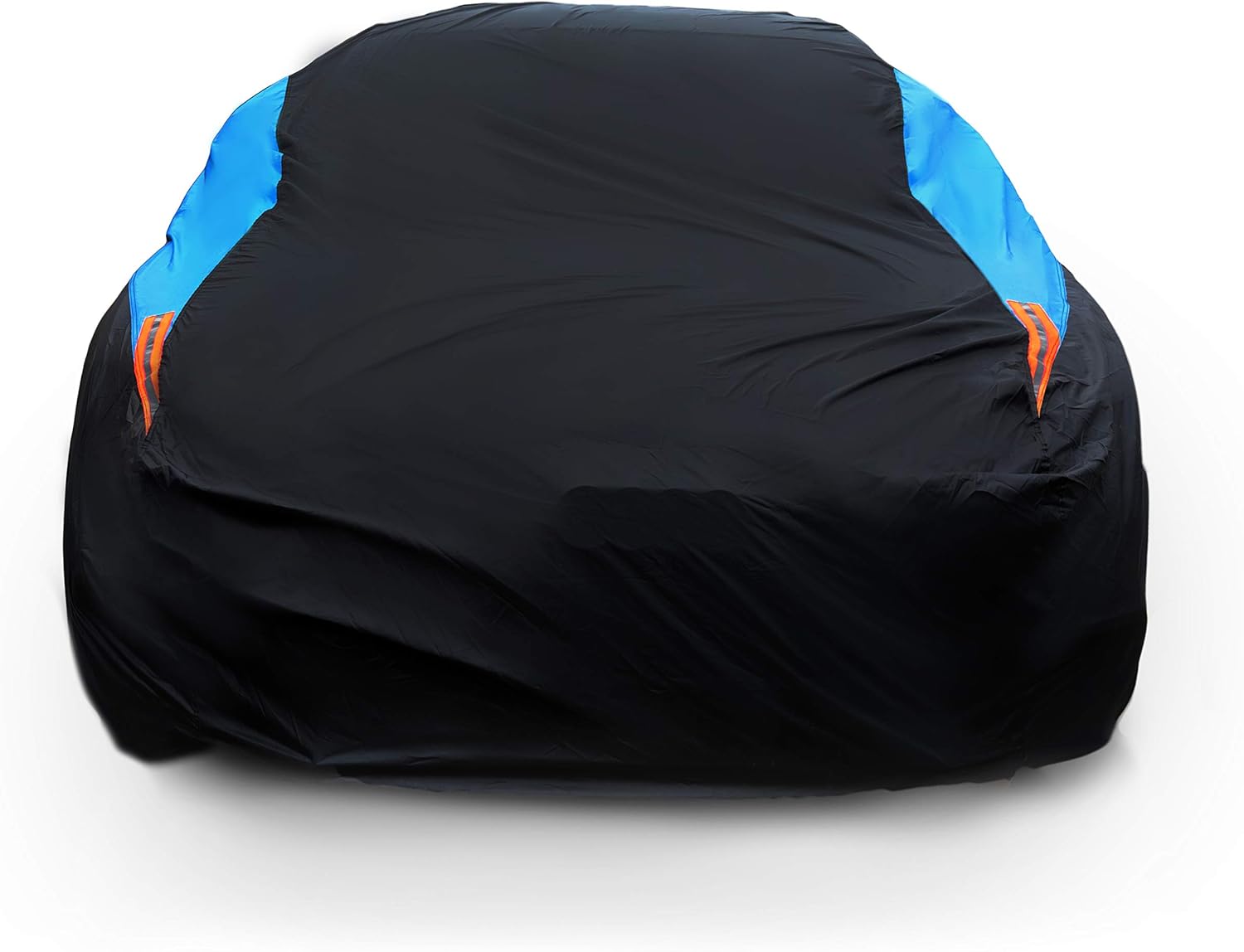
Garage Moisture Problems With Car Covers: Causes and Fixes
⚡ Quick Answer
Garage moisture under a car cover is caused by condensation — not a leaking cover. When warm, humid air meets your car’s cold metal surface, water droplets form. Non-breathable covers trap that moisture against your paint. The fix is a breathable cover, a dehumidifier, and a vapor barrier under your car.
Why moisture forms under your garage car cover:
- Temperature swing: Cold car + warm air = condensation on metal surfaces every time.
- Concrete floor: Unsealed garage floors constantly release moisture vapor upward.
- Wrong cover: Non-breathable covers seal moisture in rather than letting it escape.
3 fixes to start today:
-
✓
Switch to a breathable fabric cover — never use plastic or vinyl indoors -
✓
Run a dehumidifier to keep garage humidity below 50% -
✓
Place a plastic vapor barrier or rubber mat under your car on the floor
You pull off the car cover and feel it — your paint is damp, the windows are fogged, and the undercarriage is dripping. I’m Daniel Brooks, and after years of helping car owners protect their vehicles in storage, I can tell you this is one of the most common and most misunderstood problems in garage car care.
The good news is that garage moisture under a car cover is almost always fixable. You just need to know what’s actually causing it.
This guide covers every reason moisture builds up under garage car covers, what damage it causes over time, and the exact steps to stop it — starting today.
📌 Key Takeaways
-
→
Condensation — not leaks — causes almost all moisture problems under garage car covers. -
→
Unsealed concrete floors release moisture vapor that rises straight into your cover. -
→
Non-breathable covers like plastic tarps make the moisture problem 3x worse by trapping vapor. -
→
Target 35%–55% relative humidity in your garage to fully protect your car from rust and mold.
Why Does Moisture Build Up Under a Car Cover in the Garage?
Moisture under a garage car cover is almost always condensation. It’s not the cover leaking. It’s physics working against you.
Here’s what happens. Your car sits in a cold garage all night. Its metal panels, glass, and chassis cool down. Then the temperature shifts — a warm front moves in, the sun heats the garage, or you open the door and let warm air rush in. That warm, humid air hits the cold surface of your car and turns to liquid water on contact.
It’s the same thing that happens on a cold glass of water on a hot day. The air can’t hold that moisture once it touches something colder. So it drops it — right onto your car.
You might be thinking: “But I park inside — shouldn’t the garage protect against this?” The garage does reduce outdoor weather exposure. But it doesn’t control temperature swings or humidity. And without that control, condensation forms just as readily indoors as out.
💡 Key Insight
It’s not the temperature itself that causes condensation — it’s the temperature differential. A 20°F swing between night and day is enough to create dripping moisture under a car cover, even in a sealed garage.
The dew point is the key number. When your car’s surface temperature drops to or below the dew point of the surrounding air, condensation happens. Period. Your cover has nothing to do with preventing that. What the cover does — for better or worse — is determine whether that moisture can escape or stays trapped.
The next question matters just as much: where does the moisture in your garage air come from in the first place?
Where Does Garage Moisture Actually Come From?
Most car owners focus on the cover when the real culprits are in the garage itself. There are 4 main moisture sources in a typical garage, and your car cover can’t fight any of them alone.
📋 The 4 main sources of garage moisture
-
Concrete floor vapor: Unsealed concrete constantly releases moisture from the ground below. If your floor lacks a vapor barrier, this is your biggest problem — especially in cold climates where the ground stays wet. -
Temperature swings: Every time the temperature rises sharply after a cold spell, condensation explodes inside the garage. A 30°F to 60°F overnight shift can leave your entire floor visibly wet. -
Outdoor air infiltration: Opening the garage door on a humid day floods the space with moisture-laden air. Once inside that enclosed space, humidity stays elevated for hours. -
The car itself: Driving in rain or snow and parking immediately traps moisture under the cover. The car is warm, the air inside the cover is humid, and condensation forms as everything cools down.
The concrete floor is the most underestimated source. Even when rain stops and your garage looks dry, moisture wicks up through the slab continuously. It rises, hits the cold underside of your car, and pools there — exactly where rust starts.
According to the EPA’s guidance on moisture and mold control, covering cold surfaces and increasing airflow are the 2 most important steps to prevent condensation damage — both apply directly to garage car storage.
So what happens when the wrong car cover is part of the equation? The problem gets much worse.
Does a Car Cover Make Garage Moisture Problems Worse?
Yes — but only the wrong kind of cover. A non-breathable car cover is one of the worst things you can put on a car stored in a garage.
Here’s the problem. Plastic tarps, vinyl covers, and waterproof-only covers block airflow completely. Moisture that forms on your car has nowhere to go. It sits trapped against your paint for days or weeks at a time. That’s when real damage starts: rust forming on uncoated metal, paint beginning to bubble from trapped moisture, and mold or mildew growing in rubber seals and interior seams.
⚠️ Warning
Never put a car cover on a warm or wet car. Covering a car fresh from driving traps hot, humid air inside the cover. As the car cools, that moisture condenses directly onto the paint surface — sometimes leaving permanent cloudy marks in the clear coat.
A breathable cover works differently. Its fabric has microscopic pores that allow water vapor to pass through while blocking dust and debris. Moisture that forms on the car’s surface can evaporate through the cover as temperatures rise. This is the key difference between a cover that protects and one that harms.
For garage storage specifically, you want a breathable indoor cover — not a heavy-duty waterproof outdoor cover. Outdoor covers are designed to block rain. In a dry garage, that same waterproofing seals moisture in.
Recommended Product
Season Guard Car Cover for Sedans up to 205″ — Breathable Full Exterior Vehicle Cover, Gray
★★★★☆ Highly rated on Amazon
Made from non-woven breathable fabric with tiny pores that block dust while allowing moisture vapor to escape — exactly what a garage-stored car needs to prevent condensation buildup.
As an Amazon Associate, we earn from qualifying purchases.
The table below shows exactly how cover material type affects moisture behavior in a garage setting.
Your cover choice is the single fastest variable you can change. Switching from plastic to breathable fabric can reduce trapped moisture dramatically overnight.
Now let’s get into the actual fix — because the right cover is only part of the solution.
How Do You Stop Moisture Under a Car Cover in a Garage?
Stopping garage moisture problems requires attacking it from 3 directions at once: the floor, the air, and the cover. Fix just one and the other two will keep the problem going.
1. Seal or Block the Garage Floor
The floor is the biggest source of moisture vapor in most garages. An unsealed concrete slab sweats continuously, releasing vapor upward — straight under your car.
The 3 most effective floor solutions in order of cost are: a plastic vapor barrier sheet placed directly under the car (cheapest, works immediately), a rubber floor mat or interlocking tile system over the concrete, or a full epoxy coating on the floor surface. All 3 block ground vapor from reaching your car.
✅ Tip
Place a 6-mil plastic sheet under your car, then put plywood on top to stop it shifting. This is a free or near-free fix that immediately cuts vapor rising from the slab — no tools required.
2. Run a Dehumidifier
A dehumidifier is the most reliable long-term solution for garage moisture control. It actively removes water vapor from the air rather than just blocking it. For car storage, keep the garage at or below 50% relative humidity year-round.
One important detail: standard household dehumidifiers stop working well below 60°F. If your garage gets cold in winter, you need a low-temperature dehumidifier rated to work at 40°F or below. Regular models will frost up and shut off — leaving you with no protection exactly when you need it most.
3. Improve Air Circulation
Stagnant air lets moisture sit on your car’s surface indefinitely. Moving air prevents condensation from forming in the first place by keeping temperatures more stable throughout the garage.
A ceiling fan running on low is the cheapest option. A box fan placed near the floor and pointed under the car works well too. Car capsule systems — inflatable bubbles with built-in fans — take this further by circulating filtered air around the car continuously at 190–380 CFM, replacing the air under the cover at least 5 times per hour.
4. Always Let the Car Cool Before Covering
Covering a warm car locks hot, humid air inside the cover. As the car cools, that air deposits moisture directly onto the paint. Wait at least 30 minutes after parking before putting the cover on. If the car came in from rain, wait longer — or dry it off first.
🔢 Step-by-Step: Garage Moisture Fix for Car Covers
-
1
Lay a vapor barrier under the car
Place a 6-mil plastic sheet under the vehicle to block floor vapor immediately — no cost, no tools.
-
2
Switch to a breathable indoor car cover
Replace any plastic or vinyl cover with a breathable non-woven or cotton fabric cover designed for garage use.
-
3
Run a dehumidifier targeting 50% humidity
Use a low-temperature model if your garage goes below 60°F in winter. Check it weekly.
-
4
Add a ceiling or floor fan for airflow
Circulating air reduces temperature differentials and prevents condensation from forming on the car’s surface.
-
✓
Lift the cover once a month to air out
Even with the best setup, lifting the cover for 30 minutes monthly gives any trapped moisture a chance to fully escape.
Every step above works on its own. But all 5 together eliminate the moisture problem almost entirely — even in high-humidity climates.
What Humidity Level Should a Garage Be for Car Storage?
The target is 35% to 55% relative humidity in your garage. This range is widely accepted by classic car experts and automotive storage specialists as the safe zone — low enough to prevent rust and mold, high enough to protect rubber seals and leather.
Below 35%, rubber seals and leather can dry out and crack. Above 55%, metal begins to corrode faster and mold can grow in the car’s interior within weeks. Between 55% and 70%, the risk is serious. Above 70%, you’re in active damage territory.
35–55%
Safe relative humidity range
55–70%
Elevated risk — monitor closely
70%+
Active damage happening
Buy a digital hygrometer — a humidity and temperature gauge — for under $15 at any hardware store. Place it in the garage and check it once a week. This single tool tells you instantly whether your dehumidifier is working and whether your car is at risk.
According to car storage experts at Cotes dehumidification specialists, controlling relative humidity is more effective than controlling temperature alone — because it’s the moisture in the air, not just heat or cold, that drives rust and corrosion inside parked vehicles.
One more thing: humidity fluctuates. Don’t check once and forget it. High humidity most often spikes in spring, during rain events, and whenever the season shifts rapidly.
What Most People Get Wrong About Garage Car Cover Moisture
There are 3 beliefs that car owners hold about garage moisture that make the problem worse instead of better. All 3 are worth correcting directly.
Misconception 1: “If the garage is closed, the car is protected.” A closed garage controls weather exposure — but it doesn’t control humidity or temperature swings. A sealed garage with no ventilation and no dehumidifier can reach 80%+ relative humidity in spring. That’s more dangerous than a breezy carport in dry weather.
Misconception 2: “A waterproof cover gives more protection in the garage.” Waterproof covers are designed for outdoor rain — not indoor vapor. In a garage, a fully waterproof cover traps condensation against your paint for days at a time. Breathable indoor covers are always the right choice for covered storage, even when the garage has some leaks around the door.
Misconception 3: “Blankets and moving pads add extra protection under the cover.” Extra layers under the cover trap more moisture, not less. Blankets hold humidity against the car’s surface without breathing. More layers = more moisture damage. One well-chosen breathable cover is always better than two improvised ones.
Conclusion
Garage moisture under a car cover is a condensation problem — not a cover failure. The fix is straightforward: breathable cover, vapor barrier on the floor, dehumidifier in the air, and airflow to keep temperatures stable.
Most car owners fix 80% of their moisture problem just by switching from a plastic or outdoor cover to a breathable indoor fabric cover and adding a $15 hygrometer to monitor the situation.
Right now, do one thing: check what cover is currently on your car. If it’s plastic, vinyl, or a heavy-duty outdoor cover — pull it off and order a breathable indoor replacement today. That single change stops the most common source of garage moisture damage immediately.
Frequently Asked Questions
Does a car cover cause moisture damage in a garage?
A non-breathable car cover traps moisture against the paint, which causes rust, mold, and paint damage over time. A breathable fabric cover does not — it allows vapor to escape. The cover type matters far more than whether you use one at all.
Why is my car dripping wet under the cover when it’s parked inside?
This is condensation, not a leak. When warm, humid air contacts the cold metal of your car, it turns to liquid. This happens most after temperature swings of 20°F or more. It can also happen when you cover a warm car before it cools down fully.
Should I use a car cover in a garage at all?
Yes — a breathable indoor car cover is worth using in a garage to protect against dust, minor scratches, and rodents. The key is choosing the right material. Never use a plastic tarp or heavy outdoor cover for indoor storage.
How do I stop moisture coming up through my garage floor under the car?
Lay a 6-mil plastic vapor barrier sheet on the concrete under the car. This immediately blocks ground moisture from rising. For a permanent solution, apply an epoxy floor coating that seals the slab and stops vapor transmission completely.
Can condensation under a car cover cause rust?
Yes. Rust forms when metal is exposed to oxygen and water together. Condensation trapped under a non-breathable cover provides exactly that combination for extended periods. Undercarriage components and floor pans are the most vulnerable areas in a garage storage situation.
How often should I lift the car cover to let moisture escape?
Lift the cover at least once a month — more often during winter or humid seasons. Leave it off for 30 to 60 minutes to allow trapped vapor to escape. In damp weather with extreme temperature swings, lift it weekly.
What is the best type of car cover for a garage to prevent moisture?
The best garage car cover for moisture control is a breathable non-woven polypropylene or soft cotton indoor cover. It blocks dust while allowing moisture vapor to pass through. Avoid outdoor waterproof covers, plastic tarps, and vinyl — these trap moisture against your paint and cause damage.

Daniel Brooks is an automotive writer and product researcher focused on car accessories, car tech, maintenance, and practical driving guides. At Plug-in Car World, he helps drivers make smarter automotive decisions through honest reviews and research-driven content.