How to Stop a Car Cover From Trapping Humidity
⚡ Quick Answer
A car cover traps humidity when it’s non-breathable, applied to a wet car, or fitted too tight with no airflow. Fix it by switching to a woven breathable cover, always covering a dry car, and lifting the cover at least once every 2 weeks to let moisture escape.
Steps to stop a car cover from trapping humidity:
-
1
Choose a woven, breathable cover — never sealed PVC or plastic -
2
Only cover a fully dry, cool car — never right after rain or driving -
3
Don’t let cover sides touch the ground — allow air to circulate underneath -
4
Lift the cover every 1–2 weeks to let trapped moisture escape
Biggest mistakes that cause moisture buildup:
-
✓
Using a “waterproof” plastic cover that has zero vapor transmission -
✓
Covering the car immediately after driving or washing it -
✓
Leaving the cover on for weeks without removing it
You pull back the car cover expecting a clean, dry finish — and instead find moisture beading on the paint, a faint smell of mildew, and the early signs of rust. I’m Daniel Brooks, and I’ve seen this happen to carefully stored vehicles because the cover itself became the problem. The good news is that stopping a car cover from trapping humidity comes down to 3 simple principles — the right material, the right prep, and the right habits. This guide covers all of them.
📌 Key Takeaways
-
→
Breathable woven covers allow moisture vapor to pass through — sealed plastic covers trap it completely. -
→
Condensation forms every night when metal surfaces cool below the dew point — even under a cover. -
→
Covering a wet or warm car is the fastest way to trap moisture and trigger rust or paint staining. -
→
Lifting the cover every 1–2 weeks lets trapped moisture escape and prevents mold buildup underneath.
Why Does a Car Cover Trap Humidity in the First Place?
A car cover traps humidity when it creates a sealed environment with no way for moisture to escape. Every night, metal surfaces cool below the dew point. Warm, humid air under the cover condenses into liquid water directly on your paint — and stays there.
This happens whether it rains or not. The moisture comes from the air itself. If your cover is made from sealed PVC, coated nylon, or cheap non-woven polypropylene, that moisture has nowhere to go. It just sits against your clear coat all night.
Here’s the science behind it, explained simply. The dew point determines when condensation forms under car covers — when the air cools enough, it releases water onto the cold metal surface. This cycle runs every single night. In humid climates like Florida, this can mean 6–8 hours of moisture contact with your paint, every night, for months.
💡 Key Insight
A “100% waterproof” car cover is often your paint’s worst enemy in humid conditions. It blocks rain from getting in — but also blocks moisture from getting out. The result is a humidity chamber pressed directly against your car’s surface.
The damage builds up silently. Rust starts in tiny scratches you can’t see. Mold grows in the dark, humid space between the cover and the paint. Paint staining and discoloration follow. By the time you notice, the damage is already done.
So what’s the fix? It starts with the cover material itself.
The Most Important Fix: Choose a Breathable Car Cover
A breathable car cover solves the humidity problem at its source. Breathable woven fabrics allow water vapor to pass through — moisture rises from the car’s surface and escapes through the cover instead of pooling against the paint. This is the single most important decision you’ll make.
Here’s the key distinction most buyers miss. Water-resistant and breathable are not opposites — they’re both possible in the same cover. A quality multi-layer woven cover repels liquid rain from the outside while still allowing vapor to pass through from the inside. A sealed plastic or PVC cover does neither correctly.
This table shows what separates breathable covers from non-breathable options — and why the material choice matters so much.
When shopping, look for covers labeled “breathable” or “water-resistant” — not “100% waterproof.” Double-stitched seams also matter: single-stitched seams on cheap covers let water leak in from the outside.
You might be thinking: “But won’t a breathable cover let rain in?” Not with a quality cover. Multi-layer woven covers repel liquid water effectively from the outside while still allowing vapor to escape from the inside. Think of it like athletic fabric — it blocks rain but wicks sweat away.
Recommended Product
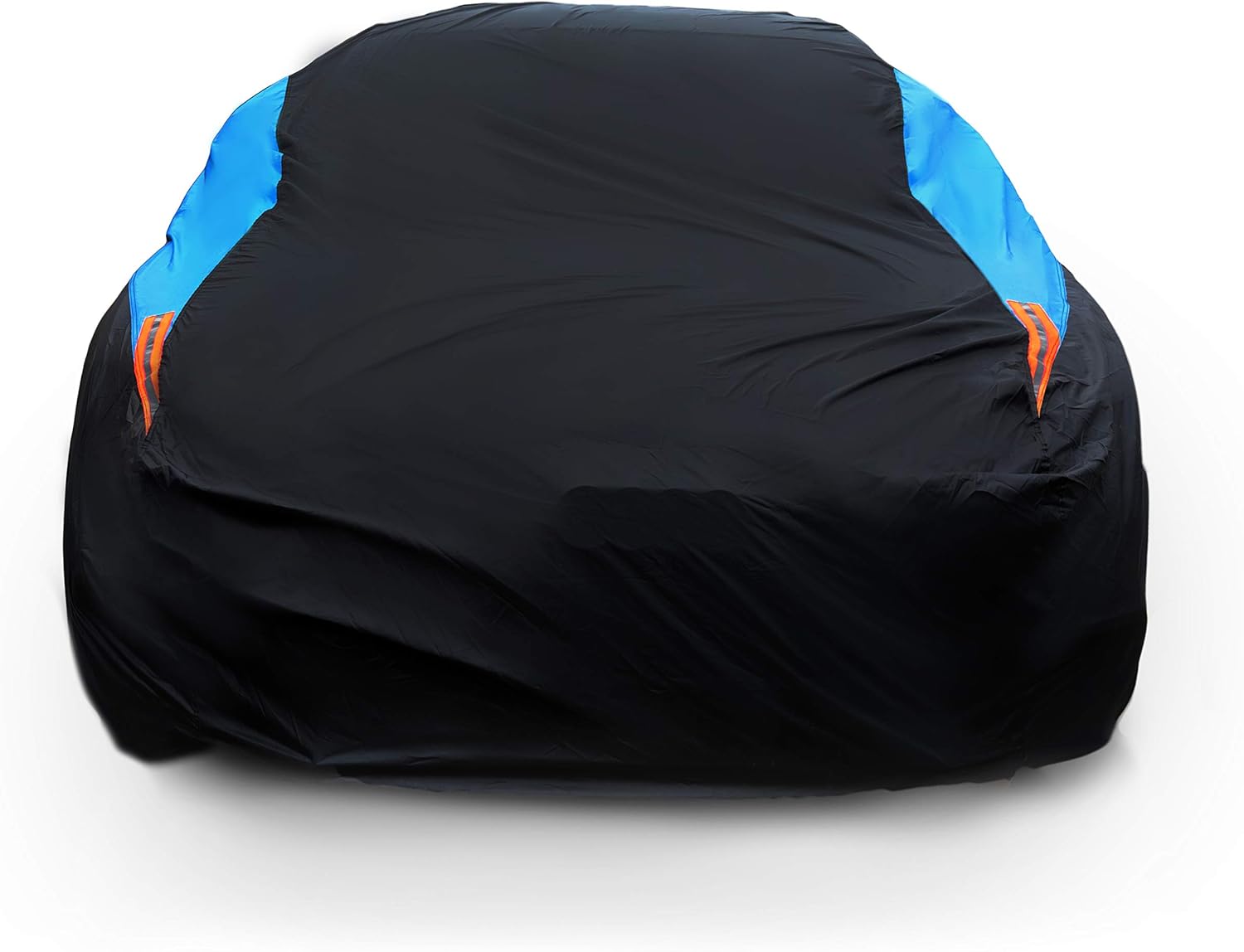
Motor Trend Breathable Lightweight Car Cover, Anti-Moisture Build-Up Water-Resistant Scratch-Resistant, Universal Fit Cars SUVs Trucks Vans All-Weather Outdoor/Indoor (XL) 210″ L
★★★★☆ Highly rated on Amazon
Specifically designed to prevent moisture and heat buildup with a breathable fabric construction — ideal for car owners dealing with humidity and condensation problems.
As an Amazon Associate, we earn from qualifying purchases.
Now that you have the right cover, the next step matters just as much: how you apply it.
How to Prep Your Car Before Covering It to Prevent Moisture
Even the best breathable cover will trap humidity if you apply it to the wrong car. Two rules matter above everything else: the car must be dry, and the car must be cool. Breaking either rule turns your cover into a moisture trap.
Think about covering a damp car. You’ve sealed wet paint under a warm, dark environment for hours. That’s exactly what mold and rust need to get started. The same applies to covering a car that just got driven — the warm engine and exhaust system heat up the air under the cover and raise the humidity level fast.
🔢 Step-by-Step: Pre-Cover Car Prep for Humid Conditions
-
1
Let the car cool completely after driving
Wait at least 15–30 minutes after parking. A warm car raises humidity under the cover immediately.
-
2
Dry the car surface if it’s wet
After rain or a wash, dry the car with a microfiber towel before covering. Even small water droplets become trapped moisture.
-
3
Check the cover is dry too
A wet cover applied to a dry car still traps moisture. Shake it out or let it air-dry first before applying.
-
4
Clean the car before long-term storage
Dirt and grit trap moisture against the paint. A clean, waxed surface resists condensation better than a dirty one.
-
✓
Now apply the cover
Your car is clean, dry, and cool. You’ve removed the 3 biggest triggers of trapped humidity.
With a dry car and the right cover in place, the next step is making sure air can still move underneath it.
How to Vent Your Car Cover to Reduce Condensation Buildup
Even a breathable cover benefits from active airflow underneath it. The goal is simple: don’t let the cover sit flush against the ground and seal off all air movement under the car. A small gap at the hem changes everything.
One proven method comes from experienced cover users: keep the cover snug around the body but don’t let the sides touch the ground. Run the securing straps under the car and keep them taut. This holds the cover close enough to protect the paint from wind while still leaving room for air to circulate.
You can also tuck the cover up behind the front and rear valances at the wheels, which opens a natural airflow path from both ends. Think of it less like draping a blanket and more like wrapping the car with breathing room built in. Learn more car cover care tips from Hagerty’s detailed guide.
✅ Tip
If moisture has already built up under the cover, run a fan under the car for a few hours on the first clear dry day. This moves the damp air out fast and resets the cycle. Do this before re-covering.
What about the garage floor? Concrete is porous and releases moisture upward — especially in spring and after rain. The moisture rises from the floor, gets trapped under the cover, and condenses on the underside of the car. Placing a vapor barrier (plastic sheeting or a dedicated car mat) under the car blocks this ground-source moisture completely.
The right fit on your cover also matters. A cover that’s too loose flaps in the wind, repeatedly rubbing grit across the paint. A cover that’s too tight has no airflow channel. A snug, properly fitted cover — custom or semi-custom — gives you both security and breathing room.
How Often Should You Lift or Remove Your Car Cover?
No car cover — no matter how breathable — should be left on indefinitely. Lifting the cover regularly is the simplest and most overlooked habit for preventing humidity buildup. It takes 60 seconds and prevents hours of moisture contact with your paint.
In normal conditions, lift and air out the cover at least once every 2 weeks. In winter or during periods of big temperature swings, do it weekly. During consistently cold, dry spells you can go a month between lifts — but once the temperature starts fluctuating, increase the frequency.
✓ Car Cover Maintenance Schedule
-
✓
Every 1–2 weeks: Lift the cover and let the car breathe for 1–2 hours on a dry day -
✓
After heavy rain: Remove the cover, let the car dry, air out the cover before reapplying -
✓
Monthly during storage: Do a visual check of the paint for moisture spots, mold, or rust signs -
✓
Seasonally: Wash the cover itself to remove trapped dirt and oils that degrade the fabric’s breathability
Temperature swings are the biggest trigger for condensation cycles. When it goes from warm days to cold nights rapidly — common in spring and fall — moisture forms under the cover every single night. More frequent lifting during these seasons is critical.
If your car sits for more than 30 days without being moved, consider using a desiccant product like DampRid inside the garage space nearby. It won’t solve the cover problem alone, but it reduces the ambient humidity the cover has to deal with.
How to Control Humidity in Your Garage or Storage Space
If your car is stored indoors, the environment around it matters as much as the cover itself. A damp, poorly ventilated garage can actually create worse humidity conditions under a cover than parking outside on a dry day. Garages can run 15–20% higher humidity than outdoors in certain seasons.
Here are the most effective ways to reduce ambient moisture in your storage space:
📋 Humidity Control Options for Car Storage
-
Desiccant pouches (DampRid): Hang or place near the car to absorb ambient moisture — replace every 30–45 days in humid climates. -
Small electric dehumidifier: A compact plug-in model handles a 1–2 car garage effectively — drain it weekly during peak humid months. -
Vapor barrier under the car: Plastic sheeting or a garage floor mat blocks ground moisture rising through concrete — one of the most underrated fixes. -
Ventilate occasionally: On dry sunny days, open the garage door for 1–2 hours to flush out trapped humidity and replace it with drier air.
Concrete floors are a major hidden source of moisture. A simple test: tape a piece of plastic wrap flat to your garage floor and check it in 24 hours. If moisture beads under it, your floor is releasing vapor upward into the space where your car sits.
These steps reduce the baseline humidity load your cover has to manage. Combine them with a breathable cover and the lifting schedule above, and you’ve addressed every angle of the problem.
What Most People Get Wrong About Car Covers and Humidity
Most moisture problems with car covers come from a handful of widely repeated misunderstandings. Getting these wrong is what turns a protection tool into a damage tool.
Myth 1: “Waterproof” means better protection
This is the most common and most damaging mistake. “Waterproof” in the car cover market means the fabric blocks liquid from passing through. But it says nothing about vapor transmission. A 100% waterproof plastic cover blocks rain while sealing your car inside a humidity chamber. The paint suffers more under a sealed cover than it would uncovered outdoors.
The right label to look for is “breathable” or “water-resistant with ventilation.” Water-resistant woven covers repel rain effectively while still allowing moisture vapor to escape. That’s the correct balance for most climates.
Myth 2: A breathable cover means condensation won’t form
Breathable covers reduce humidity buildup — they don’t eliminate condensation entirely. When nighttime temperatures drop to the dew point, some moisture will always form on the car’s surface. Even the best outdoor breathable cover can’t stop this physics.
What breathable covers do is allow that condensation to evaporate quickly once temperatures rise in the morning. With a non-breathable cover, it stays trapped for hours. With a breathable cover, it clears in an hour or two. The difference is the duration of moisture contact with your paint — that’s what determines damage.
Myth 3: Once the cover is on, you can forget about it
No car cover is a “set and forget” solution. Leaving a cover on for weeks without lifting it allows moisture, mold, and even pests to build up underneath with no way for you to catch it early. The cover also presses dirt and debris against the paint over time, creating micro-scratches even if the inner lining is soft.
Regular lifting — even just briefly — resets the moisture cycle, lets you check the paint, and extends the life of the cover itself.
⚠️ Warning
If you pull off a cover and find yellow or brown staining on the paint, or surface rust along panel edges, moisture has already been sitting against the paint for extended periods. This is cover-trapped humidity damage. Stop using that cover immediately and switch to a proper breathable multi-layer cover.
Conclusion
Stopping a car cover from trapping humidity comes down to 3 things: the right cover material, the right prep routine, and a simple maintenance habit. Choose a woven breathable cover, only apply it to a dry cool car, and lift it every 1–2 weeks to let moisture escape.
The cover material is the foundation — every other tip only works if the cover itself can breathe. A sealed plastic cover will trap humidity no matter what else you do.
One thing to do right now: Check the label on your current car cover. If it says “100% waterproof” with no mention of breathability or vapor transmission — replace it. That single change eliminates the root cause of moisture damage.
Frequently Asked Questions
Does a car cover trap moisture?
Yes, but only if it’s the wrong type. Non-breathable covers made from PVC or sealed nylon trap moisture by blocking vapor from escaping. Breathable woven covers allow moisture to pass through and evaporate, preventing buildup. The material determines whether the cover protects or damages your car.
Why is there condensation under my car cover?
Condensation forms when the car’s metal surface cools below the dew point at night. Humid air under the cover releases water onto the cold paint. This happens with any cover — the difference is whether the cover lets that moisture evaporate quickly or traps it for hours.
What kind of car cover doesn’t cause condensation problems?
A multi-layer woven car cover labeled “breathable” or “water-resistant” is the right choice. These allow vapor transmission while still repelling liquid rain. Avoid covers labeled “100% waterproof” without any mention of breathability — they have near-zero vapor transmission.
Should I use a car cover in humid weather?
Yes, but only with a breathable cover. In humid climates, a quality breathable cover still protects your car from UV rays, bird droppings, and debris. The key is to choose woven breathable fabric and lift the cover more frequently — at least once a week during peak humid months.
How often should I remove my car cover?
Lift or remove the cover at least every 1–2 weeks in normal conditions, and weekly during spring or periods of heavy temperature swings. After rain, remove the cover, let both the car and cover dry fully before reapplying. Never leave a cover on for more than 30 days without checking underneath.
Can a car cover damage paint?
Yes — in two ways. A non-breathable cover traps moisture, causing rust, paint staining, and mold. A cover applied to a dirty car traps grit between the fabric and the paint, creating micro-scratches. Always apply the cover to a clean, dry car with a soft inner lining to protect the clear coat.
Does a breathable car cover prevent rust?
A breathable cover significantly reduces rust risk by shortening the time moisture stays in contact with metal surfaces. It won’t stop every moisture event, but condensation evaporates within 1–2 hours of temperatures rising. By contrast, a sealed cover can keep moisture against the metal for 8–10 hours per night.

Daniel Brooks is an automotive writer and product researcher focused on car accessories, car tech, maintenance, and practical driving guides. At Plug-in Car World, he helps drivers make smarter automotive decisions through honest reviews and research-driven content.