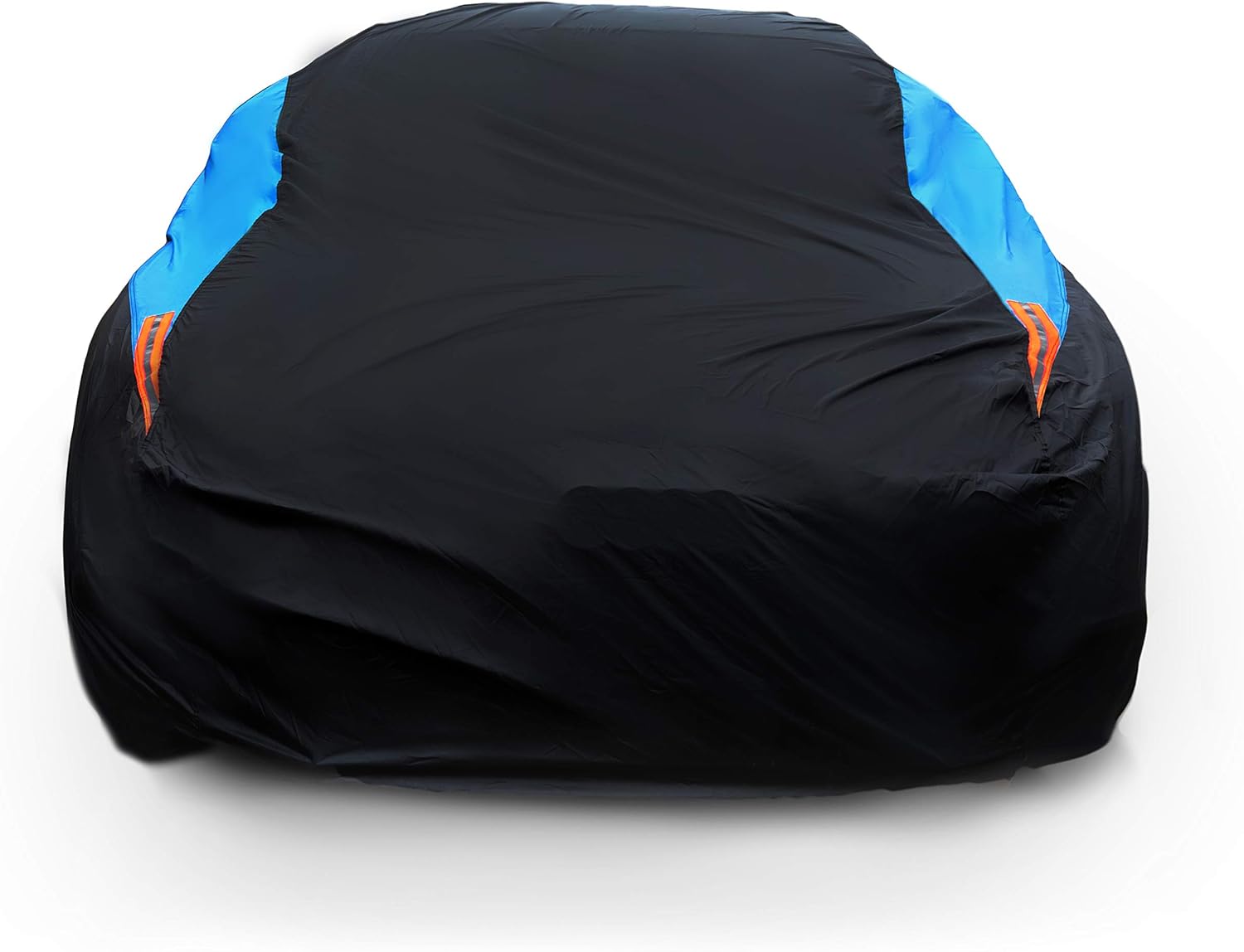
Covercraft vs Kayme Car Cover — Which One Actually Protects Your Car?
Quick Answer
Covercraft wins on protection and long-term fit because it builds each cover to your exact year, make, and model. Kayme wins on price, often costing less than half as much with a universal or semi-custom fit. Covercraft suits owners who park outside long-term. Kayme suits budget buyers who need decent protection for a season or two.
The real difference between Covercraft and Kayme:
- Covercraft custom-fits your exact vehicle; Kayme mostly sells universal-fit ranges
- Covercraft uses licensed fabrics like WeatherShield HP; Kayme uses a 7-layer PE and cotton build
- Kayme typically costs 50 to 70% less than a comparable Covercraft cover
I’m Daniel Brooks, and I’ve spent years testing outdoor car gear for daily-driven and weekend vehicles alike. I’ve fitted both custom and universal covers on sedans, trucks, and SUVs through full winters and brutal summer sun. Two brands come up constantly when readers ask which cover is worth buying: Covercraft and Kayme.
They look similar in photos. Both promise waterproofing, UV protection, and a snug fit. But they’re built for different budgets and different expectations. One is a custom-molded, made-to-order product from a company that’s built covers since the 1960s. The other is a low-cost, mostly universal-fit cover aimed at buyers who just want basic protection without spending real money.
This guide breaks down what each brand actually offers, where the money goes, and which one fits your situation. No vague “it depends” — you’ll know exactly which cover to buy by the end.
Product Overview: Covercraft
| ✅ Best for | Owners who park outdoors long-term and want an exact factory-style fit |
| ❌ Not ideal for | Buyers who just need occasional, short-term coverage on a tight budget — Kayme is the cheaper option there |
| 💰 Price | Roughly $150 to $450 depending on fabric line and vehicle — check Amazon for your specific fit |
Covercraft has manufactured vehicle covers in the United States since 1965. Every cover is custom-built for a specific year, make, and model rather than sold as one-size-fits-many. That’s the core of the brand’s pitch: a cover that follows your car’s exact body lines instead of flapping loosely in the wind.
The lineup spans several fabric tiers. WeatherShield HP, developed with fabric technology partner Nextec, is the flagship all-climate option built for year-round outdoor storage. Ultratect, made with Safety Components Fabric Technologies, sits in the mid-range and balances water resistance with a lower price. Form-Fit is a soft, fleece-lined indoor-only cover meant to protect paint from dust and light scuffs rather than weather.
Because every cover is made to order for a specific vehicle, pricing varies a lot by model and fabric choice — expect to pay considerably more than a universal cover, and expect a noticeably tighter fit in return.
Covercraft Pros and Cons
Product Overview: Kayme
| ✅ Best for | Budget buyers who want decent all-weather coverage without a custom price tag |
| ❌ Not ideal for | Owners who want an exact factory-tight fit — Covercraft’s custom build wins there |
| 💰 Price | Roughly $50 to $120 depending on vehicle size and fit type — check Amazon for your specific listing |
Kayme launched in 1999 as a smaller vehicle-protection brand focused on affordability. Most of its car covers use a 7-layer build: a thickened, waterproof polyethylene outer shell over a soft cotton inner lining meant to protect paint from scuffing.
Kayme sells both universal-fit covers, sized by your car’s overall length, and a growing range of semi-custom covers cut for specific models. The brand states its material resists temperatures down to -100°F, which matters if you’re storing a car through harsh winters. Standard features across most listings include a driver-side door zipper, front and rear windproof straps, reflective strips for nighttime visibility, and a storage bag.
Kayme covers sell for a fraction of Covercraft’s price, which is the brand’s whole appeal. You’re trading fit precision and brand pedigree for a much lower cost of entry.
Kayme Pros and Cons
Which Fits Better: Covercraft or Kayme?
Covercraft wins on fit. Every cover is patterned to a specific year, make, and model, so it follows your car’s body lines instead of billowing in wind. Kayme’s universal covers rely on car-length sizing, which leaves extra fabric that can flap and rub against paint over time.
A loose-fitting cover isn’t just cosmetic. Flapping fabric acts like sandpaper in windy conditions, and it can slowly dull a clear coat over months of daily wind exposure. Covercraft’s tight pattern avoids that problem almost entirely. Kayme’s semi-custom listings close part of that gap for specific popular models, but its universal range still trails a true custom pattern.
If you park outdoors in a windy area, that fit difference matters more than any spec sheet number. It’s the single biggest reason owners pay extra for a custom cover in the first place.
Which Protects Better in Bad Weather: Covercraft or Kayme?
Covercraft’s WeatherShield HP line is built specifically for year-round outdoor exposure, using a breathable fabric that blocks water while letting trapped moisture escape. Kayme’s 7-layer cover uses a waterproof polyethylene shell rated to handle extreme cold, paired with a cotton lining.
Both brands block rain and snow effectively at the entry level. The real gap shows up in breathability and long-term fabric fatigue. Covercraft’s premium fabrics are engineered to resist UV degradation and stay flexible after repeated freeze-thaw cycles. Kayme’s PE-based shell does the waterproofing job well, but PE fabrics generally show more stiffness and cracking after a few years of constant sun exposure compared to breathable, woven technical fabrics.
For a cover that lives outside year-round for 5+ years, Covercraft’s higher-tier fabrics hold up longer. For seasonal or short-term storage, Kayme’s weatherproofing is more than adequate.
Which Is the Better Value: Covercraft or Kayme?
Kayme wins on value for buyers who don’t need a decade of daily outdoor use. You get a genuinely waterproof, well-featured cover — zipper access, windproof straps, reflective strips — for a fraction of Covercraft’s price.
Covercraft’s value case is different: you’re paying for a cover designed to last years of continuous outdoor exposure without needing a replacement. If you’d otherwise buy two or three budget covers over the same period, the math starts to favor Covercraft’s higher upfront cost.
Neither price is fixed — both brands sell dozens of SKUs at different price points depending on your specific vehicle and fabric choice, so always check the current listing for your exact car before deciding.
Safety, Unique Features, and Durability: Covercraft vs Kayme
Covercraft wins on long-term durability because of its fabric engineering and exact fit, which reduces wear from flapping and friction. Kayme wins on a couple of practical everyday features that Covercraft’s base lineup doesn’t always include, like a standard driver-side door zipper and reflective strips on every listing.
A cover that’s too loose creates a real safety issue in high wind: it can partially detach and become a road hazard, or scratch the paint against trim and mirrors. Kayme’s windproof straps address this directly, and they’re a genuinely useful addition on a universal-fit product.
Never drive with any car cover partially attached, and always secure straps and grommets fully before leaving your vehicle in windy conditions — a loose cover can obstruct another driver’s view or cause a collision.
Covercraft offers mirror pockets and antenna grommets as part of the custom pattern rather than as an add-on. Kayme includes a storage bag with most covers, a small but appreciated touch for anyone tight on garage space.
Full Spec Comparison: Covercraft vs Kayme
| Spec | Covercraft | Kayme | Winner |
|---|---|---|---|
| Typical price range | $150–$450 | $50–$120 | Kayme |
| Fit type | Custom, per vehicle | Mostly universal, some semi-custom | Covercraft |
| Material construction | Multi-tier technical fabrics (WeatherShield HP, Ultratect, Form-Fit) | 7-layer PE shell + cotton lining | Covercraft |
| Cold weather rating | Strong (climate-specific fabrics) | Rated to -100°F | Tie |
| Door zipper access | Varies by model | Standard on most listings | Kayme |
| Storage bag included | Varies by model | Yes, standard | Kayme |
| Brand history | Since 1965, U.S.-based | Since 1999 | Covercraft |
Real-World Use Cases: Which One Wins?
Covercraft wins for long-term outdoor storage and daily-driven vehicles parked in the elements year-round. Kayme wins for budget-conscious buyers, seasonal storage, and second or project cars that don’t justify a premium cover.
- Daily driver parked outside year-round: Covercraft’s custom fit and durable fabric hold up to constant use.
- Weekend or classic car in a garage: Covercraft’s Form-Fit indoor line protects paint without the bulk of a weatherproof cover.
- Winter storage in a driveway: Both brands handle snow and cold well; Kayme’s -100°F rating and lower price make it a practical pick here.
- Second car or project vehicle: Kayme’s lower cost makes sense when the vehicle doesn’t justify a premium investment.
- Coastal or high-wind area: Covercraft’s tighter custom fit and windproof strapping options reduce flapping-related paint wear better over time.
- Renter or frequent mover with multiple vehicles: Kayme’s universal-fit sizing is easier to reuse across different cars than a vehicle-specific Covercraft pattern.
Is Paying More for Covercraft Worth It Over Kayme?
Yes, if you’re keeping the car outside for years — Covercraft’s fit and fabric durability justify the premium. No, if you need short-term or occasional coverage — Kayme delivers solid protection at a much lower entry cost.
The price gap between the two brands is substantial, often several times more for Covercraft’s custom-fit covers versus Kayme’s universal range. What that premium buys is a pattern cut to your exact vehicle and a fabric line engineered for multi-year outdoor exposure.
Watch for seasonal discounts on both brands — coupon codes and sale pricing show up regularly on Amazon listings for both Covercraft and Kayme, so it’s worth checking current pricing before buying at full price.
Who Should Buy Which?
Buy Covercraft if you want the closest thing to a factory-fit cover and plan to leave your car outside for years. Buy Kayme if you want solid, genuinely waterproof protection without spending custom-cover money.
- Park outdoors year-round for the long haul
- Want an exact, factory-style fit for your specific vehicle
- Own a car in a high-wind or coastal area
- Don’t mind paying more for fabric engineering and fit
- Need solid protection on a tight budget
- Only need seasonal or short-term coverage
- Have a second car or project vehicle
- Want a door zipper and storage bag included by default
- You only need a cover for one or two storms — a cheap disposable tarp-style cover makes more sense
- You park exclusively in a garage — an indoor dust cover like Covercraft’s Form-Fit line is a better fit than a full weatherproof cover
How to Maintain Your Car Cover
Let your cover dry completely before folding it away. Storing a damp cover traps moisture against the fabric and can lead to mildew, even on waterproof materials.
Wash both Covercraft and Kayme covers with mild soap and cool water — never a harsh detergent, which can strip water-repellent coatings over time. Air-dry fully before folding and storing in the included bag or a breathable container.
Check straps, grommets, and zippers every few months for wear, especially if the cover lives outside year-round. Replace worn elastic hems and straps promptly, since a loose-fitting cover is more likely to flap and scratch your paint.
Avoid storing the cover balled up wet in a trunk or garage corner. Fold it loosely and keep it somewhere ventilated between uses to extend its working life.
Final Verdict — Covercraft or Kayme: Which Should You Buy?
Covercraft is the better cover overall for anyone who wants a precise, factory-style fit and plans to leave their vehicle outside for years. Its custom pattern, technical fabric tiers, and decades of manufacturing experience justify the higher price for long-term outdoor use. Kayme is the smarter buy for anyone on a budget, needing seasonal coverage, or protecting a second vehicle. Its 7-layer waterproof build, door zipper, and windproof straps deliver real functionality at a fraction of the cost. If you need the tightest possible fit and long-term durability, go with Covercraft. If budget and simplicity matter more, Kayme gets the job done.
Both brands sell across a wide range of vehicle sizes and fabric options, so confirm the exact listing and price for your specific vehicle before buying.
Frequently Asked Questions
Which is better, Covercraft or Kayme?
Covercraft is better for fit and long-term outdoor durability because it custom-builds each cover to your vehicle. Kayme is better for value, costing far less while still offering solid waterproofing. The right choice depends on your budget and how long you’ll use the cover outdoors.
What is the main difference between Covercraft and Kayme car covers?
Covercraft custom-patterns covers to your exact vehicle using premium technical fabrics. Kayme mostly sells universal or semi-custom covers using a 7-layer polyethylene and cotton build. The core trade-off is fit precision and fabric grade versus price.
Is Covercraft worth the extra money over Kayme?
It’s worth it if you park outside long-term, since the custom fit and fabric engineering reduce wear and last longer. It’s not worth it for occasional or short-term use, where Kayme’s lower price makes more practical sense.
Does Kayme’s car cover work well in cold weather?
Yes, Kayme states its material resists temperatures down to -100°F, making it snow and frost resistant. This makes it a genuinely practical option for winter driveway storage without paying for a premium cold-weather fabric.
Do Covercraft and Kayme covers include a storage bag?
Most Kayme covers include a storage bag as a standard feature. Covercraft’s inclusion varies by specific model and fabric line, so check the individual listing before you buy.
Affiliate Disclosure:
As an Amazon Associate, I earn from qualifying purchases.
If you click a link on this page and make a purchase,
I may receive a small commission — at no extra cost to you.
I only recommend products I genuinely believe will help you.
This helps keep the site free and running. Thank you for your support.

Daniel Brooks is an automotive writer and product researcher focused on car accessories, car tech, maintenance, and practical driving guides. At Plug-in Car World, he helps drivers make smarter automotive decisions through honest reviews and research-driven content.