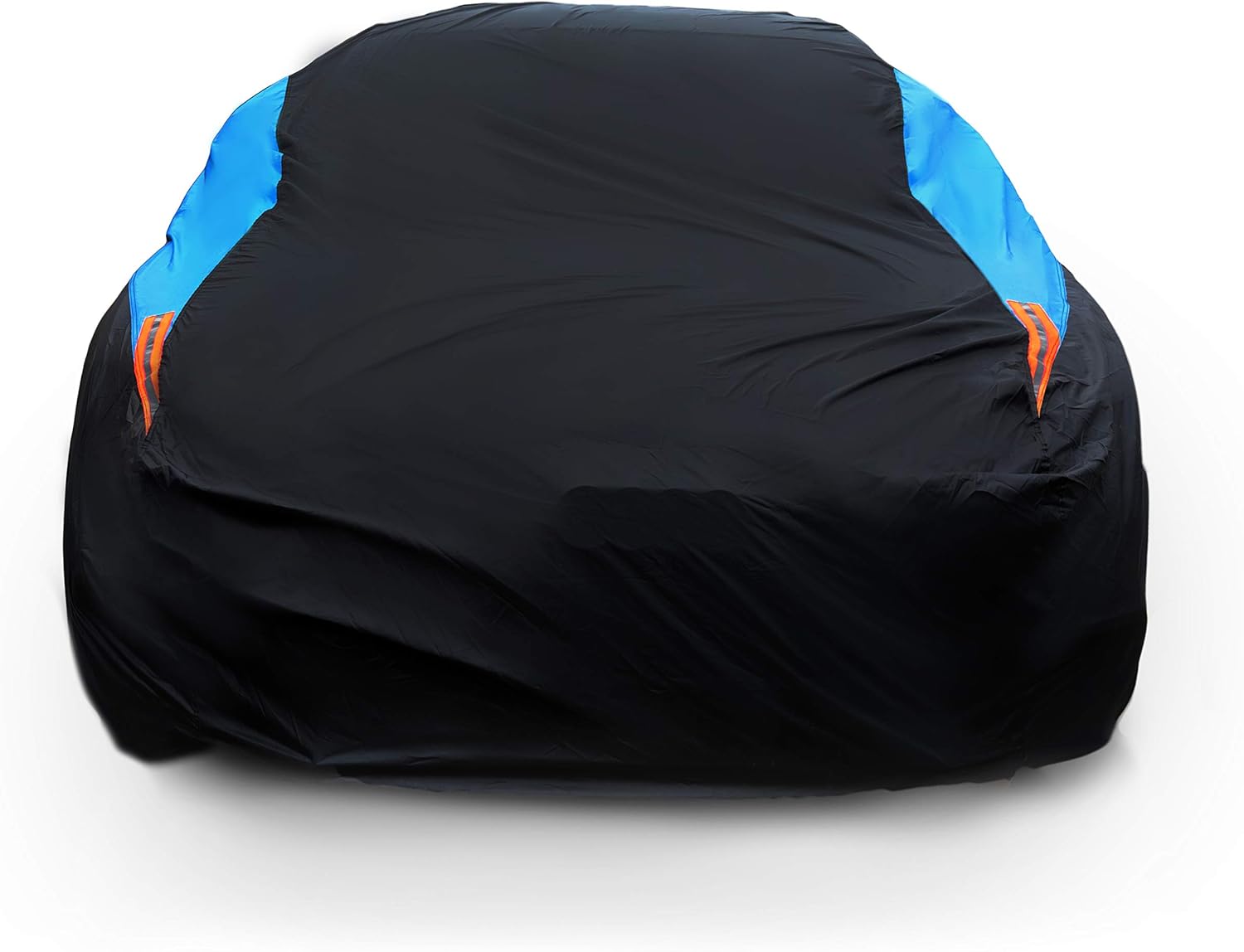
How to Prevent Rust Under a Car Cover (2026 Guide)
⚡ Quick Answer
A car cover only causes rust when it traps moisture against the paint. Dry your car fully, choose a breathable fabric, and let air move underneath, and a cover becomes a rust shield instead of a rust trap.
Steps to stop rust under your car cover
- 1Wash and fully dry the car before covering it
- 2Pick a breathable, waterproof fabric, not a tarp
- 3Pull the cover off regularly so air can reset underneath
Mistakes that trap moisture and cause rust
- ✓Covering a wet or dirty car
- ✓Using a plastic tarp instead of fabric
- ✓Leaving the cover on for months untouched
Your hand brushes the fabric of your car cover and it feels damp underneath, even though it hasn’t rained in days. Daniel Brooks has seen this exact moment turn into a six-month rust bill more times than he can count. A car cover should protect your paint, not trap water against it.
The good news is that car covers don’t cause rust by themselves. Moisture trapped under the wrong cover does. Once you know how condensation forms and how to stop it, your cover goes back to being a rust-prevention tool instead of a hidden threat. Here’s exactly how to get it right.
📌 Key Takeaways
- →Wet covers are the single biggest cause of rust forming under a car cover.
- →Breathable fabric covers let trapped vapor escape while still blocking rain.
- →Plastic tarps seal in condensation and speed up corrosion instead of stopping it.
- →The undercarriage rusts faster than any other part because air rarely reaches it.
Can a Car Cover Actually Cause Rust?
Yes, a car cover can cause rust, but only when it traps moisture against the metal. Rust forms when iron meets oxygen and water, a reaction called oxidation. A cover that seals in dampness creates the exact wet, stagnant air that speeds this process up.
Most rust-from-covers stories start the same way. Someone covers a car right after rain, or right after a wash, without drying it first. The water has nowhere to go.
So what does that mean for you? If you always dry the car before covering it, that single habit removes most of the risk on its own.
⚠️ Warning
Never cover a car while it’s still wet from rain or washing. Trapped water under a sealed cover can start visible corrosion in weeks, not months.
Breathable vs. Waterproof: Which Cover Stops Rust?
A breathable, water-resistant cover stops rust better than a fully waterproof one. Breathable fabrics use tiny pores that block rain drops but let water vapor pass through, so condensation never builds up underneath. A 100% waterproof plastic or vinyl tarp blocks everything, including the moisture already trapped inside.
Breathable car covers allow trapped moisture to evaporate while blocking external water, helping to prevent rust, especially in humid or coastal environments. That’s the whole trick: airflow out, rain blocked, no standing moisture left behind.
Here’s how the two main cover types compare for rust protection.
| Feature | Plastic Tarp | Breathable Fabric Cover ✓ Best |
|---|---|---|
| Blocks rain | Yes | ✓ Yes |
| Lets moisture escape | No | ✓ Yes |
| Risk of trapped condensation | High | ✓ Low |
If your cover doesn’t say “breathable” on the label, treat it like a tarp and remove it more often.
How Do I Prepare My Car Before Covering It?
Wash the car, rinse the undercarriage, and let it air dry completely before the cover goes on. Skipping any of these three steps is the fastest way to lock moisture, salt, or grime against the paint and metal.
🔢 Step-by-Step: Prep Before Covering
-
1
Wash the full exterior
Remove dirt, bird droppings, and road salt before they sit under the cover.
-
2
Rinse the undercarriage
Use a pressure washer to clear salt and grime from wheel wells and the frame.
-
3
Let the car air dry fully
Give it at least an hour in open air, longer in humid weather.
-
✓
Apply the cover
Your car and the cover’s inner lining are both dry, so no moisture gets sealed in.
That’s not all. Don’t put any type of car cover on your vehicle until it’s fully dried, since covering a damp car can trap moisture inside and potentially kick-start the rust process. This single rule causes more cover-related rust complaints than any fabric choice ever does.
Why Does the Undercarriage Rust Faster Under a Cover?
The undercarriage rusts faster because it rarely gets direct sunlight or airflow, even without a cover. Add a sealed cover on top, and that already-damp, shaded space loses its last chance to dry out.
The underside of your car carries a higher risk of corrosion because it tends to stay wet longer after a rainstorm, since sunlight can’t reach it to dry it out. A cover that traps air against that zone only makes the problem worse.
✅ Tip
If you’re storing a car long-term outdoors, raise it slightly on blocks or pavement rather than dirt or grass, so ground moisture can’t wick upward into the frame.
How Often Should I Remove the Car Cover to Prevent Rust?
Pull the cover off at least once a week for daily-use cars, and once every two to four weeks for long-term storage. Letting fresh air reach the paint resets humidity levels before they can cause damage.
Here’s why that matters: even a breathable cover slows airflow compared to no cover at all. A weekly check lets you spot any dampness or early rust spots while they’re still easy to fix.
✓ Weekly Car Cover Check
- ✓Lift the cover and feel for dampness underneath
- ✓Check wheel wells and door seams for early rust spots
- ✓Let the cover itself air out before refitting it
What Most People Get Wrong About Car Covers and Rust
Myth one: car covers always cause rust. That’s not true. Vehicle rust is usually not visible at first, and oxidation often takes hold in areas of the car that aren’t obvious, particularly the undercarriage and inner components. The cover isn’t the hidden cause, trapped moisture is, and the two only overlap when prep steps get skipped.
Myth two: any cheap tarp will do the job. A tarp blocks rain but also blocks the moisture already trapped underneath from escaping, turning your cover into a greenhouse for rust.
Myth three: washing your car more often causes rust. In reality, washing clears out dirt and impurities that accelerate metal corrosion, and this is especially true in winter when salt builds up on the roads. Regular washing paired with full drying protects the paint, it doesn’t damage it.
Conclusion
A car cover only turns into a rust problem when it locks in moisture that has nowhere to go. Dry your car completely, choose a breathable fabric over a plastic tarp, and pull the cover off regularly so air keeps moving underneath. One thing to do right now: go check your current cover, and if it doesn’t say “breathable” on the label, plan to remove it at least twice a week until you can replace it.
Frequently Asked Questions
Do car covers cause rust?
Only when moisture gets trapped underneath. A dry car under a breathable cover stays protected, while a wet car under a sealed plastic tarp is at real risk of corrosion.
Is it bad to leave a car cover on all the time?
Yes, leaving it on without ever removing it can trap humidity over time, even with a breathable fabric. Take it off weekly so the paint and undercarriage get fresh air.
Can I cover my car if it’s still wet?
No, you should never cover a wet car. The trapped water has no way to escape and creates the exact damp environment that speeds up rust.
What’s the best material for a rust-preventing car cover?
A breathable, water-resistant fabric like treated polyester works best. It blocks rain while letting trapped water vapor escape, unlike vinyl or plastic tarps.
Does the undercarriage need extra protection if I use a car cover?
Yes, a cover protects the top and sides, not the underside. Pair it with regular undercarriage washing and a rust-inhibiting coating for full protection.
How do I know if moisture is trapped under my car cover?
Lift the cover and check for dampness, a musty smell, or condensation on the paint. Any of these signs mean it’s time to dry the car and air out the cover.
Are indoor car covers different from outdoor ones for rust prevention?
Indoor covers are lighter and mainly block dust, since indoor humidity is usually lower. Outdoor covers need true breathable, water-resistant fabric to handle rain and condensation.

Daniel Brooks is an automotive writer and product researcher focused on car accessories, car tech, maintenance, and practical driving guides. At Plug-in Car World, he helps drivers make smarter automotive decisions through honest reviews and research-driven content.