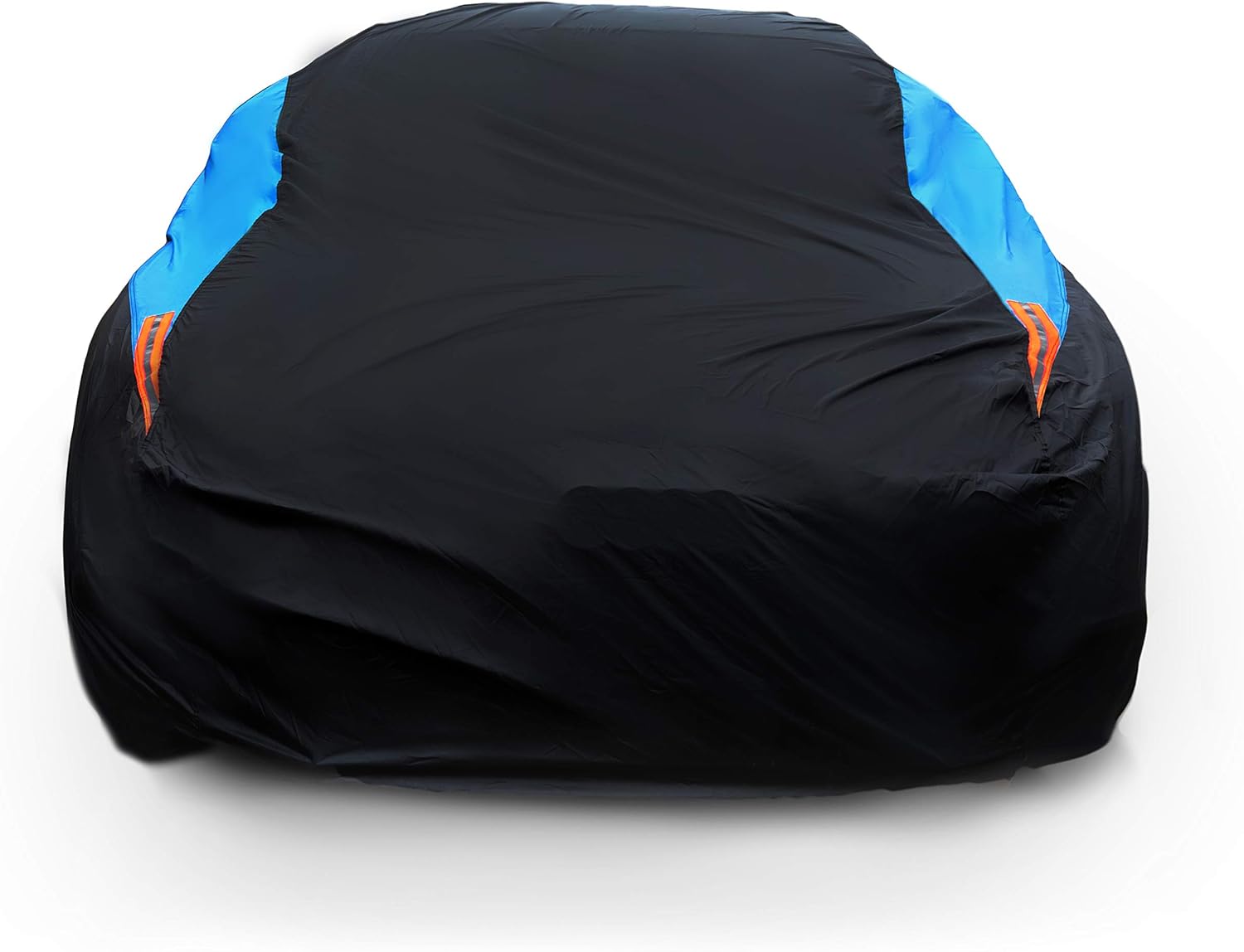
How to Prevent Car Cover Fading: 7 Proven Ways to Keep It Looking New
⚡ Quick Answer
You can stop a car cover from fading by limiting how long it sits in direct sun, washing it with mild soap instead of harsh chemicals, drying it fully in the shade, and storing it folded in a dry bag. Most fading comes from UV breakdown, not normal wear, so blocking that exposure is the real fix.
How to slow car cover fading
-
1
Park in shade or a garage whenever you can. -
2
Wash with mild soap, never bleach or solvents. -
3
Air dry it fully in shade before folding it away.
Mistakes that speed up fading
-
✓
Drying the cover in direct sun -
✓
Using bleach or strong detergent -
✓
Folding it away while still damp
Daniel Brooks has watched plenty of car covers turn from deep gray to a chalky, sun-bleached white in a single summer. It happens slowly, then all at once. One day the cover looks fine. A few months later, the color is patchy and the fabric feels stiff instead of soft.
That fading isn’t random. It’s a direct result of UV exposure, harsh washing, and improper drying. The good news is that every one of those causes is preventable with a few simple habits.
Below, you’ll find exactly why car covers fade, the step-by-step routine that stops it, and what to look for if you’re shopping for a more fade-resistant cover.
📌 Key Takeaways
-
→
UV rays are the leading cause of car cover fading, not normal aging. -
→
Harsh detergents and bleach strip the protective coating that resists fading. -
→
Drying in direct sun undoes the protection a wash just gave the fabric. -
→
Darker covers absorb more heat and tend to fade faster than light gray or silver ones.
Why Do Car Covers Fade in the First Place?
Car covers fade because UV radiation breaks down the dye molecules and the fibers that hold them. Heat speeds this up, and repeated wash-and-dry cycles can wear away any factory UV coating over time. So if your cover sits outside daily, fading is a matter of when, not if.
Sunlight doesn’t just look bright. It carries ultraviolet wavelengths strong enough to break chemical bonds in fabric dye. The EPA’s UV Index scale shows that even moderate daily UV exposure adds up fast, especially in regions with long sunny seasons.
Here’s why that matters for you: a cover left outside through a full summer can take in months of cumulative UV exposure. The damage doesn’t reverse once the color fades, so prevention always beats trying to fix it later.
But here’s the thing — not all fading comes from the sun alone. Cleaning habits play a bigger role than most people realize.
How a fabric is processed and treated changes how much UV radiation actually passes through and reaches the dye underneath. Research on fabric processing and UV transmission found that certain chemical treatments, like bleaching, weaken a fabric’s natural resistance to UV penetration. That’s one more reason bleach has no place in your car cover’s wash routine.
⚠️ Warning
Bleach and harsh detergents don’t just risk discoloring your cover. They strip the UV-resistant coating, making future fading happen even faster.
How to Prevent Car Cover Fading: Step-by-Step
The fastest way to prevent fading is to control three things: sun exposure, wash chemicals, and drying conditions. Get those right and most covers stay vibrant for years instead of fading within one season.
🔢 Step-by-Step: Stop Car Cover Fading
-
1
Park in shade first
Garages, carports, or tree shade cut direct UV exposure dramatically, even with the cover on.
-
2
Wash with mild soap only
Skip bleach, alcohol, and fabric softener. A gentle, bleach-free detergent keeps the protective layer intact.
-
3
Rinse thoroughly
Leftover soap attracts dirt and can weaken fibers, so rinse twice with clean water.
-
4
Air dry in the shade
Hang the cover under cover or indoors. Direct sun while drying causes fast, uneven fading.
-
✓
Store it fully dry
Fold and store in a breathable bag once completely dry. Your cover is now protected against the cycle that causes fading.
Choosing a Fade-Resistant Car Cover Material
Some car cover materials resist fading far better than others. If your current cover fades quickly no matter how well you care for it, the material itself may be the real problem.
This table compares how common car cover materials hold up against UV exposure over time.
Multi-layer polypropylene and treated polyester consistently outlast cotton blends when the cover is used outdoors year-round.
You might be thinking a darker cover hides dirt better, so why not pick one? Here’s why that backfires: dark colors absorb more heat, and heat speeds up the same chemical breakdown that causes fading. A lighter gray or silver cover stays cooler and typically holds its color longer.
Recommended Product
Budge Ultra Duro Car Cover, 3-Layer UV & Water Resistant Outdoor Protection
Highly rated on Amazon
Built with three layers of UV-resistant polypropylene specifically to fight fading, plus a soft, non-abrasive inner layer that protects your paint at the same time.
As an Amazon Associate, we earn from qualifying purchases.
How to Wash a Car Cover Without Causing Fading
Washing actually causes a lot of the fading people blame on the sun. The fix is simple: gentle products, gentle motion, and a thorough rinse every time.
✓ Safe Washing Checklist
-
✓
Check the care tag before machine washing -
✓
Use cold water and a front-load machine with no center agitator -
✓
Skip bleach, fabric softener, and alcohol-based cleaners -
✓
Rinse twice to remove all soap residue
So if you’re washing your cover every few months like most owners do, this routine alone can add years to its color life.
Best Way to Store and Dry Your Car Cover
Drying and storage matter just as much as washing. A cover dried in full sun loses ground fast, even if the wash itself was gentle.
✅ Tip
Hang the cover on a wide line in a shaded, ventilated spot, and flip it once so both sides dry evenly without baking in the sun.
That’s not all. Storing the cover before it’s fully dry traps moisture, which leads to mildew and a dingy, discolored look that mimics fading. Always confirm it’s bone dry before folding it into its bag.
What Most People Get Wrong About Car Cover Fading
Most owners assume fading is just inevitable wear. In reality, it’s almost always tied to three preventable habits.
Misconception 1: “All car covers fade at the same rate.” Material and color make a major difference. A treated, light-colored multi-layer cover can outlast an untreated dark one by years.
Misconception 2: “Washing more often prevents fading.” Over-washing with the wrong products does the opposite. It’s the chemicals and drying method that matter, not the frequency.
Misconception 3: “A car cover doesn’t need its own protection.” A cover absorbs sun damage so your paint doesn’t have to. Treating it like a disposable item just means replacing it more often.
Fading isn’t bad luck. It’s the predictable result of UV exposure, harsh cleaning, and improper drying working together over time. Control those three factors and your cover holds its color for years instead of months.
The payoff is simple: a cover that still looks sharp keeps doing its job, protecting your paint from the same sun damage it’s fighting off itself.
One thing to do right now: check your cover’s care tag and confirm you’re not washing it with bleach or drying it in direct sun. That single change stops the most common cause of fading.
Frequently Asked Questions
How long does it take for a car cover to fade?
A cover left outside daily without care can show visible fading within one summer. With shade, gentle washing, and proper drying, that same cover can hold its color for several years.
Can a faded car cover be restored?
UV-related color loss in the dye itself is permanent. A deep clean can remove dirt that makes fading look worse, but it won’t bring back the original color.
Does a car cover color affect how fast it fades?
Yes. Darker covers absorb more heat, which speeds up the chemical breakdown behind fading. Lighter gray or silver covers tend to hold their color longer.
Is it safe to machine wash a car cover?
Most covers are machine washable in cold water on a gentle cycle, but always check the care tag first. Use a front-load machine without a center agitator to avoid stretching the fabric.
Should I dry my car cover in the sun?
No. Drying in direct sun exposes the cover to the exact UV rays you’re trying to protect it from. Always air dry it in a shaded, ventilated area instead.
What car cover material resists fading best?
Multi-layer polypropylene and UV-treated polyester resist fading far better than untreated cotton blends, especially for vehicles parked outdoors year-round.
How often should I clean my car cover to prevent fading?
Every few months is enough for most drivers. Cleaning more often with the wrong products can do more harm than good, so focus on technique over frequency.

Daniel Brooks is an automotive writer and product researcher focused on car accessories, car tech, maintenance, and practical driving guides. At Plug-in Car World, he helps drivers make smarter automotive decisions through honest reviews and research-driven content.