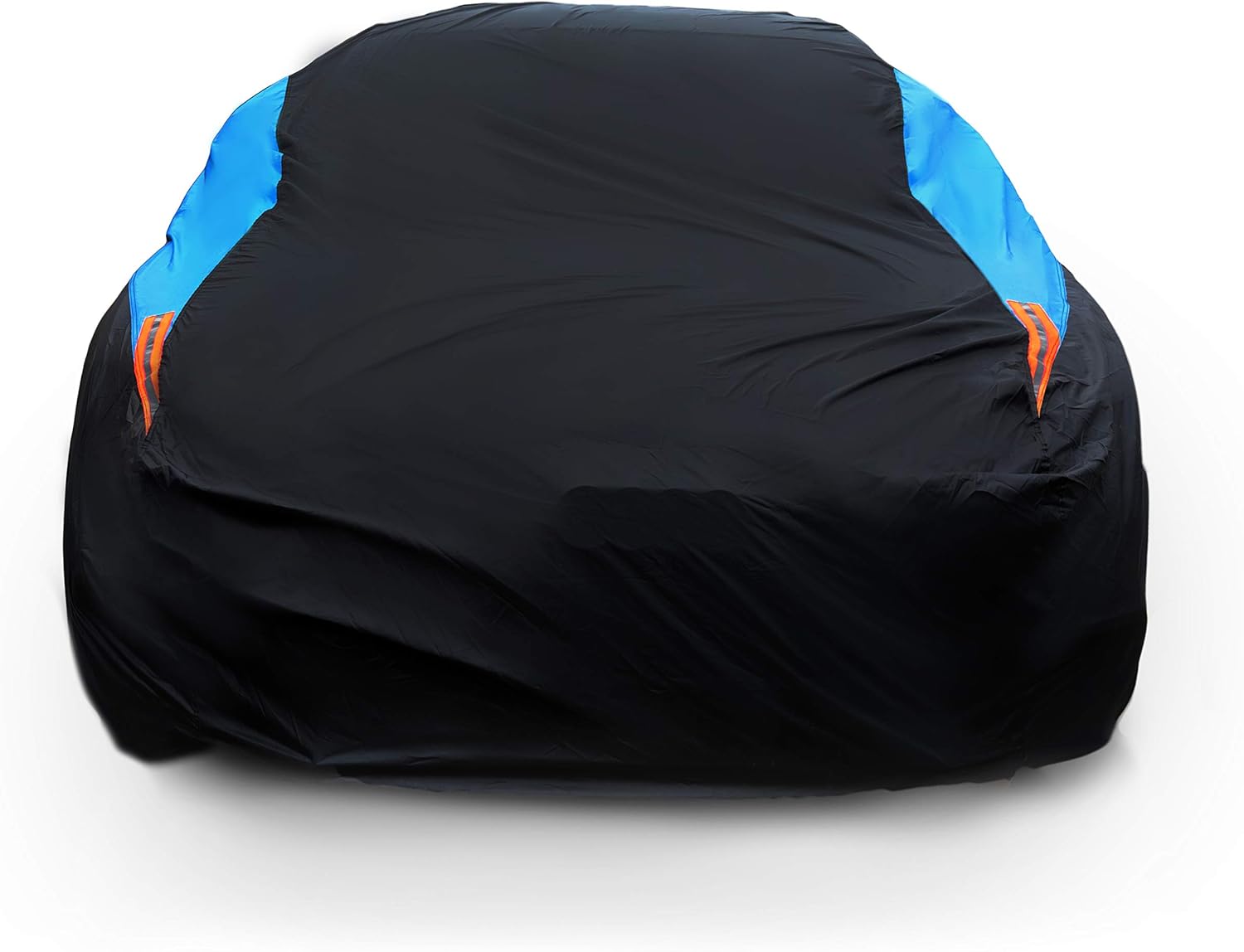
Why You Should Never Store a Wet Car Cover
Quick Answer
A wet car cover traps moisture against your paint instead of blocking it. That trapped water feeds mold and mildew in as little as 24 to 48 hours, and it can leave water spots or corrosion on the body panels underneath.
Why a Wet Cover Turns Into a Problem
- Trapped moisture: A folded wet cover has nowhere for water to evaporate.
- Mold spores: They need only damp fabric and darkness to multiply fast.
- Fabric breakdown: Repeated damp storage rots fibers and weakens breathability.
Do This Instead Before You Store It
-
✓
Air-dry the cover fully on a line or rack first -
✓
Never fold it while damp, even for one night -
✓
Store it in a breathable bag, never sealed plastic
Daniel Brooks has pulled plenty of car covers off storage shelves smelling like a wet basement. It’s a bad surprise, especially if the cover looked fine when you put it away. That musty smell almost always means one thing: it went into storage still damp.
A car cover’s whole job is to keep water off your paint. Fold it up wet, though, and it does the opposite. It becomes a sealed pocket of moisture that sits against fabric for weeks. Mold doesn’t need much time to move in.
Here’s what actually happens inside that folded cover, how fast it turns bad, and the simple fix that stops it from ever happening again.
📌 Key Takeaways
-
→
Mold colonies can form on damp fabric in as little as 24 to 48 hours. -
→
A musty smell is usually the first sign mold has already started growing. -
→
Trapped water under a folded cover can cause water spots and corrosion on paint. -
→
Breathable covers still trap moisture if you fold and store them wet.
Why You Should Never Store a Wet Car Cover
A wet car cover stores moisture the same way a damp towel does in a gym bag. So instead of protecting your car, it starts breeding mold against the fabric. That fabric is exactly the material designed to sit against your paint next time you use it.
You already know a wet towel left in a bag smells bad within a day. A car cover works the same way, only the fabric layers make it worse. Folding a cover traps air pockets full of moisture between the layers, and none of that moisture has anywhere to go.
Here’s the part most people don’t expect: even a high-end breathable cover loses its breathability once it’s folded and zipped into a bag. Breathability only works when the cover is open and exposed to air. Fold it wet, and you’ve built a small greenhouse for mold.
⚠️ Warning
Never assume “it’ll dry out on its own” once it’s folded in a bag. Folded fabric blocks airflow, so trapped moisture stays wet for weeks.
You might be thinking your cover felt “mostly dry” when you put it away. Here’s why that matters: even light dampness from morning dew is enough moisture for mold spores to latch onto and start growing.
How Fast Mold Forms on a Damp Cover
Mold can start growing on a damp car cover in as little as 24 to 48 hours. That’s not a worst-case number. It’s the same timeline health experts use for water-damaged materials in general.
You already know mold shows up fast on wet bread or forgotten laundry. A car cover isn’t much different once it’s damp, dark, and folded shut. It has exactly the three things mold needs: moisture, warmth, and no airflow.
This shows how quickly moisture turns into a mold problem once a cover goes into storage damp.
24-48
Hours until mold can start growing
60%
Humidity level that keeps mold from spreading
1-3
Months between cover washes to stop buildup
The EPA’s guide to mold and moisture control confirms that drying wet materials within 24 to 48 hours is the key step for preventing mold growth of any kind. That rule applies just as much to a folded car cover as it does to a flooded carpet.
So if you’ve stored a cover damp for even a weekend, check it now. Waiting longer only gives mold more time to spread through the fabric.
Why Your Car Cover Smells Musty
That musty smell means mold or mildew has already started growing inside the fabric. It’s usually your first warning sign, even before you see any spots.
You’ve probably smelled this before in a damp basement or an old gym bag. It’s the same biological process: mold releases a distinct earthy, sour odor as it breaks down organic material, including cotton fibers and dust trapped in the weave.
Here’s the surprising part. The smell often shows up before visible mold does. So by the time you notice the odor, the mold is already established, even if you can’t see a single spot yet.
✅ Tip
If your cover smells musty, wash it right away with mild detergent, then air-dry it fully before it touches your car again.
So if you catch the smell early, you can usually fix it with a wash and a full dry. Wait too long, and the mold can work its way deeper into the fibers, which is much harder to reverse.
How to Dry a Car Cover the Right Way Before Storing It
The right way to dry a cover is to hang it fully open in fresh air, not fold it while damp, and check both sides before storing it. This takes 30 minutes to a few hours depending on humidity.
You already dry laundry by hanging it open, not stuffing it in a drawer damp. A car cover needs the exact same open-air treatment, just on a bigger scale.
🔢 Step-by-Step: Drying Your Car Cover Before Storage
-
1
Shake it out first
Remove loose dirt and debris before drying so nothing gets trapped in the fibers.
-
2
Hang it fully open
Use a line, fence, or garage rack so air reaches every part of the fabric.
-
3
Flip it and check the underside
The inner lining dries slower than the outer shell, so give it extra time.
-
✓
Touch-test before folding
If any spot feels cool or damp, it’s not ready. Fold only once it’s bone dry.
Never put a car cover away just because it “feels dry on top.” So if you’re rushing, dry the underside last, since that’s where dampness hides the longest.
The Right Way to Store a Dry Car Cover
Store a fully dry cover in a breathable bag, in a cool and dry space, away from sunlight. Never seal it in airtight plastic, even if it feels dry.
You already know airtight plastic traps humidity, the same way a sealed sandwich bag sweats in the fridge. A car cover reacts the same way if you seal it up, even when it looks dry to the touch.
✓ Car Cover Storage Checklist
-
✓
Cover is completely dry, inside and out -
✓
Stored in a breathable cotton or canvas bag -
✓
Kept away from direct heat and sunlight -
✓
Checked once a month if stored long-term
Manufacturer guidance from Covercraft backs this up directly: their manufacturer storage guidance recommends a breathable cotton or canvas bag and warns against sealed plastic unless it’s ventilated. So a $10 breathable bag can protect a $200 car cover far better than the plastic tote sitting in your garage.
What Most People Get Wrong About Storing Car Covers
📋 Common Car Cover Storage Mistakes
-
“Breathable means it can’t grow mold”: Breathable fabric still traps moisture once it’s folded and sealed away. -
“A quick sun dry is enough”: Surface heat can dry the outside while the inner lining stays damp. -
“Plastic bins keep it safest”: Sealed plastic blocks airflow and can trap in any leftover moisture.
A wet car cover isn’t just an inconvenience. It’s the fastest way to turn a paint-protecting tool into a mold factory. Dry it fully, store it in a breathable bag, and check it once a month if it sits for a while.
The good news is this problem is completely avoidable with one habit: never fold it away until it’s bone dry. That single step saves you the smell, the scrubbing, and the risk to your paint.
One thing to do right now: go check your stored car cover. If it feels even slightly damp or smells musty, pull it out and hang it to dry today.
Frequently Asked Questions
Can you put a car cover on a wet car?
No, it’s best to avoid this. Water gets trapped between the cover and the paint, which can cause water spots, corrosion, and mildew. Dry the car first, then cover it.
Can mold on a car cover damage paint?
Yes. Mold and trapped moisture can lead to water spots, staining, and in some cases corrosion on the body panel underneath the cover if it sits there long enough.
How do I get mold out of a car cover?
Wash it with a mix of mild detergent and water, or a water and white vinegar solution for stubborn spots. Let it sit briefly, rinse thoroughly, then air-dry completely before using it again.
How often should I clean my car cover?
Every one to three months for covers used outdoors. Dirt and grime reduce breathability over time, which makes it easier for trapped moisture to cause mold and mildew.
Does a breathable cover still trap moisture if folded wet?
Yes. Breathability only helps while the cover is open and exposed to air. Folded and stored wet, it traps moisture just like any other fabric.
What’s the best way to store a car cover?
Store it fully dry in a breathable cotton or canvas bag, kept in a cool, dry spot away from direct sunlight and extreme heat. Avoid sealed plastic containers.
Why does my car cover smell musty after storage?
A musty smell almost always means mold or mildew has started growing in the fabric. It usually shows up before visible spots, so it’s a sign to wash and dry the cover right away.

Daniel Brooks is an automotive writer and product researcher focused on car accessories, car tech, maintenance, and practical driving guides. At Plug-in Car World, he helps drivers make smarter automotive decisions through honest reviews and research-driven content.