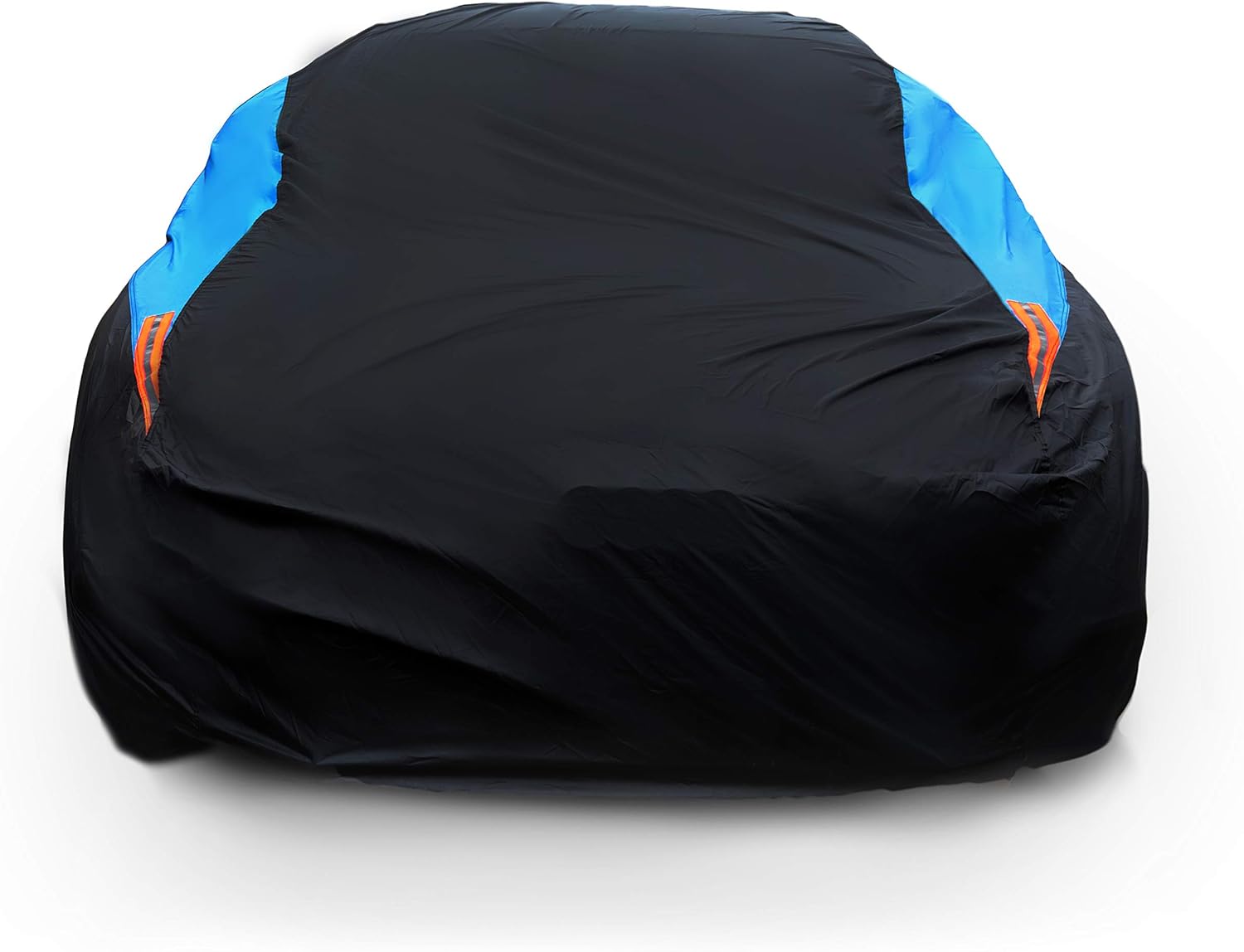
How to Waterproof a Car Cover Again (Easy Fix)
To waterproof a car cover again, clean it thoroughly with a mild detergent, let it dry completely, then apply a spray-on DWR (Durable Water Repellent) product like 303 Fabric Guard or Nikwax TX.Direct. Spray evenly across the outer surface and allow it to air dry or heat-set with low warmth.
Your car cover stops beading water. Rain soaks right in. The cover feels heavy and wet. Sound familiar?
I’m Daniel Brooks, and I’ve tested and maintained car covers for years. When a cover loses its waterproofing, most people think it’s time to buy a new one. It’s not. You can restore it yourself in under an hour — and it works just as well as new.
Here’s everything you need to know to get your car cover waterproof again, fast.
- Car covers lose waterproofing due to dirt, UV exposure, and repeated washing — not just age.
- The protective coating is called DWR (Durable Water Repellent) and it can be reapplied at home.
- Clean the cover before re-treating — dirty fabric won’t bond with the new coating.
- Spray-on DWR products work better than wash-in formulas for car covers.
- You should re-treat a car cover every 6 to 12 months depending on outdoor exposure.
Why Does a Car Cover Lose Its Waterproofing?
A car cover loses waterproofing when its DWR coating breaks down. DWR stands for Durable Water Repellent — the thin chemical layer applied to the outer fabric at the factory.
DWR (Durable Water Repellent) is a microscopic coating on fabric fibers that causes water droplets to bead up and roll off, instead of soaking into the material.
Several things destroy this coating faster than normal wear:
- Dirt and grime buildup — particles clog the coating and flatten the surface tension
- Harsh detergents — bleach, fabric softeners, and alkaline soaps strip DWR on contact
- UV exposure — prolonged sunlight degrades the chemical bonds in the coating
- Repeated friction — putting on and removing the cover scrubs the outer fabric over time
- High-heat drying — tumble drying on high heat can break down the DWR permanently
According to REI’s expert DWR guide, DWR degrades from a combination of dirt and oil buildup, abrasion, and improper washing — not just age. That’s good news. It means the fix is usually simple.
The tell-tale sign is easy to spot. Pour a small amount of water on your cover. If it beads up and rolls off, the DWR is still working. If it spreads out and soaks in, the coating is gone.
What You Need to Re-Waterproof a Car Cover
Gather these supplies before you start. Using the wrong products ruins the fabric.
- Mild pH-neutral detergent — Woolite or a dedicated fabric cleaner works best
- Soft-bristle brush or sponge — for scrubbing without scratching the fibers
- Garden hose with spray nozzle — for rinsing thoroughly
- Spray-on DWR treatment — 303 Fabric Guard, Nikwax TX.Direct, or similar
- Clean dry surface or clothesline — for drying the cover flat
Never use regular dish soap, bleach, or fabric softener on a car cover. These strip the DWR coating instantly and can permanently damage waterproof fabrics. Once the coating is chemically destroyed, it won’t bond correctly with new treatment products.
How to Re-Waterproof a Car Cover: Step-by-Step
Follow these steps in order. Skipping the cleaning phase is the most common mistake — and it makes the re-treatment fail.
- Lay the car cover flat on a clean surface or drape it over your vehicle.
- Rinse the entire cover with a garden hose to remove loose dirt and debris.
- Mix a small amount of pH-neutral detergent into a bucket of cool water.
- Scrub the cover gently with a soft brush, working in small sections from top to bottom.
- Rinse completely until no soap residue remains — leftover detergent destroys DWR.
- Allow the cover to air dry fully — do not use high heat or a tumble dryer.
- Once dry, shake the DWR spray product and apply it evenly across the outer surface.
- Let the treatment dry completely before putting the cover back on your car.
One thing most guides skip: check the seams after applying the DWR spray. Seams are the weakest point on any cover. Give them an extra pass with the spray, held about 6 inches away. That’s where water entry starts on most older covers.
If your cover has been leaking water through, not just losing its bead, you may need to read more about how to fix a car cover that leaks water — the fix is slightly different when water is penetrating the fabric itself.
Spray-On vs. Wash-In DWR: Which Works Better for Car Covers?
Spray-on DWR products outperform wash-in formulas for car covers. Here’s why that matters.
Wash-in treatments coat both the inside and outside of the fabric. For a jacket, that’s manageable. For a car cover, it risks clogging the soft inner lining that protects your paint. A coated inner lining traps moisture instead of wicking it away.
Spray-on DWR goes exactly where you point it — the outer surface only. You control coverage. You can focus on seams, corners, and high-wear areas without saturating the interior.
| Feature | Spray-On DWR | Wash-In DWR |
|---|---|---|
| Application control | High — target specific areas | Low — coats entire fabric |
| Risk to inner lining | None | Can clog soft inner fleece |
| Best for seams | Yes — targeted coverage | Less effective |
| Ease of use | Easy — no machine needed | Requires washing machine |
| Drying requirement | Air dry or low heat | Heat activation needed |
| Recommended for car covers | Yes | Not recommended |
Spray-on DWR treatments like 303 Fabric Guard are widely available and easy to apply without specialized equipment. A single can typically covers a full-size car cover with enough left over for a second application later.
You can find a good spray-on waterproof fabric treatment that works on most car cover materials, including polyester, polypropylene, and woven outdoor fabrics.
How to Clean a Car Cover Before Re-Waterproofing
Cleaning is the most important step. New DWR won’t bond to a dirty surface — the treatment just washes off.
If you’re not sure of the safest cleaning method for your specific cover, take a look at our full guide on how to clean a car cover without damaging it before you begin the waterproofing process.
Here’s what to focus on during cleaning for re-waterproofing specifically:
- Use cool or lukewarm water only — hot water loosens fabric weaves and distorts protective layers
- Rinse twice — detergent residue is the number one enemy of DWR adhesion
- Air dry fully before treating — applying DWR to a damp cover results in uneven coverage
- Never use fabric softener — it coats fibers with a waxy film that repels the DWR treatment
After rinsing, do the water bead test again. Sprinkle a small amount of water on a clean section. If it beads, the original DWR may still be partially active — and a simple heat reactivation (warm iron over a cloth) might be all you need before applying new treatment.
Does Heat Help Reactivate the DWR Coating?
Heat can reactivate DWR that has been deactivated by dirt — but it won’t restore DWR that has completely worn away.
According to GORE-TEX’s official care guidance, washing the fabric and then applying gentle heat is the first step in restoring water repellency. The heat essentially “refreshes” the existing coating by straightening flattened fiber tips that water was clinging to.
For car covers, you can’t use a tumble dryer easily. Here’s what works instead:
- Lay the cover flat in direct sunlight for 30 to 60 minutes after cleaning
- Use a warm (not hot) iron held 2 inches above the surface for a few seconds per section
- Place a clean damp cloth between the iron and the cover to avoid direct heat contact
After heat treatment, test the surface with water again. If beading improves, you’ve reactivated the existing DWR. If water still soaks in, it’s time to apply a new treatment product.
Many car cover owners skip the heat reactivation step and go straight to buying a new product. Try the heat test first — it costs nothing and often restores 70 to 80 percent of water repellency on its own.
How Often Should You Re-Waterproof a Car Cover?
You should re-waterproof a car cover every 6 to 12 months if it lives outdoors. Indoor-stored covers may only need treatment once every 18 to 24 months.
The easiest way to know it’s time: do the water bead test. Flick a few drops of water on the cover surface. Healthy DWR causes water to bead into round droplets that roll off easily. Degraded DWR causes the water to spread flat and soak into the fabric within seconds.
Here are the conditions that speed up DWR degradation:
- Frequent rain and UV exposure in coastal or tropical climates
- Washing the cover more than once per month
- Parking under trees where sap, pollen, and bird droppings accumulate
- Using the cover on a dirty or dusty vehicle
Outdoor car covers lose waterproofing faster than indoor ones. Test with water every 3 months. If water soaks in rather than beading, clean the cover and reapply DWR immediately. Don’t wait until rain is coming — let the cover dry fully after treatment before using it.
What Happens If You Never Re-Waterproof a Car Cover?
Skipping re-waterproofing causes more damage than most car owners expect.
When the DWR fails, water saturates the outer layer of the cover. That creates a wet, heavy barrier sitting directly against your car’s paint. Moisture trapped between cover and paint causes condensation, which leads to rust, mildew, and oxidation — especially on older or classic vehicles.
A waterlogged cover also gets heavier as it absorbs rain. That extra weight causes the cover to sag and rub against body panels, mirrors, and antennas. The friction leaves micro-scratches in the paint over time.
The cost of re-waterproofing treatment is typically under $20. Compare that to a professional paint correction or rust repair that can cost hundreds of dollars. It’s not even a close decision.
Here’s something most articles miss: a saturated car cover actually accelerates paint damage faster than no cover at all. The constant moisture contact creates the exact conditions that trap bird acid, tree sap residue, and pollen against the clear coat. Re-waterproofing isn’t optional maintenance — it’s what makes the cover worth using.
When Is a Car Cover Too Far Gone to Re-Waterproof?
Some car covers cannot be restored no matter what product you use. Knowing the difference saves you time and money.
Signs that re-waterproofing won’t work:
- The fabric is visibly thinning or worn through — no coating can fix structural fabric damage
- Large tears or holes — water enters through gaps, not just coating failure
- The inner lining is separating from the outer layer — delamination is irreversible
- Mold or mildew has penetrated deep into the fibers — the cover may contaminate your paint
- Seams are splitting along multiple points — a patch won’t hold under outdoor stress
If your cover shows two or more of these signs, replacement is the better move. Check the signs your car cover needs replacement to make that decision clearly before spending on treatment products.
A good rule: if the cover is less than 3 years old and only losing water repellency — treat it. If it’s older, visibly degraded, or structurally damaged — replace it.
How to Maintain Waterproofing Longer After Re-Treatment
Re-waterproofing lasts longer when you follow a few simple habits. These aren’t complicated — they just require consistency.
- Never put the cover on a dirty car. Sand and grit between the cover and paint grinds against the inner lining and wears both surfaces down faster.
- Remove the cover before driving through heavy rain if possible. Water that pools under the cover during movement causes stress to seams and the outer fabric.
- Store the cover dry. Never fold and put away a wet cover. Mold colonizes folded wet fabric within 24 to 48 hours, and mold damages DWR permanently.
- Wash with the right product every time. Even one wash with the wrong detergent strips months of protection. Use a dedicated fabric cleaner or diluted baby shampoo only.
Good ongoing maintenance is the real secret to getting 3 to 5 years out of a car cover. Our guide on car cover maintenance tips covers the full routine in detail and is worth bookmarking.
Never store a car cover while it’s still damp. Even slight moisture trapped in folds creates the perfect conditions for mold and mildew growth. Always air dry fully before folding and storing — even if it takes several hours.
If your car cover needs a full replacement after testing, a waterproof car cover with built-in UV protection and a soft inner lining will hold its DWR treatment significantly longer than budget options. Look for multi-layer construction designed for outdoor use.
Your Next Step
Re-waterproofing a car cover is one of the easiest and cheapest ways to protect your car’s paint. Clean the cover, dry it fully, apply a spray-on DWR product, and test it with water before putting it back on.
Don’t wait until the next rainstorm to find out your cover is soaked through. Do the water bead test this week — if water spreads instead of rolling off, today is the day to re-treat.
I’m Daniel Brooks, and if you found this guide useful, the car cover maintenance section on Plug In Car World has everything you need to keep your cover working at full strength all year long.
Frequently Asked Questions
Can you use a regular waterproofing spray on a car cover?
Yes, but only use sprays designed for outdoor fabric or technical textiles — products like 303 Fabric Guard or Nikwax TX.Direct. General-purpose waterproofing sprays for shoes or leather use different chemistry that can damage polyester or polypropylene car cover fabrics, leaving residue that attracts dirt and clogs the weave.
How long does DWR treatment last on a car cover?
A spray-on DWR treatment on a car cover typically lasts 6 to 12 months with regular outdoor use. Covers stored indoors or used only occasionally may hold treatment for up to 18 months. Sun exposure, frequent washing, and heavy rain all shorten the effective lifespan of the coating.
Do I need to wash the car cover before re-waterproofing?
Yes — washing first is not optional. DWR products won’t bond to a dirty surface. Dirt, oil, and detergent residue all prevent the treatment from adhering to the fabric fibers correctly. Applying DWR to an unwashed cover results in patchy, short-lived waterproofing that fails within days.
Why is my car cover still getting wet after I treated it?
The most likely cause is that the cover wasn’t fully clean or fully dry before you applied the DWR treatment. Another common reason is applying the spray too thinly or missing the seams. Reapply after cleaning the cover again properly. If water still soaks through after a second treatment, the fabric may be physically worn out and need replacing.
Can you re-waterproof an old car cover that’s been used for years?
You can re-waterproof an older cover as long as the fabric is structurally intact — no tears, no delamination, no separating seams. Age alone doesn’t disqualify a cover from treatment. Clean it well, check the fabric for physical damage, and apply DWR. If it holds water beads after treatment, it’s still doing its job.

Daniel Brooks is an automotive writer and product researcher focused on car accessories, car tech, maintenance, and practical driving guides. At Plug-in Car World, he helps drivers make smarter automotive decisions through honest reviews and research-driven content.