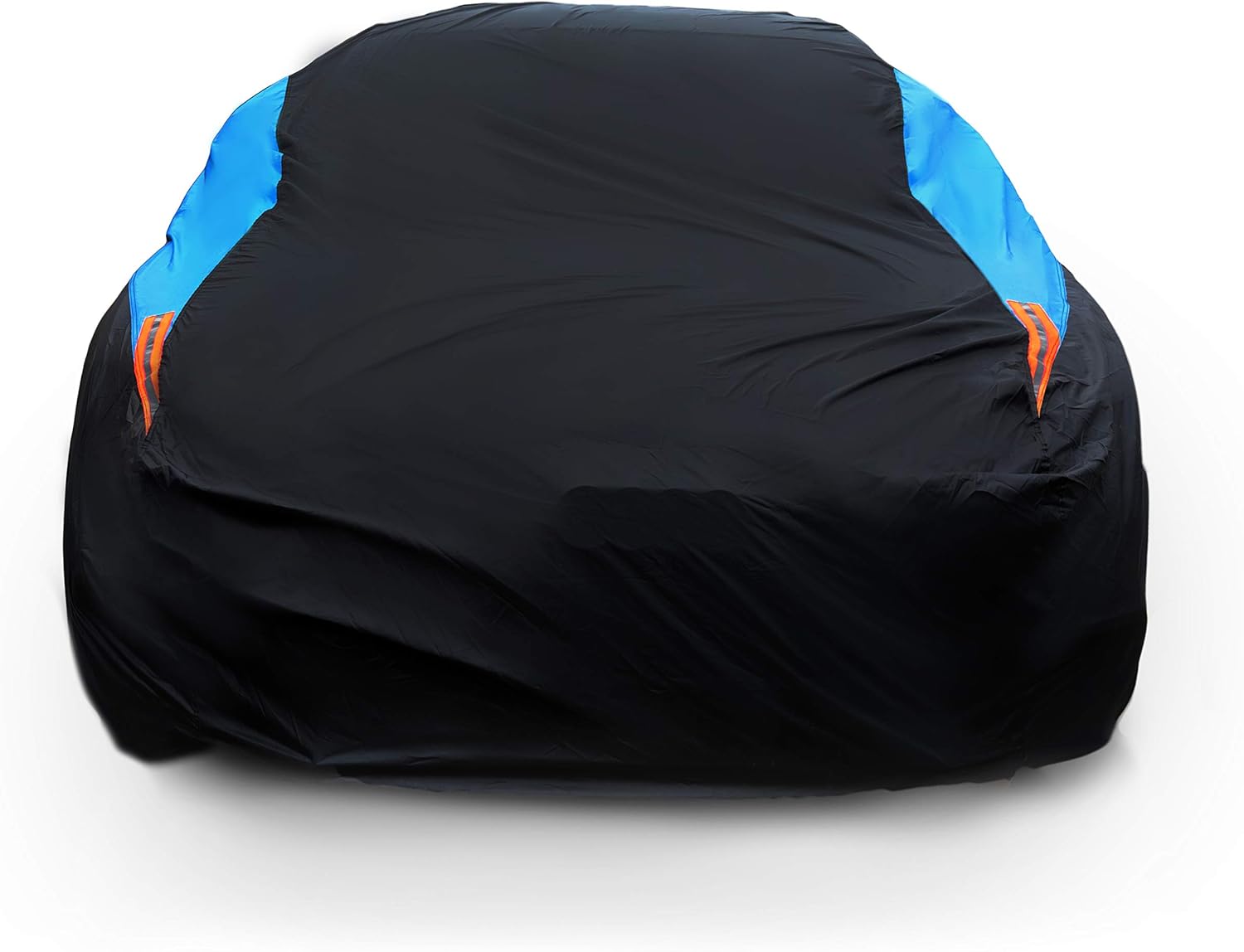
How to Re-Waterproof an Old Car Cover (Easy DIY Fix)
⚡ Quick Answer
Yes, you can re-waterproof an old car cover in an afternoon. Wash it, let it dry completely, then spray on a fabric water repellent like 303 Fabric Guard. One light coat restores water beading for up to a year or longer.
Steps To Re-Waterproof Your Cover
-
1
Machine wash the cover with mild soap, no fabric softener -
2
Let it air dry fully before spraying anything -
3
Spray a fabric water repellent evenly, then cure for 12-24 hours
Mistakes That Ruin The Job
-
✓
Don’t spray a dirty or damp cover -
✓
Don’t use silicone spray on breathable fabric -
✓
Don’t skip the cure time before it rains
Your car cover used to shed rain like a duck’s back. Now water just sits on top in dark, heavy patches, or soaks straight through to the paint. That’s lost water repellency, and it’s the most common reason old covers stop doing their job.
Daniel Brooks here. I’ve re-treated more than a few worn-out covers over the years instead of replacing them, and the fix is simpler than most people expect. The fabric itself is usually fine; it’s just the factory coating that’s worn off.
Below is exactly how to bring an old cover’s waterproofing back to life, what to use, what to avoid, and how long the fix actually lasts.
📌 Key Takeaways
-
→
Fabric guard sprays restore water repellency without sealing the cover shut. -
→
A single 32 oz bottle treats roughly 80 to 150 square feet of fabric. -
→
Cure time runs 12 to 24 hours, so plan around dry weather. -
→
Re-treatment typically lasts up to a year with regular outdoor use. -
→
Never use 100% waterproof sealants on breathable covers; they trap moisture underneath.
Why Does a Car Cover Stop Repelling Water?
Most car covers aren’t fully waterproof to begin with. They’re treated to be water-repellent and breathable at the same time, so rain beads off the surface while moisture vapor from underneath can still escape.
That factory coating wears down with sun, washing, and time. Once it’s gone, water stops beading and soaks straight into the fibers instead. The fabric itself usually isn’t damaged; it’s just bare again.
So if you’ve been treating a soaked cover as a lost cause, here’s the good news: a fresh coat of water repellent can bring it back close to new performance.
What You Need Before You Start
This is a simple job, but having the right supplies on hand prevents a wasted afternoon.
📋 What You’ll Need
-
Fabric water repellent spray: A product made for outdoor fabric, not silicone lubricant or auto wax. -
Mild detergent: Something free of fabric softener, which interferes with the coating. -
A large, flat hanging area: A clothesline, fence, or large table works for spraying. -
A dry weather window: At least 24 hours without rain for full curing.
How to Re-Waterproof a Car Cover Step by Step
Re-treating a cover takes about an hour of work plus a full day of drying. Follow the steps in order; skipping the wash step is the most common reason the spray fails to bond properly.
🔢 Step-by-Step: Re-Waterproofing Your Cover
-
1
Wash the cover thoroughly
Use mild detergent and a gentle cycle, or hand wash for delicate covers. Dirt and grime block the new coating from sticking.
-
2
Dry it completely
Lay it flat or hang it until it’s bone dry. Spraying damp fabric weakens the bond and can cause streaking.
-
3
Spray in a crisscross pattern
Hold the bottle 6 to 8 inches away and overlap your passes. Cover the surface until evenly damp, not soaked.
-
✓
Let it cure undisturbed
Give it 12 to 24 hours in dry, warm weather before folding or using it.
So if you treat the cover today in good weather, you’ll have a fully repellent cover by tomorrow morning, ready for the next storm.
Which Waterproofing Product Should You Use?
Not every spray belongs on a car cover. Silicone lubricants and vinyl sealants can clog the fabric’s breathable pores, which traps moisture and speeds up mold growth underneath.
You might be thinking any water-repellent spray will do the job. It won’t; products built for tents and outdoor canvas, like fabric guard sprays, are formulated to repel water without sealing the weave shut.
Here’s how the main options compare for car cover use.
Stick with a fabric-specific repellent and your cover will keep breathing while it sheds rain.
Recommended Product
303 Products Fabric Guard, Water Repellent Spray for Outdoor Fabrics, 32 oz
★★★★☆ Highly rated on Amazon
This is the same fabric guard recommended by Sunbrella for outdoor canvas, and it works just as well on car cover material without sealing it shut.
As an Amazon Associate, we earn from qualifying purchases.
How Long Does a Re-Waterproofed Cover Last?
A fresh treatment with a quality fabric guard typically holds up for several months to a year of regular outdoor exposure. Covers stored indoors most of the time, and only used occasionally, can stretch that even longer.
12-24 hrs
Cure time before exposure to rain
80-150 sq ft
Coverage per 32 oz bottle
~1 year
Typical repellency before reapplying
Here’s why that matters for you: a single 32-ounce bottle is enough to fully treat one mid-size sedan cover, often with product left over for a second light coat the following year.
What Most People Get Wrong About Waterproofing a Car Cover
⚠️ Warning
Sealing a cover completely waterproof traps moisture underneath, which leads to mold, mildew, and worse rust than no cover at all.
A lot of cover owners assume “more waterproof” is always better. It isn’t. A fully sealed, non-breathable cover stops rain on top but also stops moisture from escaping below, turning the cover into a greenhouse for your paint.
Another common mistake is spraying a dirty cover straight out of storage. Dust and pollen sit between the fabric fibers and block the repellent from bonding, so the spray wears off within weeks instead of months.
The third mistake is rushing the cure time. Folding or using the cover before it’s fully cured can wipe off product before it ever bonds to the fabric.
Conclusion
An old car cover that’s stopped repelling rain almost never needs replacing. A wash, a full dry, and one even coat of a breathable fabric guard usually brings it right back to factory-level protection.
Skip silicone sprays and vinyl sealants, since they trap moisture instead of letting it escape. One thing to do right now: check the care tag on your cover for its fabric type before you buy a repellent spray, so you pick one that’s safe for the material.
Frequently Asked Questions
Can you waterproof a car cover yourself?
Yes. Wash and fully dry the cover, then apply a fabric-specific water repellent spray in an even crisscross pattern. Let it cure for 12 to 24 hours before folding or storing it.
Can you use Scotchgard on a car cover?
It can add some repellency, but Scotchgard isn’t designed for heavy outdoor exposure the way marine and auto fabric guards are. A purpose-built fabric guard spray will hold up longer against sun and rain.
Why is my car cover not waterproof anymore?
The factory water-repellent coating wears off over time from sun exposure, washing, and general use. The fabric weave is usually still intact; it just needs a fresh coat of repellent to start beading water again.
Is it bad to make a car cover 100% waterproof?
Yes. A fully sealed, non-breathable cover traps condensation underneath, which encourages mold, mildew, and paint damage. Breathable water repellency is the safer goal.
How often should you re-waterproof a car cover?
Most owners reapply once a year, or sooner if the cover sits outside through heavy rain or intense sun regularly. Test it by splashing water on the surface; if it soaks in instead of beading, it’s time to retreat.
Can you dry a wet car cover in the dryer?
Most manufacturers recommend against machine drying, since heat can damage the fabric coating. Hang it up or lay it flat in the sun, which dries it quickly without the risk.
What temperature do you need to apply fabric waterproofing spray?
Apply in temperatures of at least 70°F for the best bond and curing. Cold weather slows curing and can leave the coating uneven or less effective.

Daniel Brooks is an automotive writer and product researcher focused on car accessories, car tech, maintenance, and practical driving guides. At Plug-in Car World, he helps drivers make smarter automotive decisions through honest reviews and research-driven content.