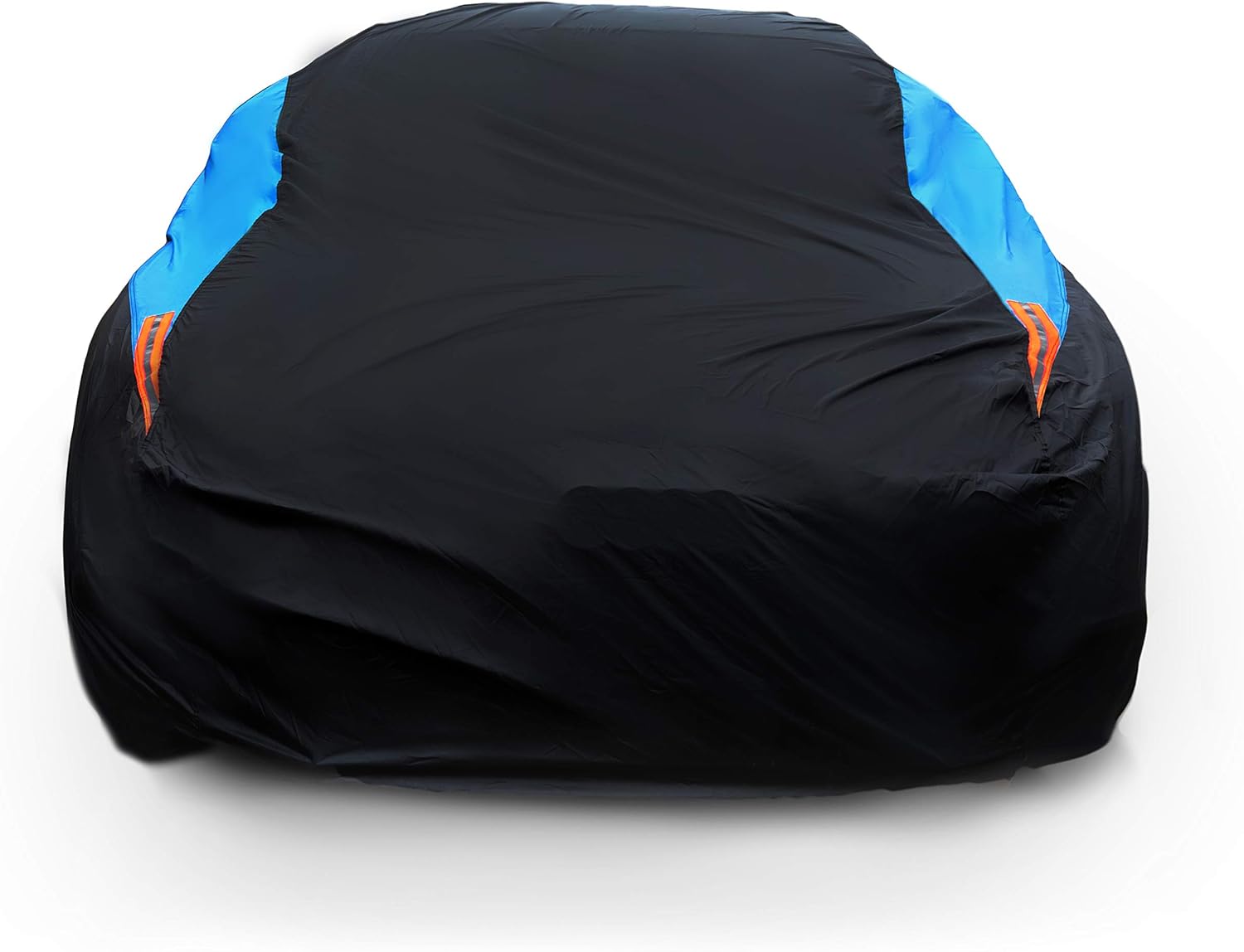
How to Fix a Car Cover That Leaks Water
Quick Answer
A leaking car cover almost always comes down to worn-out water repellency, a damaged seam, or the wrong fit letting rain pool on the fabric. Most covers can be fixed at home in under an hour with cleaning, a fabric waterproofing spray, and a seam sealer.
Fix it in 3 steps
-
1
Wash and fully dry the cover -
2
Reproof the fabric with a water-repellent spray -
3
Seal any worn seams with a fabric seam sealer
You pull the cover off on a Saturday morning expecting a dry, clean car, and instead you find damp patches on the hood and a puddle near the windshield. A leaking car cover defeats its whole purpose, and it can leave your paint sitting under trapped moisture for days. The good news, says car care writer Daniel Brooks, is that this is one of the easiest fixes in the garage. Most leaks trace back to worn water repellency, a failing seam, or a cover that simply doesn’t fit your car’s shape.
Below is exactly how to find where the water is getting in, how to seal it back up, and how to keep it from happening again.
Key Takeaways
-
→
Worn factory coating is the most common cause of a leaking car cover, not a manufacturing defect. -
→
Seams, not the fabric itself, are usually the weak point where water gets through. -
→
A loose or oversized cover sags and pools water, which leaks through even healthy fabric. -
→
Reproofing sprays typically restore water resistance for 6 to 12 months per application.
Why Is My Car Cover Leaking Water?
Every car cover fabric ships with a factory water-repellent coating. Sun, washing, and time wear that coating down. Once it’s gone, the fabric still blocks dust and light rain for a while, but it stops shedding water and starts soaking it through instead.
That’s the most common cause, but it’s not the only one. The table below breaks down the usual suspects.
Most covers fail for more than one of these reasons at once, so it’s worth checking all five before you start fixing anything.
How to Find Where the Cover Is Leaking
Lay the cover flat on a clean driveway or table. Spray it evenly with a garden hose and watch closely. Water that beads up and rolls off means the fabric is healthy in that spot. Water that darkens the fabric and soaks through means that section has lost its coating.
Pay extra attention to the seams. Run your finger along every stitched line while spraying. A steady drip along a seam, rather than a general soak across the fabric, points to seam failure rather than worn coating.
Tip
Mark leak spots with chalk or tape while the fabric is still wet. It’s easy to lose track of the exact spot once the cover dries.
Step-by-Step: How to Reproof a Leaking Car Cover
Step-by-Step: Restoring Water Resistance
-
1
Wash the cover thoroughly
Use a mild detergent and a soft brush. Dirt and old wax block new waterproofing spray from bonding.
-
2
Let it dry completely
Hang it outdoors or lay it flat for several hours. Any trapped moisture will ruin the new coating.
-
3
Apply a fabric water-repellent spray
Spray evenly outdoors in a crisscross pattern. Don’t oversaturate; a thin, even coat works best.
-
4
Seal the seams separately
Brush a fabric seam sealer along the underside of every stitched line. This is the part a spray alone won’t fix.
-
✓
Cure before use
Keep the cover dry and out of rain for 12 to 24 hours so the coating sets properly.
How to Patch Holes, Tears, and Failed Seams
A reproofing spray won’t fix an actual hole or a torn seam. For that you need a patch. Cut a piece of matching fabric at least an inch larger than the damaged area on every side. Clean and dry the spot first, then bond the patch with a fabric adhesive, finishing with seam sealer around the edges so water can’t creep in underneath.
If you’re comfortable sewing, a zigzag stitch around the patch adds real strength before you seal it. Either way, test the repair with a hose before trusting it overnight.
Warning
Don’t fully waterproof a breathable cover. Sealing it completely traps condensation underneath, which causes more paint damage than the rain would.
What Most People Get Wrong About Car Cover Leaks
-
“My cover is waterproof, so it shouldn’t leak at all.” Most outdoor car covers are water-resistant, not fully waterproof, by design, since a fully sealed cover traps moisture against the paint. -
“A leaking cover means I need a new one.” A worn coating or a failed seam is a repair job, not a replacement job, in the vast majority of cases. -
“Any waterproofing spray will work.” Sprays made for fabric upholstery and outdoor canvas hold up far better than generic household sealants on car cover material.
Recommended Product
Recommended Product
303 Products Fabric Guard, Water Repellent Spray for Outdoor Fabrics, 32 oz
★★★★☆ Highly rated on Amazon, recommended by Sunbrella for outdoor fabric care
This is the same type of spray boat and convertible top owners use to restore lost water repellency on canvas covers, and it works just as well on a car cover.
As an Amazon Associate, we earn from qualifying purchases.
How to Prevent Your Car Cover From Leaking Again
Maintenance Checklist
-
✓
Reapply waterproofing spray every 6 to 12 months, or after each deep clean -
✓
Keep all straps and elastic hems snug so the cover can’t sag or pool water -
✓
Store the cover dry and folded loosely so the coating doesn’t crack in storage
Conclusion
Most leaking car covers aren’t broken, they’re just worn out. A wash, a fabric waterproofing spray, and a seam sealer fix the vast majority of leaks for less than the cost of a new cover. The one thing to do right now: hose down your cover and watch where the water soaks in instead of beading up, since that’s exactly where you’ll need to focus your repair.
Frequently Asked Questions
Why does my car cover leak when it rains?
The factory water-repellent coating wears off over time from sun and washing, so the fabric absorbs water instead of shedding it. Worn seams and a loose fit make the problem worse.
Can you waterproof a car cover yourself?
Yes. Wash and dry the cover, then apply a fabric water-repellent spray made for outdoor fabrics. Reseal the seams separately with a fabric seam sealer for full coverage.
Should a car cover be fully waterproof?
No. A fully sealed cover traps condensation against the paint and encourages rust. A good cover is water-resistant and breathable, not airtight.
How often should you reproof a car cover?
Most fabric guards last 6 to 12 months before water repellency starts to fade. Covers stored outdoors year-round or washed frequently may need it sooner.
Why does my car cover leak at the seams specifically?
Needle holes from stitching create tiny gaps that water can pass through once the seam tape or sealant wears away. A fabric seam sealer brushed along the underside closes these gaps back up.
Can I use Scotchgard on a car cover?
General fabric protectants can help in a pinch, but products made specifically for outdoor canvas and marine fabric hold up better against UV exposure and repeated rain.
When should I replace my car cover instead of fixing it?
If the fabric is thin, brittle, or torn in multiple places after reproofing and patching, replacement is more practical than continuing to repair it.

Daniel Brooks is an automotive writer and product researcher focused on car accessories, car tech, maintenance, and practical driving guides. At Plug-in Car World, he helps drivers make smarter automotive decisions through honest reviews and research-driven content.