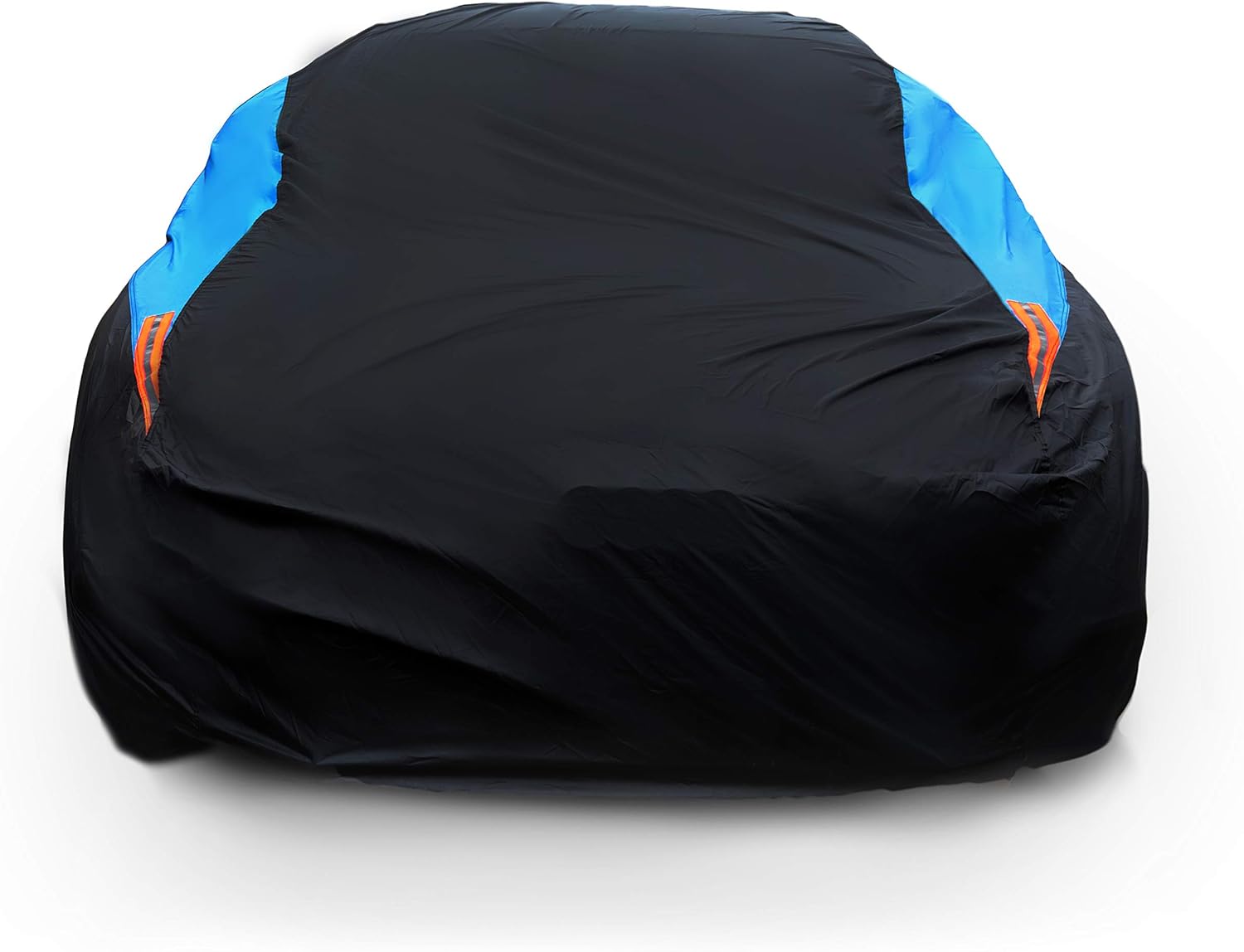
How to Reduce Humidity Under a Car Cover
You pull the cover off on a Saturday morning expecting a clean, dry car. Instead, you find beads of water on the paint and a faint musty smell coming off the fabric. If that’s happened to you, you’re not alone — trapped moisture under a car cover is one of the most common complaints among owners who park outside long-term.
By Daniel Brooks
The good news: a damp car cover almost never means your cover is defective. It usually means air isn’t moving the way it should underneath it. Fix the airflow and the moisture problem mostly fixes itself. Here’s exactly how to do that.
Why Does Humidity Build Up Under a Car Cover?
Condensation forms when warm, moist air touches a cooler surface — in this case, your car’s cold metal body overnight. As outside temperatures drop, the air trapped between the cover and the paint reaches its dew point, and the water vapor in it turns into liquid droplets on your car.
This isn’t unique to cheap covers. Even high-quality breathable covers will show some morning condensation when temperatures swing sharply between day and night. The breathable fabric is designed to let that moisture evaporate back out once the air warms up — the problem is when it can’t escape fast enough, or keeps getting trapped night after night.
1. Choose a Breathable Cover, Not a Waterproof One
This is the single biggest factor. A fully waterproof, non-breathable cover acts like a plastic bag — moisture that gets in (or forms from condensation) has nowhere to go. Look for covers made from breathable woven fabrics designed for outdoor storage, rather than vinyl tarps or fully laminated waterproof shells.
A genuinely breathable cover will still show occasional morning dew, but it lets that moisture pass back through the fabric as the day warms up instead of pooling against your paint indefinitely.
2. Keep the Cover Off the Ground
Letting the cover’s edges drag on the ground seals off airflow underneath the car and traps the very moisture you’re trying to avoid — it also lets the cover wick up moisture from wet pavement or grass.
- Use the straps or elastic hem that came with the cover, or add bungee cords, to keep the bottom edge snug and slightly off the ground.
- Tuck the cover behind the front and rear valances at the wheels rather than draping it straight to the floor — this leaves a gap for air to move underneath.
- Avoid parking on grass, dirt, or mulch where possible; a well-draining concrete or gravel surface keeps ground moisture from rising into the cover in the first place.
3. Never Cover a Wet or Dirty Car
This is the mistake that causes the most damage. Covering a car with even a thin film of water on the paint is like leaving a wet bandage on skin — the moisture has nowhere to go and can sit against the clear coat for days, sometimes leaving water spots or discoloration.
Avoid This Mistake
Dirt and dust trapped under a cover hold moisture against the paint and can scratch the surface as the cover shifts in wind. Always wash and fully dry the car before covering it — even after light rain.
Wipe the car down with a microfiber towel before covering, and if it just rained, give it 30–60 minutes in open air before putting the cover on.
4. Park in the Sun, Not in the Shade
A shaded or tree-covered spot stays cooler and damper for longer each day, which means condensation under the cover never fully evaporates before the next cold night sets in. Sun exposure helps the cover and the air beneath it dry out during the day, breaking the cycle of repeated condensation.
Parking under trees adds a second problem: falling sap, leaves, and bird droppings collect on the cover and trap moisture against it, which can encourage mold growth over time.
5. Lift the Cover Periodically to Let It Air Out
If your car will sit under a cover for weeks or months at a time, don’t leave it sealed up the entire period. Pulling the cover back for an hour or two on a dry day lets trapped moisture escape from both the cover and the car’s surface before it has a chance to build up.
Tip
Lift the cover at least once a month during long-term storage, and more often during weeks with big day-to-night temperature swings, which is when condensation forms most.
6. Use Moisture Absorbers Underneath the Cover
For cars stored long-term in a garage, carport, or other semi-enclosed space, a desiccant placed near the car (not directly on the paint) can pull excess humidity out of the air before it has a chance to condense. These are simple, low-maintenance, and don’t require any power source.
One widely used option for vehicle storage is car-specific desiccant packs designed to control humidity in an enclosed space over weeks or months:
Recommended Product
Hydrosorbent Car Storage Desiccant — Moisture Absorber for Vehicle Storage
A 10-pack of 500g desiccant packs built specifically for enclosed vehicle storage. They absorb ambient moisture over weeks to months, which helps cut down on the humidity that condenses under a cover overnight.
As an Amazon Associate, we earn from qualifying purchases.
Place packs in the trunk, footwells, and near the engine bay (with the hood cracked if practical) rather than directly under the cover fabric itself — the goal is drier air inside the whole space, not just at one spot on the cover.
What Most People Get Wrong About Car Cover Humidity
“A waterproof cover is better protection.” A fully waterproof cover actually traps more moisture against the paint than a breathable one, since it stops the car’s own condensation from escaping. Breathable fabric is the better choice for outdoor storage.
“Any visible morning dew means the cover failed.” Light dew or ‘blooming’ on the surface under a quality breathable cover is normal and will evaporate as temperatures rise during the day — it’s not a sign of a defective product.
“Covers cause more harm than good.” Most cover-related paint damage traces back to covering a dirty or wet car, letting the cover drag on the ground, or using the wrong material — not the use of a cover itself.
Conclusion
Humidity under a car cover almost always comes down to trapped, stagnant air rather than a bad product. A breathable cover, a clean dry car before covering, decent ground clearance, and the occasional sunny airing-out will solve the problem for most owners. For longer-term storage, a few desiccant packs in the car add extra insurance against rust and mildew.
One thing to do right now: pull your cover off today, check the underside and your paint for any dampness, and let both air out fully before recovering the car.
Frequently Asked Questions
Is it normal for a car cover to have condensation underneath it?
Yes, light condensation under a breathable cover is normal, especially overnight when temperatures drop. It typically evaporates once the sun warms the area during the day and isn’t a sign the cover is failing.
Can a car cover cause rust?
A cover itself doesn’t cause rust, but trapped moisture against bare metal or chipped paint can speed up corrosion over time. Keeping the cover breathable and the car dry before covering largely prevents this.
Should I leave my car cover on during rain?
A breathable, water-resistant cover is designed to handle rain. If you notice water weeping through to the paint during heavy or prolonged storms, the cover material may not be sealed well enough for your climate.
How often should I take my car cover off to let it dry?
For long-term storage, lift the cover at least once a month on a dry, sunny day. In humid climates or during seasons with big temperature swings, doing this every one to two weeks is safer.
Do moisture absorbers actually work under a car cover?
Desiccant packs placed inside the car or nearby in an enclosed storage space do measurably reduce ambient humidity, which lowers the chance of condensation forming on cold surfaces overnight.
What’s the difference between a breathable and waterproof car cover?
A waterproof cover blocks moisture from entering but also traps it inside, including condensation from the car itself. A breathable cover repels most water while allowing trapped moisture vapor to pass through and evaporate.
Can I put a car cover on a wet car if I’m in a hurry?
It’s best to avoid this. Even a thin layer of water trapped against the paint under a cover can lead to water spots or discoloration. Wipe the car dry first, even if it only takes a few extra minutes.
Sources
Hagerty: 6 Essential Tips for Car Cover Success ·
Classic Additions: Preventing Condensation When Storing a Car Under a Cover

Daniel Brooks is an automotive writer and product researcher focused on car accessories, car tech, maintenance, and practical driving guides. At Plug-in Car World, he helps drivers make smarter automotive decisions through honest reviews and research-driven content.