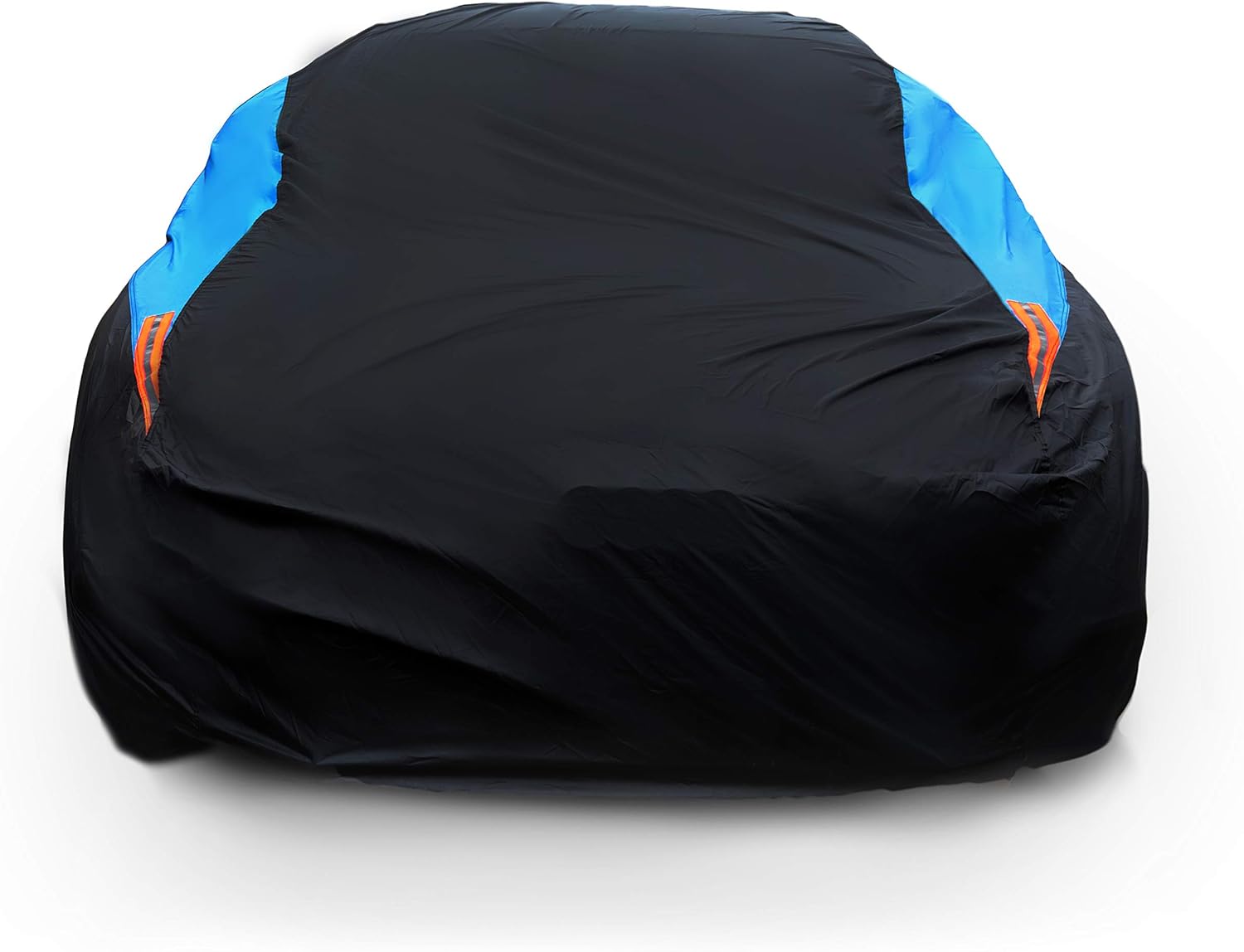
You’re Probably Drying Your Car Cover Wrong—Here’s the Right Way
⚡ Quick Answer
Air dry your car cover. It’s the fastest safe method for most fabrics. Blot off excess water with a towel, hang the cover in a shaded, breezy spot, and flip it once. Most covers dry in 2-4 hours. Skip the dryer unless your label says it’s safe.
Steps to dry your car cover fast
-
1
Blot the cover with a dry towel first -
2
Hang it in shade with airflow on both sides -
3
Flip the cover halfway through drying
Mistakes that ruin a car cover
-
✓
Don’t tumble dry on high heat — it melts coatings -
✓
Don’t store it damp — mold sets in within hours -
✓
Don’t leave it in direct sun for hours — fading follows
You just pulled a soaked car cover off your hood, and now there’s a puddle on the garage floor and a clock ticking in your head. Maybe rain caught you off guard, or you just hand-washed the thing and have nowhere dry to put it. Either way, a damp cover left sitting around is asking for mold, mildew, and a musty smell that never fully goes away.
I’m Daniel Brooks, and I’ve gone through more car covers than I’d like to admit — mostly because I dried them wrong the first few times. The good news is drying one correctly isn’t complicated. It just takes the right method and a little patience. Here’s exactly how to get it dry fast without wrecking the fabric.
📌 Key Takeaways
-
→
Air drying is the safest method for nearly every car cover fabric. -
→
Most covers dry in 2 to 4 hours with decent airflow and shade. -
→
Heat damages most synthetic covers by melting waterproof coatings. -
→
Storing a damp cover for even one night can start mildew growth.
What’s the Fastest Safe Way to Dry a Car Cover?
The fastest safe way to dry a car cover is to blot it dry, then hang it somewhere shaded with good airflow. Skip the dryer unless your cover’s tag specifically allows it. Most outdoor car covers are made from polyester, polypropylene, or multi-layer synthetic blends. Heat from a tumble dryer can melt the waterproof or breathable coating right off these fabrics.
Air drying takes a bit longer than a machine, but it protects the cover’s lifespan. Most synthetic car cover fabrics use plastic layers like polyester and polypropylene, and dryer heat can locally melt those layers, shrink the fabric, and destroy the breathable membrane. That’s an expensive mistake for something a clothesline avoids completely.
✅ Tip
Use a clean dry towel to blot the cover first. This removes most surface water before air drying even starts, cutting total dry time in half.
Can You Put a Car Cover in the Dryer?
You can only put a car cover in the dryer if the manufacturer’s label says it’s safe, and even then, use no heat or the lowest setting. Many cover makers explicitly say never to machine dry. The risk isn’t just melted coating — a large cover can also get tangled and rub against the dryer drum, tearing the fabric.
Owners who’ve tried it report mixed results. One car cover maker told a customer that no-heat tumble drying worked fine for two years without damage, while another owner said the cover took up so much room it rubbed against the drum and tore. That inconsistency is exactly why air drying stays the safer default.
⚠️ Warning
Never use a dryer on a cotton, fleece, or non-woven specialty cover. These fabrics shrink, mat, or lose their fit permanently under heat.
How Do You Air Dry a Car Cover the Right Way?
Air drying right means giving the cover space, airflow, and shade — not just tossing it over a fence. Cramped folds trap moisture and slow drying down. Direct sun speeds drying but fades and weakens fabric over time, so a shaded, breezy spot wins both ways.
🔢 Step-by-Step: Air Drying a Car Cover
-
1
Blot with a towel
Press, don’t rub, to pull surface water out fast.
-
2
Hang it open and loose
Use a clothesline, ladder, or two chairs — anything that keeps it unfolded.
-
3
Pick shade with a breeze
A garage with the door open or a shaded patio works well.
-
✓
Flip and check
Flip it after an hour or two. It’s done when it feels uniformly dry, inside and out.
How Long Does a Car Cover Take to Dry?
Most car covers dry in 2 to 4 hours with good airflow and moderate weather. Thicker multi-layer covers can take up to 6 hours. Humid days, calm air, or heavy fabric all slow things down.
2-4 hrs
Single-layer cover, dry breezy day
4-6 hrs
Multi-layer or fleece-lined cover
8+ hrs
Humid, still air with little ventilation
So if you’re in a hurry, point a fan at the cover or hang it where wind naturally moves through. That alone can cut drying time by an hour or more.
What Happens If You Store a Car Cover While It’s Still Damp?
Storing a damp car cover invites mold, mildew, and a musty smell that’s hard to remove later. Trapped moisture also weakens the waterproof coating from the inside out, shortening the cover’s life. A cover should always be completely dry before storing it, since otherwise mold and mildew growth can begin.
If you ever find your cover got wet while it was already on the car, the same rule applies. Remove it as soon as you can and let it dry fully before putting it back on or folding it away.
💡 Key Insight
A damp cover folded into a storage bag is the single biggest reason car covers develop a permanent mildew smell.
What Most People Get Wrong About Drying a Car Cover
Most people assume any dryer cycle is fine as long as the heat is low. That’s not true for many synthetic covers — even low heat can soften coatings over repeated cycles. The safer rule is no dryer unless the tag explicitly approves it.
A second mistake is leaving the cover folded in a pile to “dry on its own.” Folded fabric traps moisture between layers, so the inside stays wet long after the outside feels dry. Always unfold it fully before drying.
A third mistake is drying in direct, blazing sun. Cleaning guidance for car covers specifically warns against drying in direct sunlight because it can cause the fabric to fade or weaken. Shade with airflow beats sun every time.
Conclusion
Drying a car cover doesn’t need to be complicated or slow. Blot it, hang it loose in shade with airflow, and give it a few hours. Skip the dryer unless your label clears it, and never pack a cover away while it’s still damp.
One thing to do right now: go check your damp cover, unfold it fully, and hang it somewhere with a breeze before you do anything else.
Frequently Asked Questions
How do you dry a car cover quickly?
Blot off excess water with a towel, then hang the cover unfolded in a shaded, breezy spot. A fan pointed at it speeds things up. Most covers finish drying in 2 to 4 hours this way.
Can you tumble dry a car cover?
Only if the manufacturer’s label says it’s safe, and even then use no heat. Most synthetic covers risk melted coatings or torn fabric from rubbing against the drum during a cycle.
Is it OK to leave a car cover out in the sun to dry?
Brief sun exposure while drying is fine, but hours in direct sun can fade and weaken the fabric. Shade with good airflow dries the cover just as well without the damage.
What happens if you store a wet car cover?
A wet cover stored in a bag or folded away will likely grow mold or mildew within a day or two. It can also pick up a musty smell that’s hard to remove later.
How long does a car cover take to air dry?
Most single-layer covers dry in 2 to 4 hours in decent weather. Thicker multi-layer or fleece-lined covers can take up to 6 hours, longer in humid or still conditions.
Should you dry a car cover on the car or off it?
Off the car dries faster since air reaches both sides. If you must dry it on the car, loosen it so air can move underneath, and flip the edges up when possible.
Why does my car cover smell musty after drying?
A musty smell usually means it wasn’t fully dry before storage, or mold already started. Wash it again, dry it completely in a breeze, and store it only once it’s bone dry.

Daniel Brooks is an automotive writer and product researcher focused on car accessories, car tech, maintenance, and practical driving guides. At Plug-in Car World, he helps drivers make smarter automotive decisions through honest reviews and research-driven content.