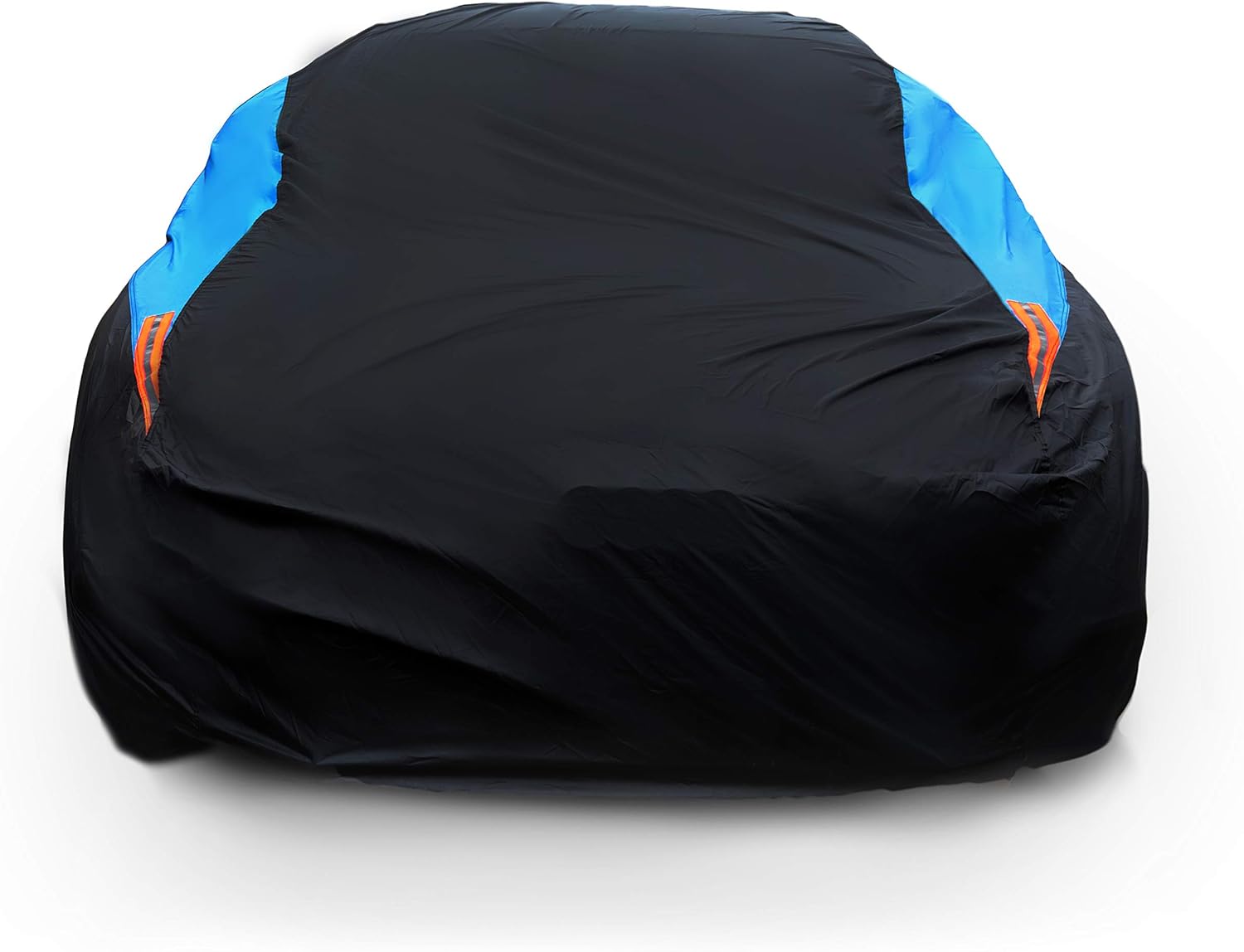
Why Did My Car Cover Shrink? Causes & Prevention Tips
⚡ Quick Answer
Your car cover most likely shrank because it went through a machine dryer or was washed in hot water. Heat causes fabric fibers — especially cotton — to tighten and contract. UV sun exposure over time can also degrade and shrink certain cover materials.
Top reasons your car cover shrank:
- Dryer heat: The #1 cause — high heat shrinks and warps cover fabric fast.
- Hot water wash: Washing in warm or hot water tightens cotton and blended fibers.
- Cotton material: Cotton car covers shrink far more than polyester or polypropylene.
- Long sun exposure: Extreme heat from direct sun degrades polyester fibers over time.
How to stop it from shrinking again:
-
✓
Always air dry — never use a machine dryer -
✓
Wash only in cold water on a gentle cycle -
✓
Choose polyester or polypropylene — not cotton
You pull your car cover out after washing it — and it won’t reach the bumper anymore. I’m Daniel Brooks, and I’ve seen this happen to car owners more times than I can count. The culprit is almost always the same: heat. Whether it’s a dryer cycle or scalding wash water, heat is what turns a perfectly fitted car cover into a tight, misshapen mess. This guide covers every reason your car cover shrank and exactly what to do about it.
📌 Key Takeaways
-
→
Machine dryers are the #1 cause of car cover shrinkage — even one cycle can permanently damage the fit. -
→
Cotton car covers shrink far more than polyester or polypropylene covers when exposed to heat or hot water. -
→
Air drying in a shaded, ventilated spot is the only safe way to dry most car covers after washing. -
→
Severely shrunken covers rarely return to their original size — replacement is often the only real fix.
Why Did My Car Cover Shrink? The Real Causes
Heat is the main reason car covers shrink. When fabric fibers — especially natural ones like cotton — are exposed to heat while wet, they tighten and pull together permanently. The result is a cover that no longer fits the vehicle it was bought for.
Most car owners don’t realize the damage until they try to put the cover back on. By then, the shrinkage has already set into the fibers. Here are the 4 main causes:
📋 Why Car Covers Shrink: 4 Main Causes
-
Machine dryer heat: A heated drying cycle causes cover fibers to contract and lose shape. Even one dryer run can cause noticeable shrinkage — and also damages waterproof coatings. -
Hot water washing: Washing in warm or hot water causes fibers to absorb moisture and then tighten as the heat works through the weave. Cold water washing prevents this. -
Cotton or blended fabric: Cotton-based car covers are the most prone to heat shrinkage. Blended fabrics (cotton + polyester) can shrink unevenly, causing a twisted or distorted shape. -
Prolonged UV and sun exposure: Polyester covers can become brittle or shrink over time when left in extreme outdoor heat. This is a slower process but causes long-term size loss.
💡 Key Insight
Heat applied to wet fabric causes the most shrinkage. This is why the dryer is so destructive — it applies high heat directly to soaked fibers at the exact moment they’re most vulnerable to contracting.
So if you’re wondering exactly what happened — think back to your last wash. Did the cover go in the dryer? Was the water set to warm or hot? That’s likely the full answer.
Which Car Cover Materials Shrink the Most?
Not all car covers shrink equally. The fabric type determines how badly heat affects the cover. Natural fibers shrink far more than synthetic ones when washed or dried with heat.
This table shows the most common car cover materials and their shrinkage risk:
Understanding your cover’s material is the first step to protecting it from heat damage.
If your cover is made of cotton, it will always be vulnerable to shrinkage — switching to a polyester or polypropylene cover is the most permanent fix.
You might be thinking: “My cover is polyester, so why did it shrink?” Here’s why — even polyester can contract under extreme dryer heat or become misshapen if the agitator of a top-loading washing machine tears at the weave during the wash cycle.
The solution is simple. Always check the care label before washing. The manufacturer’s instructions exist for one reason — to prevent exactly this kind of damage.
How to Wash a Car Cover Without Shrinking It
Washing a car cover incorrectly is the fastest way to ruin its fit. The right method uses cold water, a gentle cycle, and — most critically — zero dryer heat. Follow these steps every time.
🔢 Step-by-Step: How to Wash a Car Cover Safely
-
1
Use a large front-loading washing machine
A commercial-size washer at a laundromat is ideal. Avoid top-loaders with a center agitator — they tear and stress the fabric.
-
2
Select cold water and a delicate cycle
Cold water prevents fiber tightening. A delicate cycle reduces agitation that can distort the cover’s shape.
-
3
Use mild, fragrance-free detergent only
Skip fabric softeners, bleach, and harsh chemicals. These strip waterproof coatings and weaken the fabric structure.
-
4
Run a second rinse cycle
A double rinse removes all soap residue that could leave buildup and reduce the cover’s breathability.
-
✓
Air dry only — hang in a shaded, ventilated spot
Never put the cover in a dryer. Hang it in the shade until completely dry before storing or replacing on the car.
For more detail on car cover care, AutoZone’s guide on how to clean a car cover covers washing methods for different cover materials in depth.
⚠️ Warning
High dryer heat doesn’t just shrink your car cover — it can melt synthetic waterproof layers and leave the cover’s inner lining permanently rough and scratchy. A scratchy lining can then damage your car’s paint every time you fit or remove the cover.
Can Sun and Heat Shrink a Car Cover Without Washing?
Yes — and this surprises most car owners. Direct, prolonged sun exposure can degrade and tighten car cover materials over time without a single wash cycle being involved.
Polyester car covers are especially at risk in extremely hot climates. Over months of outdoor use, UV rays break down the fiber structure. The cover may grow stiffer, tighter, and harder to fit. Cotton covers can rot, fade, and shrink from repeated wet-dry heat cycles caused by rain and sun alternating.
That said, this type of heat shrinkage is gradual. If your cover shrank noticeably after a single wash, the dryer or hot water is the cause — not the sun.
✅ Tip
When storing your car cover between uses, fold it and keep it in a cool, dry area away from direct sunlight. A storage bag protects both the cover fabric and the waterproof coating from UV-related degradation over time.
How to Prevent Your Car Cover from Shrinking
Preventing shrinkage comes down to 3 things: cold water, no dryer, and the right fabric. If you get all 3 right, your cover will hold its shape for years.
Here’s a full prevention checklist to keep with your car cover:
✓ Car Cover Shrinkage Prevention Checklist
-
✓
Read the care label before washing — follow every instruction exactly -
✓
Use only cold water — never warm or hot settings -
✓
Never use a dryer — always air dry in shade -
✓
Use a front-loading washer — avoid top-loaders with agitators -
✓
Store in a breathable storage bag in a cool, dry location -
✓
Choose polyester or polypropylene if you haven’t bought a cover yet
For best-practice car cover care tips backed by professional car wash experience, BLISS Car Wash’s guide to cleaning a car cover is a solid reference point.
One more thing: how often should you wash your car cover? Most experts recommend washing it every 3 to 6 months for outdoor use, or whenever you see visible dirt buildup. Over-washing is almost as damaging as washing incorrectly.
What Most People Get Wrong About Car Cover Shrinkage
There are 3 wrong beliefs that cause most car cover damage. Correcting them now will save you from repeating the mistake.
Myth 1: “A little dryer heat is fine — just use low heat.”
This is false. Most car cover manufacturers state clearly that any machine dryer heat — including low settings — can cause shrinkage or delamination of waterproof coatings. The only safe option is no dryer at all. Air drying is the only method that protects both the fit and the fabric’s protective layers.
Myth 2: “My cover is polyester, so it can’t shrink.”
Polyester is far more heat-resistant than cotton — but it’s not immune. Extreme dryer heat can still cause polyester car covers to tighten or warp. Long-term UV exposure in very hot climates can also cause brittleness and minor size loss in polyester covers over time.
Myth 3: “If my car cover feels tight, it just needs to stretch out.”
Forcing a shrunken cover over your car is a real risk. The extra tension from a too-tight cover can cause the elastic hem to snap, seams to tear, or the cover to scratch the car’s paint as you drag it over the body panels. If it doesn’t fit — don’t force it.
Can You Unshrink a Car Cover?
Sometimes — but it’s not reliable. If the shrinkage was mild and caught early, you may be able to gently stretch the cover back toward its original dimensions while it’s still slightly damp. Lay it flat and slowly pull outward from the edges by hand.
But here’s the reality: most heat-shrunken car covers don’t return to their original size. Once fibers have contracted and set — especially after a full dryer cycle — that shape is permanent. The waterproof coating may also have delaminated, meaning even if the cover fits again, it won’t protect as well.
If your car cover shrank badly after a dryer run, replacement is usually the smarter and cheaper long-term choice. A new polyester or polypropylene cover — washed correctly from day one — will outlast a repaired cotton cover by years.
🎯 Which Option Is Right For You?
If your cover…
Shrank slightly and is still damp
→ Try gentle hand-stretching while damp
If your cover…
Shrank a lot and is already dry
→ Replace it — shrinkage has set permanently
If your cover…
Is cotton and shrank repeatedly
→ Switch to polyester or polypropylene
Conclusion
Your car cover shrank because heat — from a dryer, hot water, or prolonged sun — caused the fabric fibers to contract and hold that smaller shape. Cotton covers are the most vulnerable. Polyester and polypropylene hold up far better.
The fix is simple going forward: always wash in cold water, always air dry, and always check the care label first. One dryer cycle is all it takes to ruin a cover that fits perfectly.
One thing to do right now: Check your car cover’s care label. If it says “do not tumble dry,” write that on a sticky note and put it on your washing machine. It takes 10 seconds and prevents a costly mistake.
Frequently Asked Questions
Can you put a car cover in the dryer?
No — most car covers should never go in a dryer. High heat causes the fabric fibers to shrink and contract, permanently changing the cover’s fit. Heat also damages waterproof coatings and can leave the inner lining rough enough to scratch your car’s paint.
What car cover fabric shrinks the most?
Cotton car covers shrink the most when exposed to heat or hot water. Cotton fibers have a porous structure that absorbs moisture easily and contracts under heat. Cotton/polyester blended covers can also shrink unevenly, causing a twisted or distorted shape after washing.
How do you wash a car cover without shrinking it?
Use a large front-loading washer set to cold water and a delicate cycle. Add mild, fragrance-free detergent. Run a second rinse to remove soap residue. Then air dry completely in a shaded, ventilated area. Never use a top-loader with an agitator or any dryer heat.
Do car covers shrink in the sun?
Yes, but slowly. Prolonged UV exposure can degrade polyester covers over time, causing brittleness and minor shrinkage. Cotton covers can shrink from repeated wet-dry cycles caused by rain and sun. This type of shrinkage is gradual — sudden shrinkage after washing is caused by heat, not sun alone.
Can a shrunken car cover damage my car’s paint?
Yes. A cover that’s too tight pulls across the body panels under tension. Forcing it on or off can drag the fabric across the paint, causing scratches. A shrunken cover may also have a rougher inner lining from heat damage — increasing the scratch risk every time it moves.
How often should I wash my car cover?
For covers used outdoors, washing every 3 to 6 months is the general recommendation. Wash sooner if you see heavy dirt buildup, bird droppings, or tree sap. Over-washing weakens the fabric and strips protective coatings, so only wash when needed — not on a fixed weekly schedule.
What is the best car cover material that won’t shrink?
Polypropylene and polyester are the most shrink-resistant car cover materials available. Polypropylene is especially stable — it resists chemicals, abrasion, and heat far better than cotton. For outdoor use, a multi-layer polyester cover with UV protection gives the best combination of durability and dimensional stability.

Daniel Brooks is an automotive writer and product researcher focused on car accessories, car tech, maintenance, and practical driving guides. At Plug-in Car World, he helps drivers make smarter automotive decisions through honest reviews and research-driven content.