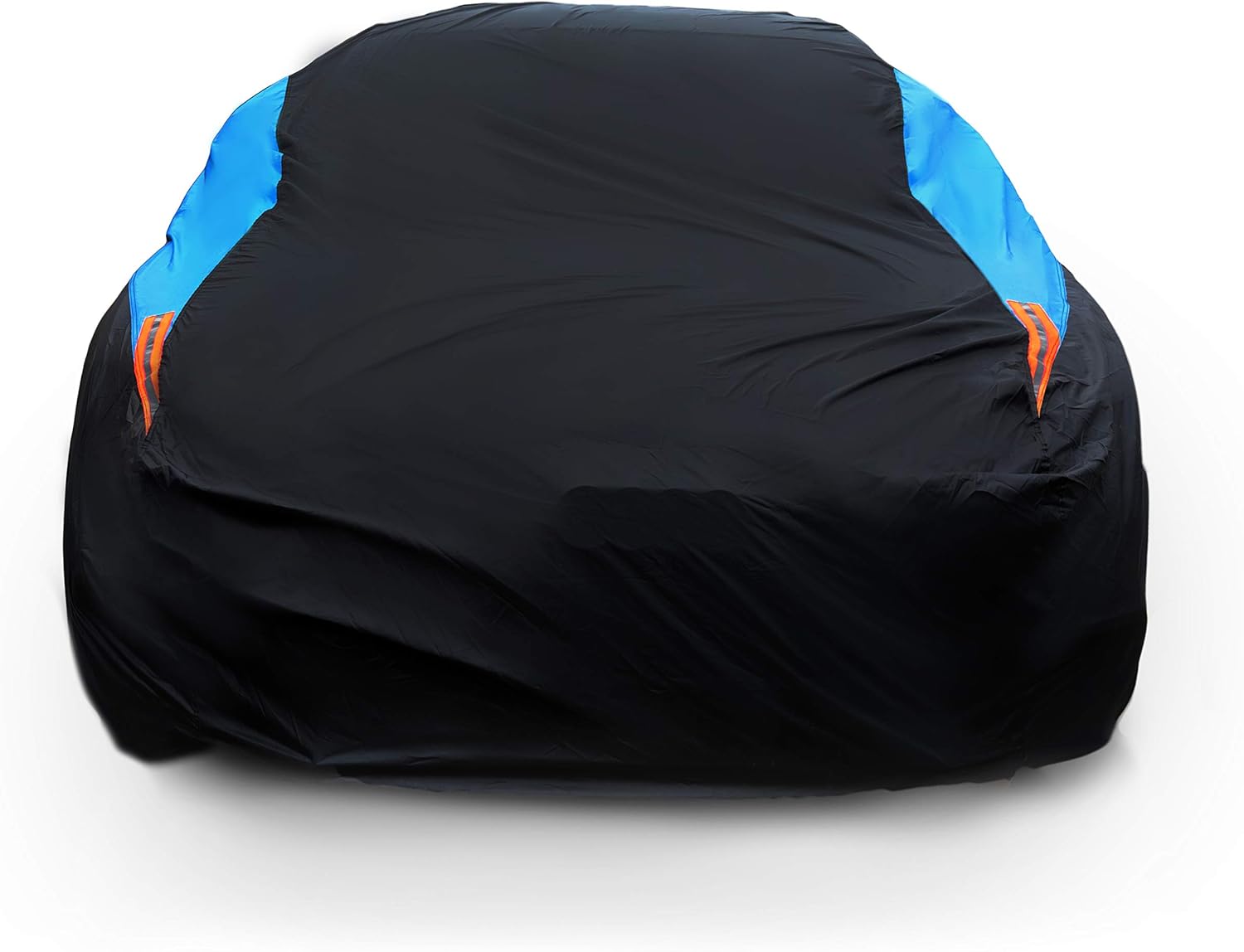
How to Remove Mold From a Car Cover (Fast Fix)
⚡ Quick Answer
Yes, you can remove mold from a car cover at home using a vinegar-and-water solution, a soft brush, and full air-drying, as long as the fabric isn’t torn or the mold hasn’t been growing for months. Most covers come clean in under an hour if you catch the problem early.
Steps to remove mold from a car cover
-
1
Shake off loose spores outdoors, away from the car -
2
Scrub stains with a vinegar solution and soft brush -
3
Rinse well and dry fully in the sun before storing
Mistakes that make car cover mold worse
-
✓
Folding the cover away while still damp -
✓
Using bleach on coated or reflective fabric
You pull the cover off your car and get hit with that damp, musty smell before you even see the spots. Gray or black fuzzy patches have spread across the fabric, and part of you wonders if the cover is ruined for good.
It probably isn’t. Car covers are built from tough, washable materials, and mold sitting on the surface can usually be broken down and rinsed away. Daniel Brooks, an auto care writer who’s cleaned more than a few neglected covers himself, walks through the exact steps below.
You’ll learn what actually kills the mold, which cleaners to avoid, and how to stop it from coming back the next time it rains.
📌 Key Takeaways
-
→
White vinegar diluted 1:1 with water kills most surface mold on cover fabric. -
→
Bleach can ruin waterproof coatings and should be skipped on most covers. -
→
Full drying before storage is what actually stops mold from returning. -
→
Trapped moisture, not the cover material itself, is the root cause of mold.
Why Does Mold Grow on a Car Cover?
A car cover grows mold for the same reason a damp towel does: moisture gets trapped against fabric with no airflow. Covering a wet car, parking in a shaded or humid spot, or storing a cover while it’s still slightly damp all create that trap.
Mold spores are already floating in outdoor air everywhere, so they don’t need to be introduced from anywhere else. They just need dampness and darkness to settle in and start feeding on dirt, pollen, and fabric fibers.
So if you’ve noticed the cover always smells musty after rain, moisture is getting sealed in rather than escaping. That’s the pattern to fix once the current mold is gone.
📋 Common Causes of Car Cover Mold
-
Covering a wet car: Rain or dew gets sealed between the paint and the fabric. -
Non-breathable fabric: Cheaper vinyl or plastic covers trap condensation instead of releasing it. -
Storing it damp: Folding a cover away before it’s fully dry locks moisture inside the folds. -
Shaded, humid parking: Little sun exposure means the fabric rarely gets a chance to dry out on its own.
How Do You Remove Mold From a Car Cover?
Mix equal parts white vinegar and water in a spray bottle, saturate the moldy spots, and let it sit for 15 minutes before scrubbing with a soft brush. Rinse thoroughly with a hose and let the cover dry completely in direct sunlight, which also helps kill any remaining spores.
This works because vinegar’s acetic acid breaks down mold’s cell structure without the harsh bleaching effect of chlorine products. Most car cover fabrics, from polypropylene to cotton-poly blends, tolerate it well.
🔢 Step-by-Step: Cleaning Mold Off a Car Cover
-
1
Take the cover off outdoors
Remove and shake it out away from the car so loose spores don’t land back on the paint.
-
2
Lay it flat and pre-rinse
Spread the cover on a driveway or lawn and hose it down to remove loose dirt first.
-
3
Apply the vinegar solution
Spray a 1:1 white vinegar and water mix generously over every moldy patch.
-
4
Let it dwell, then scrub
Wait 15 minutes, then work a soft-bristle brush over the stains in small circles.
-
✓
Rinse and fully air-dry
Hose off all residue, then hang or lay the cover in direct sun until it’s bone dry.
⚠️ Warning
Skip chlorine bleach on car covers. It can strip UV coatings and waterproofing, and it doesn’t kill mold roots the way vinegar or enzyme cleaners do.
You might be thinking a stronger chemical would work faster. In practice, the EPA’s basic mold cleanup guidance points to scrubbing with detergent and water, then drying completely, as the core method that actually gets rid of mold on most surfaces.
Vinegar vs. Other Cleaners: Which Works Best on a Car Cover?
Vinegar is the safest first choice for most car cover fabrics because it’s mild enough to avoid damaging coatings while still killing surface mold. Stronger options exist, but each comes with a trade-off worth knowing before you reach for it.
This comparison shows how the most common mold-removal options stack up for car cover fabric specifically.
If vinegar doesn’t fully clear stubborn, deep-set stains, step up to an enzyme cleaner before ever reaching for bleach.
How Do You Keep Mold From Coming Back?
Mold returns to a car cover when moisture gets trapped again, so prevention comes down to drying, airflow, and storage habits. Fix those three things and most covers stay mold-free for years.
That’s not just a car cover rule. According to the EPA’s guide to mold and moisture control, controlling moisture is the only real long-term fix for any mold problem, indoors or out.
✅ Tip
Never cover a wet car. Wipe it dry or wait for it to air-dry first, even if that means a short delay before you head out.
✓ Car Cover Mold Prevention Checklist
-
✓
Dry the car before covering it, not after -
✓
Choose a breathable fabric over plastic or vinyl -
✓
Pull the cover off and air it out on dry days -
✓
Store it loosely folded in a dry, ventilated bag
What Most People Get Wrong About Car Cover Mold
Myth: the cover is ruined once mold shows up. Surface mold on woven or coated fabric usually scrubs out completely. The cover is only truly ruined if the mold has weakened or rotted the fibers, which takes far longer than most people realize.
Myth: bleach is the fastest fix. Bleach lightens the color of mold so it looks gone, but it often leaves the root structure behind and can strip water-resistant coatings at the same time.
Myth: a cover prevents all moisture problems. A cover that traps humidity against the paint can cause more dampness than no cover at all, which is exactly how mold gets started in the first place.
Frequently Asked Questions
Can you machine wash a moldy car cover?
Many fabric car covers are machine washable on a gentle, cold cycle with mild detergent. Check the care tag first, since coated or fleece-lined covers often require hand washing instead.
Does vinegar damage car cover fabric?
Diluted white vinegar is safe on almost all car cover materials, including polyester and polypropylene blends. Test a small hidden area first if your cover has a specialty waterproof or reflective coating.
Can I use baking soda to remove mold from a car cover?
Yes, baking soda paste works well on smaller mold spots and helps neutralize odor at the same time. Apply it after the vinegar treatment, let it sit, then brush and rinse it away.
How do I get rid of the musty smell after cleaning?
Full sun drying removes most musty odor on its own. If the smell lingers, sprinkle baking soda over the fabric, let it sit for a few hours, then shake or vacuum it off.
Is mold on a car cover dangerous to touch?
Wear gloves and, if you’re sensitive to allergens, a mask while handling moldy fabric. Mold spores can trigger allergic reactions or respiratory irritation in some people during cleanup.
How often should I wash my car cover?
Wash a daily-use cover every one to two months, and more often in humid or rainy climates. Regular washing prevents the dirt buildup that mold feeds on in the first place.
When should I just replace the car cover instead?
Replace it if mold has left dark staining that scrubbing won’t lift, or if the fabric feels weak, thin, or tears easily. At that point, the material itself has broken down and cleaning won’t restore it.
Get Your Car Cover Mold-Free for Good
Mold on a car cover looks worse than it usually is. A vinegar scrub, a thorough rinse, and a full day in the sun clear most cases without any special products.
The habit that actually matters afterward is drying the cover completely before every fold and every storage session. That single change stops the moisture cycle that let mold take hold in the first place.
One thing to do right now: go check your stored car cover for dampness or a musty smell, and if you find either, pull it out to air-dry today.

Daniel Brooks is an automotive writer and product researcher focused on car accessories, car tech, maintenance, and practical driving guides. At Plug-in Car World, he helps drivers make smarter automotive decisions through honest reviews and research-driven content.